Shipping Meat Home After a Maryland Hunt
You've just wrapped up an incredible hunting trip in Maryland, maybe bagging that whitetail you've been after or finally getting a crack at a marsh-dwelling sika stag. The hard work is done, the photos are taken, and now you're faced with the next crucial challenge, especially if you're an out-of-state hunter: how do you get all that delicious, hard-earned wild game meat safely and legally back to your freezer at home? It's a question that can bring on a lot of stress, but with a little planning, it doesn't have to be complicated. This guide will walk you through everything you need to know about shipping your meat home after a Maryland hunt, ensuring your harvest makes it safely from the field to your dinner plate.
Preparing Your Harvest for Shipment
The journey of your meat from the field to your home freezer begins the moment your animal is down. Proper handling in these initial stages is absolutely critical to ensure the quality and safety of your wild game. Nobody wants to see their hard-won venison go to waste because of a preventable error.
Field Dressing and Initial Cooling
The first and most immediate step after a successful harvest is efficient field dressing. This isn't just about making the animal lighter to move; it's about rapidly cooling the carcass to prevent bacterial growth, which is the enemy of fresh meat. In Maryland, especially during the warmer early archery season, or even a mild firearms season day, ambient temperatures can quickly compromise your meat if it’s not properly cared for. Get those internal organs out quickly, and if possible, use clean game bags to protect the meat from flies and debris.
Once field dressed, the goal is to get the carcass cooled down as much as possible, as fast as possible. This might mean dragging it to a shady spot, propping the cavity open with sticks, or even filling the chest cavity with bags of ice if you have a long drive ahead or are hunting in particularly warm weather. The sooner the core temperature of the animal drops, the better the quality of the meat will be. If you're on a multi-day hunt or staying in an area without immediate access to a processor, having a plan for this initial cooling, perhaps with large coolers and plenty of ice, is non-negotiable.
For larger animals like a whitetail deer or a stout sika stag, the thermal mass is significant, and cooling takes time. Consider quartering the animal in the field if it's too large to manage whole, as this exposes more surface area to the air and accelerates cooling. Just remember, once quartered, you'll need even more secure game bags and a larger cooler setup to keep everything clean and cold. This meticulous initial care pays dividends down the line, ensuring your venison is prime for consumption.
Professional Processing and Packaging
Once your animal is properly cooled, the next crucial step is professional processing. While some hunters prefer to butcher their own game, entrusting it to a reputable processor offers several advantages, especially when planning to ship the meat. A good processor will cut, wrap, and freeze your meat to professional standards, making it much more suitable for transport. They understand how to maximize yields, properly debone, and ensure cuts are packaged for long-term storage and safe shipping.
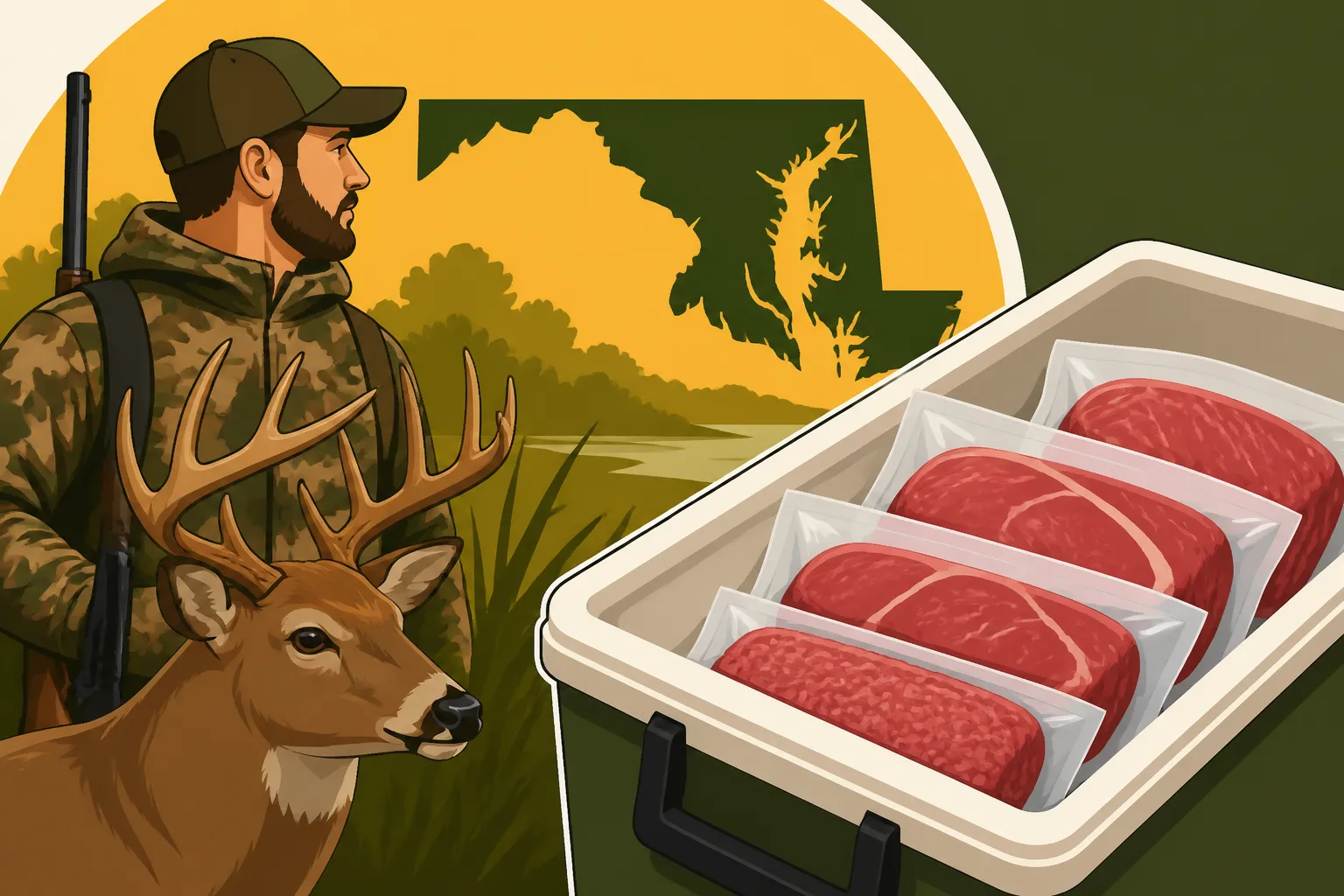
When choosing a processor, don't be afraid to ask questions about their packaging methods. Vacuum-sealed packages are often the gold standard for shipping, as they remove air, prevent freezer burn, and create a more compact, protective seal around the meat. This significantly extends the shelf life of your venison and makes it far more robust for the rigors of transit. Processors typically offer various cut options, from steaks and roasts to ground meat and specialty sausages, all of which will be meticulously labeled for your convenience. To find a reputable facility, you might check guides like Maryland Deer Processors and Butchers for recommendations, or ask your outfitter or local hunting contacts for their trusted choices. You can also often find directories on sites like GoHunt that list local services.
Remember to communicate your intentions to ship the meat home. The processor can advise on the best way to handle your order for this purpose. They'll know how long to freeze it solid and can often provide or recommend appropriate shipping containers, such as insulated boxes or coolers, designed to maintain temperature during transit. Having your meat thoroughly frozen and well-packaged by professionals is arguably the most important factor in a successful shipment. It's an investment that protects your entire hunting effort. Consider also checking out Finding a Processor Near Your Maryland Hunt to plan this aspect before your trip.
Freezing and Dry Ice Considerations
Once processed, your meat needs to be frozen solid—and we mean rock solid. This isn't just about being cold; it's about maintaining a stable, low temperature for the longest possible duration during shipping. Meat that is only partially frozen will thaw much faster, dramatically increasing the risk of spoilage. Most processors will freeze your meat for several days to ensure it's completely solid, which is ideal for shipping.
For longer transit times, or for an extra layer of security, dry ice is your best friend. Dry ice, which is frozen carbon dioxide, is significantly colder than regular ice and sublimates (turns directly into gas) rather than melts, so it won't add any water to your package. When using dry ice, place it on top of your frozen meat packages inside the insulated container, as cold air sinks. Be sure to use appropriate handling precautions, like gloves, as direct contact can cause frostbite. You'll need to calculate how much dry ice you need based on the package size and expected transit time; generally, about 5-10 pounds for every 24 hours of transit is a good starting point, but always verify with your chosen carrier.
It's also crucial to use a high-quality insulated shipping container. These are typically heavy-duty foam coolers or specialized shipping boxes designed to keep contents frozen for extended periods. Cardboard boxes alone won't cut it. Many processors can provide these, or you can purchase them from shipping supply stores. If you are handling a trophy, you might also be considering Getting a Sika Stag Mounted, and your processor or taxidermist can advise on separate shipping for capes or antlers.
Choosing a Shipping Method
With your meat meticulously processed, frozen, and packaged, the next hurdle is selecting the right method to transport it from Maryland to your home. Each option has its own set of pros, cons, and logistical considerations that out-of-state hunters, in particular, need to weigh.
Commercial Carriers UPS and FedEx
For many hunters, commercial shipping companies like UPS or FedEx are the go-to choice for sending frozen meat. They offer reliable services and can deliver packages across the country, often within a few days. However, shipping perishable goods requires specific considerations and adherence to their rules. Both carriers generally require packages to be clearly marked as containing perishable goods, properly insulated, and packed with sufficient coolant, such as dry ice. They also have restrictions on shipping certain materials, so always double-check their most current guidelines for dry ice limits and acceptable packaging.
The key to success with these carriers is understanding their expedited shipping options. While ground shipping might seem cheaper, it's often too slow for frozen meat, especially if there are any delays. Prioritize overnight or two-day air services to minimize transit time and reduce the risk of thawing. Be prepared for these services to come at a premium; the cost of shipping large quantities of frozen meat can be substantial, often calculated by weight and distance. Plan to ship early in the week (Monday-Wednesday) to avoid weekend delays where your package might sit in a warehouse. Always provide clear delivery instructions and consider requiring a signature to ensure someone is there to receive the package immediately upon arrival. This proactive approach ensures that your carefully prepared meat doesn't end up in limbo.
One crucial detail is that commercial carriers do not typically "re-ice" packages. This means whatever coolant you pack must last the entire journey. This is where solid freezing and ample dry ice become paramount. While convenient, shipping through these services requires you to be fully responsible for packing the meat to survive the trip, so cut no corners in the preparation phase.
Specialty Wild Game Shippers
While commercial carriers are widely available, a less common but sometimes more robust option is using specialty wild game shippers. These companies often specialize in transporting frozen, perishable goods, sometimes even offering services tailored specifically for hunters. They may have a deeper understanding of the unique challenges of shipping game meat and could offer specialized refrigerated transport or packing services. Some might even have partnerships with processors or outfitters in key hunting regions, streamlining the hand-off process.
The advantage of a specialty shipper is their expertise. They are set up to handle temperature-sensitive cargo and might employ methods that offer greater assurance against spoilage, such as actively refrigerated trucks for bulk shipments or more sophisticated packaging solutions. While these services might not be available in every location, and their pricing structures can vary significantly, they are worth investigating if you have a substantial amount of meat to ship or if your hunt is in a more remote area where standard commercial shipping might be less reliable.
To find such services, you might need to do some specific research for "wild game shipping Maryland" or ask your outfitter if they have preferred partners. However, always compare their offerings, costs, and guarantees against the more common commercial carriers. It’s important to understand if they are truly handling frozen goods end-to-end or simply acting as a consolidated freight forwarder. For out-of-state hunters who regularly use platforms like BookYourHunt to arrange their trips, sometimes those same resources can lead you to specialized shipping services that cater to traveling sportsmen.
Personal Transport Driving It Home
For many hunters, especially those who live within a reasonable driving distance of Maryland, the most cost-effective and reliable method is simply driving your meat home yourself. This gives you complete control over the entire process, from maintaining temperature to ensuring safe handling. If you've driven to Maryland for your hunt, you already have the vehicle; you just need to equip it properly.
The key to successful personal transport is a well-prepped vehicle and ample cooling capacity. Invest in high-quality coolers—not just the flimsy kind for a picnic. Heavy-duty roto-molded coolers, often branded as "marine" or " экспедиция" coolers, are designed for extreme insulation and can keep ice for days, even weeks. Pack your frozen, vacuum-sealed meat solidly into these coolers, and then top them off generously with block ice, dry ice, or a combination of both. Dry ice is particularly effective for keeping everything frozen solid during a long drive. If using regular ice, make sure your meat is in sealed bags to prevent it from sitting in meltwater.
When planning your drive, aim for as direct a route as possible with minimal stops. Avoid leaving coolers in direct sunlight during breaks, and if possible, keep them in the climate-controlled cabin of your vehicle rather than a hot trunk or truck bed. Consider a portable power inverter to run a small freezer or refrigerator if your journey is exceptionally long. This method puts the responsibility squarely on your shoulders, but it also gives you peace of mind that your venison is traveling under your direct care, ensuring it arrives home in perfect condition. Remember that if you've crossed state lines to hunt, which many do given Maryland's appealing options, you'll need to have accounted for Maryland Nonresident License Options and similar requirements for your home state.
Regulations and Logistics
Beyond the practicalities of packaging and transport, navigating the legal and logistical landscape of shipping wild game meat is paramount. Ignorance of regulations can lead to delays, confiscation, or even penalties, ruining an otherwise successful hunt.
State and Federal Regulations
Before you even think about putting that meat in a box, you absolutely must understand the regulations governing the transport of wild game, both at the state and federal levels. Maryland has specific rules regarding the possession and transport of game, especially concerning deer harvested within its borders. Your animal will need to be properly tagged and registered according to Maryland Department of Natural Resources (DNR) guidelines. Registering a Maryland Deer by Phone or App is a simple but critical step that must be completed promptly after harvest. Having your confirmation number and any required physical tags visible and accessible is not just good practice, it’s often a legal requirement.
The biggest regulatory hurdle for many out-of-state hunters is Chronic Wasting Disease (CWD). CWD is a neurological disease found in deer, elk, and moose, and many states have strict regulations about importing carcasses or certain parts of harvested animals from CWD-positive areas. Maryland has CWD Management Areas, and if your deer was harvested in one of these counties, there might be restrictions on what parts of the carcass can be transported across state lines. Typically, deboned meat, clean skull plates (antlers), and hides are allowed, but whole carcasses, heads (especially brain and spinal tissue), and other lymphatic tissues are often prohibited. You should always consult both Maryland's DNR website and your home state's wildlife agency website for the most up-to-date information on CWD regulations. For further detail, refer to Maryland's CWD Management Area Rules. Similarly, you might want to review Bringing a Deer Carcass Into Maryland to understand the flip side of these regulations, even if you are exporting.
Federal regulations, particularly those from the U.S. Department of Agriculture (USDA) and the U.S. Fish and Wildlife Service (USFWS), mainly come into play if you are shipping across international borders, or if you are transporting migratory birds. For most domestic ground or air shipments of deer meat, state laws are the primary concern. Always carry a copy of your hunting license, tags, and any harvest registration confirmation with your meat, especially if you are driving across state lines. This documentation proves the meat was legally harvested and helps you avoid any misunderstandings with law enforcement.
Labeling and Documentation
Proper labeling and documentation are not merely bureaucratic hurdles; they are essential safeguards for your valuable harvest. When shipping meat via commercial carriers, explicit and clear labeling is non-negotiable. Your package should be clearly marked "Perishable – Keep Frozen," along with your name, address, phone number, and the recipient's information (which will likely be your own at your home address). If using dry ice, there are specific hazmat labels required by carriers, indicating the presence of dry ice and its weight. Failing to properly label a dry ice shipment can lead to significant delays or refusal of the package.
Beyond the carrier's requirements, consider including a detailed packing list inside the package, listing the contents by cut and weight. This is especially helpful if you've had various items processed. Also, as mentioned earlier, always keep copies of your hunting license, tags, and harvest confirmation with you, and ideally, include a copy inside the package as well, perhaps in a waterproof bag. This provides irrefutable proof of legal harvest should any questions arise during transit, whether from postal inspectors or state wildlife officials at roadside checks. Think of it as your meat's passport.
Furthermore, if you've hired an outfitter, they can often provide advice or assistance with these logistical steps. While a guide can help you find the animal, you need to know what you're doing with the carcass. Sometimes they might even have established relationships with local processors that simplify the paperwork or packaging process for out-of-state clients. When you're planning your trip, consider what it costs, including incidentals, by looking into What a Maryland Guided Hunt Costs, and remember to factor in shipping or transport.
Timing Your Shipment for Success
Timing is everything when it comes to shipping perishable goods. The goal is to minimize the amount of time your frozen meat spends in transit, especially if it's not in an actively refrigerated environment. As a general rule, try to ship early in the week—Monday, Tuesday, or Wednesday. This avoids your package sitting in a carrier's warehouse over a weekend, which is one of the quickest ways to end up with thawed, spoiled meat. Shipping on a Thursday or Friday for delivery the following Monday or Tuesday might save a little on expedited shipping, but it dramatically increases risk.
Communicate clearly with your chosen carrier about expected delivery times and make arrangements for someone to be available to receive the package immediately upon arrival. If possible, opt for services that allow you to track your package in real-time, giving you peace of mind and allowing you to alert your household when it's about to arrive. Nobody wants a box of thawed meat sitting on their porch for hours.
Consider the weather at both the origin and destination. Shipping during a heatwave, for example, will put extra stress on your insulation and dry ice, potentially requiring more coolant or faster shipping. Conversely, if there's a major snowstorm expected at your destination, that could cause delays. Being aware of these variables and planning around them can make a huge difference in whether your hard-earned venison makes it home as safely and deliciously as possible. For general travel preparation, especially if you're driving, checking out resources like Traveling to Maryland With Firearms or What to Pack for a Maryland Mountain Hunt can offer broader logistical tips to ensure your entire trip is smooth.
Disclaimer
This article is for general informational purposes only and does not constitute professional advice. Laws, prices and regulations vary by location and change over time. Consult a qualified professional for guidance on your specific situation.