Why Outfitter Photos Can Mislead
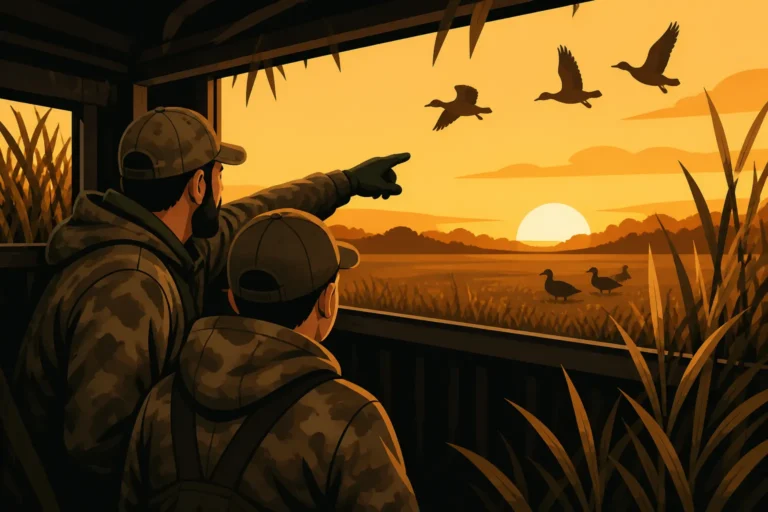
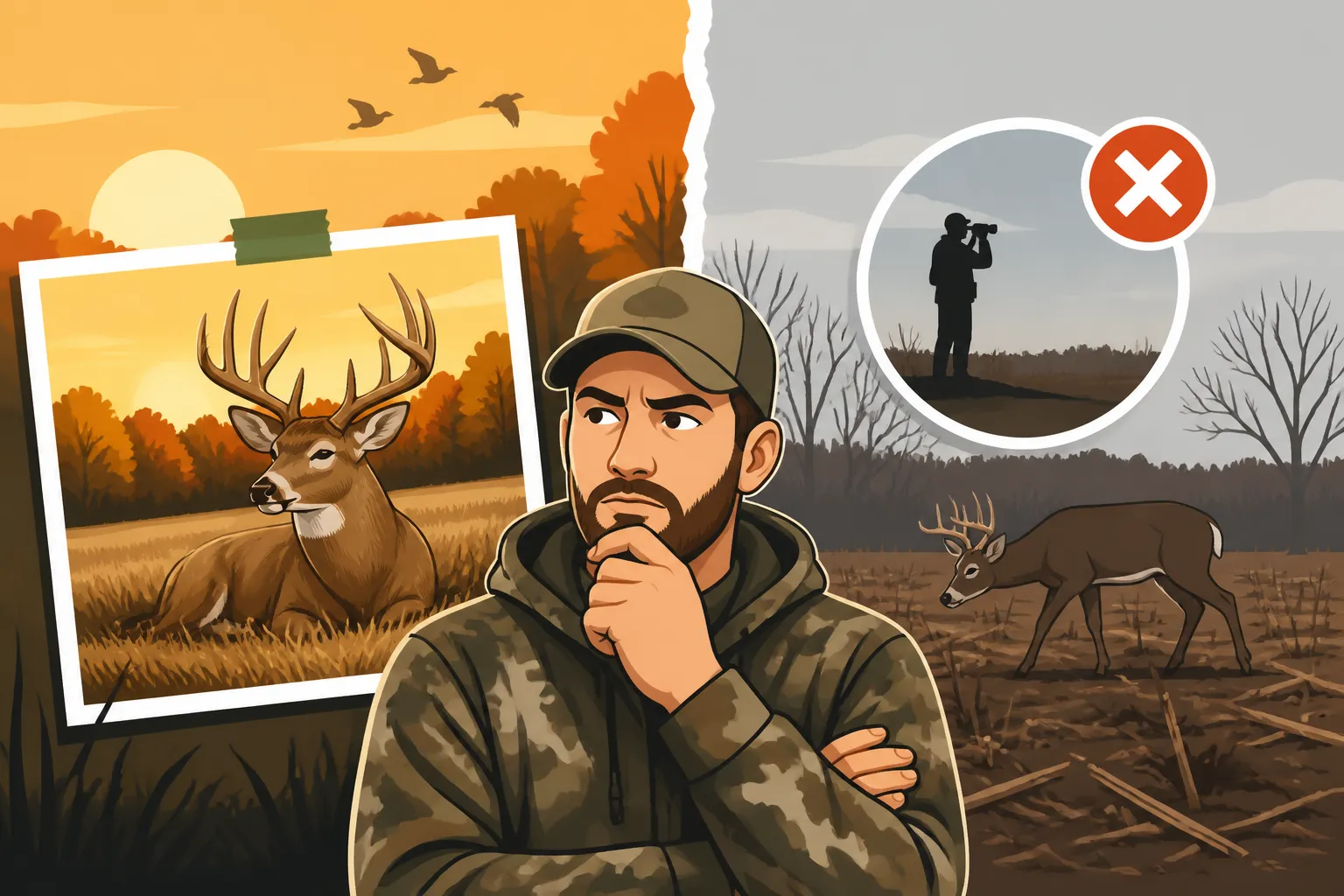
We've all been there: you're scrolling through social media or an outfitter's website, and you see these absolutely stunning photos. Massive bucks, piles of geese that stretch for days, smiling hunters with limits of ducks, all bathed in perfect golden hour light. Your heart races, your wallet twitches, and you start dreaming of that perfect Maryland hunt. But then, when you get there, the reality can sometimes hit you like a cold front – it just doesn't quite live up to those glossy images. This guide is all about peeling back the layers of outfitter photography, helping you understand how pictures can sometimes paint an overly rosy, or even misleading, picture of your potential hunting experience in Maryland.
The Lure of the Lens: How Photos Shape Expectations
There's no denying the power of a good photograph. In the hunting world, images are often the very first thing that captures a potential client's attention, drawing them into the dream of a successful trip. Outfitters know this, and they invest heavily in presenting their operations in the best possible light, quite literally. But sometimes, that "best possible light" might not be entirely representative of the everyday hunting experience.
The Art of Professional Photography
Outfitters frequently employ professional photographers or have team members with serious photography skills. These folks understand lighting, composition, and how to make a trophy look even more impressive. They know how to use wide-angle lenses to make a small duck pond look expansive or a modest deer camp feel like a sprawling lodge. Think about the angles – a deer might be positioned just right to emphasize its rack, or a bird pile arranged to look twice as large as it actually is. They also master post-processing. That vibrant sunset, the crisp detail on the antlers, the sparkling water on the marsh – much of that can be enhanced or even created in editing software. It's not necessarily deception, but it's certainly presentation at its finest, often elevating the visual appeal far beyond what your own camera phone might capture on an average day.
Beyond the technical aspects, many photos are carefully staged. A hunter might pose with multiple deer harvested over several days by an entire camp, giving the impression of one individual's incredible success in a single outing. Or perhaps a "hero shot" of a particularly impressive gobbler is taken at the best possible angle, making it look like every bird on the property is a giant longbeard. These curated images are designed to inspire, to excite, and to convince you that this is the place where dreams come true. They show the potential and the ideal, not necessarily the statistical average of what every hunter experiences. It’s important to remember that these are marketing tools, crafted to draw you in, and they do a fantastic job of it.
Trophies and Tall Tales
When you browse an outfitter's gallery, you're often bombarded with pictures of exceptional trophies: Boone & Crockett-class whitetails, giant sika stags with impressive points, or limits of waterfowl that most hunters only dream of. These "hero shots" are strategically placed to showcase the absolute best animals taken on their property, or by their clients, sometimes over many years. While it's certainly proof that such animals do exist on their ground, it's rarely an indication of the average success rate or the typical size of game harvested.
It’s easy to look at a dozen photos of monster bucks and assume that every hunter walking onto that property has a good chance at one. However, the reality is that those bucks might represent a tiny percentage of the total harvest, or they might have been taken by highly experienced hunters who spent many days in the field. What you don't often see are the photos of the smaller, younger animals, or the hunters who went home empty-handed. These are, of course, not the images an outfitter wants to use for promotion. When vetting outfitters, especially those found on platforms like BookYourHunt, it's crucial to look beyond just the trophy photos and dig into the actual success rates and what the average harvest looks like. Consider what a "trophy" means to you, and whether the outfitter's showcased trophies align with what you realistically hope to achieve.
Deconstructing Deceptive Imagery: What to Look For
Understanding that photos are a marketing tool is the first step. The next is learning how to critically analyze what you're seeing, and just as importantly, what you're not seeing. It’s about becoming a detective of pixels, looking for subtle clues that reveal the full story.
Understanding Scale and Perspective
One of the oldest tricks in the photography book is playing with scale and perspective. A clever photographer can make a relatively small buck look like a true giant by positioning the hunter far behind the animal, or by using a wide-angle lens up close that distorts the proportions. Think about those classic photos where a hunter is kneeling way behind a deer, pushing its head closer to the camera – that's often done to make the antlers appear much larger and wider than they are in reality. The same goes for waterfowl. A small spread of decoys can appear massive in a wide shot, or a modest pile of ducks can look like a season's worth when shot from a low angle.
Furthermore, lighting can dramatically affect how an animal's size or antler mass is perceived. Early morning or late evening light can create long shadows and depth that emphasize features, making them appear more robust. Conversely, harsh midday light can flatten details. You also need to consider the hunter themselves. If a very small hunter is holding a deer, the deer will naturally look larger by comparison. These are all subtle psychological cues that influence our perception, and outfitters are well aware of their power. It's not a trick unique to hunting, but it's certainly prevalent. Reading Outfitter Reviews Honestly can sometimes shed light on whether clients felt the actual animals matched the photographic representations.
The Illusion of Abundance
Another common tactic is to create an illusion of abundance that may not reflect the average day. Let's say an outfitter has a fantastic day with two hunters, who each harvest a limit of ducks. Instead of photographing each hunter individually, they might combine all the birds into one massive pile, taken from a low angle to maximize the visual impact. This single photo, while technically truthful about the total birds harvested that day, can give the impression that every hunt results in such an overflowing bag. Similarly, a photo of a food plot packed with deer could be taken during a very specific time of year, or at dusk when deer are most active, rather than representing the typical daytime activity you might encounter during your hunt.
This isn't to say the outfitter never has great success, but it's important to differentiate between what's possible on an exceptional day and what's probable on an average day. Ask yourself: is this a genuine representation of a single hunter's experience, or a collective achievement presented as one? When you're looking at pictures of deer, for instance, consider how many different animals are actually depicted versus how many appear to be present. Sometimes, the same impressive buck might be featured in multiple photos from different years, giving the impression of a dense population of large deer. This visual storytelling aims to convey a consistent high-density experience, even if the reality is more variable.
Timing is Everything
The timing of photographs is critically important, and often where subtle misdirection can occur. An outfitter might have a collection of amazing photos taken during the absolute peak of the rut for deer, or during a particularly strong migration push for waterfowl. These "highlight reel" moments are incredible, and they legitimately happened. However, if you book your hunt weeks or even months outside of those peak windows, your experience might be drastically different. A photo of huge sika stags bugling in late September might be gorgeous, but if you're hunting in November, the rut will have largely passed, and the action might be slower.
Similarly, a waterfowl outfitter might post incredible pictures from a bluebird day in the late season when birds were locked into specific patterns. If you book an early-season hunt, conditions and bird behavior could be completely different. It's not uncommon for outfitters to use their very best photos, regardless of when they were taken, to market all of their available dates. When you're considering a booking, always ask when the photos were taken and how representative they are of the specific timeframe you're interested in. Platforms like GoHunt, which often feature detailed scouting reports, can give you a better idea of seasonal animal behavior and migration patterns that might influence your hunt.
Beyond the Pixel: Verifying Outfitter Claims
Navigating the world of outfitter photography requires more than just looking at the pretty pictures; it demands critical thinking, thorough research, and a willingness to ask tough questions. It’s about ensuring that the dream you see in images can translate into a realistic and satisfying experience in the field.
Asking the Right Questions
Don't be shy about directly asking outfitters specific questions about their photos. This is your investment, and you have every right to gather as much information as possible. Here are some key questions to consider:
- When were these photos taken? Ask for specific dates or even years. This helps you understand if the pictures represent current conditions and typical season success.
- Are these photos from guided hunts or self-guided? Sometimes outfitters might post photos from private land where they also offer leases, which could be a different experience than a fully guided trip.
- What is the average size of game taken by clients each year? Don't just focus on the biggest trophy; ask about the typical harvest. This gives you a more realistic expectation.
- How many hunters are typically in camp when these types of hunts occur? A smaller camp often translates to more personalized attention and potentially less pressure on the animals.
- Can you show me photos from last season specifically, especially during the dates I'm considering? Reputable outfitters should have a recent and diverse collection of images.
A good outfitter will be transparent and willing to discuss the context behind their photos. They understand that managing expectations leads to happier clients. If an outfitter seems evasive or reluctant to provide details, that can be a red flag. When you're looking at various options, consider Choosing the Right Maryland Outfitter as a multi-faceted process that goes beyond just what you see in pictures.
Seeking Unfiltered Realities
While outfitters' websites and brochures present a polished image, there's a wealth of "unfiltered" information available if you know where to look. Dive into online hunting forums, social media groups, and independent review sites. Many former clients are eager to share their experiences, good and bad, often with their own un-retouched photos. Search for the outfitter's name on YouTube – you might find videos shot by clients that offer a far more realistic view of the camp, the guides, and the hunting conditions.
Websites like BookYourHunt or GoHunt, while often featuring outfitter-provided photos, also typically include client reviews and sometimes client-submitted pictures. Pay close attention to these. Are there consistent themes in the reviews? Do client photos generally align with the outfitter's professional shots, or do they tell a different story? Sometimes, even a brief phone conversation with a past client (which a good outfitter should be willing to provide references for) can offer invaluable insights that no photograph can convey. This is also where you can get a better sense of things like Tipping a Maryland Guide and overall camp atmosphere.
The Value of Transparency
Ultimately, the best outfitters embrace transparency. They understand that showing a realistic portrayal, including the challenges and the average outcomes, builds trust. They might include a mix of trophy photos, but also images that show the camp, the guides working hard, the landscapes, and even pictures of smaller, legal animals that represent a more typical harvest. They will often clearly state their success rates, or at least explain how those rates are calculated, rather than just showing a highlight reel.
When an outfitter is upfront about what to expect, even if it means acknowledging that not every hunter takes a record book animal, it speaks volumes about their integrity. They want you to have a good experience, and that starts with accurate expectations. When you're doing your research, evaluate not just the quality of the photos, but the narrative that accompanies them. Does it feel authentic, or does it feel like pure sales pitch? Trust your gut, and remember that sometimes, a slightly less polished presentation might actually indicate a more grounded and realistic hunting operation.
Here's a quick look at some visual cues and what they might suggest:
| Photo Red Flags (Proceed with Caution) | Photo Green Flags (Good Indicators) |
|---|---|
| Extreme close-ups of antlers only: Hard to judge body size. | Full body shots of animals: Shows true size proportion. |
| Hunter positioned far behind animal: Creates illusion of greater size. | Hunter naturally kneeling or standing next to animal: Realistic scale. |
| Heavily filtered, over-edited images: May obscure details or conditions. | Natural lighting, varied conditions: Shows realistic outdoor environments. |
| Only trophy animals shown: Suggests average is less impressive. | Mix of trophy and average animals: Reflects diverse success. |
| Photos all from same peak season/year: May not represent all dates. | Variety of photos from different seasons/years: Shows consistency. |
| Massive piles of game birds: Could be combined harvest of many hunters/days. | Individual hunter photos with their personal harvest: Clearer representation. |
| Unrealistically lush or perfect scenery: Might be heavily cropped or enhanced. | Photos showing realistic terrain/habitat: Gives a better sense of the actual hunting grounds. |
| Absence of client testimonials or non-pro photos: Lack of independent verification. | Client-submitted photos and genuine testimonials: Offers external validation. |
| No pictures of camp, guides, or general atmosphere: Hides other aspects of the experience. | Photos of camp, guides, dogs, etc.: Gives a holistic view of the operation. |
Remember, your goal is to find an outfitter who matches your expectations and offers a hunt that aligns with your definition of success. By looking beyond the glossy surface of outfitter photos and digging into the details, you'll be much better equipped to book a Maryland hunting adventure that you won't regret. Whether you're interested in Sika Deer Hunting in Maryland's Tidal Marshes or Goose Hunting Maryland's Eastern Shore Grain Fields, a clear-eyed approach to photography is key.
Disclaimer
This article is for general informational purposes only and does not constitute professional advice. Laws, prices and regulations vary by location and change over time. Consult a qualified professional for guidance on your specific situation.