Jump-Shooting Ducks on an Eastern Shore Gut
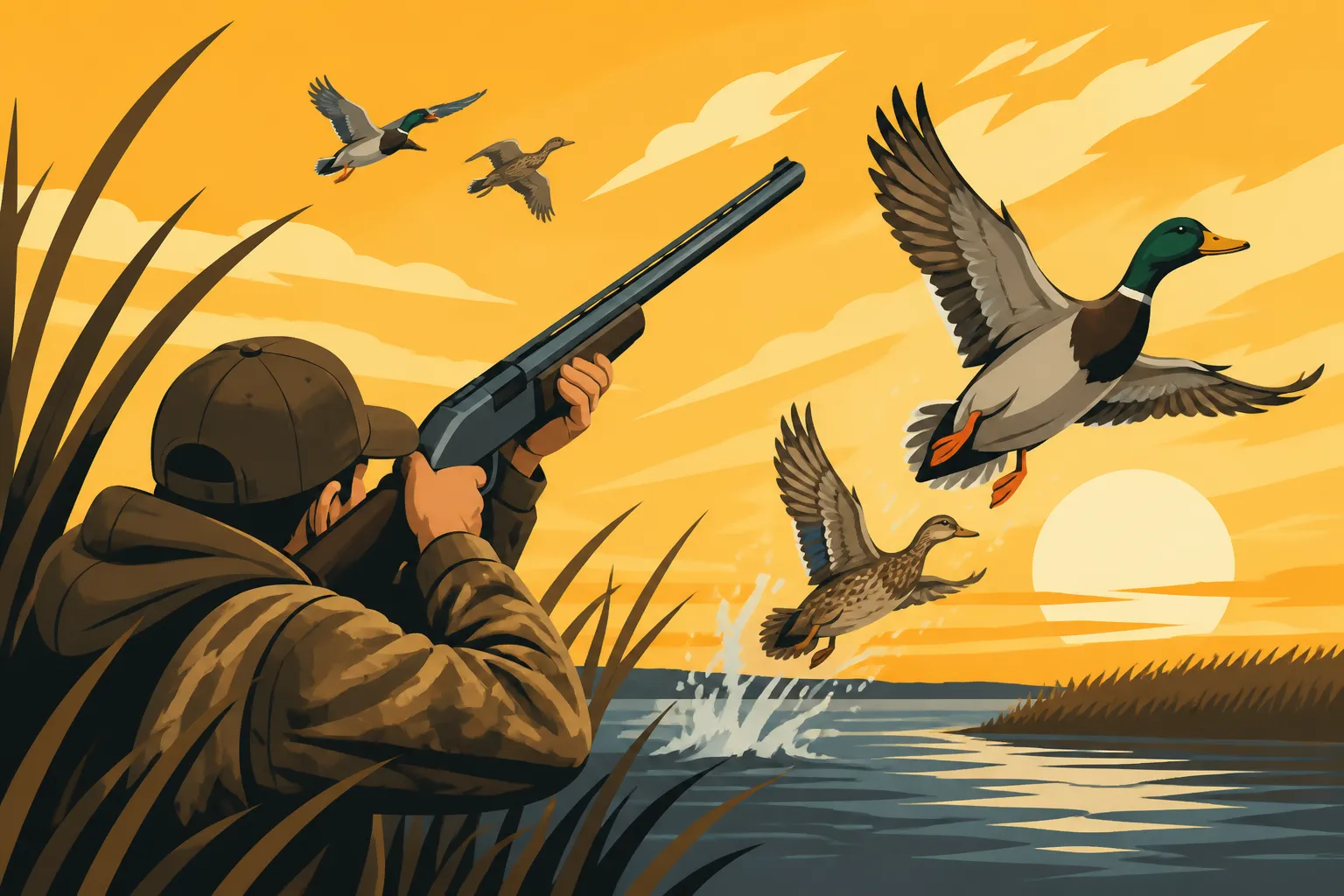
It's incredibly frustrating, isn't it? You spend good money on expensive leases, sit in static blinds for hours, or navigate crowded public waters, only to watch ducks flare at 100 yards, leaving you with little more than a cold thermos and empty shells. If you're tired of traditional waterfowl hunting feeling more like a waiting game than an actual hunt, then you've landed in the right spot. This comprehensive guide is all about empowering you to take a more active, dynamic approach to duck hunting on Maryland's Eastern Shore: the thrilling art of jump-shooting ducks in those hidden tidal guts.
Understanding Eastern Shore Guts and Duck Habitat
Maryland's Eastern Shore is a tapestry of productive agricultural fields, sprawling hardwood forests, and perhaps most famously, vast tidal marshes. Within these marshes lies a network of waterways, from wide rivers to narrow creeks, and most importantly for us, the winding, often overlooked "guts." These guts are the lifeblood of the marsh, constantly shifting with the tides and providing prime habitat for various waterfowl species. Learning to read these dynamic features is the first step to successful jump-shooting.
What Exactly is a Tidal Gut?
Imagine a natural drainage ditch, carved by the relentless flow of tidal water, that meanders through a seemingly impenetrable marsh. That, my friends, is a tidal gut. These aren't just stagnant ditches; they are living, breathing waterways that connect larger bodies of water to the interior of the marsh. They range in size from just a few feet wide, barely deep enough to float a kayak, to channels wide enough for small johnboats, often with deceptively deep pockets. The depth and flow are constantly influenced by the Chesapeake Bay's tides, creating a dynamic environment that ducks absolutely love. As the tide recedes, these guts act like natural funnels, concentrating water and exposing mudflats and submerged vegetation – a veritable buffet for dabbling ducks. When the tide comes in, it floods the surrounding marsh, providing ducks with fresh feeding grounds that were previously inaccessible. Understanding this ebb and flow is crucial to mastering the art of Reading Tide Charts Before a Marsh Hunt.
The edges of these guts are often lined with thick stands of marsh grass, phragmites, or other dense vegetation. This cover provides vital concealment for ducks, offering them a safe haven from predators and a place to rest and feed undisturbed. As a jump-shooter, this same cover is your best friend for making a stealthy approach. You'll often find that the most productive guts aren't the widest or deepest, but rather those with an abundance of sheltered bends, small side channels, and isolated pockets of open water surrounded by dense cover. These are the places where ducks feel most secure.
Favorite Duck Species for Jump-Shooting
While you might encounter a variety of waterfowl on the Eastern Shore, jump-shooting in guts is primarily a game for puddle ducks, also known as dabbling ducks. These are the species that feed by tipping up their heads and tails, rather than diving completely underwater. They prefer shallow water environments, making tidal guts ideal hunting grounds. The usual suspects you'll encounter are mallards, black ducks, and often the surprisingly fast wood ducks.
Mallards are perhaps the most iconic puddle duck, readily identified by the drakes' iridescent green heads and bright yellow bills. They're opportunistic feeders and will take advantage of exposed mudflats for seeds, grains, and aquatic invertebrates. Black ducks are a prized bird on the Eastern Shore, known for their wary nature and striking dark plumage. They often associate with mallards but are generally much more challenging to approach, making a successful jump-shot on a black duck particularly rewarding. Wood ducks, with their incredible iridescent colors and unique calls, are often found in the more timbered marsh edges or guts that wind near wooded areas. They are incredibly agile flyers and can burst from cover with astonishing speed. While you might occasionally jump a teal or a gadwall, these three are your primary targets for this style of hunting, making it essential to understand Puddle Ducks of the Maryland Marshes.
Reading the Marsh Landscape
Successful jump-shooting starts long before you even step foot in the marsh. It begins with intelligent scouting and knowing how to interpret the subtle clues the landscape offers. Ducks are creatures of habit, and they'll favor certain areas for feeding, loafing, and roosting. Look for guts that have a good mix of open water and dense cover. Pockets of calm water that are sheltered from strong winds can be prime resting spots, especially after a morning feeding frenzy.
Aerial maps are your absolute best friend here. Services like GoHunt offer incredibly detailed satellite imagery that allows you to virtually explore hundreds of miles of marsh from your couch. Look for the winding, snake-like patterns of guts. Pay attention to how they connect, where they widen into small ponds, or where they narrow down to just a trickle. Identify areas where dense vegetation meets open water, creating natural ambush points. You'll want to mark potential entry and exit points, as well as areas where the marsh might be firmer underfoot. Don't be afraid to use GoHunt's historical imagery to see how a gut might change with different water levels or seasonal vegetation shifts. Once you're on the ground, look for fresh duck sign – disturbed mud, droppings, and feathers. These are clear indicators that ducks are using that particular gut.
Essential Gear for a Successful Jump-Shot Hunt
Jump-shooting isn't about sitting comfortably in a heated blind; it's about being mobile, adaptable, and prepared for whatever the marsh throws at you. This active style of hunting demands specific gear that will keep you safe, dry, and effective in a challenging environment. Cutting corners on your equipment here isn't just uncomfortable; it can be dangerous.
Waders, Boats, and Transportation
First and foremost, you absolutely need quality waders. Chest waders are almost always preferred over hip waders in the Eastern Shore marsh, as you'll inevitably encounter guts deeper than you anticipate or slip into unforeseen depressions. Look for durable, puncture-resistant materials like neoprene or breathable Gore-Tex, with insulated boots for those colder late-season hunts. A good wading belt is critical for safety, cinching tightly to prevent your waders from filling completely with water should you take an unexpected plunge. Carrying a dry bag with an extra layer of clothes, especially socks, is a wise move, as is a basic first-aid kit.
For covering longer distances or accessing remote guts, a small, stable boat like a jon boat, kayak, or canoe can be invaluable. A flat-bottomed jon boat allows you to haul more gear and can navigate shallow water, while a kayak or canoe offers superior stealth and access to even the narrowest guts. Consider how you'll launch and retrieve your vessel. Sometimes, you'll be able to drive close to a launch point, but often you'll be hand-carrying your craft a considerable distance across soft ground. Make sure your chosen mode of transport is reliable and that you understand Boat Safety on the Chesapeake in December, especially if hunting during colder months.
Shotguns and Ammunition Choices
When it comes to shotguns for jump-shooting, reliability is key. You'll be exposing your firearm to mud, water, and salt, so a dependable semi-automatic or pump-action shotgun in 12 or 20 gauge is ideal. The ability to cycle quickly for follow-up shots is a huge advantage when multiple ducks flush. A shorter barrel (26-28 inches) will be easier to maneuver in tight cover. While a full choke can give you a bit more reach for longer shots, a modified or improved cylinder choke is often more versatile for the closer, fast-flushing shots typical of jump-shooting.
Ammunition choice is non-negotiable: you must use non-toxic shot for waterfowl hunting. Steel shot is the most common and affordable option, but bismuth or tungsten-based loads offer superior performance, especially at longer ranges, though at a higher cost. For jump-shooting, where shots are often taken at close to medium range (20-40 yards), 3-inch or 2 3/4-inch shells loaded with #2 or #4 steel shot are highly effective for mallards and black ducks. For smaller ducks like wood ducks or teal, #4 or even #6 steel can be deadly. Always carry a variety of shells, as you never know what you'll jump. Don't forget your Maryland Migratory Bird Stamp Requirements and proper HIP Registration for Migratory Bird Hunters.
Camouflage and Concealment
Ducks have incredible eyesight, and in the open environment of a tidal marsh, any unnatural movement or color will send them flaring. Your camouflage needs to blend seamlessly with the natural tones of the marsh: tans, browns, greens, and grays that mimic dead grass, mud, and sparse vegetation. Don't just think about your outer layers; your face and hands are equally visible. A good face mask or face paint and gloves are non-negotiable.
Beyond your clothing, your entire approach is about concealment. Move slowly, deliberately, and always stay low. Use the natural contours of the gut, the high banks, or thick stands of phragmites to break up your outline. Avoid silhouetting yourself against the sky. If you're using a kayak or small boat, consider draping it with natural vegetation or a camo netting to further break up its shape. The goal is to appear as just another part of the marsh until the moment you decide to flush the birds. Remember, it's not just about what you wear, but how you become part of the environment.
Strategies for Approaching and Flushing Ducks
Jump-shooting is an active and dynamic form of hunting that requires keen observation, stealth, and a good understanding of duck behavior. It's less about calling birds in and more about anticipating where they'll be and making a surgical approach.
Leveraging Tides and Wind
The tide is perhaps the single most influential factor in jump-shooting success on the Eastern Shore. A falling tide is often the most productive time to hunt tidal guts. As the water recedes, ducks that were spread out across the flooded marsh are pushed into the main guts or onto exposed mudflats, concentrating them in more predictable areas. The dropping water also exposes more feeding opportunities, drawing ducks in. Knowing when the tide will be falling in your chosen hunting area is critical, and tools like GoHunt often integrate tide charts or allow for easy cross-referencing with local predictions.
Wind also plays a significant role. Ducks almost always take off and land into the wind. This knowledge can be a huge advantage for a jump-shooter. If you can approach from downwind, the ducks, when flushed, will turn into the wind to get airborne, often presenting a slower, more predictable shot as they turn away from you. A strong wind can also muffle your sounds, allowing for a closer approach. Conversely, approaching into a strong headwind can make your approach noisy and can cause ducks to flare at a greater distance. Always consider how the wind will affect both your approach and the ducks' escape route.
Stealthy Approach Techniques
This is where the "art" of jump-shooting truly comes into play. You need to move like a ghost through the marsh, using every bit of cover available. The general rule is to approach from downwind, if possible, and with the sun at your back. Walk slowly, deliberately, and quietly, lifting your feet rather than dragging them through the mud. Scan ahead constantly, not just for ducks, but for open stretches of water, obstacles, or areas of soft mud that could betray your presence.
When you spot a bend in the gut or a hidden pocket of water that looks promising, slow down even further. Peek around corners slowly, often from a low crouch, to avoid silhouetting yourself. Look for subtle movements on the water, reflections, or the tell-tale bobbing of a duck's head. If you see ducks, freeze. Plan your final approach, using the highest bank or thickest vegetation for cover. Sometimes, you'll need to crawl the last few yards. The goal is to get as close as possible without being detected, allowing the ducks to sit tight until you're ready to spring the flush. For more advice on navigating these unique areas, consider reading about Hunting a Marsh Island by Boat or Hunting a Tidal Gut Off the Bay.
Working with a Partner
While jump-shooting can certainly be done solo, having a hunting partner can significantly increase your success and safety. A partner can act as a blocker or flusher, helping to push ducks towards your position or to ensure they flush in a favorable direction. For example, one hunter can quietly work one side of a gut, while the other positions themselves slightly ahead or on the opposite bank. When the ducks flush, they might fly into the shooting zone of one hunter, even if they detected the other.
A partner is also invaluable for retrieval, especially in thick cover or cold water. If you shoot a duck that falls into dense phragmites, having another set of eyes to mark the fall and assist with searching can mean the difference between recovering a bird and losing it. For hunters with a canine companion, a well-trained retriever is an absolute game-changer, but even without a dog, a partner provides an extra layer of safety and efficiency, making the experience more enjoyable and productive.
Safety and Ethical Considerations in the Marsh
Maryland's Eastern Shore marshes are beautiful and productive, but they can also be challenging and unforgiving environments. Prioritizing safety and upholding ethical hunting practices are paramount, not just for your well-being, but for the reputation of all hunters.
Navigating Tricky Terrain and Water
The marsh is a dynamic place, and what looks like solid ground can quickly turn into a knee-deep mud bog or an unexpectedly deep channel. Always proceed with caution. Use a wading staff or a sturdy stick to probe the ground ahead of you, especially in areas with dense vegetation where the footing is obscured. Be particularly wary of undercut banks along guts, which can collapse without warning. Tidal currents, even in relatively narrow guts, can be surprisingly strong, especially on a swift outgoing tide. Never underestimate the power of the water.
Dress in layers to manage your body temperature, as exertion and exposure to cold water can quickly lead to hypothermia. Always let someone know where you are hunting and when you expect to return. Carry a fully charged cell phone in a waterproof case, along with a whistle for signaling. Familiarize yourself with emergency procedures and local landmarks. The vastness of some of these marshes can be disorienting, and it's easy to lose your bearings if you're not paying attention. Navigating a Sinking Maryland Marsh Edge requires extreme care.
Responsible Shooting and Retrieval
Ethical hunting dictates that we strive for clean, humane kills and that we make every reasonable effort to recover any game we shoot. When jump-shooting, ducks often flush quickly and present challenging targets. Practice your shooting beforehand to ensure you can make quick, accurate shots. Aim for the vitals, typically the breast area, to ensure a swift kill. Avoid taking excessively long shots that are beyond your effective range, as this only increases the chance of wounding a bird.
Immediately after shooting, keep your eyes fixed on the falling bird. Mark its exact location and any prominent landmarks nearby. If the duck is only wounded, prioritize a swift follow-up shot to dispatch it quickly. A good retriever dog is invaluable for finding ducks in thick cover, but if you don't have one, carry a long pole or stick to help probe vegetation. If a bird falls into open water, assess the current and try to intercept it quickly before it drifts away. Losing a wounded or killed bird is every hunter's nightmare, and we have a responsibility to prevent it.
Respecting Private Property and Other Hunters
Maryland's Eastern Shore marshlands are a mix of public and private ownership, and it's crucial to know the difference. Before heading out, use mapping tools like GoHunt to clearly identify property boundaries. Never trespass on private land, even for retrieving a downed bird, without explicit permission from the landowner. If you accidentally retrieve a bird that has fallen on private land, ensure you contact the landowner immediately to explain the situation. The reputation of hunters relies on respecting property rights.
You may also encounter other hunters in the marsh, whether they are jump-shooting, hunting from shore blinds, or setting up for divers on larger bodies of water. Always extend courtesy and give other hunters ample space. Avoid crowding them, disturbing their setups, or flushing birds towards their spreads unintentionally. A simple wave or friendly greeting can go a long way in fostering good relations. Be mindful of legal shooting hours; generally, these begin one half-hour before sunrise and extend until sunset. Always know the current Maryland Waterfowl Zones and Season Dates to ensure you are hunting legally and ethically.
Post-Hunt Care and Regulations
The hunt doesn't end when the birds are on the ground. Proper care of your harvested ducks and adherence to all regulations are essential parts of the hunting experience. This ensures good table fare and keeps you on the right side of the law.
Field Dressing in the Marsh
As soon as you've recovered your ducks, it's wise to field dress them, especially on warmer days. This means removing the entrails, which helps the meat cool down faster and prevents spoilage. Many hunters choose to breast out their ducks, taking just the breast meat, legs, and thighs. This reduces the amount of weight you have to carry out and makes processing simpler at home. If you plan to keep the birds whole, remove all internal organs, including the lungs and windpipe, and wipe the cavity clean with marsh grass or a paper towel if you have one.
Place the field-dressed birds in a game bag or cooler with ice as soon as possible. Even on a cool day, getting the meat chilled quickly is vital for quality. Be sure to leave a fully feathered wing attached to the bird if you're transporting it, as this is often required by law for identification and species confirmation. Always check the current regulations regarding transport.
Maryland Waterfowl Regulations
Navigating Maryland's waterfowl regulations can sometimes feel like solving a puzzle, but it's crucial to understand them thoroughly. The Maryland Department of Natural Resources (DNR) publishes detailed regulations annually, covering everything from season dates and shooting hours to bag limits and specific permit requirements.
Remember, federal regulations also apply to migratory birds. You'll need a federal duck stamp in addition to your state hunting license and migratory game bird stamp. Daily bag limits and possession limits vary by species. For instance, the Duck Daily Bag Limit by Species often has specific restrictions on mallard hens, black ducks, wood ducks, and pintails, among others. Always be able to identify your birds, especially before pulling the trigger, to avoid exceeding limits on restricted species.
Here's a quick look at some common puddle duck regulations for Maryland's Atlantic Flyway, but always consult the current Maryland DNR hunting guide for the most up-to-date and complete information:
| Species | Daily Bag Limit (Example) | Key Identification Features for Jump-Shooting |
|---|---|---|
| Mallard | 4 (only 2 hens) | Drake: Green head, white neck ring. Hen: Mottled brown. Both: Blue speculum with white bars. |
| Black Duck | 2 | Dark body, lighter head/neck, purplish-blue speculum without white bars. Wary. |
| Wood Duck | 3 | Drake: Ornate, iridescent crest, red eyes. Hen: Gray-brown, white teardrop eye-patch. Distinctive flight. |
| Green-winged Teal | 6 | Small, fast flight. Drake: Chestnut head with green eye-stripe. Hen: Mottled brown. Both: Green speculum. |
| Gadwall | 2 | Grayish body, black rump, white speculum (both sexes). Fast, direct flight. |
(Note: These are example limits and features. Always check current regulations and use a reputable bird identification guide.)
Dealing with Difficult Retrievals
Sometimes, despite your best efforts, a duck will fall into a particularly nasty spot. It might be in an incredibly dense stand of phragmites, in deep water with a strong current, or land just on the edge of a property line. If you're without a dog, a long-handled landing net or a sturdy retrieval pole can be a lifesaver. These tools allow you to extend your reach into thick cover or deeper water without having to plunge in yourself.
If the bird is clearly unrecoverable or has drifted out of reach, make an ethical decision. Do not risk your safety or violate private property laws for a bird that is clearly lost. While it's disappointing, knowing when to call off a retrieval is part of being a responsible hunter. Always prioritize safety above all else. For those looking for different duck hunting experiences that might involve less challenging retrieves, you might consider Hunting a Beaver Pond for Wood Ducks, which often have more contained water bodies.
Disclaimer
Please remember that hunting regulations, seasons, and licensing requirements can change frequently. Always consult the most current Maryland Department of Natural Resources (DNR) official guides and federal regulations before planning any hunting trip. This article is for informational purposes only and does not constitute legal advice or replace official government resources.