Hunting Deer Behind a Maryland Housing Development
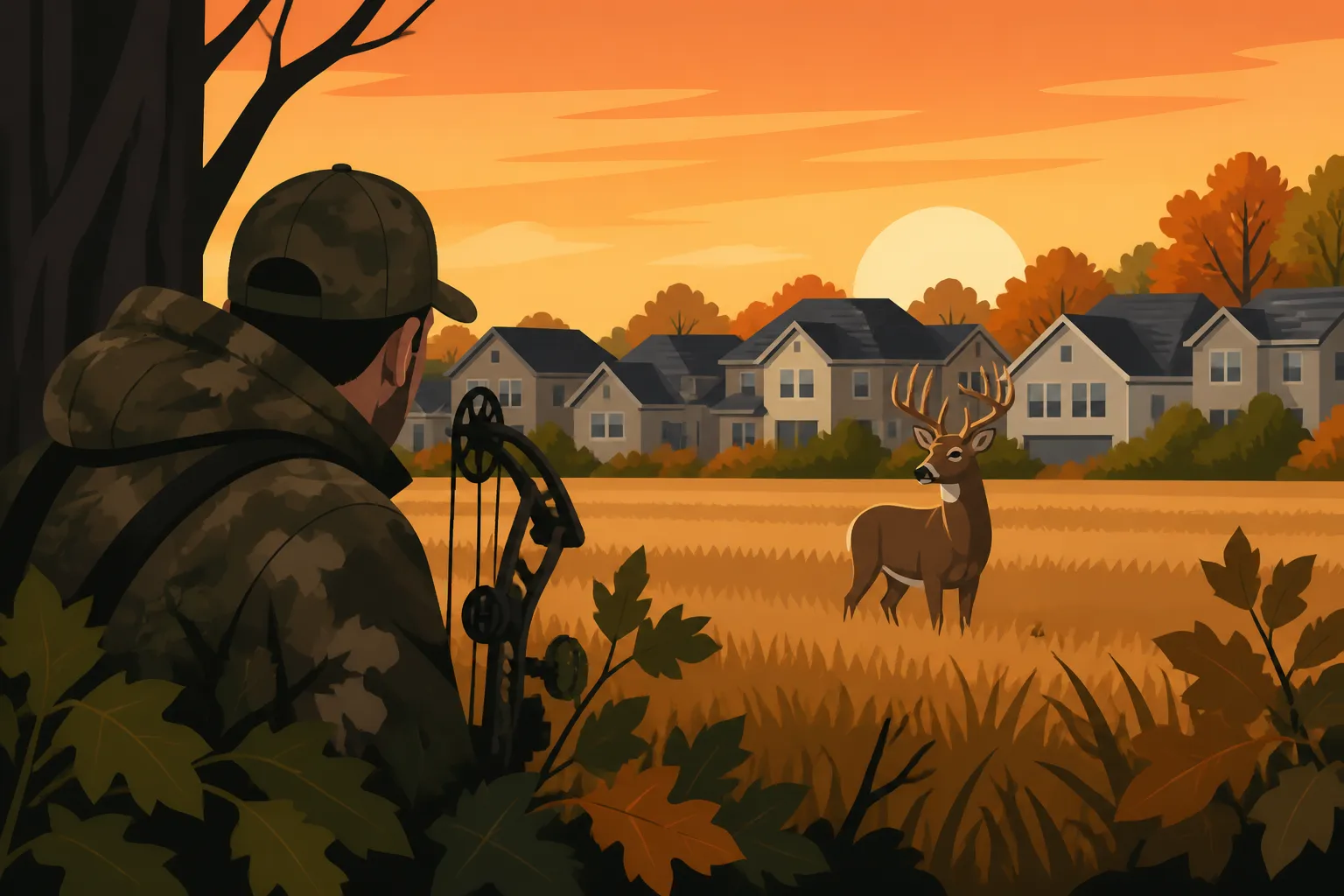
For many Maryland deer hunters, the dream involves vast timber tracts or sprawling farm fields. But the reality is, a lot of prime deer habitat often lies surprisingly close to our backyards, right on the fringes of suburbia. Hunting deer behind a housing development presents a unique set of challenges and incredibly rewarding opportunities, requiring a nuanced approach that balances safety, ethics, and a deep understanding of deer behavior. This guide will walk you through everything you need to know to successfully and responsibly pursue whitetails in these often-overlooked areas.
Understanding the Unique Challenges and Opportunities
Hunting deer in suburban landscapes isn't like heading out to a state forest in Western Maryland or sprawling agriculture fields on the Eastern Shore. It's an entirely different game, demanding adaptability, discretion, and a keen awareness of your surroundings. The deer here are often accustomed to human presence, which can be both a blessing and a curse for hunters.
Deer Behavior Near Human Habitation
Deer living adjacent to housing developments are often creatures of habit, yet incredibly wary. They quickly learn the rhythms of human activity – when people are typically out walking dogs, when kids are at school, and when the neighborhood settles down for the night. This familiarity with humans doesn't necessarily make them less cautious; rather, it often makes them experts at using cover, movement patterns, and nocturnal habits to their advantage. You might find them bedding down in surprisingly small, thick patches of woods or brush that are mere yards from homes, only to emerge under the cover of darkness to browse on manicured lawns or raid backyard gardens.
They become incredibly adept at "disappearing" during daylight hours, using drainage ditches, overgrown fencelines, and even thick shrubbery in backyards as travel corridors. Their food sources are also abundant and diverse, ranging from natural browse in fragmented woodlots to the nutrient-rich plants in suburban landscaping. This access to consistent, high-quality food can lead to healthier deer and, often, impressive antler growth, making these areas particularly attractive to hunters willing to put in the work. Understanding these unique patterns is the first step to success.
The Ethical and Public Perception Landscape
One of the biggest hurdles to hunting near residential areas isn't necessarily the deer, but the public perception. For many non-hunters, the idea of hunting so close to homes can be unsettling, even if it's perfectly legal and safe. This makes operating with the highest ethical standards and utmost discretion not just good practice, but absolutely critical for ensuring continued access. Hunters must be exceptional ambassadors for their sport, demonstrating respect for property, wildlife, and, most importantly, the non-hunting community.
This includes maintaining a low profile, especially when entering or exiting a hunting area. Avoid drawing attention to yourself, your vehicle, or your gear. Dress appropriately, keep your equipment well-maintained, and always carry out what you carry in. Recovering a downed deer needs to be handled with extreme sensitivity and efficiency, ideally out of public view if possible. When speaking with landowners or curious neighbors, be polite, articulate, and ready to explain the benefits of regulated deer management in these areas, such as reducing deer-vehicle collisions or landscape damage. A single negative incident can sour an entire community on hunting, making future opportunities scarce for everyone.
Scouting and Gaining Access
Success in suburban hunting hinges almost entirely on two factors: meticulous scouting and successfully gaining landowner permission. Without these, even the best strategies fall flat.
Identifying Potential Hunting Areas
Finding those hidden pockets of huntable land amidst a sea of houses can feel like searching for a needle in a haystack, but with the right tools and approach, it's entirely possible. Start with aerial imagery tools. Platforms like Google Maps, Bing Maps, or dedicated hunting apps such as GoHunt offer invaluable bird's-eye views that can reveal small woodlots, overgrown creek bottoms, utility easements, or larger undeveloped parcels nestled between subdivisions. Look for "green corridors" – areas that connect larger patches of woods, even if they seem narrow. These often serve as primary travel routes for deer moving between bedding and feeding areas. Pay close attention to features that might concentrate deer, such as thick cover adjacent to open fields, small ponds, or even dense patches of invasive species like multiflora rose or honeysuckle, which provide excellent bedding.
Once you've identified potential areas on a map, it's time for boots-on-the-ground scouting, but with extreme caution. This often means walking property lines (with permission, of course) or observing from public roads during non-peak hours. Look for classic deer sign: tracks, rubs, scrapes, and droppings. In suburban environments, deer often leave surprisingly obvious sign in small areas. You might find well-worn trails leading from a thicket into a backyard garden, or rubs on saplings along a property line. Remember to research Scouting Maryland Public Land With Aerial Photos techniques, as many of the principles of using satellite imagery for identifying cover, funnels, and food sources translate perfectly to private suburban parcels.
The Art of Securing Permission
This is, without a doubt, the most critical and often the most challenging aspect of hunting behind housing developments. Landowners in these areas may have never considered allowing hunting, or they may be hesitant due to liability concerns or fear of public backlash. Your approach needs to be professional, respectful, and persistent.
Start by identifying the property owner using county tax records, which are often available online. Once you have a name and address, a polite, well-worded letter of introduction followed by an in-person visit (if appropriate) is often the best strategy. In your initial contact, clearly state who you are, why you are interested in hunting their property (e.g., deer management, reducing property damage), and the specific method you intend to use (e.g., archery only). Emphasize safety protocols and your experience. Offer to help with property maintenance, such as trimming trees or clearing brush, which can be a valuable incentive for busy homeowners. This detailed approach is similar to the advice found in Getting Private Land Permission in Maryland, but with an even greater emphasis on addressing suburban-specific concerns.
Be prepared to address potential landowner concerns, especially regarding liability. In Maryland, landowners are generally protected under recreational use statutes when they allow others to use their land for hunting without charge, but it's always wise to discuss this openly. Some hunters even offer to provide a copy of their hunting license and proof of liability insurance (often included with hunting club memberships). Patience is paramount; it may take multiple attempts or discussions over several months to build the trust needed to gain access. Sometimes, starting with a smaller commitment, like allowing you to place a trail camera, can be a foot in the door. Remember, you're not just asking for a place to hunt; you're offering a service in deer management and building a relationship.
Effective Hunting Strategies in Suburban Settings
Once you've secured permission, the real work of hunting begins. Suburban deer require a specialized approach to traditional hunting tactics, focusing on minimal disturbance and maximizing short, effective windows of opportunity.
Weapon Choices and Safety Considerations
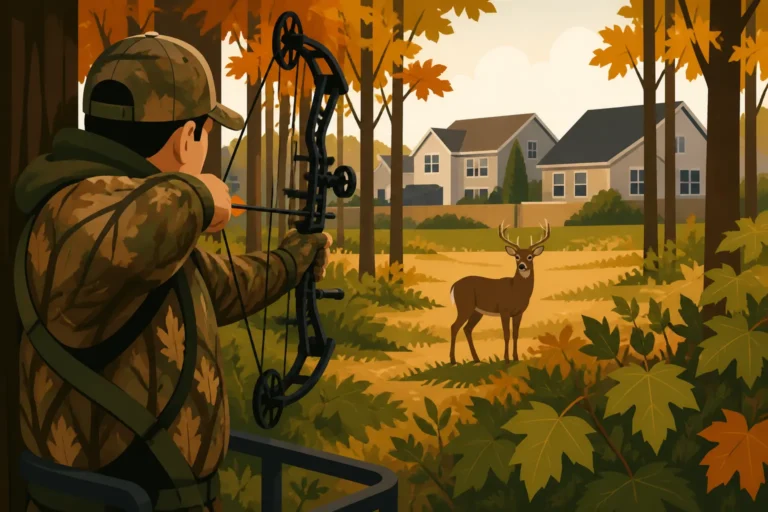
In almost all cases when hunting behind housing developments, archery equipment – a compound bow, traditional bow, or crossbow – is the most appropriate and often the only legal option. The limited range of archery equipment (typically 30-50 yards for most hunters) greatly reduces the risk of an arrow traveling beyond the intended target and into a residential area. Additionally, archery is silent, causing minimal disturbance to neighbors. Many suburban areas in Maryland, particularly those designated as "safety zones" or within specific county ordinances, restrict the use of firearms for deer hunting. For example, Bowhunting Maryland Suburbs Where Rifles Are Banned is a common scenario in places like Montgomery County or parts of Anne Arundel County. Always check local city and county regulations in addition to state hunting laws, as these can vary widely. Information on Maryland's Legal Weapons by County can provide a good starting point, but always double-check local municipal codes.
When using archery equipment, your primary consideration must be a safe shot angle and an absolute, impenetrable backstop. Never take a shot where there's any doubt about what's beyond your target. Thick woods, a significant elevation change, or a large berm can serve as excellent natural backstops. Your stand placement should always account for this. Similarly, if you're using a crossbow, be sure to understand Crossbow Season Eligibility and Age Rules in Maryland, as there may be specific requirements or considerations depending on the season and hunter's age. For the safety of the public and the preservation of hunting opportunities in these sensitive areas, the mantra "when in doubt, don't shoot" should be followed without exception.
Stand Placement and Movement
Low-impact hunting is the name of the game in suburban areas. This means minimizing your scent, noise, and visual presence. Tree stands are generally preferred over ground blinds as they get you above a deer's line of sight and often their scent cone. When placing a stand, think about prevailing winds and thermals in relation to houses and deer travel routes. You want your scent blowing away from both the deer's likely approach and any nearby homes. Consider areas that serve as "funnels" – narrow strips of woods, fencelines, or creek bottoms that naturally force deer movement into predictable paths. Even a small culvert or a gap in a hedge row can act as a crucial pinch point.
Entry and exit routes are absolutely critical. Deer in these areas are highly sensitive to human presence, so you need a way to get to and from your stand without alerting them or being seen by neighbors. This might mean walking a longer, circuitous route, using a ditch as cover, or only hunting when specific human activities (like school buses or morning commutes) create noise that masks your approach. The advice in Where to Hang a Camera on a Maryland Field Edge about minimizing disturbance around your camera setup is equally vital for your hunting stand. Always move slowly and quietly, and use a headlamp on a red light setting if moving in the dark to maintain stealth.
Timing and Patience
Suburban deer often adapt their movement patterns to human activity. This means they might be largely nocturnal, or they might move heavily during times of low human activity, like early mornings before dawn breaks or late evenings after most residents are indoors. Hunting during these twilight hours is often your best bet. However, don't discount midday movements, especially during the rut when bucks are actively searching for does, or during inclement weather. A drizzly weekday might keep most people indoors, offering a unique opportunity for deer to move more freely during daylight.
Patience is a virtue, particularly in these smaller, higher-pressure areas. You might not see a constant stream of deer, but the ones that do appear are often mature and challenging to outsmart. Extended sits become more important, allowing you to observe patterns and wait for that fleeting moment when a deer makes a mistake. The concept of how Hunting Pressure on Maryland Public Land affects deer movement translates here; these deer are pressured by constant human presence, so they are incredibly wary. A quality pair of binoculars or a spotting scope can be invaluable for quietly observing deer from a distance before making your move, helping you understand their patterns without putting undue pressure on the area.
Navigating Regulations and Community Relations
Hunting behind housing developments involves more than just understanding deer behavior; it also requires a deep dive into local laws and a commitment to being a responsible member of the community.
State and Local Ordinances
While the Maryland Department of Natural Resources sets statewide hunting seasons, bag limits, and general regulations (like Maryland's Deer Bag Limits and Antler Rule or Maryland Blaze Orange Requirements), individual counties and even specific municipalities can have additional ordinances that affect hunting. These local rules can dictate everything from legal weapons (often limiting to archery-only) to setbacks from occupied dwellings, property lines, and roads. Some areas might have specific Sunday hunting restrictions that differ from statewide rules, although many private land Sunday hunting opportunities exist.
It's absolutely crucial to consult not only the Maryland DNR Hunting Guide but also the local county government website and, if applicable, the specific municipal or city code. For example, some counties might require specific permits for deer management on private property, even if you already hold a state hunting license (Maryland Hunting Licenses and What They Cost). Ignorance of a local ordinance is not an excuse, and violating one can lead to fines, loss of hunting privileges, and, perhaps most damaging, the erosion of trust within the community. When in doubt, contact your local DNR office or county sheriff's department for clarification on specific rules pertaining to the property you intend to hunt. Always verify your information before heading out.
Building and Maintaining Positive Relationships
Securing initial permission is only the first step; maintaining that permission, and potentially gaining more in the future, relies heavily on your ongoing relationship with the landowner and the surrounding community. Think of yourself as a long-term steward of the land and a responsible advocate for hunting. This means consistently going above and beyond.
Always communicate your hunting plans with the landowner in advance. Let them know when you plan to be on their property, especially if you'll be there before dawn or after dark. If you harvest a deer, offer to share the venison. A freezer full of delicious, healthy protein can be a powerful gesture of goodwill. Be mindful of your appearance; always look presentable and approachable, especially when dealing with non-hunters. If you encounter a curious neighbor, be polite, answer questions respectfully, and calmly explain what you're doing. Remember, a good reputation spreads quickly, but so does a bad one. Consistent positive interactions can solidify your current access and even open doors to new opportunities as neighbors hear about your responsible behavior. This approach aligns with the spirit of becoming a trusted partner in local deer management, rather than just a transient hunter.
Here's a quick reference for common weapon considerations in suburban Maryland hunting scenarios:
| Weapon Type | Typical Suburban Use | Pros | Cons | Key Safety Consideration |
|---|---|---|---|---|
| Compound Bow | Primary option | Quiet, short effective range, widely accepted | Requires practice, shorter season often | Absolute backstop, limited range |
| Crossbow | Increasingly popular | Easier to learn, higher accuracy potential | May be perceived as more "weapon-like" | Same as compound bow; check local rules |
| Shotgun (Slugs) | Limited use | Longer range than bow, effective | Louder, greater projectile travel, often restricted | Strict setback rules, heavy projectile |
| Airgun | Emerging option | Quiet, no recoil, specific calibers legal | Strict caliber rules, limited effective range | Ensuring sufficient power and backstop |
Remember to always consult local county and municipal regulations in addition to state hunting laws before choosing a weapon for a specific suburban hunting location.
Disclaimer
Please note that hunting regulations, seasons, and licensing requirements in Maryland can change. It is always the hunter's responsibility to consult the most current Maryland DNR Hunting Guide and relevant local ordinances before engaging in any hunting activities. This guide is for informational purposes only and should not be considered a substitute for official legal guidance.