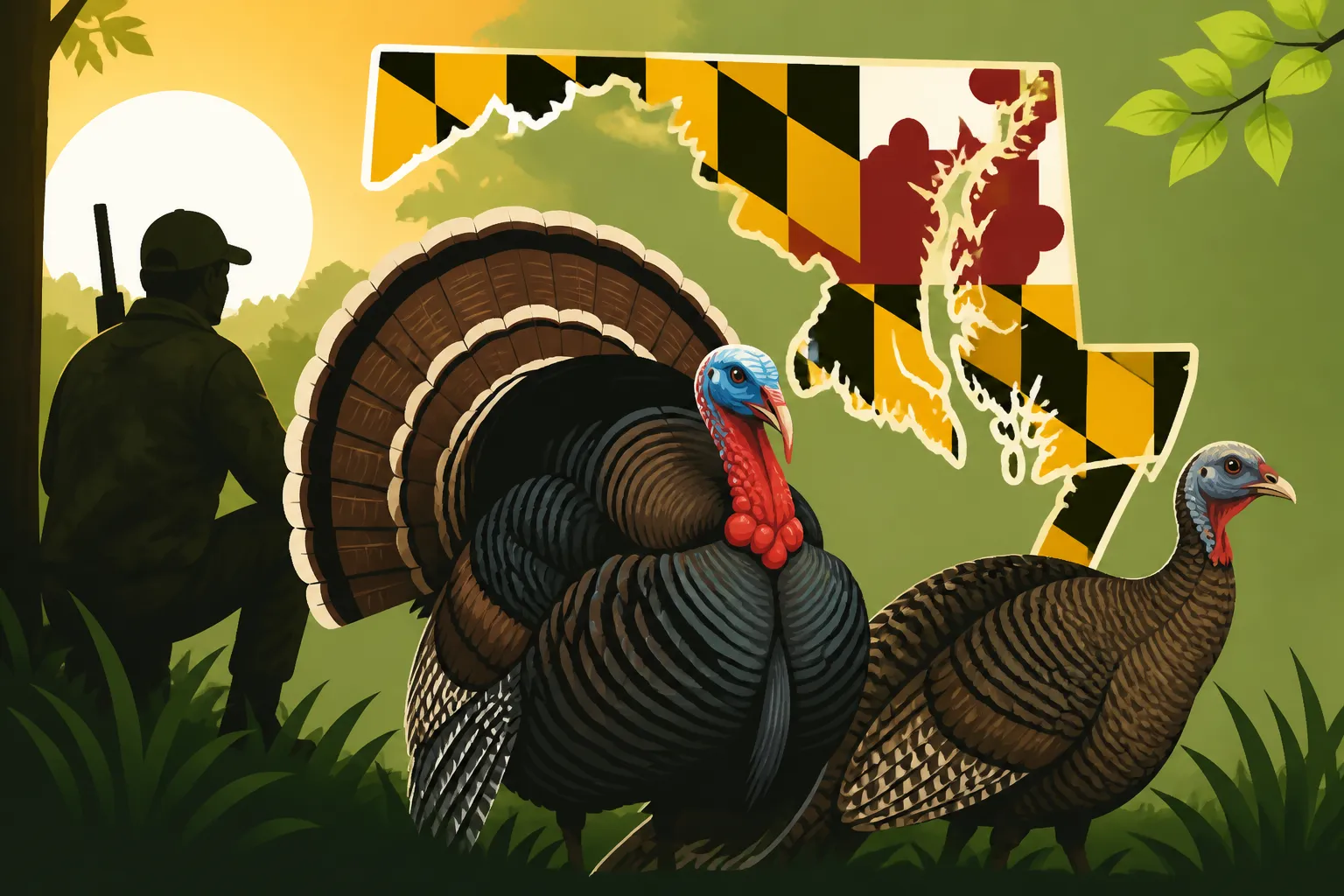
Filling a Second Spring Turkey Tag in Maryland
There’s nothing quite like the thrill of a Maryland spring turkey hunt, the anticipation as the woods wake up, and that first gobble rattles through the trees. After you've successfully tagged your first longbeard, a mix of elation and a little bit of longing often sets in, especially if you have a second tag in your pocket. The challenge then becomes, how do you go about filling that second spring turkey tag when the birds have already been hunted a bit and might not be as eager to play along? This comprehensive guide will walk you through everything you need to know to increase your chances of calling in another Maryland gobbler.
Understanding Maryland's Second Tag Opportunity
Maryland offers a fantastic opportunity for hunters with its two-gobbler limit during the spring season. However, it's not simply a matter of shooting two birds whenever you please. There are specific rules, timelines, and considerations that come into play, and understanding these is your first step toward success. Many hunters are so focused on getting that first bird, they don't fully grasp the nuances of the second tag until it's time to pursue it.
The Specifics of the Spring Turkey Bag Limit
In Maryland, the statewide spring turkey bag limit allows for two bearded turkeys per hunter. This is a pretty generous limit compared to some other states, giving us dedicated turkey hunters something truly to look forward to. However, there's a crucial stipulation: you can only harvest one bird per day. This means no double-headers, no matter how hot the action gets. If you're fortunate enough to have two gobblers come into your setup at the same time, you'll need to choose one carefully and live to hunt another day for your second tag.
The season often has specific dates and times for when you can harvest your first bird versus your second. For instance, the first week of the regular spring season might allow for one bird, with the second bird being eligible starting later in the season. Always check the current Maryland Hunting Seasons and Permits guide for the precise dates, as they can shift slightly year to year. Knowing these regulations inside and out prevents any accidental violations and ensures a legal, ethical hunt. It's a fundamental part of being a responsible hunter.
When and Where You Can Harvest a Second Bird
The spring turkey season in Maryland typically opens with a Junior Turkey Hunt Day, followed by a statewide general opener. Generally, the first gobbler can be taken any day during the established season, but the second bird often becomes available a week or so into the season, continuing through the end. This staggered approach helps manage harvest pressure and allows more birds to breed before becoming targets. It also means your strategy for the second bird might need to differ significantly from your first.
Geographically, there aren't specific county restrictions on where you can take your second bird, assuming you're hunting within legal boundaries. If you filled your first tag on the Eastern Shore, you're absolutely welcome to try your luck in Western Maryland for your second, provided you have the appropriate access and understand the local dynamics. The key is to be aware of the daily bag limit and ensure you’ve properly registered your first bird before heading out for your second. Failing to register your first kill promptly can cause issues when you try to register a second.
Legal Requirements and License Essentials
To legally pursue and harvest a second spring gobbler in Maryland, you'll need a valid Maryland hunting license, along with a Maryland Spring Turkey Permit. These are standard requirements for any turkey hunter in the state. If you haven't already obtained these for your first bird, you'll need to do so before your boots hit the dirt. There aren't usually additional stamps or permits specifically for the second bird beyond what’s required for the first.
Once you harvest any turkey, whether it's your first or second, you are legally required to register it within 24 hours. Maryland offers a convenient online registration system through the COMPASS portal or via phone. This step is critical. Not only is it legally mandated, but it also provides vital data to the Maryland Department of Natural Resources, helping them manage the state's turkey population effectively. Make sure you have your confirmation number from your first bird easily accessible; it's a good habit to keep all your hunting documentation organized.
Strategies for Locating and Calling a Second Gobbler
After the initial excitement of the season opener, and especially after you’ve tagged your first bird, turkey behavior tends to shift. Gobblers might become warier, more scattered, or simply less vocal. Filling a second tag often demands a more refined, patient, and adaptable approach. You can’t just repeat what worked on opening morning and expect the same results; those birds have likely been educated.
Shifting Tactics After Your First Bird
With your first tag punched, it’s time to assess the overall hunting pressure in your usual spots. If you harvested your first bird on heavily trafficked public land, or a farm where many hunters have been active, those remaining gobblers are probably "educated." This means they've heard a lot of calling, seen a lot of decoys, and might have even had a close call or two. Your aggressive, loud calling that worked early in the season might now scare them off.
Instead, consider a quieter, more subtle approach. Soft yelps, clucks, and purrs can often entice a wary gobbler that’s grown tired of aggressive calling. Think like a hen that's just trying to find a mate, not screaming for attention. When you're trying to fill a second spring turkey tag in Maryland, patience becomes an even greater virtue. You might spend more time listening and less time calling, allowing the birds to reveal their locations naturally. Sometimes, the best call is no call at all, just setting up quietly in a high-traffic area and waiting.
Revisiting Familiar Ground Versus Exploring New Areas
This is a classic dilemma for second-tag hunters. On one hand, you know your familiar spots. You understand the terrain, where birds roost, and their typical travel corridors. If your first bird came from a different section of a large property, or if you hunted a property that sees less pressure, it might be worth going back to other known hotspots on that same land. For example, if you were successful Roost Hunting Gobblers on Maryland Farmland, there might be another roost tree nearby holding a different bird.
On the other hand, if your usual spots are now quiet or heavily pressured, expanding your search for fresh ground can be incredibly effective. This is where a robust mapping application like GoHunt really shines. You can use it to identify new tracts of public land or potential private parcels with good turkey habitat, looking for areas with less obvious access points that might deter other hunters. Look for creek bottoms, secluded ridges, or overlooked woodlots that might harbor unpressured birds. When you’re hunting a state like Maryland, where public land can be fragmented or suburban areas are expanding, having a tool that helps you visualize the landscape can be invaluable for finding those hidden gems. Don’t be afraid to put in some legwork scouting new spots—it often pays off with a quieter, more productive hunt.
Advanced Calling Techniques for Pressured Birds
When chasing that second gobbler, standard calling might not cut it. You’re looking for a bird that’s heard it all. This is where you might need to try some less common or more nuanced calls. A jake gobble can sometimes be a powerful tool. A gobbler that’s been hesitant to come to a hen call might respond aggressively to a challenging jake, seeing it as a rival to be run off. However, use jake calls sparingly and with caution, as some dominant gobblers might stay away if they sense a fight they don't want.
Another advanced technique is soft clucking and purring combined with scratching in the leaves. This mimics a contented hen feeding, which can be incredibly reassuring to a wary gobbler. Often, late-season birds respond better to the sound of contented hens rather than excited ones. Consider how your Decoy Placement for Pressured Maryland Gobblers can complement your calling. A single hen decoy or a jake decoy placed strategically can provide a visual confirmation that backs up your subtle calling, drawing a bird into range. Remember, the goal is to make the setup look and sound as natural as possible, almost as if you’re not even there.
Overcoming Mid-Season Challenges for Success
The spring turkey season is a marathon, not a sprint. As days turn into weeks, gobblers change their patterns, breeding behavior evolves, and hunting pressure accumulates. Successfully filling a second tag means you have to adapt to these shifting dynamics and be prepared to tackle various challenges head-on.
Dealing with Gobbler Silence and Breeding Lulls
It’s a frustrating reality for many turkey hunters: you go out, the weather is perfect, and the woods are just… quiet. When Maryland gobblers go quiet, especially in mid-May, it can feel like the season has simply dried up. This often coincides with hens starting to nest, meaning gobblers have fewer reasons to seek out companionship. They might be "henned up," meaning they're already with a group of hens and won't readily leave them to investigate your calls.
During these quiet periods, traditional run-and-gun tactics might be less effective. Instead, focus on finding areas where turkeys naturally want to be: food sources, dusting bowls, strut zones, or transition areas between roosting and feeding. If you have a property that is managed for wildlife, check around potential Late Season Food Sources for Maryland Deer as these can often attract turkeys too. Long periods of observation from a hidden vantage point can reveal patterns that calling alone never would. Use your GoHunt app to mark these locations, noting any sign like droppings, tracks, or strut marks. Sometimes, just being in the right place at the right time, rather than trying to force a bird to gobble, is the best strategy.
Managing Hunting Pressure and Competition
Maryland’s public lands, while offering great opportunities, can see significant hunting pressure, especially during the peak of the season. When you’re trying to tag a second bird, the competition can feel even more intense. Other hunters might have spooked birds, set up on your spots, or simply made the turkeys warier. This is a common frustration, and it demands creative solutions.
One effective tactic is to hunt areas that are harder to access. This might mean a longer walk, crossing a tricky creek, or navigating dense cover that most hunters avoid. For example, if you are hunting in Western Maryland, consider Still-Hunting Western Maryland Mountain Timber in steeper terrain where fewer hunters venture. Another strategy is to hunt later in the day. Most hunters pack up around noon, leaving the afternoon open. While gobbling activity typically slows down, a lone gobbler looking for hens in the afternoon can still be called in, especially if the pressure has eased. Understanding Maryland Shooting Hours and Legal Light is crucial for maximizing your time in the woods while staying legal. Being patient and hunting smart, rather than simply hunting hard in pressured areas, is key.
Weather Adaptations and Post-Rain Strategies
Weather plays a huge role in turkey behavior, and ignoring it can sink your chances of a second bird. Strong winds, heavy rain, or sudden cold snaps can all affect how and when gobblers vocalize and move. On windy days, gobblers are less likely to gobble, as their calls don't carry as far, and they might feel less secure. In these conditions, focusing on roosting areas or tight, sheltered creek bottoms where sound might travel better can be effective.
Post-rain hunting can be particularly productive. After a good downpour, gobblers often hit the ground gobbling, eager to dry off and resume their breeding activities. The damp ground can also make it easier for you to move quietly, as the rustle of dry leaves is silenced. Look for birds in open fields, along logging roads, or in areas with sparse undergrowth where they can dry out in the sun. Be prepared for mud and wet conditions, but know that these times often present some of the best opportunities for a second bird. Remember to keep your calls dry and in working order, as moisture can affect their sound.
Here’s a quick comparison of strategies for your first versus your second spring gobbler:
| Feature | First Gobbler Strategy (Early Season) | Second Gobbler Strategy (Mid to Late Season) |
|---|---|---|
| Gobbler Behavior | Often vocal, less wary, actively seeking hens. | Warier, potentially henned up, less vocal, educated. |
| Calling | Aggressive, loud, multiple hen calls, cutting. | Subtle, soft clucks, purrs, soft yelps, jake gobbles (cautious). |
| Scouting | Pre-season roost scouting, listening for morning gobbles. | Focus on feeding areas, dusting bowls, strut zones, travel corridors. |
| Hunting Pressure | Can be high, but birds might be less wary. | Often very high, requires finding unpressured areas or alternative times. |
| Movement | Run-and-gun, aggressive setups, close distance. | Patient, sit-and-wait, long-range observation, stealthy movement. |
| Decoys | Active hen/jake combo to draw attention. | Single hen or jake, subtle, realistic setup. |
| Location Focus | Known roost sites, field edges, easy access. | Harder-to-access public land, remote private parcels, overlooked pockets. |
This journey to fill a second tag is often where you truly hone your turkey hunting skills. It requires more patience, more woodsmanship, and a deeper understanding of turkey behavior. By adapting your approach and leveraging tools like GoHunt for scouting, you significantly increase your odds of punching that second Maryland spring turkey tag. Good luck out there!
Disclaimer
Hunting is an inherently dangerous activity. This guide provides general information and strategies, but individual results may vary. Always prioritize safety, adhere to all Maryland hunting regulations, and be aware of your surroundings. It is the hunter's responsibility to understand and comply with all applicable laws and to hunt ethically and responsibly.