Hunting Pressure on Maryland Public Land
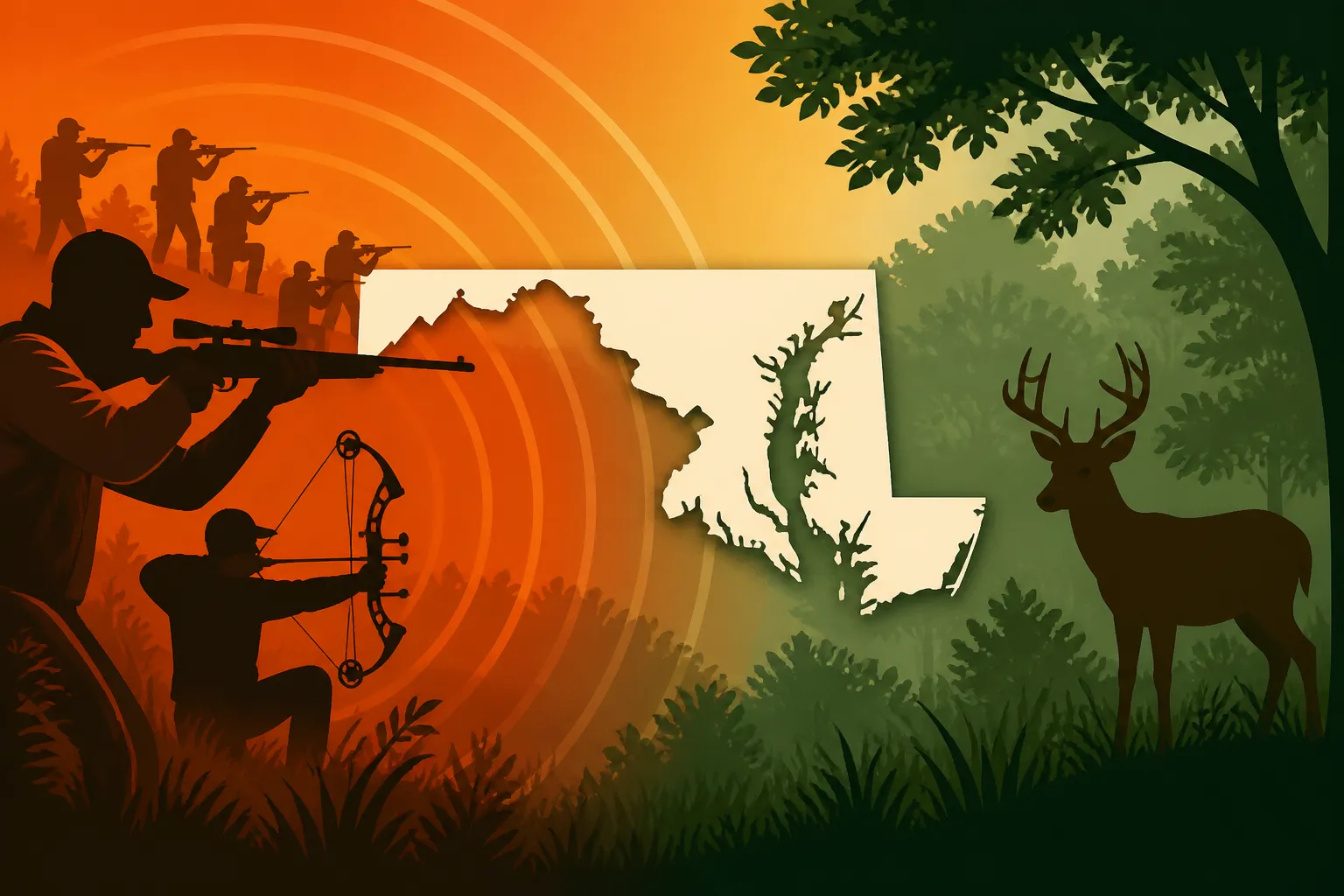
It’s a tale as old as time, or at least as old as hunting: you spent weeks scouting, marked your maps, woke up before dawn, and hiked into what you thought was a pristine stretch of public land, only to find another hunter's truck already parked at your spot. Or worse, you hear the distant echoes of voices and slamming truck doors as the woods slowly come alive with other folks just like you. The truth is, finding unpressured ground on Maryland's public lands can feel like searching for a needle in a haystack, especially during peak seasons. This guide is here to help you navigate the realities of hunting pressure, offer actionable strategies to find those elusive quiet corners, and give you the tools to increase your odds of success.
Understanding the Reality of Public Land Pressure in Maryland
Let's face it, Maryland is a relatively small state with a sizable population, and that means our public hunting lands often see a lot of foot traffic. It's not a criticism; it's just the reality of the situation. When you combine passionate hunters with limited access to private land, public properties become magnets.
The Inevitable Crowds and Their Impact
Whether you’re talking about the vast tracts of Green Ridge State Forest out west, the sprawling marshes of Fishing Bay Wildlife Management Area, or the smaller, more accessible woodlots closer to population centers, pressure is a factor. During popular seasons, like the archery opener or the various firearms splits, you can almost guarantee that every easily accessible parking area will have trucks lined up. This isn't just a mild inconvenience; it fundamentally changes how game animals behave.
Deer, for instance, quickly learn to avoid human activity. They become more nocturnal, moving primarily under the cover of darkness. They'll gravitate towards the thickest, nastiest cover they can find – the kind of stuff most hunters just aren't willing to push through. Turkeys become wary, gobbling less frequently and becoming extremely sensitive to calling. Waterfowl, too, will alter their flight paths, using escape routes or rafting up in areas where they feel safe from constant harassment. This cumulative effect makes hunting exponentially tougher, turning what could be an enjoyable day into a frustrating exercise in dodging other hunters.
Identifying High-Pressure Areas
It doesn't take a rocket scientist to figure out where most hunters are going to be. Think about the easiest places to get to:
- Near Paved Roads and Parking Areas: Any spot within a quarter-mile of a parking lot or pull-off is likely to see significant pressure. The vast majority of hunters simply don't walk much further than that.
- Well-Maintained Trails and Fire Roads: These are highways for hunters. While they offer easy access, they also lead to heavily disturbed areas where game animals are constantly on edge.
- Obvious Funnels and Pinch Points: That perfect looking saddle or creek crossing visible from the road? Everyone else sees it too. These spots get hammered.
- Known "Hot Spots": Local lore and online forums often point to specific areas as prime hunting grounds. The problem is, once a spot becomes "known," it quickly becomes "pressured."
Even within larger areas, certain sections will experience more pressure than others. For example, some of the more accessible sections of Blackwater National Wildlife Refuge (which has specific permit hunts) or parts of the Patuxent River Corridor might see a surge of hunters, especially on weekends. Meanwhile, other, less obvious parcels of public land, or harder-to-reach corners within those same popular areas, might offer a surprisingly quiet experience if you're willing to work for it.
Strategies to Mitigate Hunting Pressure and Find Solitude
So, how do you escape the crowds and find your own slice of quiet hunting heaven? It usually comes down to effort, timing, and thinking outside the box.
Hunting Deeper and Harder
This is the golden rule for beating pressure. Most hunters, understandably, want to put in minimal effort for maximum reward. That means they stick close to easy access points. To find solitude, you have to go where others won't.
Consider the terrain. Are there steep ravines, dense thickets, or swamps that make for difficult walking? These are often natural barriers that filter out the casual hunter. If you’re willing to hike an extra mile (or two, or three!) away from the road, or navigate challenging topography, your chances of encountering unpressured animals skyrocket. In Western Maryland's mountains, this might mean truly getting into the backcountry, beyond the first few ridges. Think about areas where Still-Hunting Western Maryland Mountain Timber becomes a necessity, requiring you to quietly stalk through remote sections. For those hunting the Eastern Shore marshes, it means putting in the effort to access spots that require specialized gear or a boat, like truly Wading Into a Dorchester Marsh Before Daylight to reach a secluded island. It's not always comfortable, but it often pays off.
Timing Your Hunts Strategically
Another highly effective way to avoid pressure is to hunt when others aren't. Weekends and opening days are always the most crowded. If your schedule allows, hunting mid-week, especially Tuesday through Thursday, can dramatically reduce the number of fellow hunters you encounter. Many hunters use their vacation days for the first few days of a season and then return to work, leaving the middle of the week much quieter.
Weather also plays a huge role. Most hunters shy away from truly miserable conditions – pouring rain, heavy snow, or bitterly cold temperatures. But these are precisely the days when you might find the woods to yourself. Animals still need to eat and move, and with less human disturbance, they might be more active. A sudden Hunting After a Maryland Cold Front can also change deer movement patterns, pushing them to seek out new food sources and making them less predictable for other hunters, but potentially offering you a unique opportunity. Early morning and late evening are popular, but the middle of the day, particularly after the initial morning rush, can often be surprisingly productive on pressured ground, as deer that were pushed by others might settle down in thickets.
Targeting Overlooked Habitat Types
While everyone else is focusing on the sprawling cornfields or obvious oak flats, think about the less glamorous, often overlooked habitat types that still hold game. These might be small, isolated pockets that don't look like much on a map, but offer perfect sanctuary for animals.
This could include tiny, brushy woodlots tucked away behind housing developments or industrial parks, small stream bottoms, or neglected thickets along fencerows. On the Eastern Shore, look for those small, elevated pine islands within large marsh systems, or even sections of dense phragmites that seem impenetrable to the casual eye. These areas, while sometimes harder to hunt, often provide excellent cover for deer and sika that are trying to escape pressure. If you can identify and access a secluded Hunting a Loblolly Pine Island in the Marsh, you might find a stag that no one else has even seen. It takes some creative thinking, but these are the places where animals can truly relax.
Leveraging Technology and Scouting for Unpressured Spots
In today's hunting world, technology isn't just a convenience; it's a vital tool for gaining an edge, especially on public land. Paired with old-fashioned boots-on-the-ground scouting, it can help you pinpoint those hidden gems.
Using Digital Mapping Tools for Pre-Season Scouting
Modern mapping applications are a game-changer. Tools like GoHunt allow you to scrutinize public land from the comfort of your home, identifying potential areas of low pressure long before you ever set foot in the woods. You can overlay aerial imagery with property boundaries, topo maps, and even historical satellite data.
Here's how to use them:
- Identify Access Points: Look for all the official parking areas and public access points. Then, critically, look for the areas furthest away from these.
- Analyze Topography: Steep hills, drainages, and deep ravines that create natural barriers are excellent indicators of less-pressured areas. Mark these on your map.
- Find Thick Cover: Zoom in and identify dense, dark green areas on the satellite imagery. These are typically thickets, swamps, or young clear-cuts that offer impenetrable cover. Animals pushed by hunters will gravitate to these spots.
- Look for Water Barriers: Creeks, rivers, and marsh guts can be challenging to cross, creating natural zones of low pressure. If you're willing to wade or use a small boat, these areas can be incredibly productive.
- Identify Bottlenecks and Funnels: Even in pressured areas, animals still need to travel. Use your map to find subtle funnels – perhaps a narrow strip of timber between two fields, or a small saddle on a ridge – that are difficult to access or don't look obvious from the main trails. Scouting Maryland Public Land With Aerial Photos allows you to see these patterns without burning fuel. GoHunt's mapping features are particularly helpful for this detailed analysis.
By meticulously studying these digital maps, you can develop a shortlist of potential hunting spots that most other hunters will likely overlook due to perceived difficulty or lack of obvious access.
Boots-on-the-Ground Reconnaissance
As valuable as digital scouting is, nothing beats putting boots on the ground. Once you’ve identified potential low-pressure areas on your map, it’s time to verify. This isn't just about confirming what you saw on the screen; it's about finding fresh sign, understanding current game movement, and learning the nuances of the terrain.
During your scouting trips, pay close attention to:
- Sign of Other Hunters: Look for old flagging tape, well-worn trails that aren't marked on your map, old treestand straps, or even discarded trash. These are clear indicators of past or present hunting pressure. If you find too much, move on to another potential spot.
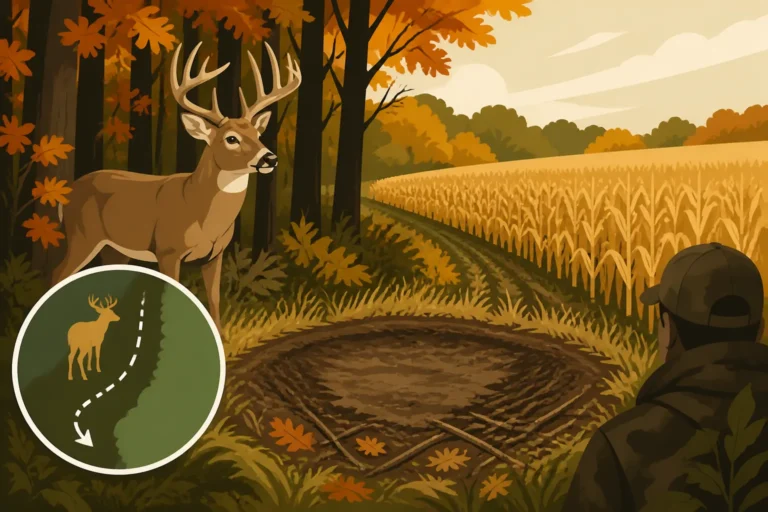
- Fresh Game Sign: Look for fresh tracks, droppings, rubs, and scrapes. These tell you where animals are currently moving and feeding. In thicker areas, you might need to really work to find these, but their presence in a secluded spot is a great sign. Learning to distinguish fresh sign from old is key to Reading Sign in Maryland Mountain Timber effectively.
- Bedding Areas and Escape Routes: Try to identify where deer are bedding, especially in relation to thick cover and potential escape routes. Pressured deer will often bed in the thickest, nastiest cover during the day and only move into more open feeding areas after dark.
- Food Sources: What are the animals currently eating? Is it acorns, browse, specific types of marsh vegetation, or agricultural crops nearby? Knowing this helps you understand their daily patterns.
The more you scout, the better you’ll become at Finding Maryland Ground Others Walk Past. A combination of GoHunt's mapping capabilities and dedicated foot scouting will give you a significant advantage.
Adapting Your Hunting Tactics to Pressure
Even with the best scouting and timing, you'll still encounter some level of pressure. The key is to adapt your tactics to hunt smarter, not necessarily harder.
Adjusting Deer Behavior Expectations
Forget about deer parading past you in open timber during daylight hours on pressured public land. You need to adjust your expectations and strategies.
- Focus on Travel Corridors, Not Just Food Sources: Pressured deer often move discreetly between bedding areas and food sources, using thick cover and terrain features. Instead of sitting right on a food plot (if public land even has one) or field edge, position yourself along the subtle funnels and pinch points they use to get there. Consider how they use creek bottoms or small draws to navigate through an otherwise open woodlot. For instance, Working a Ridge Saddle for Rutting Bucks can be highly effective, as bucks will still check these natural travel routes even when pressured.
- Hunt Bedding Areas (Ethically and Safely): This is a nuanced approach and requires extreme caution. Instead of waiting for deer to hit a food source, you might try to intercept them near their bedding areas as they begin to stir in the late afternoon, or quietly still-hunt through thick cover where they might be bedded during the day. This is an aggressive tactic and requires meticulous wind planning and stealth. Never pressure a bedding area repeatedly.
- Embrace Still-Hunting: Instead of sitting in a static stand all day, develop your still-hunting skills. Moving slowly and deliberately through thick cover, pausing frequently to observe and listen, allows you to cover more ground and potentially jump deer that other hunters have pushed. This is particularly effective in areas like Still-Hunting Western Maryland Mountain Timber, where the topography can help conceal your movements.
Changing Approach for Turkeys and Waterfowl
Deer aren't the only game animals affected by pressure. Turkeys and waterfowl also develop wariness, requiring different strategies.
- Pressured Turkeys are Call-Shy: On public lands, gobblers hear a lot of calling. They become "call-shy" and won't respond to aggressive hen yelps. Instead, try softer, more subtle calls – clucks, purrs, and soft tree yelps. Sometimes, no calling at all is the best calling. Find a quiet ambush point along a known travel route and wait them out. Remember, Decoy Placement for Pressured Maryland Gobblers is also crucial; often, a single hen decoy or no decoy at all is better than a full spread that might spook a wary bird.
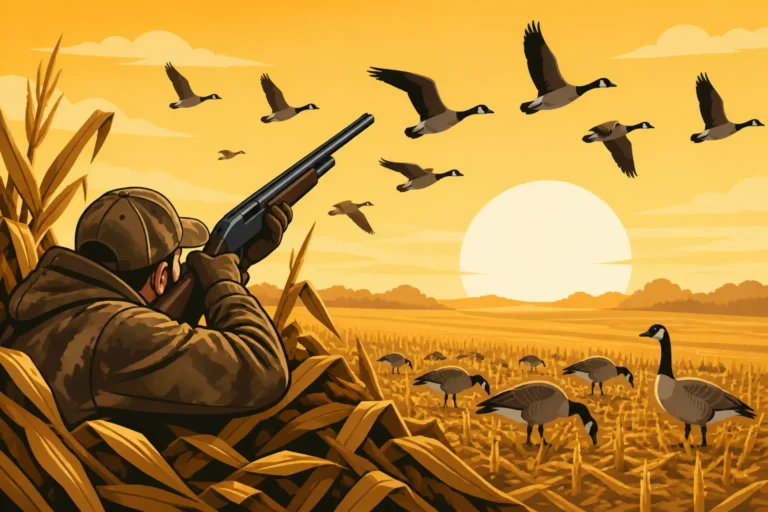
- Waterfowl Avoid Common Blind Setups: If you're hunting ducks or geese on public waterways or fields, standard blinds and decoy spreads might not cut it. Birds that have been shot at repeatedly will flair from anything that looks unnatural. Try to use natural cover to your advantage, or employ a low-profile layout blind. Observe flight patterns before setting up; sometimes, just shifting your blind 50 yards can make all the difference. Knowing how to adapt to conditions when Hunting a Chesapeake Bay Blind at First Light means understanding bird behavior, not just blind placement. Look for less accessible coves or shallow areas that boats might avoid, or small pockets of flooded timber.
Focusing on Small Game and Predators
Don't overlook small game and predators. While not everyone's primary target, pursuing these species can still offer a fantastic hunting experience, often with less competition.
- Squirrels and Rabbits: Many deer hunters walk right past prime squirrel and rabbit habitat without a second thought. Targeting these species can lead you to less-pressured corners of public land. Early season squirrel hunting can be a fantastic way to scout for deer sign while still having an active hunt.
- Coyotes and Foxes: Predators are abundant across Maryland and their hunting seasons are often open for longer periods or have fewer restrictions. Calling coyotes, for example, can be an exciting challenge, and you're likely to have the woods to yourself. Plus, removing some predators can potentially benefit local deer and turkey populations.
By diversifying your approach and thinking beyond just deer, you can find fulfilling hunting opportunities on Maryland public land throughout the year, often in spots that other hunters completely ignore. Remember to always check current regulations and obtain any necessary Maryland Public Land Hunting Permits before heading out.
| Strategy Type | Key Tactics | Why it Works | Best Suited For |
|---|---|---|---|
| Effort-Based | Hike further, navigate difficult terrain, cross water | Most hunters avoid discomfort and physical exertion, leaving these areas quieter and less disturbed. | Large WMAs, State Forests (Green Ridge, Savage River) |
| Timing-Based | Hunt weekdays, bad weather, mid-day, late season | Fewer hunters are willing or able to hunt outside peak times or comfortable conditions. | All public lands, especially during popular seasons |
| Habitat-Based | Target thickets, swamps, small isolated woodlots | These areas offer ideal sanctuary for pressured game but are often overlooked or deemed "too thick" to hunt. | Marshes (Fishing Bay), dense regeneration areas, small woodlots |
| Technology-Driven | Use GoHunt for aerial maps, topo, property lines | Identify overlooked access points, terrain features, and remote pockets before ever setting foot in the woods. | All public lands |
| Tactics-Driven | Still-hunt, focus on subtle funnels, soft calling | Adapts to game behavior changes caused by pressure; intercepts animals where they feel safest. | Anywhere game is wary due to human activity |
Disclaimer
Please be aware that hunting regulations, seasons, and public land access rules in Maryland can change. Always consult the official Maryland Department of Natural Resources (DNR) website or the current Hunting & Trapping Guide before planning any hunt to ensure you have the most up-to-date information and comply with all laws.