Maryland’s Secondary Bear Lottery
Getting a bear permit in Maryland can feel like winning the actual lottery, especially with the limited opportunities and high demand. It's truly disheartening to go through the primary application process, hope against hope, and then see that "unsuccessful" message. But don't despair! For those who miss out on the initial draw or simply want another chance, Maryland's Secondary Bear Lottery offers a glimmer of hope. This comprehensive guide will walk you through everything you need to know about this crucial second opportunity, from eligibility and application steps to what happens if you actually draw that coveted tag.
Understanding Maryland's Bear Hunting Permit System
The pursuit of black bears in Maryland's beautiful western counties is a dream for many hunters, but the reality is that opportunities are tightly controlled. The state manages its growing bear population through a carefully designed permit system, primarily to ensure sustainable harvest and mitigate human-bear conflicts. While the bear population has expanded and now covers more ground, the actual huntable areas and the number of permits issued remain quite conservative, making every single tag highly sought after.
The Primary Bear Lottery: A Tough Draw
Each year, the Maryland Department of Natural Resources (DNR) opens a window for hunters to apply for a permit in the primary bear lottery. This is where most hunters throw their hat in the ring, hoping to secure one of the precious few permits. The demand far outweighs the supply, leading to notoriously low draw odds. Hunters carefully consider the available permits, often divided by management zones, and apply for their preferred area. It's a stressful time, filled with anticipation, and unfortunately, many dedicated hunters walk away disappointed, left to wonder if they'll ever get a chance. This initial lottery is designed to distribute the majority of the available permits, laying the groundwork for the season's management goals. Understanding how competitive this process is helps to underscore why the secondary lottery is such a vital component of the overall system for aspiring bear hunters.
Why a Secondary Lottery Exists
So, why bother with a secondary lottery if the primary one is already so stringent? The simple truth is that sometimes, not all of the permits allocated during the primary draw are claimed or fully utilized. Life happens; hunters might have unexpected conflicts, or perhaps they applied on a whim and didn't follow through. Whatever the reason, these unclaimed or un-drawn permits represent lost opportunities to meet the state's harvest objectives for the bear season. The DNR uses the secondary lottery as a crucial mechanism to reallocate these remaining permits, ensuring that the maximum number of tags are in hunters' hands and that the designated harvest quota for specific management zones can still be met. This second chance helps to maximize hunter opportunity and aids in the overall management strategy for Maryland's Black Bear Lottery. It’s not just about giving hunters another shot; it’s about making sure the state’s population management goals are achieved effectively. Without it, valuable permits might go unused, undermining conservation efforts and the potential to manage local bear populations.
Navigating the Secondary Bear Lottery Application Process
Applying for the secondary bear lottery can feel a bit like a whirlwind, especially if you're already familiar with the primary draw. While the core process is similar, there are distinct differences in timing and availability that require careful attention. Missing a deadline or misunderstanding eligibility can cost you that precious second chance, so it's vital to be on top of the details.
Eligibility and Key Dates
First and foremost, who can actually apply for the secondary lottery? Typically, anyone who is legally eligible to hunt in Maryland and possesses the necessary licenses can apply, regardless of whether they applied or were successful in the primary lottery. However, it's worth noting that if you did draw a permit in the primary lottery and accepted it, you generally won't be eligible for the secondary draw in the same year. The intent of the secondary lottery is to distribute unclaimed permits, not to give successful hunters a second tag. Always confirm the most current eligibility rules directly with the Maryland DNR, as they can sometimes change.
The key dates for the secondary lottery are critically important and often occur much closer to the actual bear season than the primary draw. Application windows are usually quite short, sometimes only a week or two. Results are typically announced quickly thereafter, leaving successful applicants with a relatively short timeframe to prepare for their hunt. It's absolutely essential to stay informed by checking the official Maryland DNR website regularly. Many hunters also find platforms like GoHunt invaluable for keeping track of these dynamic dates and getting real-time updates on application periods and results. Missing these narrow windows means missing your chance entirely, so mark your calendars and set those reminders!
Step-by-Step Application Guide
Once the application window for the secondary lottery opens, the process is largely handled through Maryland's online COMPASS portal. If you've ever purchased a hunting license or applied for another permit in Maryland, you'll find the interface familiar. Here’s a general rundown of the steps you’ll likely follow:
- Access the COMPASS Portal: Navigate to the official Maryland DNR COMPASS website. You'll need your existing login credentials. If you don't have an account, you'll need to create one, which usually involves providing personal information and purchasing a basic Maryland Hunting Licenses and What They Cost.
- Locate the Bear Lottery Application: Within your COMPASS account, look for the "Licenses and Permits" or "Lottery Applications" section. The secondary bear lottery application will be listed there during its open period. Be sure to select the secondary lottery, as it's distinct from the primary.
- Review Available Zones/Counties: The secondary lottery permits are often for specific bear management zones or counties where permits remain. You'll need to select your preferred zone. This is crucial because bear hunting opportunities are concentrated in specific Western Maryland counties like Garrett, Allegany, Washington, and Frederick. Pay close attention to which zones have available permits, as this information is updated based on the primary draw.
- Pay the Application Fee: There's typically a non-refundable application fee. This fee helps cover the administrative costs of running the lottery. Ensure you have a valid payment method ready to complete this step. The system will guide you through the payment process.
- Confirm Your Application: Before finalizing, double-check all your information, especially the chosen zone. Once submitted, you'll usually receive a confirmation email or a confirmation number. Keep this handy for your records.
It’s always a good idea to perform these steps well before the deadline, just in case you encounter any technical issues or need to clarify something with the DNR. Many experienced hunters find that mapping tools provided by services like GoHunt can help them visualize the different bear management zones and make an informed decision about where to apply, especially if they are considering Hunting Maryland's Western Mountain Forests.
Understanding Preference Points
When we talk about hunting lotteries, preference points often come up, and it's natural to wonder how they factor into the secondary bear lottery. For Maryland's primary bear lottery, a system of Maryland Bear Preference Point Rules is in place. Essentially, for every year you apply for the primary lottery and are unsuccessful in drawing a permit, you accrue a preference point. These points are designed to increase your odds in subsequent primary draws, giving long-term applicants a better chance over time.
However, it's very important to understand that preference points typically do not apply to the secondary bear lottery. The secondary lottery operates on a different premise: it's a draw for leftover permits, usually conducted with a clean slate for all eligible applicants. While the exact rules can sometimes vary slightly, you generally won't use accumulated preference points to boost your odds in the secondary draw. Your application in the secondary lottery is essentially a fresh entry, treated equally among all other eligible applicants.
This distinction is crucial for managing expectations. While accruing preference points for the primary lottery is a long-term strategy, the secondary lottery is a more immediate, single-shot opportunity. If you're unsuccessful in the primary draw, the secondary lottery offers a chance for that year, but it doesn't utilize or build upon your existing preference points. Those points are still valuable, of course, as they continue to increase your chances for the next year's primary lottery, but they don't influence your success in the secondary draw for that specific year.
Counties Involved and Permit Distribution
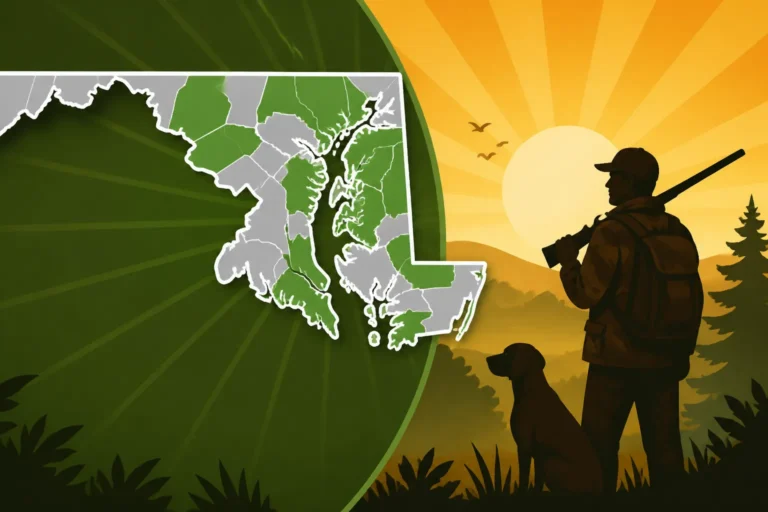
Maryland's bear population, while growing, is primarily concentrated in the westernmost counties of the state. As such, bear hunting opportunities are strictly limited to these areas. Understanding which counties are involved in the secondary lottery and how permits are distributed is key to maximizing your chances and preparing for a potential hunt.
Geographic Focus of the Secondary Lottery
The secondary bear lottery, just like the primary, focuses exclusively on the four Western Maryland counties where bear hunting is currently permitted:
- Garrett County: This is often considered the heart of Maryland's bear country. With vast tracts of public land, including Savage River State Forest and Garrett State Forest, it consistently holds the largest bear population and receives the highest number of permit allocations. It's a rugged, mountainous area, and bears thrive in its dense timber and remote hollows.
- Allegany County: Directly east of Garrett, Allegany County also boasts significant bear habitat, particularly in areas like Green Ridge State Forest. While perhaps not as dense in bear numbers as Garrett, it still offers excellent opportunities, especially in its more remote public and private timberlands.
- Washington County: Moving further east, Washington County has a smaller but still viable bear population, especially in its western and northern reaches, bordering Allegany and Pennsylvania. Opportunities here can be more scattered, often closer to agricultural lands and state parks.
- Frederick County: This is the easternmost county in which bear hunting is allowed. Bear populations here are less dense and more localized, often associated with areas like Catoctin Mountain and South Mountain. Frederick typically receives the fewest permits, reflecting its lower bear density compared to its western counterparts.
The reason these counties are chosen is straightforward: they contain the habitat necessary to sustain healthy bear populations. The mountainous terrain, extensive timber, and a mix of public and private lands provide ample food, cover, and denning sites for black bears. The secondary lottery specifically targets these areas to fill any remaining permit quotas within the established bear management zones. This ensures that the state can continue its responsible management of the species, balancing population health with regulated hunting opportunities.
Permit Numbers and Allocation
The number of permits available in the secondary bear lottery is not a fixed figure; it's a dynamic number that directly depends on the outcome of the primary draw and the state's ongoing bear management objectives. Here's how it generally works:
- Unclaimed Primary Permits: After the primary lottery results are announced, there's typically a period for successful applicants to claim and purchase their permits. Any permits that are not claimed during this window become available for the secondary lottery. This is the primary source of secondary lottery permits.
- Quota Adjustments: Occasionally, the DNR might make slight adjustments to the total permit quota for a specific zone based on new population data or harvest goals. While less common, this could potentially influence the number of permits available in the secondary draw.
- Zone-Specific Availability: It's crucial to understand that permits are almost always allocated by specific bear management zones, which roughly align with the counties mentioned above. This means that one county might have a few leftover permits, while another might have none. Hunters applying for the secondary lottery must select the zone where permits are available. This information is typically provided by the DNR during the application period.
For example, if Garrett County had 150 permits allocated in the primary draw and only 140 were claimed, those 10 unclaimed permits would likely go into the secondary lottery. Allegany County might have had 50 permits, with 49 claimed, leaving 1 for the secondary. Therefore, the actual number of permits in the secondary lottery is almost always significantly lower than the primary draw, making it highly competitive despite being a "second chance." Hunters should always check the official DNR announcements for the most up-to-date information on permit numbers and zone availability before applying. This detailed allocation strategy is part of the larger framework for Black Bear Hunting in Western Maryland, ensuring that the harvest aligns with scientific management principles.
Preparing for Your Secondary Lottery Bear Hunt
So, you've beaten the odds and drawn a secondary bear lottery permit – congratulations! Now the real work begins. Unlike the primary draw, which gives you more time, the secondary lottery often means you're operating on a tighter schedule. This makes efficient preparation absolutely critical for a safe and successful hunt.
Essential Licenses and Requirements
First things first, make sure all your paperwork is in order. A bear permit is great, but it's useless without the foundational licenses:
- Maryland Hunting License: You must possess a valid Maryland hunting license. This is your baseline requirement for all hunting in the state. If you haven't bought yours yet, do it immediately through the COMPASS system.
- Archery or Muzzleloader Stamp (if applicable): While rifles are common in bear country, if you plan to hunt with a bow or muzzleloader during the bear season, you will also need the corresponding stamps. Ensure these are purchased and valid.
- Maryland Hunter Education Certificate: This is non-negotiable. If you were born after July 1, 1971, you must have successfully completed a Maryland Hunter Education Requirements course. For bear hunting specifically, even if you are exempt from hunter education for other reasons (like being a landowner), you must complete a bear hunter education course. This course covers bear biology, habits, identification, and crucial safety protocols unique to bear hunting. This is a vital step and cannot be skipped.
- Blaze Orange Requirements: Safety is paramount. While Maryland has specific Maryland Blaze Orange Requirements for firearms hunting, remember that during bear season, if you're hunting deer in areas open to bear hunting, you still need to adhere to blaze orange rules. For firearms bear hunting, generally, you'll need to wear at least 250 square inches of blaze orange or pink on your head, chest, and back. Always double-check the specific regulations for the current season.
Don't wait until the last minute to get these in order. Having all your documentation ready means you can focus on the exciting part: the hunt itself!
Scouting and Strategy in Secondary Lottery Counties
Drawing a secondary lottery permit often means you have less lead time than primary lottery recipients. This makes efficient scouting and a solid hunting strategy even more crucial.
- Target Specific Public Lands: Since most bear hunting in Maryland occurs on public land, focus your efforts on the vast tracts available in the western counties. Places like Hunting Maryland's Savage River State Forest, Hunting Maryland's Green Ridge State Forest, and other Wildlife Management Areas (WMAs) are prime bear habitat. Use aerial maps and mapping tools like those offered by GoHunt to identify potential travel corridors, dense bedding areas, and water sources. Look for areas with a mix of mature hardwoods (for acorns), conifer stands for cover, and riparian zones.
- Focus on Food Sources: Bears are driven by food. Depending on when the season falls (which is usually in October), hard mast like acorns will be a primary draw. Look for oak ridges and flats where acorns are dropping. If the acorn crop is poor, bears will shift to soft mast (berries, grapes, apples) or even agricultural fields, especially cornfields. Scouting Bear Sign in Garrett County involves not just looking for tracks and scat, but identifying these crucial food sources.
- Observe Bear Sign: Once on the ground, look for fresh bear sign:
- Tracks: Look for large, five-toed tracks, often with distinct claw marks.
- Scat: Bear droppings vary widely based on diet. Scat full of berries or corn indicates feeding activity.
- Scratches/Rubs: Bears will rub against trees, often leaving hair, and scratch bark, especially on smooth-barked trees like beech.
- Dens: While unlikely to find an active den during hunting season, old denning areas can indicate historical bear use.
- Consider Bear Movement Patterns: Bears typically move most actively during early morning and late evening. They will often travel between bedding areas (dense cover) and feeding areas. Understanding topography and wind direction is vital for setting up an ambush or conducting a still-hunt. Remember that bears have an incredible sense of smell.
With limited time, prioritize digital scouting, identify promising areas, and then focus your on-the-ground efforts there. A well-planned approach, even on short notice, significantly increases your odds.
What to Do After Drawing a Permit
Drawing that permit is just the first step. There are critical responsibilities and actions you must take before and after your hunt to ensure compliance and a successful outcome.
- Review Permit Details: Carefully read all the information accompanying your permit. Pay close attention to the specific county or management zone, the exact Maryland Bear Season Dates, and any special instructions or reporting requirements. Ignorance of the rules is not an excuse for violations.
- Bear Hunter Education Course: If you haven't already, complete the mandatory Maryland Bear Hunter Education course. This is a specific course designed for bear hunting in Maryland, separate from the general hunter safety course. You cannot hunt bear without it.
- Study Regulations: Familiarize yourself with the full Maryland bear hunting regulations booklet. This includes legal weapons for bear, shooting hours, setback distances, and what constitutes a legal bear (e.g., cubs typically protected).
- Field Dress and Recovering a Bear: Bears are large animals, and their body heat can spoil meat quickly. Knowing how to efficiently field dress a bear, especially one taken deep in the woods, is crucial. Plan for extraction. This can be a significant challenge given their size and the rugged terrain. Consider bringing game carts, or a partner to help with Packing a Bear Out of Savage River State Forest.
- Mandatory Check-In: This is perhaps the single most important step after harvesting a bear. All harvested bears must be reported and checked by the Maryland DNR at designated check stations. This is not optional. The DNR will collect biological data (weight, sex, teeth for aging) and attach a mandatory tag to the carcass. You need to do this within a specific timeframe (e.g., 24 hours). Failure to check in a bear is a serious violation.
- What to Do After Drawing a Maryland Bear Permit: This process is well-defined by the DNR. They use the data collected to monitor the health and dynamics of the bear population, which in turn informs future season settings and permit allocations.
Being prepared for all these eventualities means you're not just ready to hunt, but ready to be a responsible and ethical hunter.
Common Challenges and Misconceptions
While the secondary bear lottery offers a fantastic second chance, it’s not without its challenges. Hunters often approach it with certain assumptions that can lead to disappointment or unpreparedness. Let's tackle some of the most common issues to help you navigate this unique opportunity more effectively.
Managing Expectations for the Secondary Draw
It's easy to think that because it's a "secondary" lottery, the odds might be significantly better than the primary draw. While there might be a slight improvement in the hunter-to-permit ratio compared to the sheer volume of applicants in the primary, the secondary lottery remains highly competitive. Here's why you need to manage your expectations:
- Limited Leftover Permits: The pool of available permits for the secondary lottery is, by its very nature, small. These are only the permits that were not claimed or purchased from the primary draw. This means you might be vying for a handful of permits in a specific county, rather than the larger allocations seen initially.
- No Preference Points: As discussed earlier, your hard-earned Maryland Bear Preference Point Rules do not typically apply to the secondary draw. This means every applicant, regardless of how many years they've been applying in the primary lottery, generally has an equal chance in the secondary. This resets the playing field but doesn't necessarily make it "easier" to draw.
- Intense Competition: Even if the overall number of applicants is lower, the competition per available permit can still be fierce. Many hunters who missed out on the primary draw are keenly watching for this second chance, creating a concentrated pool of eager applicants.
Think of it as trying to get tickets to a popular concert after the initial sale. There might be a few tickets released later, but everyone who missed out before is still trying to get them. So, while it's absolutely worth applying, approach it with the understanding that it's still a long shot, albeit one that is worth taking for the dedicated bear hunter.
Avoiding Common Mistakes
Getting a permit is hard enough; don't let a preventable mistake cost you the opportunity to hunt.
- Missing Application Deadlines: This is probably the most common and most frustrating mistake. The application window for the secondary lottery is usually quite brief, often just a week or two, and occurs closer to the actual season. It's not advertised as heavily as the primary lottery. You must be diligent in checking the Maryland DNR website or reliable hunting news sources like GoHunt for the exact dates. Set reminders, tell a friend, do whatever it takes to submit your application on time. Once the window closes, it's closed.
- Not Checking County-Specific Rules or Changes: Maryland's hunting regulations can be nuanced, especially for species like bear. What's legal in Garrett County might have a slight variation in Frederick County. Always consult the official Maryland DNR hunting guide for the current year. Pay attention to specific bag limits (usually one per season per hunter, but always confirm), legal shooting hours, and any temporary closures or restrictions that might affect your chosen hunting area, especially on Maryland Public Land Hunting Permits.
- Lack of Preparation if a Permit is Drawn Unexpectedly: Given the quick turnaround, you might draw a permit and suddenly have only a few weeks, or even days, before the season opens. Many hunters apply for the secondary lottery as a "hope for the best" scenario without doing much pre-season scouting or planning. If you get that lucky email, you need to be ready to pivot quickly. This includes:
- Having your gear ready (weapon sighted in, appropriate clothing, sturdy boots).
- Knowing the general area you plan to hunt (even if it's just digitally scouted on GoHunt).
- Understanding field dressing and recovery logistics for a large animal.
- Having your Maryland Hunter Education Requirements specifically for bear hunting already completed.
- Confirming your ability to attend a mandatory check-in station within the required timeframe.
By anticipating these challenges and preparing proactively, you can ensure that if you are successful in the secondary draw, you're truly ready to make the most of that incredible opportunity.
Maryland's Secondary Bear Lottery Counties and Their Characteristics
To help hunters better understand where their secondary lottery permits might take them, here's a breakdown of the key characteristics of Maryland's bear hunting counties. This table can aid in making informed decisions when applying, especially if you have a choice of zones, and in preparing for the unique conditions of each area.
| County | Primary Permit Allocation (Approx.) | Secondary Lottery Potential | Key Public Land Areas | Terrain & Habitat | Primary Challenges for Hunters |
|---|---|---|---|---|---|
| Garrett | Highest | Moderate | Savage River SF, Garrett SF, Meadow Mountain WMA | Steep mountains, dense mixed hardwoods & conifers, vast wilderness | Rugged access, remote recovery, high bear density, high hunter pressure |
| Allegany | High | Moderate | Green Ridge SF, Warrior Mountain WMA | Ridge and valley topography, extensive oak-hickory forests, Potomac River bottoms | Steep slopes, challenging access in some areas, lower bear density than Garrett |
| Washington | Moderate | Low | Indian Springs WMA, Sideling Hill WMA | Rolling hills, agricultural interfaces, fragmented forest, close to human development | Lower bear density, more localized populations, navigating private land proximity |
| Frederick | Lowest | Very Low | Catoctin Mountain Park (permit hunts), Monocacy River WMA | Mountain ridges (South Mtn, Catoctin), mixed forests, agricultural pockets, suburban interface | Very low bear density, highly localized, significant human presence |
Note: Permit allocations are approximate and vary annually. Secondary lottery potential refers to the likelihood of leftover permits, not necessarily higher draw odds.
Disclaimer
Please note that hunting regulations, season dates, and permit requirements in Maryland can change. This guide is intended for informational purposes only and should not replace official sources. Always consult the current Maryland Department of Natural Resources (DNR) hunting guide and website for the most up-to-date and accurate information before planning any hunt. Compliance with all state and federal hunting laws is the responsibility of the individual hunter.