Maryland Fall and Winter Turkey Rules
The excitement of spring gobbler season often overshadows the unique opportunities, and sometimes confusing regulations, that Maryland offers for fall and winter turkey hunting. Many hunters find themselves scratching their heads when trying to decipher the specific dates, bag limits, and weapon restrictions that change between spring, fall, and winter. It's a different game, with different rules, and frankly, it can be a headache to keep straight. This comprehensive guide is here to untangle all those complexities, walking you through Maryland's specific fall and winter turkey rules so you can hit the woods with confidence and a clear understanding of what’s allowed.
Breaking Down Maryland's Fall Turkey Season
Maryland's fall turkey season is a fantastic opportunity to chase these wily birds when the leaves are turning, and the air gets crisp. It’s a completely different experience than the territorial, strutting gobblers of spring, and it requires a shift in mindset and tactics. The key difference is that fall turkeys are often found in larger flocks, and the objective shifts from calling in a dominant tom to breaking up a flock and calling individual birds back to you.
Specific Dates and Zones
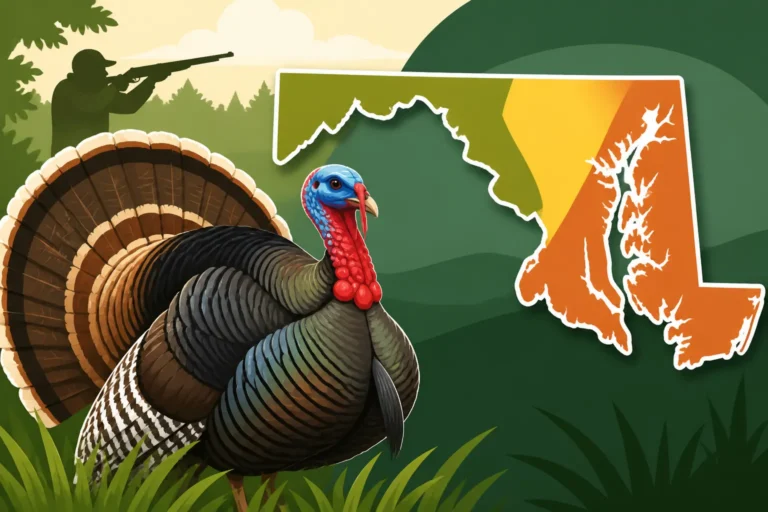
The fall turkey season in Maryland isn't a statewide free-for-all; it's carefully structured by specific dates and geographic regions. Typically, the fall season is limited to certain counties in Western Maryland, largely reflecting where the state's most robust turkey populations reside. You'll generally find these seasons in Allegany, Garrett, and Washington counties, which boast the expansive timber tracts turkeys need to thrive. While these dates can shift slightly year to year, the fall season usually opens in late October and runs for about a week, giving hunters a short but sweet window to pursue birds. It’s absolutely critical to check the Maryland Department of Natural Resources (DNR) current Hunting and Trapping Guide each year for the precise opening and closing dates, as well as any specific zones or county-level adjustments. Getting this wrong could mean a wasted trip or, worse, a violation.
Remember, it’s not just about knowing when the season is, but where. Don't assume that if you can hunt deer in your home county, you can also hunt fall turkeys there. For those serious about chasing these Western Maryland birds, resources like the GoHunt app can be incredibly useful. Its mapping features allow you to quickly verify county boundaries and see if your planned hunting spot falls within the legal fall turkey zone, saving you from any unfortunate misunderstandings.
Hunting Tactics for Fall Birds
Hunting fall turkeys is a game of strategy that revolves around the flock dynamics. Unlike spring, where you're imitating a hen to bring in a tom, in the fall, you're looking to scatter a flock and then use various calls to bring them back together. One of the most common and effective tactics is to locate a flock, then try to break them up. This often involves rushing into the flock as they feed or roost, sending birds scattering in every direction. The chaos might feel counterintuitive at first, but it's the foundation of the strategy.
Once the flock is broken, you find a good hiding spot, often against a large tree with good visibility, and wait. After about 15-30 minutes, the birds will naturally start trying to reassemble. This is where your calling comes in. Soft, pleading hen yelps, kee-kee runs, and assembly calls can be very effective in mimicking lost birds trying to find their way back. Younger birds, especially jakes, are often the first to respond to these calls. Patience is paramount. Sometimes, it can take an hour or more for a bird to come back, circling cautiously before committing. Understanding these nuanced calls can be the difference between success and a frustrating day in the woods. You can find more specific tactics in articles like "Fall Turkey Hunting Maryland's Western Counties" which deep dive into these unique challenges.
Maryland's Winter Turkey Season: Dates and Opportunities
Just when you think turkey season is wrapped up until spring, Maryland often offers a winter turkey season, providing another challenging but rewarding opportunity for the dedicated hunter. This late season presents its own set of trials, from bitter cold temperatures to snow-covered landscapes, but it can also be incredibly productive for those who brave the elements.
Late Season Challenges and Rewards
Winter turkey hunting in Maryland typically opens in January, often running for a week or two, usually mirroring the same Western Maryland counties as the fall season (Allegany, Garrett, Washington). This timing means you'll be dealing with significantly colder weather, potentially snow, and often, more pressured birds. The biggest challenge is finding birds, as they often concentrate in specific areas with reliable food sources and thermal cover to survive the winter. Their movements are often predictable, centered around these resources, making scouting absolutely essential.
However, the rewards can be substantial. Fewer hunters are out in the harsh winter conditions, meaning less competition for prime spots. Birds are also highly motivated by food, so if you can locate their winter foraging areas – often south-facing slopes, agricultural fields with leftover grains, or stands of oak and beech with remaining mast – you can be in a great position. The quiet crunch of snow underfoot can make stalking difficult, but the barren trees also improve visibility. This season truly tests a hunter's resolve and knowledge of turkey behavior. You might find yourself bundling up for hours, waiting for that perfect window, but the satisfaction of calling in a bird when snow is on the ground is unlike any other.
Prime Winter Turkey Locations
During the winter months, turkeys are almost entirely focused on survival, which means finding food and shelter. They will congregate in areas offering the best of both. For Maryland's winter turkey season, this often means checking agricultural fields, especially those with standing corn or soybeans that might have been missed during harvest. Birds will scratch through snow and ice to access these calories. Creek bottoms and river drainages can also be hotspots, as they often provide a mix of hardwoods for mast, cover, and sometimes access to unfrozen water sources.
In the more mountainous regions of Western Maryland, south-facing slopes are prime real estate. These slopes get more sunlight, meaning snow melts faster, exposing critical food sources like acorns, beechnuts, or even specific grasses. They also offer thermal advantages, helping birds warm up on cold days. Another key area is dense evergreen cover, such as stands of pine, hemlock, or mountain laurel. These areas provide crucial protection from harsh winds and heavy snow, offering excellent roosting and loafing cover. Tools like GoHunt can help identify these topographical features and timber types, allowing you to narrow down potential hunting areas even before you step foot in the woods. Scouting these spots beforehand is crucial, looking for tracks in the snow, droppings, and scratch marks to confirm recent turkey activity.
Understanding Bag Limits and Harvest Rules
Navigating the bag limits and specific harvest rules for Maryland's fall and winter turkey seasons can be a bit different from the spring season, where everyone is primarily focused on bearded gobblers. These later seasons offer the unique opportunity to harvest either-sex birds, which means hens are fair game under certain conditions.
Either-Sex Hunting in Fall
One of the most significant distinctions of Maryland’s fall turkey season is the "either-sex" rule. This means that unlike the spring season, where hunters are limited to bearded turkeys, during the fall, you can harvest a hen or a gobbler. This significantly increases your opportunities, especially when employing the flock-scattering method, as lost hens are often more responsive to calls than mature gobblers in the fall. The statewide bag limit for fall turkey is usually one bird per hunter. It’s absolutely essential to consult the Maryland DNR hunting guide for the specific year you plan to hunt, as these regulations are subject to change, especially concerning county-specific limits.
This either-sex rule is a management tool, allowing the state to control populations by harvesting hens, which are critical for reproduction. For hunters, it means you can take the first legal bird that offers a safe and ethical shot, regardless of its sex. However, exercising discretion is still important. While legal, some hunters choose to pass on hens to support population growth, especially in areas where turkey numbers might be lower. This is a personal decision, but it's important to be aware of the implications. You can learn more about this specific regulation in the article "Can You Shoot a Hen in Fall Turkey Season?"
Reporting Your Turkey Harvest
Just like with deer and other big game, successfully harvesting a turkey in Maryland comes with the mandatory requirement of registering your kill. This isn't just a suggestion; it's a legal obligation that helps the DNR collect vital data on turkey populations, harvest numbers, and overall health of the species. Failing to register your bird can result in fines and other penalties, so it's not something to overlook in the excitement of a successful hunt.
You typically have 24 hours from the time of kill to register your turkey. Maryland offers a few convenient methods for registration:
- Online: The most popular method is often through the Maryland DNR's COMPASS online licensing and registration system. This portal is accessible 24/7.
- Phone: There's usually a dedicated phone number provided by the DNR for telephone registration, which can be useful if you're in an area with poor internet access.
- Mobile App: The official Maryland DNR app, usually integrated with COMPASS, often allows for convenient registration directly from your smartphone.
When registering, you’ll need to provide information such as the date and county of harvest, the species (turkey), and sometimes the sex of the bird. Once registered, you'll receive a confirmation number. It’s critical to record this number and keep it with the turkey until it's processed and stored. This confirmation number serves as proof that your harvest is legal. You can find more detailed instructions on this process in "Turkey Registration Requirements After the Kill".
Legal Weapons and Shooting Hours for Late Season Turkeys
Understanding the legal weapons and shooting hours for fall and winter turkey seasons in Maryland is paramount for a safe and lawful hunt. These regulations can differ from other hunting seasons and even between weapon types, so paying close attention to the details is crucial.
Approved Firearms and Archery Gear
Maryland allows a variety of weapons for turkey hunting during the fall and winter seasons, but there are specific restrictions to be aware of. Generally, shotguns are permitted, but they must be no larger than 10-gauge and loaded with shot sizes no larger than number 4. This is a critical safety measure to prevent long-range shots that could injure a bird without a clean kill. Muzzleloaders are also allowed, offering a traditional hunting experience for those who prefer it. These typically follow similar shot size restrictions as shotguns.
For archery enthusiasts, bows and crossbows are legal during the fall and winter turkey seasons. When using archery equipment, broadheads must be used, and they must be designed for hunting game. Expanding mechanical broadheads are generally accepted, as are fixed-blade broadheads, provided they meet minimum cutting diameter requirements. It's always a good idea to ensure your equipment is in top condition and that you're proficient with your chosen weapon, especially when hunting in colder temperatures where stiff fingers or bundled clothing can affect your shot. While specific weapon rules can vary by county, you can get a broader understanding of the regulations in "Maryland's Legal Weapons by County".
It's important to note that unlike some states, rifles are generally not permitted for turkey hunting in Maryland, regardless of the season. This is a key distinction to avoid any legal issues. Always double-check the current year's DNR guide, but assume shotguns, muzzleloaders, bows, and crossbows are your only options for turkeys.
Sunrise to Sunset: Knowing Your Legal Hunting Times
Maryland has clear rules about when you can legally hunt, and for turkeys in the fall and winter seasons, this typically means from one half-hour before sunrise until one half-hour after sunset. This "legal shooting light" window is consistent across many game species in the state, but it's vital to know and adhere to. Hunting outside these hours is illegal and can lead to serious penalties.
To stay compliant, it's highly recommended to carry a reliable source for sunrise and sunset times specific to your hunting location. Many smartphone apps, weather apps, and dedicated hunting apps (like GoHunt, which often includes moon phase and sunrise/sunset data) can provide this information with great accuracy. Plan your arrival and departure from your hunting spot accordingly, ensuring you are set up and ready to hunt only within the legal timeframe and that you are packed up and leaving once legal light expires.
For example, if sunrise is at 7:00 AM, you can begin hunting at 6:30 AM. If sunset is at 5:00 PM, you must cease hunting by 5:30 PM. This window is designed to ensure ethical hunting practices and provide sufficient visibility for hunters to clearly identify their target and background. Always err on the side of caution; if you're unsure if there's enough light, wait a few more minutes, or call it a day early. You can find more details regarding these rules in "Maryland Shooting Hours and Legal Light".
Strategies for Cold Weather Turkey Success
Hunting turkeys in Maryland during the late fall and winter seasons requires a distinct set of strategies compared to the warmer spring months. The birds' behavior changes dramatically with colder temperatures and scarcer food resources, meaning hunters need to adapt their approach to find success.
Scouting for Winter Food Sources
In the spring, turkeys are driven by breeding instincts; in the fall and winter, their primary motivation is survival, specifically finding enough food to maintain their body temperature and energy levels. This makes scouting for reliable food sources the single most important strategy for late-season turkey hunting. Don't just look for general turkey sign; look for active feeding sign in specific, high-calorie areas.
Start by identifying areas known for mast crops from the previous fall, such as oak ridges or beech groves. Turkeys will persistently scratch through snow and leaf litter to find any remaining acorns or nuts. Agricultural fields are another major draw. Fields with unharvested corn, soybeans, or even winter wheat can be absolute magnets for turkeys, providing critical calories. Pay close attention to field edges, especially where they meet dense timber, as birds will move from cover to feed. Southern-facing slopes, which receive more sunlight and shed snow faster, can also reveal early food sources like exposed greens or leftover berries. You might even find birds scratching in old logging roads or clear-cuts where tender new growth or insects might be present. Remember, even though it's turkey season, understanding "Late Season Food Sources for Maryland Deer" can sometimes give you clues, as deer and turkeys often share preferred winter food sources.
Using satellite imagery or tools like GoHunt can help you pinpoint these potential feeding areas before you ever step foot in the woods. Look for patterns: where are the oak flats? Where are the unharvested fields? Where are the thick pine stands that offer thermal cover nearby? Then, hit the ground and look for fresh tracks, droppings, and scratch marks to confirm current activity. Turkeys often travel in larger groups in winter, so if you find sign, it's likely a whole flock is using the area.
Calling Techniques for Pressured Fall and Winter Birds
Calling techniques for fall and winter turkeys differ significantly from the aggressive hen yelps and gobbler locator calls of spring. By late season, birds are often flocked up, more cautious, and have likely heard a lot of calling from hunters. This means a more subtle, less aggressive approach is usually more effective. Your goal isn't to mimic a love-struck hen, but rather a lost or contented flock member.
Assembly Calls and Kee-Kees: If you've successfully scattered a flock, the primary calls you'll use are assembly yelps and kee-kees (or kee-kee runs). The kee-kee is a high-pitched, pleading whistle-like call often made by young turkeys trying to locate their flock. It conveys distress and loneliness, triggering the natural instinct of other turkeys to gather. Assembly yelps are slightly more drawn-out, softer yelps designed to sound like a lost hen trying to re-establish contact. Use these calls sparingly and softly at first, increasing volume only if you get no response.
Clucks and Purrs: When a bird is getting close, or if you're trying to draw in a cautious flock that you've located, soft clucks and purrs can be incredibly effective. These are contentment calls, signaling that a bird is relaxed and feeding. They reassure wary birds that it's safe to approach. A diaphragm call or slate call can produce these subtle sounds beautifully. Avoid loud, excited calling, which can easily spook late-season birds.
Patience is Key: Perhaps the most important "calling technique" is patience. Turkeys in the fall and winter are far less impulsive than spring gobblers. They will often circle, observe, and take their time approaching a call. Be prepared to sit still for an hour or more, making only occasional, soft calls. If you know birds are in the area and they go silent, don't give up. They might be working their way around to check things out from a different angle.
Securing Your Turkey Permit and Understanding Regulations
Before you even think about setting foot in Maryland's beautiful woods for fall or winter turkey hunting, it's absolutely crucial to ensure you have all the necessary permits and a solid understanding of the regulations. Maryland's hunting license system can sometimes feel like a puzzle, but getting it right is fundamental.
Required Licenses and Stamps
To legally hunt turkeys in Maryland during any season, including fall and winter, you'll need a few essential pieces of paperwork. First and foremost, you must possess a valid Maryland Resident or Nonresident Hunting License. This is your baseline permit for any hunting activity in the state. For many, this is obtained through the DNR's COMPASS system online or at an authorized license agent. You can find detailed information on the costs and requirements for this foundational license in "Maryland Hunting Licenses and What They Cost".
In addition to your basic hunting license, you'll also need a Maryland Turkey Stamp. This stamp is specifically dedicated to turkey hunting and is required for all turkey seasons, whether spring, fall, or winter. It's an additional purchase on top of your general hunting license. For migratory birds, there's also a Maryland Migratory Game Bird Stamp, but this typically does not apply to wild turkeys, which are considered resident game birds. Always ensure your stamps are valid for the current hunting year. It's easy to buy them through the COMPASS system when you get your regular license, ensuring you're covered for the entire season.
Accessing Public and Private Land for Turkeys
Once you have your licenses and stamps squared away, the next step is figuring out where you're going to hunt. Maryland offers a mix of public and private land opportunities, each with its own set of rules and access considerations.
Public Land: Maryland boasts a good amount of public hunting land, including State Forests, Wildlife Management Areas (WMAs), and some State Parks. These are excellent resources, especially in the Western Maryland counties where fall and winter turkey seasons are primarily held. Places like Green Ridge State Forest or Savage River State Forest are vast and offer prime turkey habitat. However, public land often sees more hunting pressure. It's critical to understand the specific rules for each public area, as some WMAs or State Parks might have additional permit requirements, specific open days, or restrictions on vehicle access. Always check the DNR website or the local office for the public land area you plan to visit. Websites and apps like GoHunt can be invaluable for identifying public land boundaries and even recent timber cuts or food plots within them, helping you find those less-pressured spots. For a general overview, consider reading "Maryland's Wildlife Management Areas".
Private Land: Hunting private land often provides a less crowded and potentially more productive experience. If you have access to private property, remember that written permission from the landowner is always recommended, and often legally required, in Maryland. Even if you know the landowner, having a signed document detailing dates and hunting privileges can prevent any misunderstandings. For non-residents or those without existing connections, securing private land access can involve knocking on doors, joining a hunting lease, or hiring a guide service that operates on private ground. Always be respectful, offer to help with land management, and share some of your harvest if appropriate. Private land offers a fantastic opportunity to implement specialized strategies like setting up on a "Setting Up on a Maryland Grain Field Edge" if food sources are available.
Comparison of Maryland Turkey Seasons
Understanding the nuances between Maryland's turkey seasons is key to maximizing your hunting success and staying compliant. Here's a quick comparison of the key aspects across Spring, Fall, and Winter.
| Feature | Spring Turkey Season | Fall Turkey Season | Winter Turkey Season |
|---|---|---|---|
| Primary Focus | Gobblers (bearded birds) | Either-sex (hens & gobblers) | Either-sex (hens & gobblers) |
| Motivation | Breeding, territoriality | Survival, food, flock cohesion | Survival, food, thermal cover |
| Typical Dates | April – May | Late October (approx. 1 week) | January (approx. 1-2 weeks) |
| Primary Zones | Statewide | Western Maryland (Allegany, Garrett, Washington) | Western Maryland (Allegany, Garrett, Washington) |
| Bag Limit | 2 bearded turkeys | 1 either-sex turkey | 1 either-sex turkey |
| Allowed Weapons | Shotguns, Muzzleloaders, Archery | Shotguns, Muzzleloaders, Archery | Shotguns, Muzzleloaders, Archery |
| Calling Strategy | Aggressive yelps, gobbling, locator calls | Assembly yelps, kee-kees, soft clucks after scattering | Soft clucks, purrs, occasional kee-kees, observation |
| Key Challenge | Outsmarting vocal, wary gobblers | Breaking up flocks, calling individuals back | Locating concentrated birds, harsh weather |
| Scouting Focus | Roosting areas, strut zones, travel corridors | Feeding areas, flock sign, dusting bowls | Major food sources, thermal cover, south slopes |
This table highlights just how different these seasons are. While the Spring season is often associated with the classic image of a gobbler thundering on the roost, the Fall and Winter seasons demand a quieter, more patient, and often more physically demanding approach. Each season offers a unique challenge and reward for the dedicated Maryland turkey hunter.
Disclaimer
Please remember that hunting regulations, season dates, and bag limits are subject to change annually by the Maryland Department of Natural Resources (DNR). While this guide provides comprehensive information, it is your responsibility as a hunter to consult the most current Maryland Hunting and Trapping Guide published by the DNR before heading afield. Always verify specific rules for the current season to ensure full compliance.