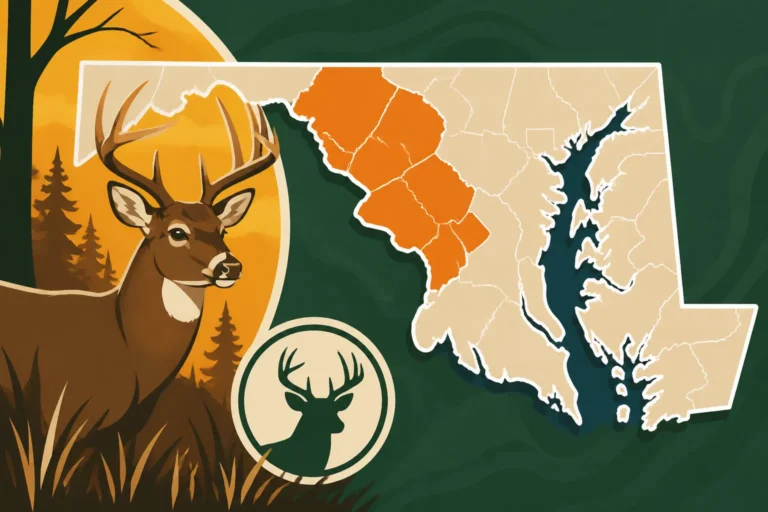
Late Muzzleloader Season Dates and Counties
It can feel like a real puzzle, trying to keep track of all the different hunting seasons and regulations here in Maryland, especially when you're looking to extend your time in the woods. Just when you think you've got a handle on the archery opener or the main firearms season, there's another opportunity that pops up with its own unique set of dates and rules. This guide is all about simplifying one of those later-season chances: the late muzzleloader deer season, helping you understand exactly when and where you can chase deer with your smoke pole in the chill of winter.
Understanding Maryland's Late Muzzleloader Season
For many of us, the late muzzleloader season in Maryland is a cherished opportunity to get back out after the hustle and bustle of Thanksgiving and the primary firearms seasons have quieted down. It offers a unique challenge and a chance to fill those freezer tags when deer patterns have shifted dramatically.
When the Late Muzzleloader Season Kicks Off
The Maryland late muzzleloader season generally provides a solid block of hunting days that bridges the gap between the main firearms season and the final archery days. Historically, this season typically opens around mid-December and runs through the end of the month, sometimes even extending into the first week of January in specific areas and for specific deer.
For example, in recent years, you might see the season run from mid-December, say December 16th, straight through December 30th for both antlered and antlerless deer across both Region A and Region B. This is a fantastic stretch to target deer that might be recovering from the rut or have settled into predictable winter feeding patterns. What’s really important to pay attention to is the extension of this season. Often, for just a few days into early January (think January 1st through 6th), certain parts of the state open back up, but with critical limitations: it's typically for antlerless deer only and private land only, exclusively within the expansive Region B. This late window is a prime opportunity for herd management and for hunters to secure more venison, but you absolutely have to know the specific rules for those first few days of the new year. It's a different game than the mid-December period.
Why the Late Season Matters for Deer Management
The late muzzleloader season plays a crucial role in Maryland's overall deer management strategy. By allowing hunting into late December and early January, especially for antlerless deer, the Maryland Department of Natural Resources (DNR) helps manage the deer population, keeping it healthy and balanced with available habitat. After all the excitement of the rut and the primary firearms season, many hunters have filled their buck tags, but those doe tags might still be burning a hole in their pocket. This season provides a focused opportunity to harvest antlerless deer, which is vital for controlling population growth and reducing impacts on agriculture and forest regeneration.
It's also a chance to target deer when they've shifted from the frenetic energy of the rut to more predictable winter patterns centered around food and cover. This predictability can make them easier to locate, especially as cold weather concentrates them in specific areas. For those who are passionate about filling their freezers and contributing to sound wildlife management, the late muzzleloader season is an indispensable part of the hunting calendar. It extends the opportunity to be in the woods, honing those late-season skills and making the most of the remaining deer tags. You can really make a difference for local deer populations by participating responsibly in these seasons.
Navigating Counties and Regulations
Understanding where and how you can hunt during the late muzzleloader season is paramount. Maryland has two distinct deer management regions, Region A and Region B, and their regulations can vary significantly, especially as the season progresses into the new year.
Specific Counties Open for Late Muzzleloader Hunting
As mentioned, Maryland is divided into two deer management regions, and knowing which one you’re in is key to understanding the late muzzleloader season.
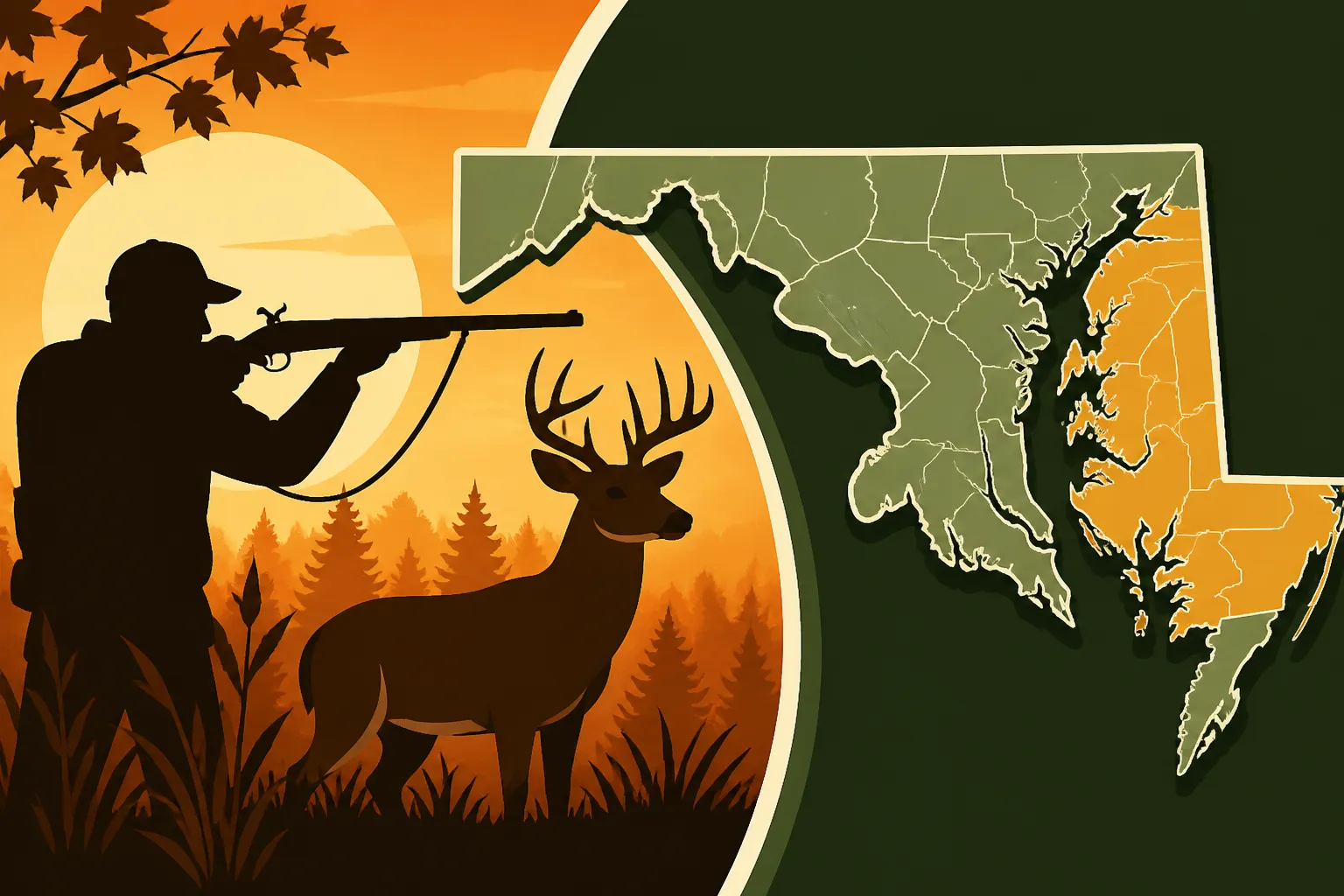
- Region A encompasses the westernmost counties: Allegany, Garrett, and that part of Washington County west of I-81. These are our mountain counties, known for more expansive timber and generally lower deer densities compared to the rest of the state.
- Region B includes all other counties in Maryland, stretching from the Piedmont to the Eastern Shore. This region generally has higher deer populations and more agricultural land.
For the bulk of the late muzzleloader season, typically from mid-December through December 30th, both Region A and Region B are open for hunting antlered and antlerless deer on both public and private lands. This is a fairly straightforward period where most hunters can participate.
However, the real nuance comes in the early January extension. If you're hoping to stretch your hunting into the new year, you need to remember that this extra period (often the first six days of January) is restricted to Region B counties only. Furthermore, within Region B, this January segment is strictly for antlerless deer only and solely on private land. Public land in Region B, and all of Region A, will typically be closed for muzzleloader hunting during those first few days of January. This means if you're hunting in Garrett County, for instance, your late muzzleloader season ends December 30th, but if you're on a private farm in Dorchester County, you might have those extra days to fill an antlerless tag.
It's a lot to keep straight, but knowing these regional and land-type distinctions is absolutely critical to stay legal and make the most of your late-season opportunities. Always double-check the current year's Maryland DNR Hunting Guide, as dates can shift slightly year to year.
Here’s a quick overview of the regions and their general late muzzleloader season structure:
| Season Period | Region A (Allegany, Garrett, Washington West of I-81) | Region B (All Other Counties) | Deer Type Allowed | Land Type Allowed |
|---|---|---|---|---|
| Mid-December to Dec 30th | Open | Open | Antlered & Antlerless | Public & Private Land |
| Jan 1st – Jan 6th | Closed | Open (Antlerless only) | Antlerless Only | Private Land Only |
For detailed information on specific public land access or regulations in your chosen county, resources like onX or even the Scouting Maryland Public Land With Aerial Photos guide can be invaluable for understanding property lines and hunting zones.
Key Regulations and Licensing Requirements
Beyond knowing the dates and counties, there are several key regulations and licensing requirements you need to keep in mind for the Maryland late muzzleloader season. It’s not just about having the right weapon; it’s about having all your ducks in a row.
First and foremost, you'll need a valid Maryland hunting license, and crucially, a Muzzleloader Stamp. Even if you already bought an archery stamp or a general firearms stamp, the muzzleloader stamp is usually a separate requirement for anyone hunting with a muzzleloader during any deer season, including this late one. You can typically purchase these stamps through the Maryland DNR COMPASS portal or at various license vendors. Don't assume your general license covers everything; always verify.
Next, pay close attention to blaze orange requirements. During the firearms seasons, which the late muzzleloader season overlaps with in December, blaze orange is typically mandatory. This usually means wearing a solid fluorescent orange hat and a fluorescent orange outer garment above the waist, visible from all directions. This is for your safety and the safety of others in the woods. Even if you're on private land, it's a good practice, and often a legal requirement.
Regarding bag limits, the late muzzleloader season counts towards your overall Maryland's Deer Bag Limits and Antler Rule. Most hunters will be using antlerless tags or bonus antlered deer stamps if they've already harvested their regular antlered deer. Remember that in Region B, you often have generous antlerless bag limits, which is why that January extension is so valuable for herd control.
Finally, remember the deer registration deadline after a kill. Maryland requires hunters to register their harvested deer within 24 hours of harvest. This can typically be done online via the COMPASS portal or by phone. Failing to register your deer is a serious violation, so make it a priority. It's a straightforward process, and guides like Registering a Maryland Deer by Phone or App can walk you through it.
Maximizing Your Late Muzzleloader Success
Hunting in late December and early January presents unique challenges and opportunities. The deer have been pressured, food sources might be scarce, and the weather can be downright brutal. But with the right strategies and gear, you can still find success.
Hunting Strategies for December and January Deer
By the time the late muzzleloader season rolls around, the deer are not the same animals you were chasing in September. The rut is largely over, and their focus has shifted squarely to survival: finding food and conserving energy. This means your hunting strategy needs a serious adjustment.
One of the most critical elements is food sources. As natural forage dwindles, deer will concentrate around the most nutritious and accessible food plots or remnants. Think about standing corn, soybean fields (especially if they haven't been completely picked clean), brassicas, or even areas with persistent acorns if the mast crop was heavy. Deer will often hit these food sources in the late afternoon, moving from thick cover as daylight fades. This makes sitting on a field edge, as discussed in Sitting a Field Edge in Maryland's January Firearms Days, a highly effective tactic. Look for funnels or pinch points that deer use to access these food plots.
Bedding areas also become more defined. Deer will seek out dense cover that offers protection from the cold winds and predators. This could be thick conifer stands like loblolly pines on the Eastern Shore, dense briar patches, or steep, south-facing slopes in Western Maryland that catch more sun. Understanding Late Season Food Sources for Maryland Deer and how deer transition between these and their bedding areas is key. Your approach to these areas needs to be extra cautious, as deer are very wary after months of hunting pressure. Utilizing mapping tools like those found on GoHunt can help you identify these pockets of cover and plan quiet entry and exit routes that minimize disturbance.
Finally, cold weather and thermals play a huge role. Deer will often move more actively on sunny, cold days after a front has passed, trying to soak up warmth and feed heavily. Pay close attention to wind direction, especially in mountainous terrain where thermals can shift. Hunting after a significant cold front, as described in Hunting After a Maryland Cold Front, can often trigger increased deer activity. In these frigid conditions, deer conserve energy, meaning they might not travel far between their bedding and feeding sites, making those transition areas even more important.
Essential Gear for Cold Weather Muzzleloading
Hunting with a muzzleloader in cold, damp Maryland winters adds a few layers of complexity to your gear list. You're not just fighting the elements; you're ensuring your antique-style firearm performs when it counts.
Your clothing is your first line of defense. Layering is non-negotiable. Start with moisture-wicking base layers, add insulating mid-layers like fleece or wool, and top it off with a waterproof, windproof outer shell. Hand warmers, insulated boots, and a warm hat are absolute must-haves. Sitting still for long periods in freezing temperatures requires a different approach to staying warm than active hunting. Brands like Sitka or First Lite offer excellent layering systems designed for cold-weather hunting, ensuring you stay comfortable without bulky restrictions.
For your muzzleloader, cold weather can affect performance. Modern muzzleloaders are much more reliable, but moisture is still the enemy. Ensure your powder is kept dry – pre-measured charges in sealed containers are a smart move. After a shot, quickly cleaning your bore is crucial to prevent fouling that can make subsequent loading difficult, especially if you're using black powder or Pyrodex. Some hunters prefer pellets for consistency and ease of use in cold weather, while others stick to loose powder. Whatever your preference, practice loading and shooting in cold conditions before the season to understand how your specific setup reacts.
Optics are also vital. Quality binoculars and a scope that performs well in low light are indispensable, especially during those low-light feeding hours of late December and January. Fogging can be an issue, so ensure your optics are well-maintained and perhaps carry an anti-fog cloth. And speaking of being prepared, a reliable headlamp with red light options is essential for navigating to and from your stand in the dark without spooking game. GoHunt's mapping tools can also help you mark your stand locations and routes, ensuring you're never lost, even in unfamiliar terrain.
Disclaimer
Please remember that hunting regulations, season dates, and specific county rules can change. Always consult the official Maryland Department of Natural Resources (DNR) hunting guide for the most current and accurate information before planning any hunt. This guide is for informational purposes only and should not be considered a substitute for official DNR publications.