Maryland’s Late Western Goose Zone Counties
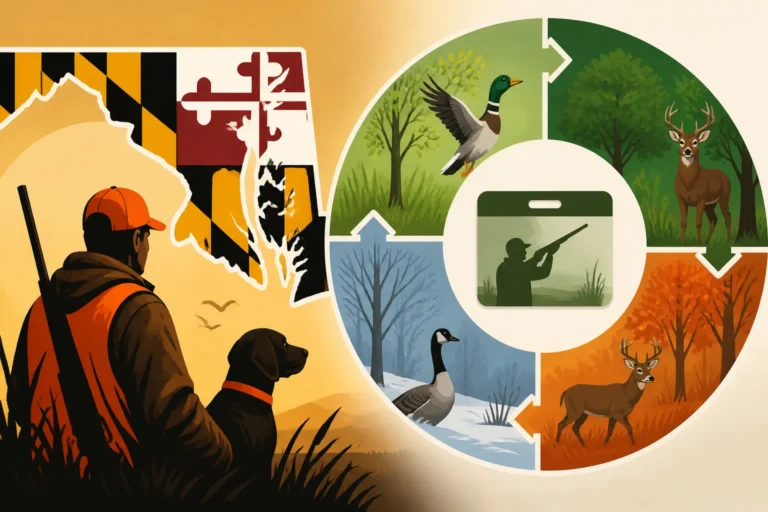
It's incredibly easy to get turned around when trying to decipher Maryland's various hunting zones, especially when it comes to migratory birds like Canada geese. Many hunters, myself included, have spent countless hours poring over regulation books and maps, trying to figure out which zone applies to their preferred hunting spot and, more importantly, when the season is actually open. This guide is here to untangle the specifics of one particular area that often causes confusion: Maryland's Late Western Goose Zone Counties, ensuring you understand exactly where, when, and how you can pursue these magnificent birds.
Understanding Maryland's Goose Zones and Their Importance
Maryland is a prime destination for goose hunters, hosting a significant portion of the Atlantic Flyway's Canada geese. However, managing these populations, which include both migratory "Atlantic Population" (AP) geese and year-round "Resident Population" (RP) geese, requires careful regulation. This is why the state is divided into different zones, each with its own set of rules and season dates designed to optimize hunting opportunities while ensuring sustainability.
The Different Goose Populations and Management
When you're out hunting Canada geese in Maryland, you're primarily interacting with two distinct populations. The first is the Atlantic Population, these are the true migrants that breed in the far north, primarily in northern Quebec, and funnel down the Atlantic Flyway to winter in states like Maryland, Delaware, and North Carolina. Their populations are meticulously monitored, and hunting seasons are set by federal frameworks to protect their numbers. Then you have the Resident Population geese, which are birds that breed and live year-round right here in Maryland and other mid-Atlantic states. These birds have adapted to urban and suburban environments, often nesting near ponds, golf courses, and agricultural fields. Their populations have actually boomed in recent decades, leading to management strategies that often involve longer, more liberal hunting seasons to help control their numbers and mitigate agricultural damage. Understanding this distinction is key to comprehending why some zones have stricter limits than others. If you're looking to dive deeper into these populations, you can explore guides like Maryland's Canada Geese and Their Two Populations.
The Maryland Department of Natural Resources (DNR) works closely with federal agencies like the U.S. Fish and Wildlife Service to set these season structures. It's a complex dance, balancing conservation goals for the Atlantic Population with the need to manage the thriving Resident Population, especially in areas where they become a nuisance. This careful balance is reflected in the different zone structures, aiming to direct hunter effort where it's most needed for management purposes.
Why Zone Delineations Matter for Hunters
Navigating Maryland's goose hunting zones isn't just about following the rules; it's about making sure your hunt is legal, ethical, and, frankly, successful. The state is carved into several specific zones, each with its own open dates and bag limits. For instance, the "Atlantic Population Goose Zone" covers much of the Eastern Shore, while the "Resident Population Goose Zone" covers different areas. The Western Zone, which includes the Late Western Goose Zone, has its own unique structure. Crossing these invisible lines without understanding the regulations can lead to costly fines, license revocations, and a general headache you definitely don't want while trying to enjoy a crisp morning in the blind.
The delineations are in place for a reason: they allow wildlife managers to fine-tune harvest quotas for specific bird populations. For example, if the Atlantic Population experiences a downturn, the season for them might be shortened, or bag limits reduced, particularly in their primary wintering grounds. Meanwhile, the Resident Population, which is often abundant, might have extended seasons. Without these zones, it would be impossible to manage these distinct populations effectively, leading to overharvest in some areas and underutilization in others. So, taking the time to understand these boundaries, perhaps even using a mapping tool like GoHunt to visualize them on your hunting property, is a crucial step for any responsible goose hunter.
Pinpointing Maryland's Late Western Goose Zone Counties
When we talk about the Late Western Goose Zone, we're shifting our focus dramatically from the sprawling agricultural fields and tidal marshes of the Eastern Shore to the rugged, timbered landscapes of Western Maryland. This zone encompasses a unique blend of mountainous terrain, river valleys, and pockets of farmland, creating a very different hunting experience from what you might find elsewhere in the state.
Identifying the Specific Counties
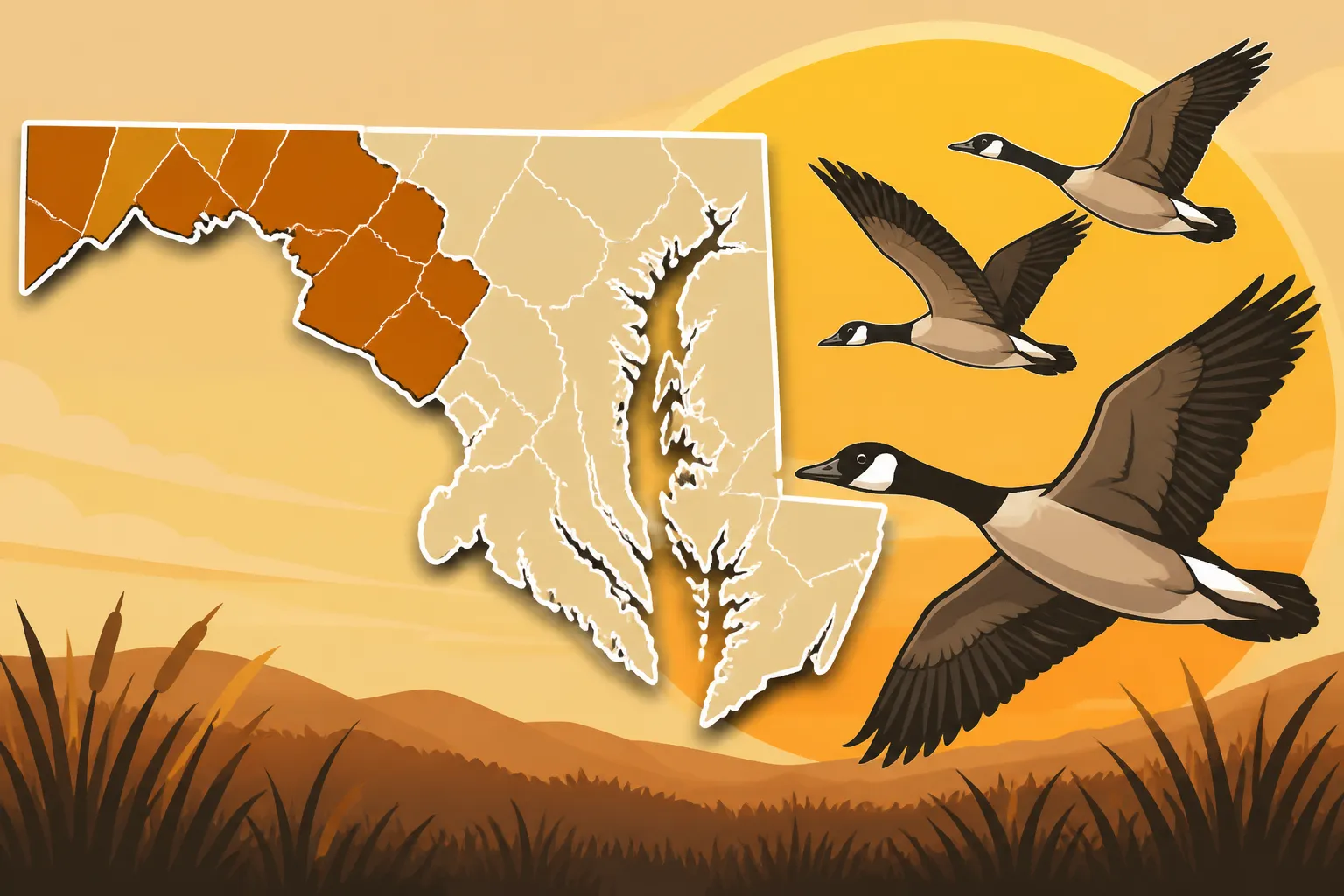
The Late Western Goose Zone specifically includes three counties in Maryland: Allegany County, Garrett County, and Washington County. These counties form the westernmost part of the state, bordering Pennsylvania and West Virginia. When the general goose seasons start to wind down elsewhere, these western counties often get a late-season opportunity, offering hunters an extended chance to pursue resident birds and any late-arriving migrants. It's a special treat for hunters who brave the colder temperatures and often more challenging terrain.
Here's a quick reference table for clarity:
| Goose Zone | Counties Included | Primary Characteristics |
|---|---|---|
| Late Western Goose Zone | Allegany County, Garrett County, Washington County | Mountainous, forested, river valleys, some agricultural pockets |
| Atlantic Population Zone | Most of the Eastern Shore | Flat, extensive agriculture, tidal marshes, large open water |
| Resident Population Zone | Areas not included in AP or Late Western Zones | Varied, often suburban, mixed agriculture, smaller water bodies |
Knowing which county you're in, or planning to hunt in, is the first step. If you're hitting up public lands in this area, you'll want to check out resources like Allegany County Public Hunting Access, Garrett County Public Land for Deer, and Washington County Public Hunting Ground to ensure you're on legal ground and understand any specific property regulations.
Geographical Characteristics and Hunter Implications
Hunting geese in Allegany, Garrett, and Washington counties is a completely different ballgame compared to hunting on the Eastern Shore. Instead of vast, flat expanses of cut corn or soybean fields, you're often dealing with rolling hills, steep timbered mountains, and deep river valleys like those formed by the Potomac and Youghiogheny. Agriculture still plays a role, with pockets of corn, wheat, and hayfields nestled within the valleys and on broader plateaus, but they are generally smaller and more interspersed with forest.
This topography has significant implications for how geese behave and how hunters must adapt. Geese flying through this region will use these valleys and river corridors as travel routes, often flying lower than they would over open water or flat fields. Their feeding patterns are also dictated by available agricultural ground, which might be less abundant or more spread out than in other parts of the state. Hunters need to be acutely aware of terrain features that can create natural funnels or limit visibility. Understanding the local geography is paramount to predicting goose flight patterns and choosing an effective setup. It means scouting isn't just about finding food; it's about finding the flight paths leading to that food, often over ridge lines or along winding creek bottoms.
Navigating the Late Western Goose Zone Season Dates and Rules
Once you've nailed down the counties, the next crucial step is understanding the specific season dates and regulations that apply exclusively to Maryland's Late Western Goose Zone. These rules are designed to give hunters a chance at resident birds and any lingering migrants that might still be in the region, often after other zones have closed up shop.
Key Season Openers and Closures
The "late" in Late Western Goose Zone is there for a reason! Historically, this zone offers a later hunting period, often extending into February, allowing hunters to capitalize on cold weather patterns that might push birds into the region or simply provide an opportunity after the main migratory bird seasons have concluded elsewhere. While specific dates can shift slightly year to year based on federal frameworks and state surveys, the general pattern is a season that opens sometime in January and runs through mid-February. It's crucial to always consult the current Maryland DNR hunting guide for the precise dates before heading out, as they are updated annually. For a general overview of goose seasons across the state, you might want to review resources like Maryland Canada Goose Season Dates.
This late season can be particularly appealing because it often coincides with some of the coldest weather, which can concentrate geese on available open water or prime food sources. However, the exact timing and duration are carefully calibrated. It's not uncommon for the season to have split segments, with certain dates closed, then reopening, so paying close attention to the published regulations is non-negotiable. Don't assume the dates are identical to the prior year; a quick check of the official DNR guide or an app like GoHunt can save you a lot of trouble.
Bag Limits and Special Regulations
Just like the season dates, the daily bag limits and possession limits for Canada geese in the Late Western Goose Zone are specific and must be adhered to without fail. Typically, the daily bag limit for Canada geese in this zone is more liberal than what you might find for the Atlantic Population Zone, reflecting the management objectives for the more abundant Resident Population. You'll often see a daily bag limit of five Canada geese per hunter in this zone, with a possession limit three times the daily bag. However, these numbers are subject to change.
Beyond the bag limits, there are standard migratory bird hunting rules that apply, such as legal shooting hours (usually from one-half hour before sunrise to sunset), and prohibitions on using lead shot. Only non-toxic shot (steel, bismuth, tungsten-alloy, etc.) is permitted for waterfowl hunting. Additionally, all migratory bird hunters in Maryland are required to register with the Harvest Information Program (HIP) annually, even if you’re just targeting geese. Remember, even if you’ve hunted geese elsewhere, the specific limits for the Late Western Goose Zone can vary. It's not the same as The Atlantic Population Goose Zone Limit, so always double-check the fine print for Allegany, Garrett, and Washington counties. Keeping a copy of the regulations with you, either physically or on your phone, is always a smart move.
Essential Tips for Hunting Geese in Western Maryland
Hunting geese in Maryland's Late Western Goose Zone offers a unique challenge and reward. The terrain and weather can be formidable, but with the right approach, it can be an incredibly productive and memorable hunt. Adapting your strategy from what might work on the flat Eastern Shore is crucial for success here.
Scouting and Location Strategies
Effective scouting is the bedrock of any successful goose hunt, and it's especially critical in the varied landscape of Western Maryland. Geese are creatures of habit, driven by food, water, and security. In Allegany, Garrett, and Washington counties, this means focusing your scouting efforts on identifying key agricultural fields that hold cut corn, winter wheat, or fresh-planted cover crops. Look for large flocks feeding actively during the mid-day hours – this is a strong indicator of a preferred feeding area. You're not just looking for birds, you're looking for their pattern: where they come from, where they land, and where they leave. Using mapping tools, like those offered by GoHunt, can be invaluable for identifying potential feeding fields, water bodies, and travel corridors, even before you set foot in the field. This can save you a ton of time and legwork.
Beyond agricultural fields, pay close attention to the major river systems like the Potomac. These rivers often serve as natural roosting areas and travel routes, especially when smaller ponds and creeks freeze over. Look for open water where geese might rest between feeding flights. Also, don't underestimate the impact of the mountainous terrain. Geese will often follow contours and valleys, so understanding how wind and topography affect their flight paths is critical for setting up decoys effectively. Think about how you would scout for deer in hilly country; similar principles apply to predicting goose movements. Getting out a few days before your hunt, watching birds from a distance, and noting their entry and exit points will drastically improve your chances. If you're new to scouting, checking out guides like Scouting Maryland Public Land Before Season can provide excellent foundational advice. Even though some advice might be geared towards different regions, the core principles of observing bird behavior and land features remain universally applicable.
Gear and Decoy Considerations
Hunting in the Late Western Goose Zone often means contending with cold, potentially snowy, or icy conditions, so your gear choices are paramount. Warm, waterproof, and layered clothing is non-negotiable. Think insulated boots, thick gloves, and a reliable waterproof outer shell. Hydration and snacks are also important, as you might be spending extended periods in blinds. As for the decoys, quality over quantity often holds true. Full-body Canada goose decoys tend to be most effective as they present a realistic profile that geese are accustomed to seeing. However, a spread of well-placed silhouettes or shell decoys can also be productive, especially if you're able to create a dynamic look that simulates feeding and sentry birds.
A typical spread might include 2-4 dozen decoys, arranged to look like a natural feeding flock, with a few "sentries" upright at the edges. Consider adding a few motion decoys, such as a flapper or a feeder on a stake, to provide some movement and visual attraction, particularly on calm days. Calling is another vital component. A good short-reed Canada goose call, combined with the ability to replicate feeding clucks, honks, and greeting calls, can be the difference between birds flying by and birds committing to your spread. Practice your calling before the season, listening to real geese and trying to mimic their sounds. Finally, concealment is key. Whether you're using a layout blind in a field, setting up a panel blind, or brushing in a natural hide along a hedgerow or field edge, make sure you blend seamlessly with your surroundings. Geese have incredible eyesight, and even a slight silhouette can flare them. Tactics described in Setting a Goose Spread in Cut Corn or Layout Hunting Canada Geese on the Upper Shore can be adapted to the Western Maryland landscape, focusing on maximizing realism and concealment. The colder weather means fewer leaves and less natural cover, so brushing in a blind effectively is even more important.
Disclaimer
Please remember that hunting regulations, season dates, and bag limits can change annually. This guide is intended for informational purposes only. Always consult the most current Maryland Department of Natural Resources (DNR) hunting guide and relevant federal regulations before planning and executing any hunt to ensure compliance with all laws. Ignorance of the law is not a valid defense for violations.