Taking the Hunter Education Course Online
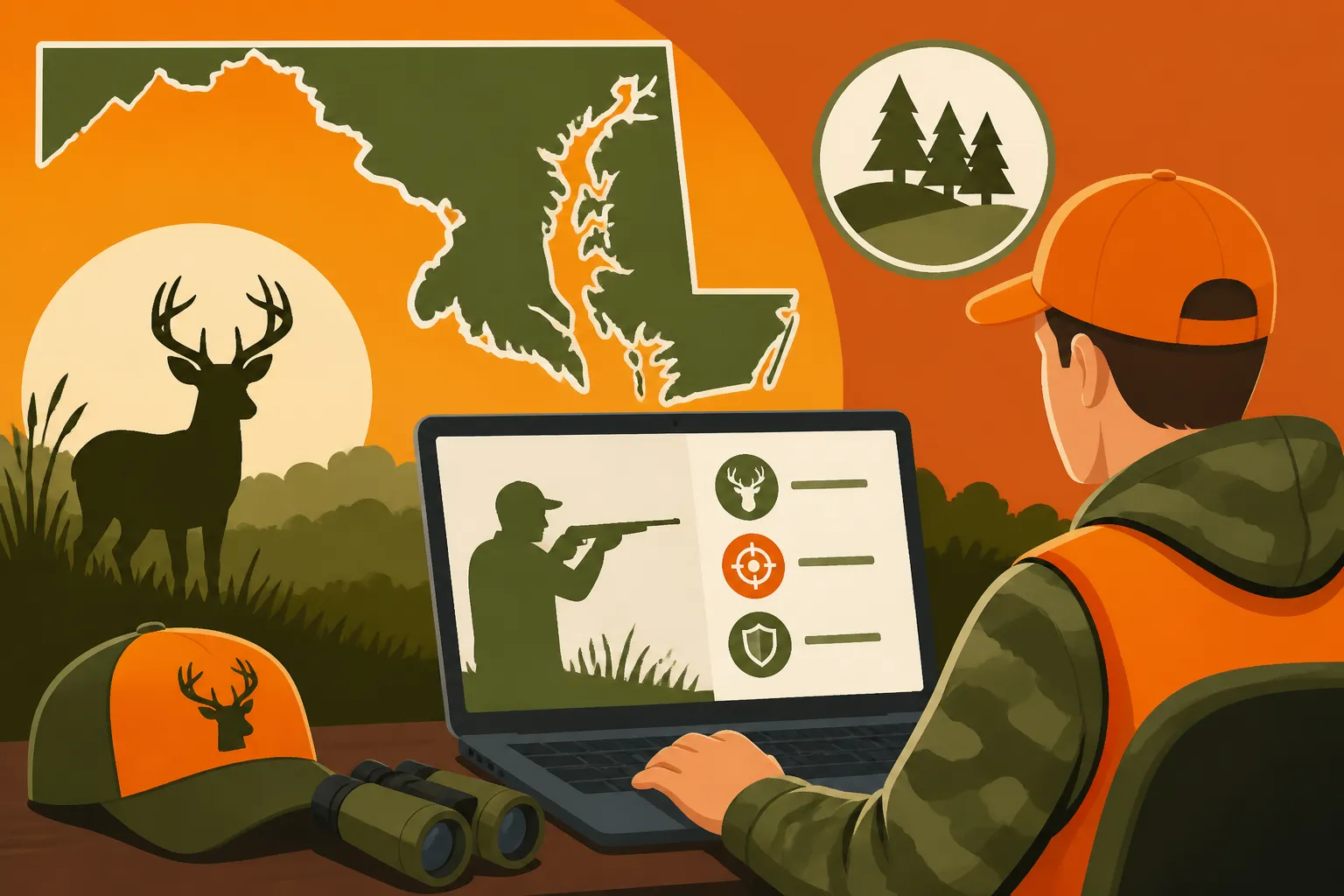
Figuring out the ins and outs of getting started in Maryland hunting can feel like trying to untangle a fishing line after a tough day on the water – a bit overwhelming and prone to knots. One of the most fundamental steps for any aspiring hunter is completing their hunter education, and thankfully, the old stereotype of stuffy, all-day classroom sessions isn't the only option anymore. If you're looking for a flexible way to meet this crucial requirement, taking the Maryland Hunter Education Course online is a fantastic solution, offering convenience without compromising on vital safety and ethics. This guide will walk you through everything you need to know about pursuing your hunter education certificate from the comfort of your home, making your journey into Maryland's rich hunting heritage a smoother one.
Why Maryland Hunter Education is Your Essential First Step
Before you even think about buying a license or heading into the woods, completing a hunter education course is not just a suggestion; it's a foundational pillar for safe, ethical, and responsible hunting in Maryland. It's designed to equip you with the knowledge and skills necessary to enjoy the sport safely, respect wildlife, and understand the intricate rules that govern our cherished outdoor pursuits.
Beyond Just a Legal Requirement
While hunter education is indeed a legal mandate for most new hunters in Maryland, its purpose extends far beyond simply checking a box. Think of it as your primary initiation into a culture of safety and respect for the environment. These courses delve deep into crucial topics like firearm handling, archery safety, and basic first aid, ensuring you know how to prevent accidents and react calmly if one occurs. It's about instilling a mindset where safety is paramount, not just for yourself, but for your hunting partners, other outdoor enthusiasts, and even your dog.
Moreover, the course provides a robust framework for ethical hunting practices. This isn't just about following the letter of the law; it's about understanding the spirit of fair chase, minimizing suffering for the animal, and respecting the land you hunt on. You’ll learn about shot placement, tracking wounded game, and making informed decisions in the field that reflect positively on the entire hunting community. It also helps foster an appreciation for wildlife conservation, explaining how hunters play a vital role in managing healthy animal populations and their habitats across the state.
Who Needs to Take the Course in Maryland
Maryland has specific requirements regarding who must complete a hunter education course. Generally speaking, anyone born on or after July 1, 1973, must possess a certificate of hunter education to purchase a Maryland hunting license. This means if you're a newer hunter and fall within that age range, this course is absolutely mandatory for you. It's a key part of ensuring that everyone participating in the sport has a baseline understanding of safety and regulations.
However, there are a few exceptions and alternative pathways. For instance, if you were born before July 1, 1973, you are generally exempt from the hunter education requirement. Maryland also offers an "Apprentice Hunting License," which allows individuals who haven't completed hunter education to hunt under the direct supervision of a licensed mentor. This is a fantastic way for newcomers to experience hunting firsthand and decide if it's for them before committing to the full course. You can learn more about these specific rules by reading up on Maryland Hunter Education Requirements and delving into the details of the Maryland Apprentice and Mentored Hunting program. It's always best to double-check the latest regulations on the Maryland Department of Natural Resources (DNR) website to ensure you're compliant.
Navigating Maryland's Online Hunter Education Path
The beauty of modern hunter education is the flexibility it offers. For many, sitting in a traditional classroom isn't feasible due to work schedules, family commitments, or geographical limitations. The online course option has revolutionized access to this essential training, allowing you to complete the bulk of the coursework at your own pace, on your own schedule.
Choosing an Approved Online Provider
When you decide to go the online route, it's crucial to select a course provider that is officially approved by the Maryland DNR. There are several reputable platforms that offer the Maryland-specific curriculum, such as Hunter-Ed.com, Kalkomey, and the NSSF (National Shooting Sports Foundation) course. These providers work directly with state agencies to ensure their online content meets all the necessary educational standards. Each platform offers a user-friendly interface with interactive modules, quizzes, and multimedia to keep you engaged.
Choosing an approved provider ensures that your time and money are well spent, and that the certificate you receive will be recognized by the state. While platforms like GoHunt are incredibly valuable for scouting, finding public lands, and accessing real-time regulations once you're certified, they are not typically direct providers of the hunter education course itself. Think of GoHunt as an excellent companion tool after you've completed your core education, helping you manage your licenses and stay informed on specific season dates or local rules. Always verify the course provider directly through the Maryland DNR website to avoid any issues down the line.
What the Digital Curriculum Covers
The online hunter education course for Maryland is comprehensive, designed to cover all the critical information you'd receive in a traditional classroom setting, but in an engaging, self-paced format. You'll move through various modules, each focusing on a specific aspect of hunting safety and responsibility.
Expect to learn extensively about firearm safety, including the proper handling, storage, and transportation of shotguns, rifles, and handguns. This covers everything from understanding different action types to safe loading and unloading procedures. For those interested in archery, there will be dedicated sections on bowhunting safety, including equipment checks, safe shooting zones, and broadhead handling. Beyond just the weapons, the course dives into crucial survival skills, basic first aid, and what to do in emergency situations in the field.
A significant portion of the course is dedicated to Maryland's specific hunting laws and regulations. You'll learn about legal shooting hours, blaze orange requirements, and how to properly register your harvested game. Species identification is also a key component, ensuring you can distinguish between different game animals and their sexes, which is vital for adhering to bag limits and antler restrictions. Ethical considerations, such as fair chase principles, respecting private property boundaries, and understanding wildlife management, are woven throughout the curriculum, reinforcing the idea that hunting is a privilege, not just a sport. Once you're certified, you'll be ready to dive deeper into specifics like Maryland's Legal Weapons by County or the different Maryland's Deer Bag Limits and Antler Rule.
The Crucial Field Day Component
It's important to understand that the online course is generally just one part of the equation. In Maryland, most individuals who complete the online hunter education course are also required to attend a mandatory in-person Field Day. This isn't a loophole to avoid hands-on training; rather, it’s a critical bridge between theoretical knowledge and practical application. The online portion gives you the cognitive understanding, but the Field Day provides the vital, real-world experience under the direct supervision of certified instructors.
During the Field Day, instructors can assess your understanding of safety rules, observe your practical skills, and provide immediate feedback. This hands-on session ensures that you not only know the rules but can also apply them effectively and safely in a controlled environment. Without successfully completing both the online portion and the Field Day, you won't receive your full hunter education certificate, meaning you won't be able to purchase a full hunting license. So, while the online course offers incredible flexibility, make sure you factor in the Field Day when planning your certification process.
Completing Your Certification and Hitting the Field
Once you’ve put in the time studying the online modules, the next exciting step is the in-person Field Day. This is where all that theoretical knowledge transforms into practical skills, making you a safer and more confident hunter.
What to Expect During Your Hands-On Field Day
The Field Day is your chance to demonstrate proficiency and interact directly with experienced instructors. These sessions are typically scheduled at various locations across Maryland and often fill up quickly, so it's wise to register for one as soon as you've completed your online coursework. While specific activities can vary, you can generally expect a combination of practical exercises and skill assessments.
Instructors will lead you through scenarios covering safe firearm handling, including muzzle control, carrying techniques, and crossing obstacles with a loaded or unloaded weapon. You might participate in a live-fire exercise on a shooting range (though sometimes this is optional or covered by a separate shooting proficiency course), where you'll apply marksmanship principles under supervision. There will be stations dedicated to proper tree stand safety, essential for those planning to hunt deer from an elevated position. You’ll also learn about blood trailing techniques, field dressing basics, and how to safely transport game. Crucially, it's a fantastic opportunity to ask questions, clarify any doubts you might have from the online course, and get real-world advice from seasoned hunters. You'll gain valuable insights that simply can't be fully replicated in an online environment, preparing you for everything from Scouting Maryland Public Land Before Season to safely handling a harvest.
Receiving Your Official Maryland Hunter Ed Certificate
After successfully completing both the online course and the mandatory Field Day, you'll finally be issued your official Maryland Hunter Education Certificate. This certificate is your golden ticket – it proves that you've met the state's requirements and possess the foundational knowledge for responsible hunting. The certificate will typically be issued by the Maryland DNR or its approved agents. Make sure you keep this certificate in a safe place, as you'll need it when you go to purchase your first hunting license.
Once you have that certificate in hand, a whole new world of outdoor opportunities opens up! You’ll be able to purchase your resident or nonresident hunting licenses, along with any necessary stamps, such as an Archery Stamp for Hunting Maryland's Long Archery Season or a Muzzleloader Stamp for Muzzleloader Deer Hunting in Maryland. You can then plan your hunts during Maryland's varied seasons, whether it’s the excitement of Maryland's Split Firearms Deer Season or targeting specific game like White-Tailed Deer in Maryland. This certificate is a permanent credential, meaning you won't have to retake the course unless regulations change significantly.
Embracing a Lifetime of Responsible Hunting
Getting your hunter education certificate isn't the finish line; it's just the beginning of a lifelong journey of learning and discovery. The hunting landscape is constantly evolving, with changes in regulations, new gear, and shifting wildlife populations. Responsible hunters make it a point to stay informed, continuously refine their skills, and uphold the highest ethical standards.
Keep an eye on the Maryland DNR website for annual regulation changes, season date adjustments, and any specific rules for different hunting regions. Joining local hunting clubs or conservation organizations can also be an invaluable way to connect with other experienced hunters, learn new techniques, and contribute to wildlife management efforts. Moreover, modern tools and resources are readily available. Platforms like GoHunt can be incredibly helpful for managing your license information, checking detailed regulations, accessing mapping tools for public and private land boundaries, and even keeping up with real-time conditions. By actively engaging with the hunting community and utilizing these resources, you'll not only enhance your own hunting experiences but also contribute positively to the future of conservation and responsible hunting in Maryland for generations to come.
Maryland Hunter Education Course: Step-by-Step Overview
Here's a quick look at the typical process for completing your Maryland Hunter Education online:
| Step | Description | Estimated Time/Effort | What You Get/Need |
|---|---|---|---|
| 1. Check Eligibility | Confirm you need the course (born after July 1, 1973) or if an apprentice license is an option. | 5 minutes (quick online check) | Understanding of your requirement. |
| 2. Choose Approved Online Course | Select a Maryland DNR-approved provider (e.g., Hunter-Ed.com, Kalkomey). Register and pay course fee. | 15 minutes (registration) | Access to online course materials. |
| 3. Complete Online Modules | Study interactive lessons on safety, ethics, laws, species ID. Take quizzes after each module. | 6-10 hours (self-paced, can be broken up) | Online course completion certificate (provisional). |
| 4. Register for Field Day | Locate and sign up for an in-person Field Day with the Maryland DNR or approved instructors. Slots fill fast! | 15-30 minutes (online registration, booking often weeks ahead) | Confirmation of Field Day attendance. |
| 5. Attend Field Day | Participate in practical exercises (firearm handling, tree stand safety, mock scenarios) and demonstrate safe practices to instructors. | 4-8 hours (one dedicated day) | Practical assessment and final instructor sign-off. |
| 6. Receive Certification | Upon successful completion of both online and field components, you'll get your official Maryland Hunter Education Certificate. | Varies (immediately after Field Day or mailed later) | Maryland Hunter Education Certificate – required for purchasing a hunting license. |
Disclaimer
This guide is intended for informational purposes only and does not constitute legal advice. Hunting regulations, license requirements, and course availability in Maryland can change. Always consult the official Maryland Department of Natural Resources (DNR) website and current hunting guides for the most accurate and up-to-date information before planning any hunting activities.