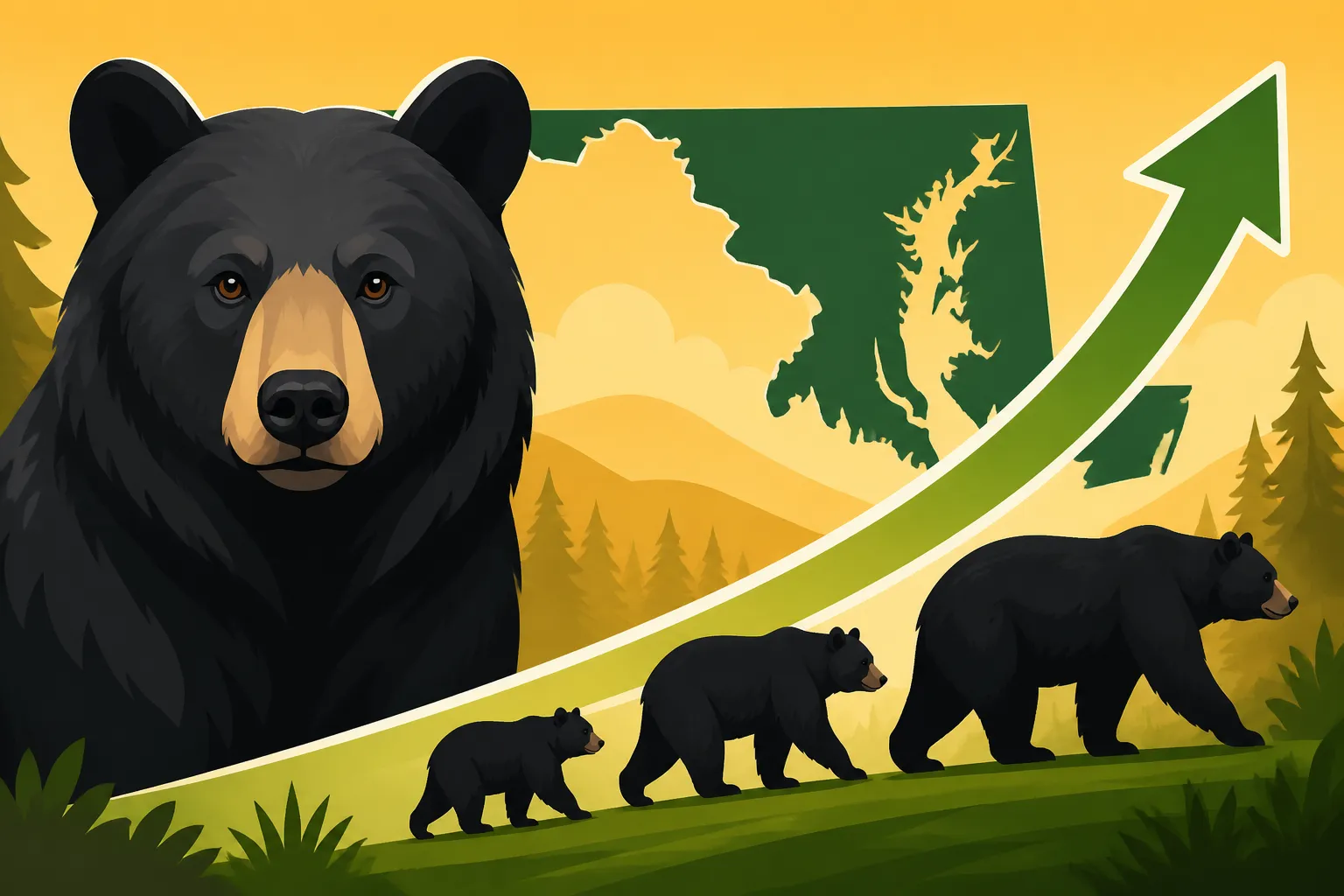
Maryland’s Black Bear Population Growth
It used to be that seeing a black bear in Maryland was a truly rare event, almost legendary, whispered about by old-timers in the western mountains. For many of us, growing up, bears felt like something you only read about in other states. But these days, the landscape has shifted dramatically, and encounters are becoming increasingly common, even in areas where they haven't been seen in generations. This guide will delve deep into the remarkable comeback story of Maryland's black bears, exploring how their population has grown, where they're spreading, and what it all means for residents and hunters alike.
From Ghost to Presence: Maryland's Bear Comeback Story
For a long stretch of Maryland's history, the black bear was effectively a ghost, a remnant of a wilder past. Human settlement, logging, and habitat destruction pushed these incredible animals to the brink within the state's borders. The idea of a robust bear population seemed like a distant dream, but thanks to dedicated conservation efforts and natural resilience, that dream has become a living reality.
The Vanishing Act and Early Protection Efforts
Picture Maryland centuries ago: vast, unbroken forests stretching from the Chesapeake Bay to the Appalachian Mountains. Black bears, Ursus americanus, were a natural and integral part of this ecosystem. They roamed freely, foraging for berries, nuts, and insects, a true symbol of wilderness. However, as European settlers arrived and agriculture expanded, those forests began to disappear. Habitat was cleared for farms, towns, and roads, fragmenting the remaining wilderness. Bears were also hunted relentlessly, often viewed as pests or threats to livestock, without any meaningful regulations. By the late 19th and early 20th centuries, black bears were virtually extirpated from most of Maryland, clinging only to the most remote and rugged corners of Garrett and Allegany counties in the far west.
Recognizing the dire situation, Maryland began to implement protective measures in the mid-20th century. The first closed season for black bears was established, and eventually, they received full legal protection, halting all hunting. This was a critical first step, but without suitable habitat and a source population, recovery would have been impossible. These early conservation efforts, though simple by today's standards, laid the groundwork for the gradual return of these magnificent animals.
Slow and Steady Return from Western Sanctuaries
The real turning point for Maryland's black bear population began with the gradual re-establishment of forest cover in Western Maryland and neighboring states like Pennsylvania and West Virginia. As agricultural practices changed and some marginal farmland was abandoned, forests began to reclaim the land. These mature, mixed hardwood forests provided not only cover but also crucial food sources like acorns, hickory nuts, and berries. Bears from the robust populations in these adjacent states naturally began to disperse and recolonize suitable habitats in Maryland.
This process was not a sudden explosion but a slow, persistent creep. Bears would venture across state lines, find good habitat, and eventually establish breeding populations. Garrett County, with its extensive public lands like Savage River State Forest and Green Ridge State Forest, became the primary stronghold. From there, bears slowly but surely expanded into Allegany County and eventually into western Washington County. This natural migration, coupled with increased public awareness and a more tolerant attitude towards wildlife, allowed the bear population to gain a foothold and begin its impressive growth trajectory. Learning about how the state manages these animals is key, especially if you're interested in opportunities like the Maryland's Black Bear Lottery.
Where the Bears Roam: Current Distribution and Hotbeds
Today, the map of black bear distribution in Maryland looks vastly different from a century ago. What was once confined to a tiny western pocket has now expanded significantly, leading to more frequent sightings and a need for greater public understanding of where these animals are establishing themselves.
Western Maryland's Core Bear Habitat
The mountainous terrain of Western Maryland remains the undisputed heartland of the state's black bear population. Garrett and Allegany counties boast the most significant and well-established bear populations. Here, dense forests, rugged ridges, and abundant natural food sources create ideal conditions for bears to thrive. Public lands like Deep Creek Lake State Park, Potomac State Forest, and the aforementioned Savage River and Green Ridge State Forests offer expansive, relatively undisturbed habitats where bears can live out their lives with minimal human interference.
In these western counties, bears are a common sight, particularly during the late summer and fall when they're actively foraging to put on weight for winter hibernation. If you're out Scouting Bear Sign in Garrett County, you'll often find claw marks on trees, overturned rocks, and scat filled with berries or nuts. Locals are accustomed to taking precautions, securing trash, and bringing in bird feeders, as bear encounters are a regular part of life. The population here is robust, and these areas act as a source for bears dispersing into other parts of the state.
Expanding Eastward: New Bear Sightings and Occupancy
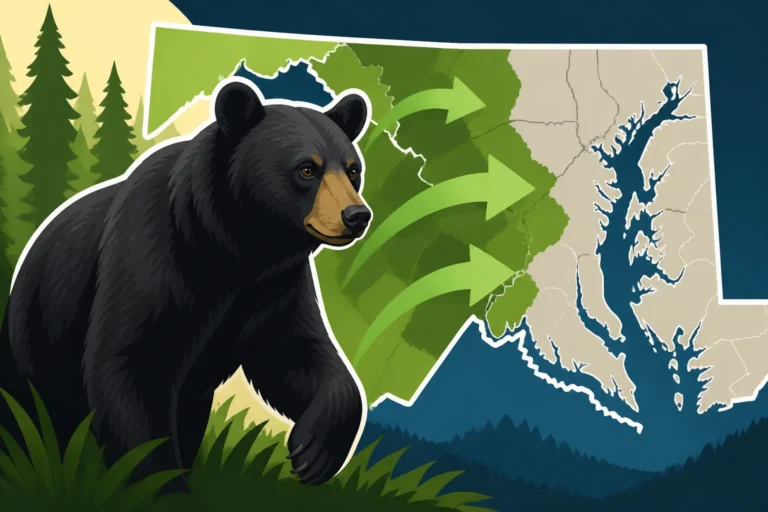
While Western Maryland is the stronghold, the most striking aspect of Maryland's black bear growth is their eastward expansion. Bears are intelligent and adaptable, and they are constantly seeking new territories with sufficient food and cover. Over the past few decades, sightings have become increasingly common in Washington and Frederick counties, moving closer to the more populated Piedmont region. It's no longer unusual to hear reports of bears near Frederick, Hagerstown, or even in areas south toward Montgomery County.
This expansion is driven by a combination of factors: a healthy and growing population in the west, a continuous corridor of suitable habitat along river valleys and forested tracts, and the bears' natural exploratory behavior, especially among young males looking to establish their own territories. You might find some surprising information if you look into Bear Sightings Outside the Four Hunt Counties. These new territories might not always have the extensive unbroken wilderness of Western Maryland, but bears are proving adept at navigating human-dominated landscapes, using woodlots, creek bottoms, and even suburban green spaces as travel corridors. This brings new challenges for wildlife managers and residents who are less accustomed to living with bears. When using mapping tools like those offered by GoHunt, you can sometimes visualize these expanding corridors, noting where fragmented green spaces still provide viable travel routes for dispersing animals.
Why the Numbers are Climbing: Factors Fueling Population Growth
The dramatic increase in Maryland's black bear population isn't just a stroke of luck; it's the result of several interconnected factors working in their favor. Understanding these elements helps us appreciate the success story and the ongoing challenges of managing a thriving wildlife species.
Habitat Recovery and Forest Maturation
One of the most crucial drivers of bear population growth has been the significant recovery and maturation of forest habitat across Maryland, particularly in the western and central parts of the state. Many areas that were once cleared for agriculture in the 19th and early 20th centuries have since reverted to forest. As these forests mature, they offer the diverse structure and abundant food sources that bears need. This includes large den trees, dense thickets for bedding cover, and a consistent supply of hard mast (acorns, hickory nuts) and soft mast (berries, wild grapes).
Furthermore, smart land management practices, including reforestation efforts and the protection of large contiguous blocks of forest, have created healthier, more resilient ecosystems. The establishment of state parks, state forests, and Wildlife Management Areas (WMAs) has provided crucial sanctuaries and protected travel corridors. This patchwork of protected and regenerating forests acts as an anchor for bear populations, allowing them to not only survive but also to expand their range. GoHunt can be particularly useful here, as its satellite imagery and public land overlays reveal these exact types of habitat recovery and connectivity.
Reduced Mortality and Management Success
Another significant factor in the population surge is the historically low mortality rate for bears in Maryland. For many years, bears were fully protected, meaning no hunting was allowed. This allowed the population to grow unchecked within the confines of available habitat. When the state did re-institute a regulated bear hunt, it was done cautiously and strategically, aiming to manage population growth rather than reduce it significantly in the core areas. This careful approach has allowed the overall population to continue its upward trend while addressing specific areas of conflict.
The Maryland Department of Natural Resources (DNR) has implemented a comprehensive black bear management program that balances population health, public safety, and opportunities for hunting. This includes careful monitoring of population dynamics, habitat assessments, public education campaigns, and responsive management of nuisance bear situations. The Maryland DNR's efforts to count its bear population through various methods, including trap-and-release studies and genetic analysis, provide essential data to inform these management decisions, ensuring that the population remains healthy and sustainable.
Balancing Act: Maryland's Black Bear Management Program
With a growing bear population comes the need for a robust and thoughtful management strategy. Maryland DNR has developed a multi-faceted approach to ensure the long-term health of the bear population while also addressing the increasing interactions and challenges faced by human residents.
The Role of the Annual Bear Hunt Lottery
One of the most visible and often debated components of Maryland's bear management program is the annual regulated black bear hunt. Instituted in 2004, after decades of no hunting, this hunt is a crucial tool for managing population growth, particularly in areas where numbers are highest and human-bear conflicts are most frequent. It's not about eradicating bears; it's about controlling their numbers to prevent overpopulation, reduce nuisance issues, and maintain a healthy, balanced ecosystem.
The hunt operates on a lottery system, meaning only a limited number of permits are issued each year, ensuring that the harvest is sustainable and aligned with management goals. Hunters must apply for the Maryland's Black Bear Lottery and are selected randomly. This ensures that the pressure is distributed and not concentrated on specific individuals or areas. The harvest numbers are carefully monitored, and the season length and permit numbers can be adjusted based on scientific data regarding population trends. This allows the DNR to be flexible and responsive to the needs of both the bears and the communities they inhabit. Understanding the specifics of the hunt, including the limited Maryland Bear Season Dates, is essential for anyone interested in participating.
Education and Conflict Prevention Initiatives
Beyond the hunt, a significant portion of bear management focuses on public education and conflict prevention. As bears expand their range into more populated areas, people who have never lived alongside these animals need to learn how to do so safely and responsibly. The DNR invests heavily in campaigns that teach residents about "bear-wise" practices, such as:
- Securing trash: Using bear-resistant containers or storing trash inside until collection day.
- Removing attractants: Taking down bird feeders, pet food, and outdoor grills when bears are active.
- Never feeding bears: Directly or indirectly, as this habituates them to humans and can lead to dangerous encounters.
- What to do during an encounter: Making noise, looking large, and slowly backing away.
These initiatives are crucial for mitigating potential problems before they escalate. By empowering residents with knowledge and practical strategies, the DNR aims to foster coexistence and reduce the likelihood of negative interactions. Tools like GoHunt can further aid in this, as they allow hunters and non-hunters alike to understand potential bear habitats and plan outdoor activities accordingly, minimizing surprises. Programs that mandate a Bear Hunter Education Course Requirement are also vital, ensuring ethical and responsible hunting practices.
Sharing the Landscape: Living Alongside Black Bears
As Maryland's black bear population continues to expand, more and more residents are finding themselves living in what is now considered "bear country." This shift brings both excitement and, at times, frustration, demanding a new level of awareness and adaptation from human communities.
Dealing with Nuisance Bears and Property Damage
The natural curiosity and strong drive for food that characterizes black bears can sometimes lead them into conflict with humans. A "nuisance bear" is typically one that repeatedly accesses human-provided food sources like garbage cans, pet food, bird feeders, or even backyard chickens, causing property damage in the process. These situations are often a direct result of attractants being readily available, rather than malicious intent from the bear. A bear that learns to associate human homes with easy meals will keep returning, and this can become a serious problem.
When a nuisance bear becomes habitual or aggressive, the Maryland DNR has protocols in place. This can range from hazing (making loud noises or using non-lethal deterrents to scare the bear away) to trapping and relocating the animal in more severe cases. However, relocation is often a temporary solution, as bears have an incredible homing instinct and may return or simply become a nuisance in a new area. The most effective long-term solution lies in prevention: eliminating all potential food attractants. This can be frustrating for homeowners, especially those who love feeding birds or have outdoor pets, but it's the single most impactful way to keep both bears and people safe. Understanding What a Western Maryland Bear Weighs can give you an idea of the sheer power behind these animals when they're looking for a meal.
Ensuring Safety in Bear Country
While black bears are generally shy and avoid humans, it's vital to remember that they are wild animals, and caution is always warranted, especially when recreating in forested areas or living in their expanded range. Most encounters are benign, with the bear quickly retreating. However, understanding how to act during a rare close encounter is crucial for personal safety.
Here are some key safety tips:
- Make your presence known: When hiking, talk, sing, or wear a bear bell to avoid surprising a bear.
- Hike in groups: Groups are generally noisier and more intimidating to bears.
- Keep dogs on a leash: Uncontrolled dogs can provoke a bear or lead it back to you.
- Store food properly: If camping, use bear-resistant canisters or hang food high in a tree.
- If you see a bear: Do not run. Remain calm, make yourself look as large as possible (wave arms, stand on tiptoes), make noise, and slowly back away.
- If a bear approaches: Stand your ground, continue to make noise, and be prepared to fight back if a bear makes physical contact (this is extremely rare with black bears, but preparedness is key).
By adhering to these guidelines, both residents and visitors can safely enjoy Maryland's natural beauty, even as they share it with a thriving black bear population. For those who hunt, knowing about Spot-and-Stalk Bear Hunting Maryland's Mountains provides further insight into bear behavior and habitat use, which translates to better safety even when not hunting.
The Future of Maryland's Black Bears: A Shifting Landscape
Maryland's black bear story is a conservation triumph, but it's also an ongoing narrative that requires continuous adaptation and thoughtful management. As the population continues its dynamic growth and expansion, the future will likely bring both new successes and evolving challenges.
Monitoring Expansion and Population Health
The Maryland DNR remains committed to meticulously monitoring the black bear population. This includes tracking harvest data from the regulated hunt, analyzing reports of bear sightings, investigating nuisance complaints, and conducting scientific studies on reproduction, survival rates, and genetic diversity. These efforts allow wildlife managers to gauge the overall health of the population and to predict where bears might establish new territories next.
As bears continue to disperse, particularly younger males, into areas further east, the DNR will need to remain proactive in its management and public outreach. Understanding exactly Where Maryland's Bear Range Is Expanding is crucial for advising communities on how to prepare and respond. This could involve expanding public education programs to new counties, adapting hunting regulations to address localized overpopulation, or even exploring new conservation strategies to ensure habitat connectivity. GoHunt's advanced mapping capabilities will undoubtedly be a valuable resource for both hunters looking to track bear movements and wildlife agencies monitoring their expansion.
The Ongoing Challenge of Human-Bear Coexistence
Perhaps the greatest ongoing challenge for the future will be fostering sustainable human-bear coexistence. For many Marylanders, especially those in the central and eastern parts of the state, bears are still a novelty, or perhaps a distant concern. But as these animals become a more regular presence, the need for education and proactive measures will intensify.
This includes continuous efforts to educate the public on preventing conflicts, promoting responsible outdoor recreation, and managing expectations. It also means adapting infrastructure in some areas, such as implementing bear-resistant trash containers in parks or communities near forested areas. The goal isn't to stop bears from expanding, but to ensure that this expansion happens in a way that minimizes negative interactions and maximizes the ecological benefits that bears bring to the landscape. It's a testament to successful conservation that we now have the privilege—and responsibility—of living with these magnificent creatures once again. For those who are successful in the lottery, understanding how to responsibly retrieve game, such as Packing a Bear Out of Savage River State Forest, is part of this coexistence.
Here's a look at Maryland's Bear Harvest numbers, showcasing the growth in hunting opportunities and the managed approach to the increasing population:
| Year | Permits Issued | Bears Harvested | Primary Counties (Harvest) |
|---|---|---|---|
| 2004 | 200 | 20 | Garrett, Allegany |
| 2005 | 250 | 35 | Garrett, Allegany |
| 2010 | 450 | 68 | Garrett, Allegany, Washington |
| 2015 | 700 | 114 | Garrett, Allegany, Washington |
| 2020 | 950 | 183 | Garrett, Allegany, Washington, Frederick |
| 2022 | 1150 | 202 | Garrett, Allegany, Washington, Frederick |
| 2023 | 1250 | 210 | Garrett, Allegany, Washington, Frederick |
Note: Numbers are approximate and subject to change based on final DNR reports. This table illustrates the general trend of increasing permits and harvest as the population grew and expanded.
Disclaimer
Please remember that hunting regulations, seasons, and licensing requirements can change. Always consult the most current Maryland Department of Natural Resources (DNR) official publications and website before planning any hunting activities. Safety should always be your top priority in the field.