What a Western Maryland Bear Weighs
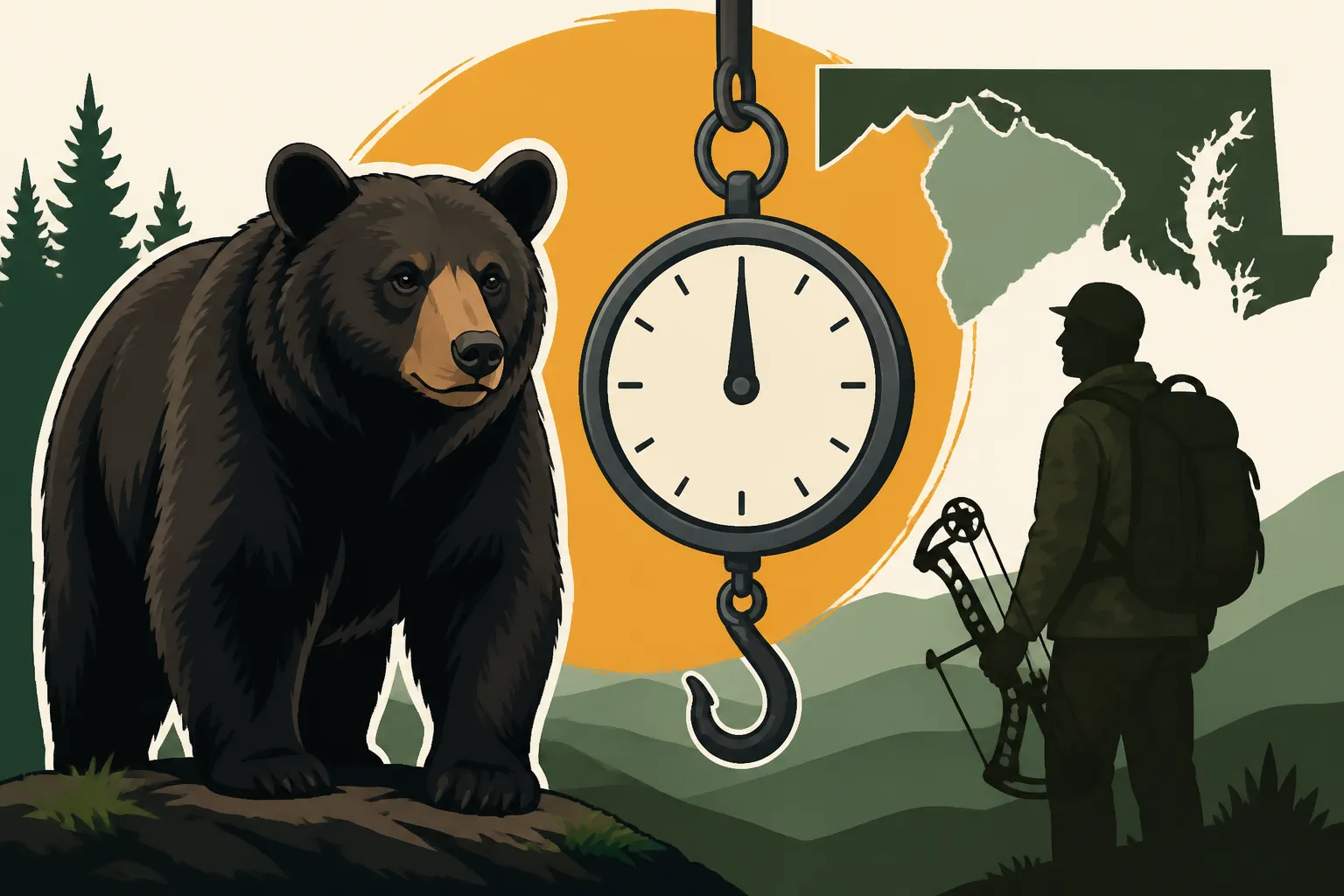
It's completely understandable to wonder about the sheer size of a black bear, especially when you're thinking about the majestic animals that roam Western Maryland's rugged mountains and dense forests. Hunters often need to know what to expect for recovery and processing, while wildlife enthusiasts are simply curious about these impressive creatures. This guide will walk you through the typical weight ranges for black bears in Maryland, what factors influence their size, and what you might encounter out in the field.
Understanding the Average Weight of a Maryland Black Bear
When we talk about the weight of a black bear in Western Maryland, we're not just throwing out a single number. These animals, like humans, vary greatly in size depending on a number of factors. However, there are certainly averages that can give you a solid idea of what to expect when you encounter one of these magnificent animals. It’s a far cry from the small game you might pursue on the Eastern Shore; these are truly formidable creatures.
Generally speaking, adult black bears in Maryland tend to fall within a predictable range, but outliers always exist. A key thing to remember is that bear weights can fluctuate significantly even within the same individual throughout the year, especially between their pre-denning peak in the fall and their leaner post-denning state in the spring. Understanding these dynamics is crucial, whether you're observing them from a distance or planning a hunt after drawing a coveted permit in the Maryland's Black Bear Lottery.
Typical Weight Ranges for Adults
For adult black bears in Maryland, you're usually looking at a pretty substantial animal. Males, often called boars, are consistently larger and heavier than females, known as sows. It’s just the way nature designed them, with males needing that extra heft for territorial dominance and breeding.
Most mature boars will weigh in anywhere from 250 to 450 pounds. Now, that's a significant chunk of muscle and fat! Imagine trying to field dress and recover an animal of that size. It requires serious planning and often a strong team. These larger males are typically older, having survived several seasons and having access to good food sources. Sows, on the other hand, usually range from 150 to 250 pounds. While still a very respectable size, it's a noticeable difference compared to their male counterparts. A young, independent bear might be at the lower end of these ranges, while a truly old, dominant bear could push the upper limits. Keep in mind that these are typical ranges, and individual bears can certainly fall outside them.
Influence of Age and Sex on Bear Weight
Age is one of the most significant factors in a bear's weight. Just like a deer, a bear doesn't reach its full size overnight. A yearling bear, for example, which is typically between one and two years old and has recently left its mother, will be much smaller. They might only weigh 50 to 100 pounds, still growing into their frame. As they mature over several years, their weight will steadily increase, especially if they can successfully find ample food and avoid hazards. A bear typically won't reach its peak weight until it's 5-7 years old or even older.
Sex, as mentioned, plays a huge role. Male bears simply have a larger skeletal structure and grow to be bigger. This is part of their evolutionary strategy; larger males tend to be more successful in competition for mates and resources. If you're out Scouting Bear Sign in Garrett County, you might notice tracks that suggest a much larger animal, which could indicate a big boar. Observing the nuances between male and female bear behavior and size is a fascinating aspect of understanding Black Bears in Western Maryland.
Seasonal Weight Fluctuations and Food Sources
One of the most dramatic changes in a black bear's weight comes with the changing seasons. Bears are masters of preparing for winter, and their bodies undergo incredible transformations to ensure survival during periods of scarcity. This is a critical point for hunters to understand, as the weight of a bear taken in early fall can be vastly different from one taken later in the season.
Maryland’s diverse landscape, from the Appalachian ridges to the valleys, offers a range of food sources that dictate how much fat a bear can pack on. The availability of these resources directly correlates with the overall health and size of the bear population, and it’s something wildlife biologists track closely to understand Maryland's Black Bear Population Growth.
Pre-Denning Bulk-Up in Autumn
Autumn is essentially a non-stop buffet for black bears. This is their crucial hyperphagia period, where they eat almost constantly to build up fat reserves for hibernation. Think of it as a natural, instinctive drive to put on as much weight as possible before the long winter nap. During this time, bears will gorge on acorns, hickory nuts, beechnuts, and any available berries or agricultural crops. This means a bear harvested in late October or early November will almost certainly be at its heaviest for the year.
It's not uncommon for a bear to increase its body weight by 30-50% during the fall feeding frenzy. A boar that weighed a solid 300 pounds in the summer could easily tip the scales at 400 or even 450 pounds by the time it enters its den. This incredible weight gain is almost entirely fat, which serves as their energy source through the lean winter months. This is especially relevant for those involved in Hunting Bear in Maryland's Six-Day Season when the weather starts to turn colder.
Leaner Times Post-Hibernation
Contrast that with a bear emerging from its den in the spring. After several months of living off those fat reserves, they are significantly leaner. A bear that went into hibernation at 400 pounds might emerge at 280-300 pounds, having shed a substantial amount of weight. Their muscle mass is still there, but the insulating layer of fat is greatly reduced.
Spring and early summer are focused on regaining strength and finding easily digestible foods like new green growth, insects, and carrion. They won't start packing on serious weight until the berries ripen and, later, the nut crops begin to fall in late summer and fall. If you're interested in the specifics of their diet, you might want to learn more about What Maryland Bears Eat in Fall.
Here's a simplified table illustrating typical weight ranges based on age, sex, and season for Maryland black bears:
| Category | Age | Sex | Spring/Summer (Lbs) | Fall (Pre-Denning) (Lbs) |
|---|---|---|---|---|
| Yearling | 1-2 years | Male | 50-100 | 75-125 |
| Female | 40-80 | 60-100 | ||
| Sub-Adult | 2-4 years | Male | 150-250 | 200-300 |
| Female | 100-180 | 140-220 | ||
| Adult | 4+ years | Male | 250-400 | 300-450+ |
| Female | 150-250 | 200-300 | ||
| Exceptional | Old/Dominant | Male | 400+ | 500-600+ |
Note: These are estimated ranges and individual bear weights can vary widely.
Record Bear Weights in Maryland
While the average weights give us a good baseline, it's those exceptional animals that really capture the imagination. Maryland has produced some truly giant black bears over the years, a testament to the healthy habitat and robust bear population found in the western counties. These record-setters often come from areas with abundant food and mature forests, allowing them to reach their genetic potential.
For hunters, hearing about these monsters provides a thrilling goal, but also a dose of realism about what a truly large bear means for the logistics of a hunt. The Maryland Department of Natural Resources carefully tracks these things, and the stories of these massive animals become local legends. The Maryland's Record Black Bear and Who Took It is a story often shared among hunters, highlighting the potential for truly impressive harvests in the state.
Documented Giants and Their Stories
The largest black bears harvested in Maryland often push well past the 500-pound mark, with some even approaching 600 pounds or more. These are truly impressive animals, often old, dominant boars that have successfully navigated the challenges of their environment for many years. When a bear of this size is harvested, it becomes a huge local event, and photos circulate quickly. Imagine the sheer effort required to get an animal of that size out of the woods, especially if you're deep in the rugged terrain of Savage River State Forest. You'd certainly want a solid plan and a capable team, perhaps guided by detailed mapping information from a service like GoHunt, to help with extraction logistics.
These bears aren't just heavy; they're also often quite long and tall, making them look even more imposing in person. Their skulls are typically large and robust, often qualifying for various record books, which adds to the allure for trophy hunters. Successfully pursuing a bear of this caliber is the culmination of careful scouting, patience, and a bit of luck.
Implications for Hunters and Wildlife Management
For hunters, encountering a bear pushing 500-600 pounds means you need to be prepared for a substantial recovery effort. This isn't like dragging a deer a few hundred yards. Packing a Bear Out of Savage River State Forest often involves quartering the animal in the field, using game carts, or even employing ATVs or horses on accessible trails. Not planning for this can turn an exciting harvest into a grueling ordeal. A tool like GoHunt can be invaluable for mapping out potential extraction routes ahead of time, ensuring you're ready for the heavy lift.
From a wildlife management perspective, these large bears indicate a healthy and thriving population. It shows that there's ample food and sufficient habitat for bears to reach their full growth potential. The presence of such large animals underscores the success of Maryland's bear management program, which carefully balances population control with sustainable hunting opportunities. The data collected from harvested bears, including weight, age, and sex, helps biologists monitor the overall health and demographic structure of the bear population.
Practical Considerations for Hunters
Beyond the sheer awe of their size, the weight of a Western Maryland black bear has very real, practical implications for hunters. From choosing the right gear to planning the post-harvest logistics, understanding bear weight is key to a successful and ethical hunt. This knowledge is as important as knowing where to find them or which weapon season to choose.
When you head into the mountains for Spot-and-Stalk Bear Hunting Maryland's Mountains, knowing what to expect in terms of animal size should influence your entire approach, from shot placement to the contents of your pack. It’s not just about the moment of the shot, but everything that comes after.
Field Dressing and Recovery Logistics
The first major consideration once a bear is down is field dressing. Due to their thick fat layer and dense muscle, field dressing a large bear can be more challenging and certainly more strenuous than field dressing a deer. Having a sharp, sturdy knife and even a small hatchet or saw can make the job much easier. Speed is often critical, especially in warmer early season conditions, to cool the meat down and prevent spoilage. You'll also need ample game bags to protect the meat.
Recovery is where the weight really becomes apparent. Even a 200-pound bear is a lot to move, let alone a 400 or 500-pounder. Rarely can one person move a large bear unassisted, especially out of rugged terrain. Having a hunting partner or a small team is highly recommended. Tools like game carts, heavy-duty sleds, and strong ropes or drags are essential. Some hunters will even quarter the animal in the field to make it more manageable, packing out individual pieces of meat and the hide. This is where pre-scouting with a tool like GoHunt to identify potential routes and recovery points really pays off. You want to know if that steep ravine you hiked down has an easier exit point nearby.
Gear and Planning for a Large Animal
Your gear choices should also reflect the potential size of the animal. While not directly related to weight, using a rifle with adequate power and a bullet designed for large game is paramount for ethical and clean kills. You'll want to avoid light calibers that might not penetrate sufficiently or deliver enough energy for a quick dispatch.
Beyond the firearm, think about your personal preparation. Are you physically conditioned to handle a strenuous recovery? Do you have enough water, food, and emergency supplies for a potentially long day of hard labor? Consider packing a small first-aid kit, a headlamp (even if you plan to be out before dark), and communication devices, especially if you're in an area with spotty cell service. A reliable GPS unit or a mapping app like GoHunt on your phone can also be crucial for marking the animal's location and navigating back to your vehicle, especially if you're trying to retrieve the bear after dark or need to make multiple trips. Planning for success means planning for the hardest part, and with bears, that often means the heavy lift.
Disclaimer
This article is for general informational purposes only and does not constitute professional advice. Laws, prices and regulations vary by location and change over time. Consult a qualified professional for guidance on your specific situation.