Why Maryland Turkey Numbers Dipped
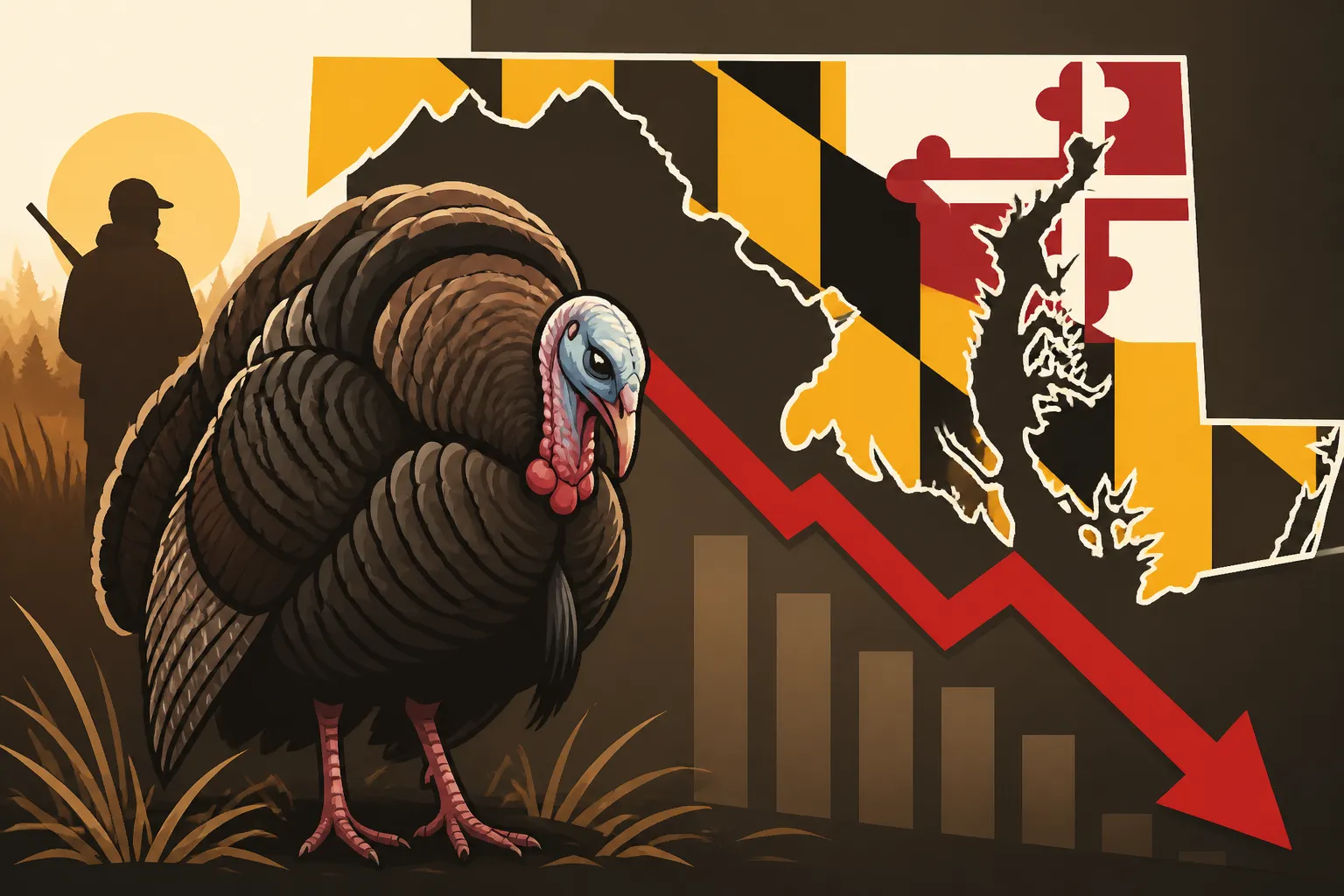
It's a conversation I've had with countless hunters across Maryland, from the mountain ridges of Garrett County to the quiet woodlots of the Eastern Shore: "Where are all the turkeys? Their numbers just don't seem like they used to be." You're not imagining it. Many dedicated turkey hunters have observed a noticeable dip in wild turkey populations in various parts of our beautiful state, and it's a frustration that’s deeply felt, especially when you've invested time scouting and calling with little to show for it. This guide will dive deep into the multifaceted reasons behind these perceived declines, exploring everything from environmental shifts to habitat pressures, and what these changes mean for the future of turkey hunting in Maryland.
The Complexities of Wild Turkey Populations
Understanding why turkey numbers might dip isn't as simple as pointing to one single cause. Wild turkey populations are incredibly dynamic, influenced by a delicate balance of factors that can change year to year, or even season to season. What might be a boom year for poult survival in one county could be a bust in another, and these localized trends can contribute to the overall feeling of fewer birds. It’s not just about seeing fewer birds in your favorite spot; it’s about understanding the intricate web of life that supports these magnificent game birds.
Habitat Loss and Fragmentation
One of the most significant pressures on wild turkeys, and indeed most wildlife, is the relentless march of development. As Maryland continues to grow, our forests and agricultural lands are increasingly converted into housing, shopping centers, and infrastructure. This doesn't just reduce the total amount of available land; it also fragments existing habitats.
Imagine a mature gobbler needing a large, contiguous patch of timber for roosting, surrounded by open fields for feeding, and dense undergrowth for hens to nest. When a highway slices through that prime habitat, or a new subdivision replaces a valuable woodlot, it isolates turkey populations. These smaller, separated groups become more vulnerable. They might not have enough space to find adequate food sources through all seasons, or the nesting cover might be too close to human disturbance or increased predator access. Hens, in particular, need undisturbed areas to lay their eggs and raise their broods, and if those areas shrink or become too disconnected, it directly impacts reproduction. A good mapping tool like GoHunt can show you how development encroaches on formerly wild areas, highlighting these fragmented zones.
Changes in Agricultural Practices
Historically, many of Maryland's wild turkey populations thrived in areas with a mosaic of forest and farmland. Traditional farming practices, with smaller fields, diverse crops, and plenty of hedgerows, often provided excellent habitat. These farms offered abundant food sources like waste grain and insects, alongside crucial cover for nesting and escape from predators.
However, modern agriculture tends to favor larger fields, monoculture crops, and fewer hedgerows. While these changes increase efficiency for farmers, they can reduce the quality and diversity of habitat for turkeys. Think about it: a vast field of soybeans might offer food for a short period, but it doesn't provide the varied cover or long-term forage that turkeys need year-round. Pesticide use can also reduce insect populations, which are a vital food source for young poults in their critical first weeks of life. These shifts mean that even if the land looks "open," it might not be supporting turkeys in the way it once did. Understanding What Maryland Turkeys Eat in Spring can shed light on how important diverse food sources are throughout the year.
Environmental Factors Beyond Our Control
Even when habitat is good, nature itself plays a huge role in the ebb and flow of turkey numbers. The weather, particularly during crucial periods, can be a major determinant of how many young birds survive to adulthood. And of course, turkeys exist within a complex food web, facing challenges from various predators. These are the elements that often make year-to-year population trends feel so unpredictable.
Weather Patterns and Poults
For wild turkeys, the success of a hatching season hinges significantly on the weather. Maryland's spring and early summer weather can be incredibly unpredictable, and this directly impacts poult survival, which is the backbone of future turkey populations.
Heavy, cold rains during the first few weeks after hatching can be devastating. Young poults are highly susceptible to hypothermia. They can quickly become waterlogged and chilled, making them vulnerable to illness or simply unable to regulate their body temperature. Imagine a clutch of freshly hatched poults trying to navigate through a deluge of cold rain; their small bodies simply aren't equipped for it. Prolonged wet conditions also make it harder for hens to keep their poults dry and warm, and it can reduce the availability of the insects that are absolutely critical for poult growth and development. If several consecutive years see poor poult survival due to adverse weather, it can lead to a noticeable decline in the overall turkey population, affecting Maryland's Turkey Harvest by Region in subsequent seasons. This is why you might see strong numbers one year and then a sudden drop just a few years later.
Predation Pressure
Wild turkeys have always lived with predators, it's a natural part of the ecosystem. However, changes in predator populations can sometimes exacerbate declines, especially when combined with other pressures like habitat fragmentation. Common turkey predators in Maryland include coyotes, raccoons, opossums, skunks, foxes, and various raptors. These animals prey on turkey eggs, poults, and sometimes even adult birds.
When turkey nests are placed in fragmented or suboptimal habitats, they can become easier targets for predators. For example, a hen nesting close to an urban-rural interface might face increased pressure from opportunistic predators whose populations thrive near human development. While predators are a natural part of the environment, an imbalance, or an increase in specific predator populations alongside other stressors, can make it harder for turkey numbers to rebound, especially after a year of poor poult survival. This is another area where local conditions can really impact what you experience in the woods; some areas may have higher localized predator densities than others.
Disease and Management Challenges
Beyond habitat and weather, turkeys, like all wildlife, are susceptible to various diseases and parasites that can impact their health and numbers. Furthermore, human management strategies, while intended to help, can also have unintended consequences or simply not be enough to counteract broader environmental challenges. It’s a constant balancing act for wildlife biologists and state agencies like the Maryland Department of Natural Resources.
Avian Diseases and Parasites
Wild turkeys can be affected by a range of diseases and parasites. While usually not widespread enough to decimate an entire state's population, localized outbreaks can certainly contribute to dips in specific areas. Diseases like Avian Pox, Lymphoproliferative Disease, and various parasitic infections can weaken birds, making them more susceptible to predation, starvation, or other environmental stressors.
For instance, Avian Pox often presents as wart-like lesions on unfeathered parts of the bird, which can interfere with feeding or sight. While typically not fatal to adult birds, it can be more serious for poults. Lymphoproliferative Disease can cause tumors, leading to emaciation and death. These diseases can be more prevalent in areas of higher turkey density or where birds are under stress from other factors. Parasites, such as blackhead disease (histomoniasis), which is often transmitted through consumption of cecal worms or earthworms, can also impact turkey health, particularly in areas where turkeys share habitat with domestic poultry or other bird species that can carry the parasite without showing symptoms. Monitoring Maryland Wild Turkey Population Trends often involves tracking these health indicators.
Shifting Hunting Pressure and Harvest Dynamics
Maryland has specific Maryland Turkey Seasons and Permits designed to manage harvest sustainably. However, hunter numbers and pressure can vary, and this can sometimes lead to localized perceptions of decline. While turkey hunting regulations are generally conservative and focus on harvesting gobblers (especially during the spring season) to protect breeding hens, changes in hunter behavior or access can influence numbers.
For example, increased hunter access to private lands, or concentrated pressure on public lands, could lead to more gobblers being harvested in certain areas. While not typically a population-level threat given current regulations, it can definitely make it feel like fewer birds are around for individual hunters. If everyone is Roost Hunting Gobblers on Maryland Farmland in the same few hotspots, those spots will naturally feel thinner faster. It's a perception issue as much as a numbers issue sometimes. Also, as hunters become more skilled and equipped with advanced scouting tools like GoHunt, they can become more effective at locating and harvesting birds, potentially leading to more localized pressure.
Table: Key Factors Influencing Maryland Wild Turkey Populations
| Category | Factor | Impact on Turkey Numbers |
|---|---|---|
| Habitat Changes | Habitat Loss/Fragmentation | Reduces total available range, isolates populations, limits nesting/feeding areas. |
| Agricultural Shifts | Less diverse forage, reduced insect populations for poults, fewer hedgerows for cover. | |
| Environmental Impacts | Cold, Wet Spring Weather | High poult mortality dueism and susceptibility to disease. |
| Predation Pressure | Eggs and poults vulnerable; increased impact in fragmented habitats. | |
| Health & Management | Avian Diseases & Parasites | Weakens birds, increases mortality, especially in stressed or dense populations. |
| Hunting Pressure | Localized reduction in gobbler numbers if pressure is high in certain areas. |
What Maryland is Doing (and What We Can Do)
It's easy to feel helpless when facing these complex issues, but state agencies, conservation groups, and individual hunters are actively working to support wild turkey populations. Understanding these efforts, and knowing how you can contribute, can make a real difference. Maryland's wildlife managers are always looking at data from sources like Maryland's Turkey Harvest by Region and hunter surveys to make informed decisions.
Research and Monitoring Efforts
The Maryland Department of Natural Resources (DNR) plays a crucial role in monitoring wild turkey populations. Wildlife biologists conduct annual surveys, track harvest data, and analyze long-term trends to understand the health and distribution of turkey flocks across the state. This includes brood surveys in summer to estimate poult production, which gives them a critical index of reproductive success.
These scientific efforts help the DNR adjust seasons, bag limits, and management strategies as needed. For example, if poult survival is consistently low in certain regions, they might consider more conservative hunting regulations or focus habitat improvement efforts in those specific areas. GoHunt, with its detailed mapping capabilities and public land layers, can also assist individual hunters in identifying and contributing to observations that align with DNR's efforts, although official data collection remains their primary role. By understanding the Maryland Wild Turkey Population Trends, the state can make data-driven decisions that benefit the species.
Habitat Improvement Initiatives
Perhaps the most impactful long-term solution to declining turkey numbers is through habitat improvement. Both public and private land managers are working to create and maintain the diverse habitats that turkeys need to thrive.
On public lands, this often involves active forest management, such as prescribed burns, timber harvests that create diverse age classes of trees, and planting beneficial food plots. These actions open up the forest understory, promoting the growth of native grasses, forbs, and shrubs that provide food and cover for turkeys. If you're looking for public land opportunities, be sure to check into Maryland Public Land Hunting Permits and look for areas where active habitat work is occurring. Many Wildlife Management Areas (WMAs) undergo regular habitat improvements, benefiting turkeys and other species.
For private landowners, programs exist that offer technical and financial assistance for creating turkey-friendly habitat. This could mean planting native warm-season grasses for nesting cover, establishing diverse food plots, leaving standing crops or field borders, and managing timber for optimal forest health. Conservation organizations like the National Wild Turkey Federation (NWTF) also play a huge role, partnering with landowners and agencies to fund and implement habitat projects. Every small patch of quality habitat contributes to the larger picture, helping to ensure that the next generation of hunters has opportunities to pursue a mature gobbler, whether they are Hunting Maryland's Junior Turkey Day or going for their second bird in the Fall Turkey Hunting Maryland's Western Counties.
By focusing on these proactive measures, from careful monitoring and research to hands-on habitat work, we can collectively strive to reverse these dips in turkey numbers and ensure a vibrant future for wild turkeys in Maryland.
Disclaimer
This article is for general informational purposes only and does not constitute professional advice. Laws, prices and regulations vary by location and change over time. Consult a qualified professional for guidance on your specific situation.