What Maryland Is Doing for Quail Habitat
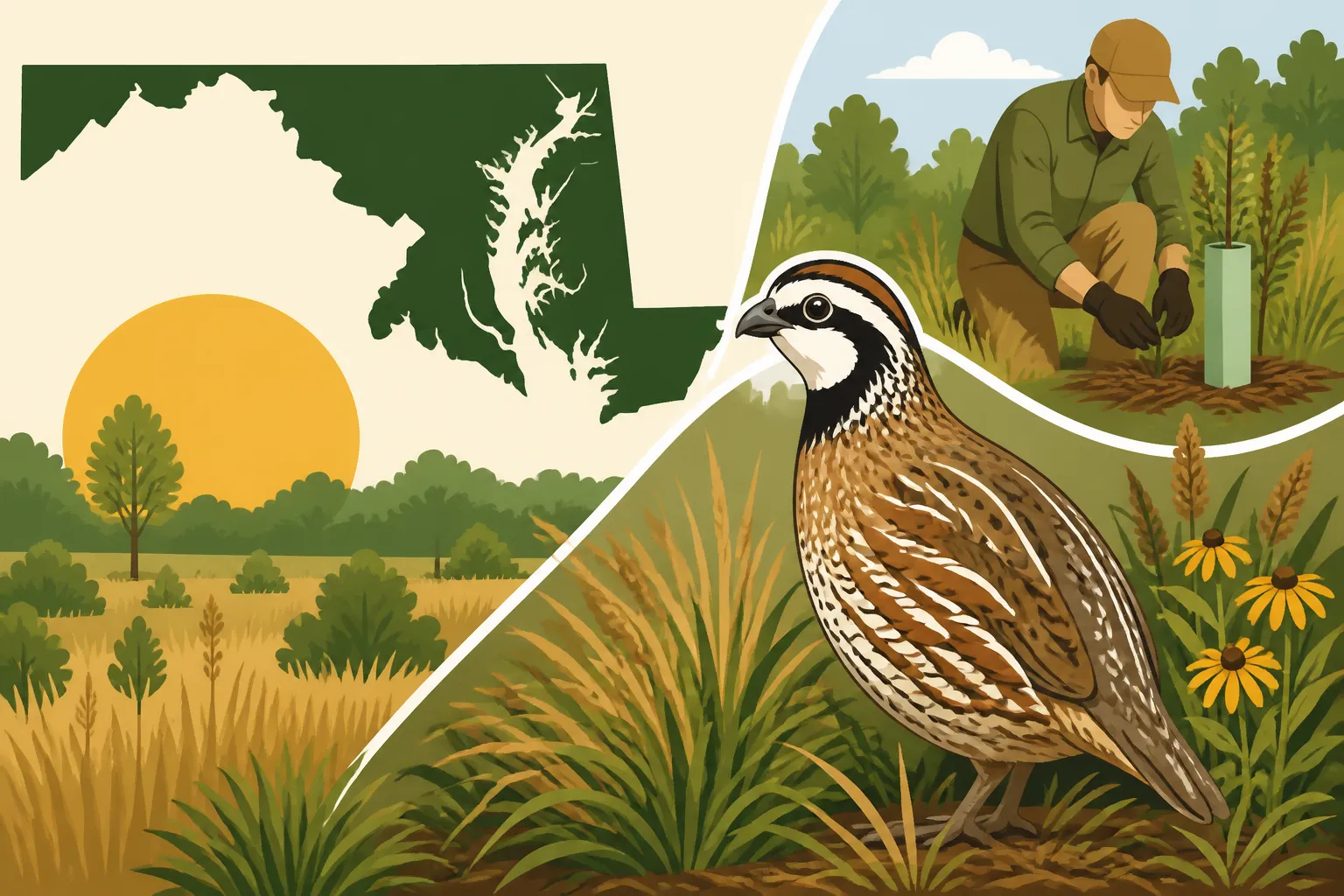
For those of us who grew up hearing the distinctive "bob-WHITE!" call echo across Maryland fields, the silence today can feel truly disheartening. It's a stark reminder of how much our natural landscapes have changed, and with it, the vibrant populations of northern bobwhite quail that once thrived here. This guide isn't just about lamenting what's lost, though; it's about exploring the determined efforts being made across Maryland to bring these cherished game birds back, one carefully planned habitat improvement at a time.
The Heartbreaking Decline of Maryland's Bobwhite Quail
If you've spent any time hunting or simply enjoying the outdoors in Maryland over the past few decades, you've likely noticed the profound absence of wild bobwhite quail. For many, it's more than just a missing game bird; it's a missing piece of the state's natural heritage, a sound and a sight that was once common and now feels almost mythical. The decline wasn't sudden, but rather a slow, creeping erosion of the very conditions these birds need to survive and flourish.
A Landscape Transformed, A Habitat Lost
Think back to old photographs of Maryland farmlands – patchwork quilts of small fields, often bordered by unruly hedgerows, brushy ditch banks, and little woodlots. These were the havens for bobwhite quail, offering everything a covey needed: escape cover, nesting sites, and a buffet of insects and seeds. Generations of hunters, myself included, recall flushing entire coveys from these natural fringes, the explosive burst of wings a thrilling sound in the crisp autumn air.
However, the agricultural landscape has undergone a dramatic transformation. The drive for efficiency and larger-scale farming meant that those "weedy" edges, brushy fencerows, and small, diverse fields were seen as unproductive space. Bulldozers and herbicides cleared the land, consolidating small plots into vast, monoculture fields of corn or soybeans. Suburban sprawl, too, devoured prime quail habitat, replacing brushy thickets and native grasslands with manicured lawns, housing developments, and sterile commercial zones. The result? A landscape that, while perhaps neat and orderly to human eyes, became a barren desert for a bird like the bobwhite. The feeling of loss for those who remember the good old days is palpable, a genuine ache for a wildness that seems to have slipped away. Many folks who use tools like GoHunt for scouting today will notice how much open ground has been converted, making the pockets of remaining habitat even more precious.
Why Quail are So Vulnerable to Habitat Change
Bobwhite quail aren't like deer or turkeys, which can often adapt to various types of cover and food sources. Quail are specialists, and their specific needs make them incredibly vulnerable to changes in their environment. They require a very particular mosaic of habitat components, all within a small home range, to get through a year.
First and foremost, they need dense, low-growing cover. This isn't just any brush; it needs to be thick enough to hide a small bird from the keen eyes of a hawk or fox, but open enough at ground level for them to run and forage. Think briar patches, plum thickets, or dense native grasses. This same cover is vital for nesting, protecting their eggs and chicks from predators and the elements. Without it, their nests are easily found, and their tiny, vulnerable chicks have no refuge.
Secondly, quail need a diverse pantry of food. Their diet shifts with the seasons, from protein-rich insects for growing chicks to a wide variety of seeds, berries, and tender shoots for adults. Modern agriculture often removes this diversity. A vast field of a single crop doesn't provide the year-round buffet a quail covey needs. They thrive on the "weeds" – the ragweed, partridge pea, and various grasses that produce the small, nutritious seeds they depend on. When these are gone, so is their sustenance. As hunters, we often focus on Late Season Food Sources for Maryland Deer, but quail need their own consistent, varied diet throughout the year. The lack of these intricate habitat pieces is precisely why we’ve seen such a dramatic decline in the state's wild quail populations.
Maryland's Commitment to Quail Recovery: A Multi-pronged Approach
Despite the challenges, the good news is that Maryland isn't giving up on its bobwhite quail. There's a dedicated effort, driven by state agencies, conservation groups, and passionate individuals, to reverse the trend and bring these iconic birds back. It’s a complex undertaking, requiring patience and a deep understanding of quail ecology, but the commitment is real.
State-Led Initiatives and Restoration Programs
Maryland's Department of Natural Resources (DNR) is at the forefront of these efforts, working tirelessly to create and restore vital quail habitat on both public and private lands. These aren't just one-off projects; they are sustained programs aimed at making long-term changes to the landscape.
Many of these initiatives focus on managing existing public lands, like Wildlife Management Areas (WMAs) and State Forests, to benefit quail and other early successional species. This involves practices like targeted timber harvesting, which creates brushy clearcuts; managing existing fields for native warm-season grasses; and establishing "wildlife corridors" that connect isolated pockets of habitat. For example, Habitat Work on Maryland Wildlife Management Areas often includes specific management blocks dedicated to recreating these conditions. The DNR also engages in extensive research, monitoring existing quail populations (where they still exist) and evaluating the effectiveness of different habitat restoration techniques. This scientific approach ensures that resources are allocated to strategies with the greatest chance of success, tackling the problem with data-driven decisions rather than guesswork.
Working with Private Landowners: The Key to Widespread Impact
While public lands are crucial, the vast majority of suitable quail habitat in Maryland is found on private property. This makes engaging and assisting private landowners absolutely essential for any widespread quail recovery effort. Without their cooperation, even the most ambitious state programs would only scratch the surface.
To this end, various state and federal programs offer technical and financial assistance to landowners interested in improving habitat on their properties. These might include cost-share programs that help cover the expense of planting native warm-season grasses, establishing hedgerows, or creating brushy escape cover. Wildlife biologists from the DNR and other conservation partners often provide free on-site consultations, helping landowners develop customized habitat management plans. They might advise on practices like delaying mowing, planting specific native seed mixes, or managing timber to create suitable quail cover. Many landowners are keen to improve their land for wildlife, and these programs provide the expertise and financial nudge they need. Hunters looking for private land access might also suggest habitat improvements as part of their pitch to landowners, perhaps even using a tool like GoHunt to visually demonstrate potential improvements on aerial photos. For those interested in managing their land, understanding Maryland Landowner Hunting Exemptions can also be a helpful tool in combining land stewardship with hunting opportunities.
Prescribed Fire and Other Habitat Management Tools
One of the most powerful tools in Maryland's quail habitat restoration toolbox is prescribed fire, also known as controlled burning. This isn't just setting a field on fire; it's a carefully planned and executed management technique that mimics natural processes, historically driven by lightning or Native American practices, that once shaped our landscapes.
Prescribed fire plays a critical role in creating and maintaining the type of early successional habitat that quail desperately need. It helps to clear out dense, undesirable woody vegetation, reduces competition from invasive species, and stimulates the growth of native grasses and forbs that produce essential seeds and attract insects. By burning off old, matted vegetation, it creates open ground for quail to forage and new, tender shoots for them to eat. This process cycles nutrients back into the soil, essentially resetting the ecological clock and promoting vigorous, beneficial growth. Beyond fire, other techniques are employed, such as disking – disturbing the soil to encourage "weedy" growth, which is gold for quail. Targeted timber thinning, especially in pine stands, can also open up the understory, allowing sunlight to reach the ground and stimulate the growth of beneficial plants. Planting specific native warm-season grasses like switchgrass, indiangrass, and big bluestem also provides excellent nesting and loafing cover that holds up well through winter. All these tools are part of a concerted effort to weave back together the rich tapestry of habitat that quail rely on.
Here's a quick look at some key habitat features and their importance for quail:
| Habitat Feature | Benefit for Quail | Impact of Loss | Restoration Effort |
|---|---|---|---|
| Dense Brushy Edges | Escape cover from predators, nesting sites | Increased predation, reduced nesting success | Planting thickets, creating brush piles, leaving fencerows |
| Native Grasslands | Nesting cover, insect foraging, winter thermal protection | Exposure to weather, lack of insect food, poor nesting | Planting warm-season grasses, prescribed burning |
| "Weedy" Fallow Fields | Diverse seed sources, insect production | Limited food availability, reliance on monoculture crops | Disking, rotational mowing, planting diverse food sources |
| Thinned Timber Stands | Open understory for foraging and movement | Dense, dark woods; lack of ground-level food/cover | Selective cutting, prescribed fire |
| Water Sources | Essential for hydration | Dehydration, limited range expansion | Protecting natural seeps, establishing small ponds |
The Future of Quail in Maryland: Challenges and Hope
The journey to bring back bobwhite quail in Maryland is undoubtedly a challenging one. It's not a quick fix, and the obstacles are significant. However, there's also a strong undercurrent of hope, fueled by dedicated conservationists and the resilience of the birds themselves, given the right conditions.
Long-Term Vision and Ongoing Challenges
Realistically, restoring quail populations to their historical abundance will take many years, if not decades. It's a marathon, not a sprint, and requires sustained funding, consistent effort, and public understanding. One of the biggest challenges is simply the scale of habitat degradation. Recreating complex, interconnected habitat over large areas is expensive and time-consuming. Imagine trying to transform vast tracts of intensively farmed land or densely developed suburbs back into diverse quail country – it's a monumental task.
Another significant hurdle is the constant battle against invasive species. Plants like Japanese stiltgrass, multiflora rose, and kudzu can quickly outcompete native vegetation, forming dense monocultures that offer little value to quail. Managing these invasives requires ongoing effort and often specialized techniques. Furthermore, there's the economic pressure on landowners. Farmers often face tight margins, and taking land out of production for habitat, even with cost-share incentives, can be a difficult decision. Public perception also plays a role; what one person sees as "wildlife habitat," another might see as an unkempt mess. Overcoming these challenges requires not only scientific expertise but also strong communication and community engagement.
How Hunters and Conservationists Can Get Involved
The good news is that everyone, especially hunters and conservation-minded individuals, can play a part in Maryland's quail recovery. Our collective actions, no matter how small, add up and contribute to the larger effort.
One of the most impactful ways to help is to support organizations dedicated to quail conservation. Groups like Quail Forever, for instance, work directly with landowners and agencies to implement habitat projects on the ground. Your membership fees or donations directly fund these vital initiatives. Volunteering for habitat workdays on local WMAs or private lands is another excellent way to contribute your time and energy. You might be planting native grasses, building brush piles, or removing invasive species.
If you own land, even a small parcel, consider implementing quail-friendly practices. This could involve leaving "weedy" strips around field edges, planting a diverse mix of native wildflowers and grasses, or creating brush piles for escape cover. Tools like GoHunt can be incredibly useful for visualizing your property and planning where to create or improve habitat. You can also advocate for wildlife-friendly policies in your community and educate your neighbors about the importance of native habitats. Even choosing to purchase hunting licenses and stamps helps, as a portion of these funds often goes directly to habitat restoration and management programs. Every little bit truly helps to give the bobwhite quail a fighting chance in Maryland. Perhaps you'll even learn more about Hunting Maryland's Released Pheasant Days, another upland bird effort, but one that highlights the ongoing work to provide upland bird opportunities in the state.
Disclaimer
This article is for general informational purposes only and does not constitute professional advice. Laws, prices and regulations vary by location and change over time. Consult a qualified professional for guidance on your specific situation.