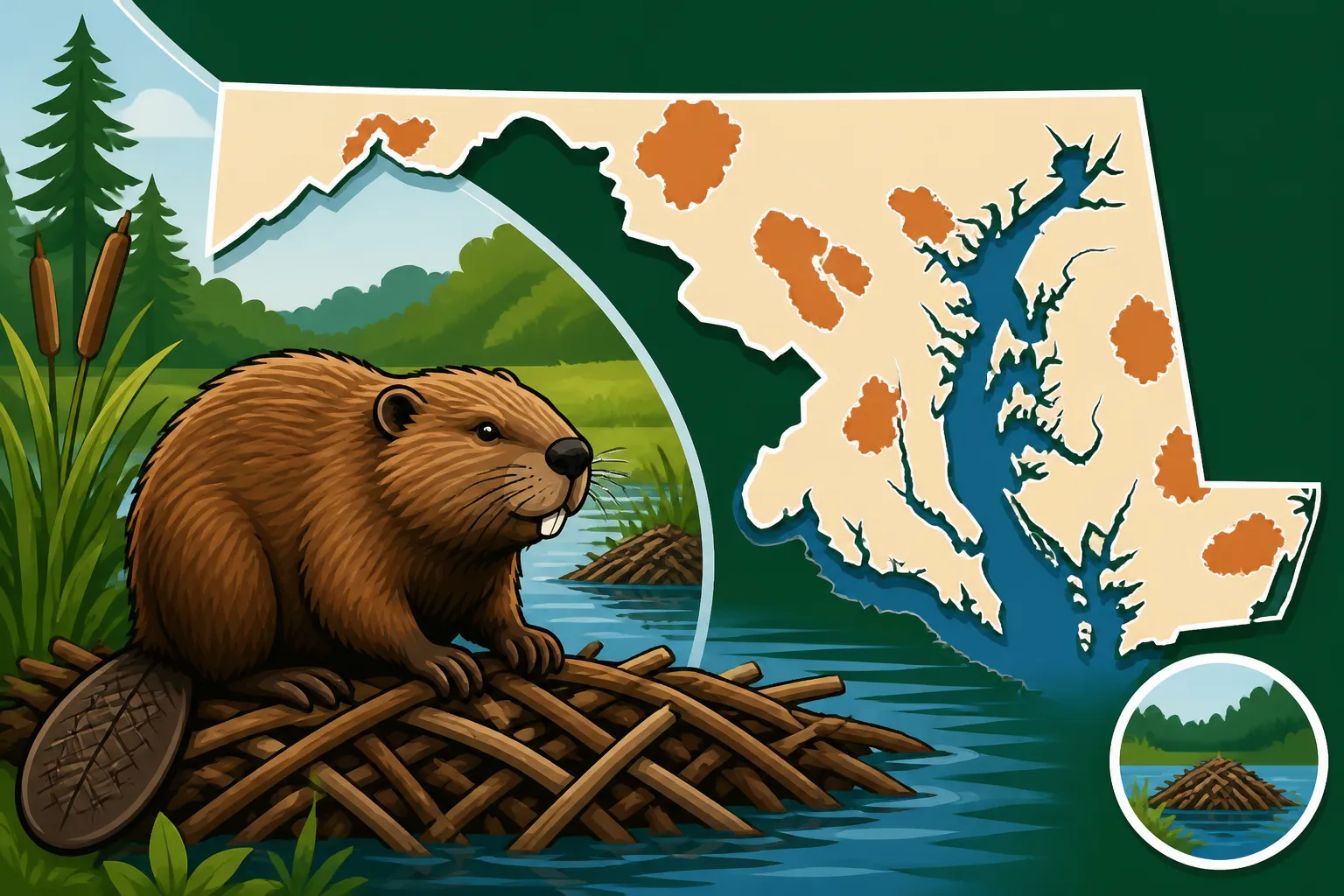
Where Beavers Have Spread in Maryland Streams
You know, for a critter that was once practically nonexistent in much of Maryland, beavers have really made a comeback in our state's waterways. Many folks, even seasoned hunters and landowners, might not fully grasp just how widespread their presence has become and the profound impact their dam-building and tree-felling habits have on our streams, rivers, and surrounding landscapes. This guide is all about exploring where beavers have spread across Maryland's diverse ecosystems and what that means for both nature and those of us who spend time afield.
The Resurgence of Beavers in Maryland's Waterways
It's truly remarkable to think about the journey beavers have taken in Maryland. Not that long ago, their distinctive flat tails and industrious ways were a rare sight, mostly relegated to history books and old trapping tales. Now, drive through certain parts of the state, or spend enough time exploring various stream systems, and you'll inevitably stumble upon their handiwork.
From Near Vanishment to Widespread Presence
Historically, beavers were abundant across North America, including Maryland. Early European settlers quickly recognized the value of their pelts, and unregulated trapping led to their near extirpation by the late 1800s and early 1900s. Imagine a Maryland landscape without beavers, without the intricate wetlands and water features they create. It was a very different place.
However, thanks to conservation efforts, reintroduction programs, and a reduction in trapping pressure during the 20th century, beavers slowly but surely began to reclaim their ancestral lands. They were carefully reintroduced in some areas, but in others, they simply expanded their range from neighboring states, steadily working their way back into our stream systems. Today, you'd be hard-pressed to find a county in Maryland that doesn't host at least a few active beaver colonies. Their quiet, persistent work has transformed countless stretches of moving water into sprawling, complex wetlands, demonstrating a powerful ecological comeback that's both fascinating and, at times, challenging.
The Ecological Impact of Beaver Dams and Ponds
Beavers are often called "ecosystem engineers" for good reason. Their primary activity—building dams—fundamentally alters stream hydrology and creates new habitats. When beavers dam a stream, they slow down water flow, increase water retention, and create ponds. These ponds then lead to a cascading series of ecological changes:
- Wetland Creation: The flooded areas become diverse wetlands, fostering the growth of water-loving plants and increasing biodiversity.
- Water Quality Improvement: Beaver ponds can act as natural filters, trapping sediment and pollutants, which can improve water quality downstream.
- Increased Water Table: The elevated water levels can raise the water table in adjacent areas, benefiting riparian vegetation and sometimes even agricultural land, though it can also flood it.
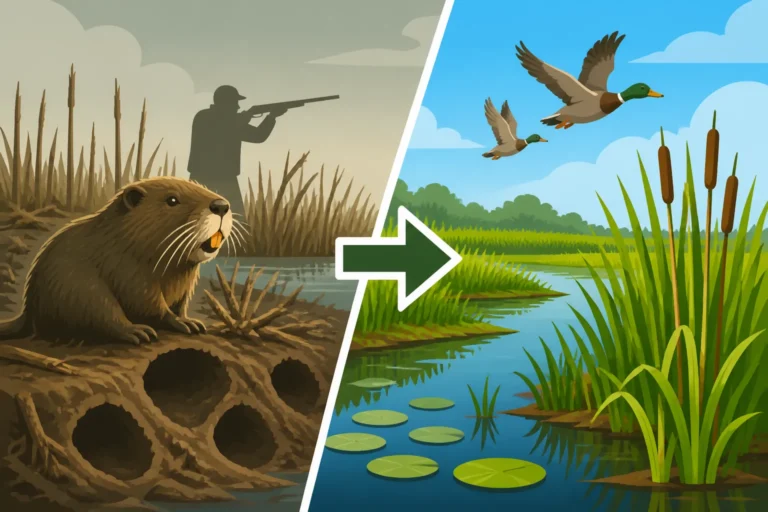
- Habitat for Other Species: These new wetlands provide crucial habitat for a host of other species, from waterfowl and amphibians to furbearers like muskrats and otters. We'll dive into that more later, but it's important to recognize that a beaver pond isn't just a pond; it's a dynamic, living system that impacts everything around it.
It's a delicate balance, of course. While these changes can be incredibly beneficial for overall ecosystem health, they can also cause issues for human infrastructure, like flooding roads, timberlands, or even agricultural fields. Understanding this dual nature of their impact is key to appreciating their widespread return.
Identifying Key Beaver Habitats and Signs
If you spend any time scouting or hunting in Maryland, especially near water, knowing how to spot beaver activity can give you a real edge. Their presence isn't always obvious, but once you know what to look for, you'll start seeing their signs everywhere.
Preferred Stream Characteristics for Beaver Colonies
Beavers aren't just going to set up shop anywhere. They have specific preferences that dictate where they choose to build their homes and dams. Generally, they favor streams and small rivers that offer:
- Abundant Food Sources: Beavers are vegetarians, primarily eating the bark, leaves, and cambium of deciduous trees like aspen, willow, birch, and maple. They also munch on aquatic vegetation. Streams bordered by these types of trees are prime real estate for them.
- Sufficient Water Depth: They need water deep enough to submerge the entrance to their lodge for protection from predators, and for storing food caches underwater during winter. This is why they often dam smaller, shallower streams to create deeper ponds.
- Gradual Slopes: Streams with relatively gentle gradients are easier for them to dam effectively. Rapidly flowing, steep mountain streams are less commonly chosen, though they can adapt to a surprising variety of environments.
- Soft, Workable Banks: While they're master engineers, they still prefer banks that are relatively easy to dig into for constructing their lodges or bank dens.
You'll often find them in slow-moving sections of tributaries, creeks, and even larger river backwaters. Think about those winding, meandering streams in the Piedmont or the lower reaches of rivers on the Eastern Shore – these are often prime beaver country. A quick look at a mapping app like GoHunt can help you identify these types of waterways before you even set foot on the ground.
Recognizing Beaver Sign on the Landscape
Once you're in potential beaver habitat, there are several tell-tale signs that betray their presence. Look for these clues:
- Chewed Trees: This is perhaps the most obvious sign. Beavers gnaw down trees with a distinctive hourglass shape at the base, leaving behind chisel-like tooth marks. They'll also debark fallen limbs and stumps. These chews can range from small saplings to surprisingly large trees that seem impossible for an animal to fell.
- Dams: Of course, the dams themselves are a dead giveaway. These impressive structures, made of sticks, mud, rocks, and vegetation, are built across streams to create impoundments. They vary widely in size, from small, leaky affairs to massive structures spanning dozens of feet and backing up acres of water.
- Lodges and Bank Dens: Beavers live in either lodges—dome-shaped structures made of sticks and mud built in the middle of their pond—or bank dens, which are burrows dug into the bank with underwater entrances. You might see the top of a lodge poking out of the water, or simply an area of reinforced bank that looks suspiciously like a den entrance.
- Slides and Canals: Beavers create well-worn slides down banks into the water, and sometimes dig intricate canals through shallow areas to access food sources further away from the main pond. These canals can sometimes look like small, man-made ditches.
- Scent Mounds: In certain times of year, especially during mating season, beavers will create small mounds of mud and debris near the water's edge and mark them with castoreum, a musky secretion from a gland near their tail. These act as territorial markers.
By being observant and knowing these signs, you can quickly assess if beavers are active in an area. This knowledge can be particularly useful when you're scouting for other game, as beaver activity often creates fantastic habitat for deer and waterfowl alike.
The Impact of Beaver Activity on Hunting and Wildlife
The presence of beavers fundamentally changes the ecosystem, and these changes have significant ripple effects on other wildlife species, including the ones we hunt. It's a prime example of how one species can act as a keystone, shaping the landscape for many others.
Habitat Creation and Alteration for Other Species
For some species, beaver ponds are an absolute boon, creating much-needed habitat:
- Waterfowl: Ducks, especially species like wood ducks, absolutely thrive in beaver ponds. The still, shallow water, abundant aquatic vegetation, and standing dead timber for nesting cavities make these areas ideal. If you're Hunting a Beaver Pond for Wood Ducks, you know the value of these natural impoundments. Geese will also use larger beaver ponds, and the edges of these ponds can provide great cover for shorebirds and wading birds.
- Muskrats and River Otters: These furbearers are often found in close proximity to beavers. Muskrats utilize the quiet waters for their homes and feed on the vegetation, while River Otters in Maryland Waters are drawn to the abundant fish and amphibian populations that flourish in beaver-created wetlands. If you're interested in Maryland's Furbearers and Where They Live, understanding beaver habitat is crucial.
- Deer: While not directly using the water, deer benefit from the increased browse created by beaver-felled trees and the thick cover that grows up around the wetland edges. The mosaic of open water, thickets, and regenerating forest provides excellent bedding and feeding opportunities. Many a hunter has found a deer trail skirting the edge of a beaver pond, using the dense cover for security. The changes to the water table can also promote certain soft mast production, which deer will key into.
- Amphibians and Reptiles: The still, warm waters of beaver ponds are perfect breeding grounds for frogs, salamanders, and various snake species, providing a vital link in the food chain.
However, not all impacts are positive. If beavers flood mature timber, it can kill valuable trees, changing forest composition. They can also create barriers to fish migration on smaller streams, although studies have also shown they can create better habitat for juvenile fish in other ways. It’s a complex picture, but undeniably, beavers are powerful agents of change.
Managing Beavers: Trapping and Landowner Considerations
While beavers are largely beneficial to the environment, their industrious nature can sometimes conflict with human interests. Flooded agricultural fields, damaged timber, blocked culverts, and compromised infrastructure like roads or septic systems are common complaints. This is where management comes into play.
- Trapping: In Maryland, beavers are a regulated furbearer, and trapping is the primary method of population control and damage mitigation. Trapping Maryland Furbearers Through Winter is a traditional practice that helps manage their numbers where conflicts arise. Trappers often work with landowners to remove nuisance beavers. The season for trapping beavers is set by the state and generally runs through the colder months when their pelts are prime. You can find specific Trapping Season Dates by Species through the Maryland Department of Natural Resources.
- Flow Devices: For landowners who don't want to remove beavers but need to prevent flooding, "beaver deceivers" or other flow devices can be installed in dams. These devices allow water to flow through the dam at a controlled rate, preventing excessive flooding while still allowing the beavers to maintain their pond. This is an increasingly popular non-lethal management option.
- Landowner Awareness: For those who own land along streams, it's wise to be aware of potential beaver activity. Regular scouting, perhaps using tools like GoHunt to mark potential activity zones, can help identify problems early. Understanding the regulations around beaver management and knowing when to call a professional trapper can save a lot of headaches (and flooded property!) in the long run.
The key is finding a balance where beavers can continue to contribute to the natural ecosystem while minimizing conflicts with human land use.
Geographic Distribution: Where Beavers are Thriving Across Maryland
Beavers are remarkably adaptable, and their spread isn't confined to one specific type of terrain in Maryland. From the Appalachian foothills to the coastal plain, they've found ways to thrive.
Western Maryland's Mountain Streams
In Western Maryland, particularly in counties like Garrett and Allegany, beavers have found a niche in the headwater streams and smaller tributaries that feed into larger rivers like the Potomac. While the steeper gradients of some mountain streams might seem less ideal, beavers seek out the flatter sections, often in broad valleys or where a stream meanders through a gentler terrain.
Here, their ponds can be vital, creating pockets of wetland biodiversity within the otherwise forested mountain landscape. You might find them along the upper reaches of Savage River State Forest or in the numerous smaller creeks that crisscross Green Ridge State Forest. Hunters who spend time Still-Hunting Western Maryland Mountain Timber or looking for sign in these areas will often come across beaver activity, sometimes in unexpected places, creating new clearings and water sources that attract deer and other game. These high-elevation wetlands can also be critical during dry spells, holding water when other sources dwindle.
Piedmont and Coastal Plain Tributaries
The rolling hills of the Piedmont region and the vast, flat expanse of the Coastal Plain (especially the Eastern Shore) offer perhaps the most ideal habitat for beavers in Maryland. Here, the streams tend to be slower-moving, with gentler slopes and an abundance of suitable deciduous trees like red maple, sweet gum, and various oaks and hickories that beavers readily utilize.
- Piedmont: Counties like Frederick, Carroll, and Harford, with their numerous small creeks and river systems, are teeming with beaver activity. Their dams can create significant impoundments that turn a narrow creek into a substantial pond, often leading to conflicts with agriculture or suburban development.
- Coastal Plain/Eastern Shore: This region is a beaver paradise. The vast network of slow-moving rivers, tidal creeks, and ditches, coupled with abundant wetland vegetation and suitable trees, provides endless opportunities for them to expand. Dorchester, Wicomico, and Somerset counties, known for their extensive marshlands, also host healthy beaver populations in the freshwater and brackish areas. These coastal plain beaver ponds often blend seamlessly into the natural marsh landscape, creating a complex mosaic of open water and thick vegetation that is a haven for Ducks of Maryland's Chesapeake Bay and Small Game Species in Maryland. You might even spot their work while Hunting a Chesapeake Bay Blind at First Light or exploring marsh edges.
In essence, if you're near a perennial water source in Maryland that isn't too steep or too salty, there's a good chance beavers have either established a colony or are on their way. Their quiet return is a testament to nature's resilience and a constant reminder that the landscape is always changing, shaped by the creatures that call it home.
Disclaimer
This article is for general informational purposes only and does not constitute professional advice. Laws, prices and regulations vary by location and change over time. Consult a qualified professional for guidance on your specific situation.