Maryland’s Record Black Bear and Who Took It
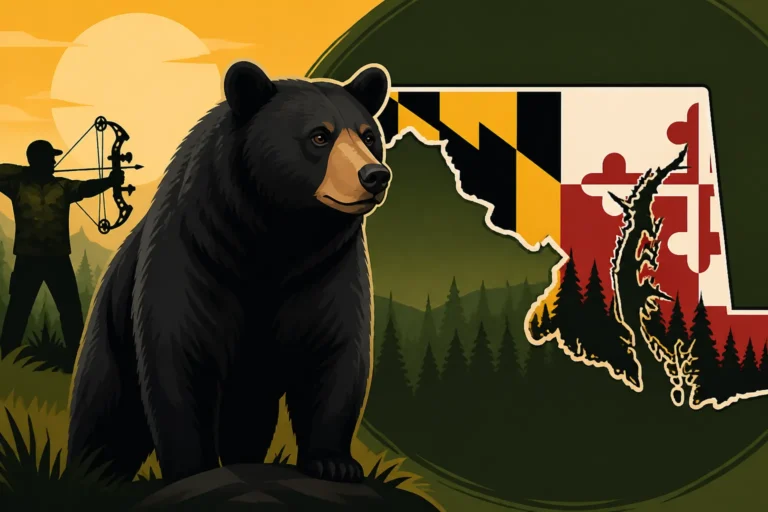
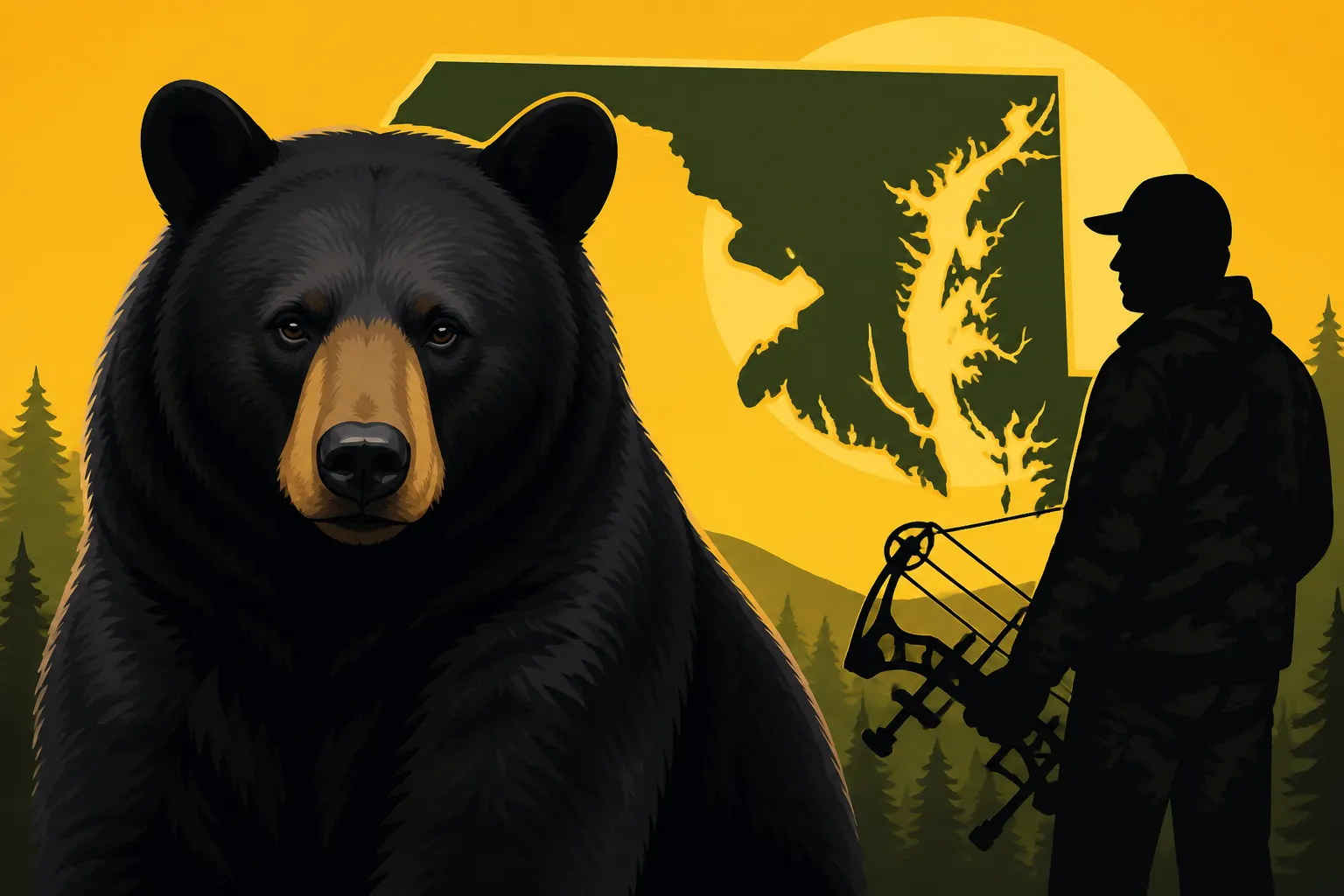
The whispers of giant black bears lurking in Maryland's rugged western mountains are more than just campfire tales; they represent the ultimate challenge for many big game hunters. For years, folks have heard stories of truly massive bruins, but knowing the specific details of the largest ever taken in the Free State can feel like trying to catch smoke. This guide aims to pull back the curtain on that legendary achievement, diving deep into the story of Maryland's record black bear and the hunter who made history.
The Whispers of Giants: Maryland's Black Bear Story
There's something inherently wild and captivating about black bears. They're elusive, powerful, and represent the untamed spirit of our state's more remote regions. For a long time, the idea of a "record" bear in Maryland might have seemed far-fetched, but our bear population has truly made a remarkable comeback, bringing with it the potential for truly enormous animals.
From Scarcity to Significance: The Return of the Black Bear
Maryland's black bear population wasn't always as robust as it is today. Decades ago, bears were incredibly scarce, pushed to the brink by habitat loss and unregulated hunting. However, thanks to dedicated conservation efforts, habitat recovery, and careful management, these magnificent animals have made a triumphant return, primarily in the western counties. It's truly inspiring to witness this resurgence, and now, seeing bear sign or even catching a glimpse of a bear is no longer a rare anomaly but a genuine possibility when you're out in the woods.
This comeback has transformed the landscape of hunting in Maryland. Suddenly, the possibility of encountering a truly exceptional bear became real, adding a thrilling new dimension to our big game seasons. The success of the population means that not only are there more bears, but given enough time and resources, some of these bears are growing to impressive sizes. It’s a testament to the wildness that still thrives in places like Garrett and Allegany counties, where these creatures roam freely. You can learn more about this recovery in Maryland's Black Bear Population Growth.
Why a Record Bear Matters
For many hunters, the pursuit isn't just about filling a freezer – though that's certainly a rewarding aspect. It's about the challenge, the experience, and the deep respect for the animal. A "record bear" isn't just a big bear; it's an animal that stands out for its sheer size and longevity, a testament to a life lived successfully in the wild. The hunter who takes such an animal often represents countless hours of scouting, preparation, and perseverance, combined with a healthy dose of luck. It's a memory forged in the mountains, a story that will be told for generations.
Achieving a state record for any species is a monumental accomplishment, and for black bears, it's particularly significant because they are so intelligent and wary. It speaks to the health of the local ecosystem, indicating that conditions are prime for these animals to thrive and reach their full potential. Such an achievement not only celebrates the hunter's skill but also highlights the success of the state's wildlife management programs in fostering a healthy and vibrant bear population. It inspires other hunters to dream big and to appreciate the unique opportunities our state offers.
Michael Jenkins and the Garrett County Giant
Every hunting story has its hero, and in the tale of Maryland's record black bear, that hero is Michael Jenkins. His incredible feat brought into focus the potential for truly world-class bears within our state's borders.
The Hunt That Made History
The story begins, as many great bear hunting stories do, in the rugged, forested terrain of Garrett County. This westernmost county is widely renowned for its sprawling state forests and mountainous landscape, making it prime black bear country. Black Bear Hunting in Western Maryland is a challenging endeavor, demanding physical endurance, keen observation, and a deep understanding of bear behavior.
Michael Jenkins' historic hunt took place during one of Maryland's highly anticipated bear seasons. While the exact day and conditions of his hunt might be lost to some of the general narratives, what stands out is the culmination of his efforts. Imagine the crisp autumn air, the vibrant fall foliage, and the intense focus required to navigate dense timber and observe subtle signs in the wilderness. Bear hunting is often a game of patience, waiting for the right moment, and perhaps a sudden, heart-pounding encounter. Jenkins' success was undoubtedly the result of being in the right place at the right time, combined with the skill and composure to make the shot count when such a formidable animal presented itself. It's these kinds of legendary hunts that fuel the dreams of every hunter applying for Maryland's Black Bear Lottery.
The Bear Itself: A True Beast
When Michael Jenkins' bear was officially measured, it solidified its place in Maryland's hunting lore. This wasn't just a large bear; it was a behemoth that truly showcased the growth potential of our state's bear population. What makes a bear a "record" isn't just its weight, which can fluctuate wildly depending on the season and its recent diet, but the precise measurements of its skull. The Jenkins bear possessed a skull of exceptional dimensions, boasting an impressive length and width that combined to establish a new state record.
To truly appreciate the magnitude of this animal, consider that an average adult black bear in Maryland's western region might weigh anywhere from 200 to 400 pounds, with some very large males pushing closer to 500 pounds or more in the fall. What a Western Maryland Bear Weighs provides some context. But the Jenkins bear's skull size pushed well beyond the typical, representing an animal that had not only survived for many seasons but had thrived, growing into a dominant force in its territory. It's this raw, magnificent scale that leaves a lasting impression and underscores the wild beauty of Maryland's black bears.
The Numbers Game: Understanding Bear Scoring
While the sight of a massive bear is awe-inspiring, for official record-keeping, it all comes down to precise measurements, specifically of the skull. This is where organizations like Boone & Crockett come into play, providing a standardized system for recognizing truly exceptional animals.
Beyond the Scale: Boone & Crockett for Black Bears
Many hunters, and certainly the general public, often associate big game records with weight. While a heavy bear is certainly impressive, weight is notoriously inconsistent for official records. A bear's weight can vary by hundreds of pounds between spring, after emerging from hibernation, and late fall, when it's gorged itself on acorns and berries. This fluctuation makes weight an unreliable metric for comparison.
Instead, for black bears, the universally accepted standard for record-keeping is the Boone & Crockett Club's scoring system, which focuses on skull measurements. The skull, a bony structure, remains largely unchanged after the animal has matured, offering a consistent and verifiable way to compare the true size of different bears across regions and generations. This focus on the skull ensures that comparisons are made on an anatomical basis, reflecting the animal's physical growth rather than temporary conditions. For those interested in pursuing record book animals, understanding this distinction is crucial.
The Science of Skull Measurement
The Boone & Crockett scoring system for black bears is straightforward yet precise, focusing on two key dimensions of the skull: length and width. These measurements are taken with specialized calipers by certified scorers, ensuring accuracy and adherence to strict guidelines.
The skull length is measured as the longest dimension of the skull, from the anterior (frontmost) point to the posterior (rearmost) point, taken parallel to the axis of the skull. This measurement captures the overall elongation of the animal's head. The skull width is then measured as the widest dimension of the skull, taken at a right angle to the length measurement. This typically occurs across the widest part of the zygomatic arches, or cheekbones. These two measurements are then added together to produce the final "score." The higher the combined score, the larger the bear for record-keeping purposes. This system provides a clear, objective method for evaluating and comparing bear sizes, immortalizing the giants of the wild.
Here's a simplified look at the key elements of bear skull scoring:
| Measurement Category | Description | How it's Taken (Simplified) |
|---|---|---|
| Skull Length | Longest dimension of the skull from the anterior point to the posterior point, taken parallel to the axis. | Measured with calipers, ensuring the points are the furthest apart on the skull, excluding the lower jaw. |
| Skull Width | Widest dimension of the skull taken at right angles to the length measurement. | Measured with calipers across the widest point of the zygomatic arches (cheekbones), excluding any soft tissue or hide. |
| Total Score | The sum of the skull length and skull width. | These two measurements are added together to get the final score. A higher score indicates a larger bear for record-keeping purposes. |
Your Own Pursuit: Hunting Maryland Black Bears
The story of Michael Jenkins' record bear often ignites a fire in the hearts of other hunters. While taking a record-book bear is a rare feat, pursuing black bears in Maryland is a rewarding experience in itself, requiring dedication, knowledge, and a little luck.
Navigating the Lottery System
Unlike deer, which have more generous tag allocations, black bear hunting in Maryland is managed through a highly competitive lottery system. The state issues a limited number of permits each year to carefully control harvest numbers and ensure the sustainability of the bear population. This means that simply wanting to hunt a bear isn't enough; you must be drawn in the lottery. The odds can be challenging, but consistency is key. Many successful bear hunters apply year after year, patiently accumulating Maryland Bear Preference Point Rules which can increase their chances in subsequent drawings.
The application process is critical, and it's essential to stay informed about the Maryland's Black Bear Lottery application dates and requirements. Missing a deadline means missing an entire season of opportunity. Even if you don't draw a permit in a given year, continuing to apply is your best strategy. For many, just drawing that coveted permit is a victory in itself, opening the door to an unforgettable hunting experience in Maryland's wild mountains.
Scouting for Maryland Giants
Once you've secured that precious bear permit, the real work—and fun—begins: scouting. Black bears are creatures of habit and opportunity, constantly on the move, especially during the fall when they are gorging themselves for winter hibernation. Identifying key habitat is crucial. Look for areas with abundant food sources like oak flats with heavy acorn crops, berry bushes, and natural clearings where various mast crops might be found. Thicketed areas, dense laurel patches, and rocky outcrops provide crucial cover for bedding and security. Understanding What Maryland Bears Eat in Fall will direct your scouting efforts.
Reading bear sign is like detective work. Look for fresh tracks in soft earth near water sources, claw marks on trees where bears might have climbed to feed or mark territory, and overturned rocks or logs where they've foraged for grubs. Bear scat can also provide clues about their diet and how recently they've been in an area. Remember to scout not just for presence, but for patterns of movement. Bears often travel along old logging roads, creek bottoms, and ridgetop saddles.
This is where modern scouting tools can be invaluable. Platforms like GoHunt can revolutionize your scouting efforts. Using their topographical maps, you can identify remote hollows, dense bedding areas, and potential travel corridors that might otherwise go unnoticed. GoHunt allows you to overlay public land boundaries, analyze terrain features, and even pinpoint potential access points far from typical hunter pressure. This kind of detailed reconnaissance, often done from the comfort of your home, gives you a significant advantage when you hit the actual woods. By mapping out potential feeding areas and connecting them to thick cover, you can develop a solid plan, even before you ever set foot in the woods.
The Hunt Itself: Patience and Preparedness
Maryland's black bear season is notoriously short, typically only six days, which means every moment in the field counts. Hunting Bear in Maryland's Six-Day Season demands careful planning and maximum effort. Patience is paramount, whether you're still-hunting slowly through timber, posting on a known travel route, or sitting over a strategic food source. Bears are incredibly smart and have an uncanny ability to detect human presence.
When the moment of truth arrives, ethical hunting practices are non-negotiable. Shot placement is critical to ensure a quick, humane harvest and to facilitate recovery. Bears can cover a lot of ground, even with a solid hit, so proper shot placement is crucial. After the shot, take your time. Give the bear enough time before you begin tracking, as they can sometimes expire quickly but will often seek out the thickest cover.
Preparation extends beyond the shot. Knowing how to Packing a Bear Out of Savage River State Forest is essential, as bears are heavy, and the terrain can be unforgiving. You'll need sturdy game bags, ropes, and possibly even a game cart or sled for easier extraction, depending on the terrain. Additionally, be aware of the rules for registering your bear. Proper registration is a legal requirement and contributes to the state's ongoing conservation data. Understanding all these elements ensures a successful and responsible bear hunting experience, respecting both the animal and the privilege of the hunt.
Disclaimer
This article is for general informational purposes only and does not constitute professional advice. Laws, prices and regulations vary by location and change over time. Consult a qualified professional for guidance on your specific situation.