Corporate and Group Waterfowl Outings
Trying to organize a hunting trip for a larger group, whether it's for clients, a corporate retreat, or just a big gathering of friends, can feel like herding cats. Between finding enough space, coordinating licenses, and making sure everyone has a great time, it's easy to get overwhelmed. This guide is here to walk you through the ins and outs of planning memorable corporate and group waterfowl outings in Maryland, ensuring your team or friends have an incredible and hassle-free experience in the blind.
The Unique Appeal of Group Waterfowl Hunts in Maryland
There's something truly special about sharing the raw, vibrant experience of a Maryland waterfowl hunt with a group. It's an opportunity that goes far beyond just bagging birds; it’s about forging connections and creating lasting memories in an unforgettable setting.
Building Bonds Beyond the Boardroom
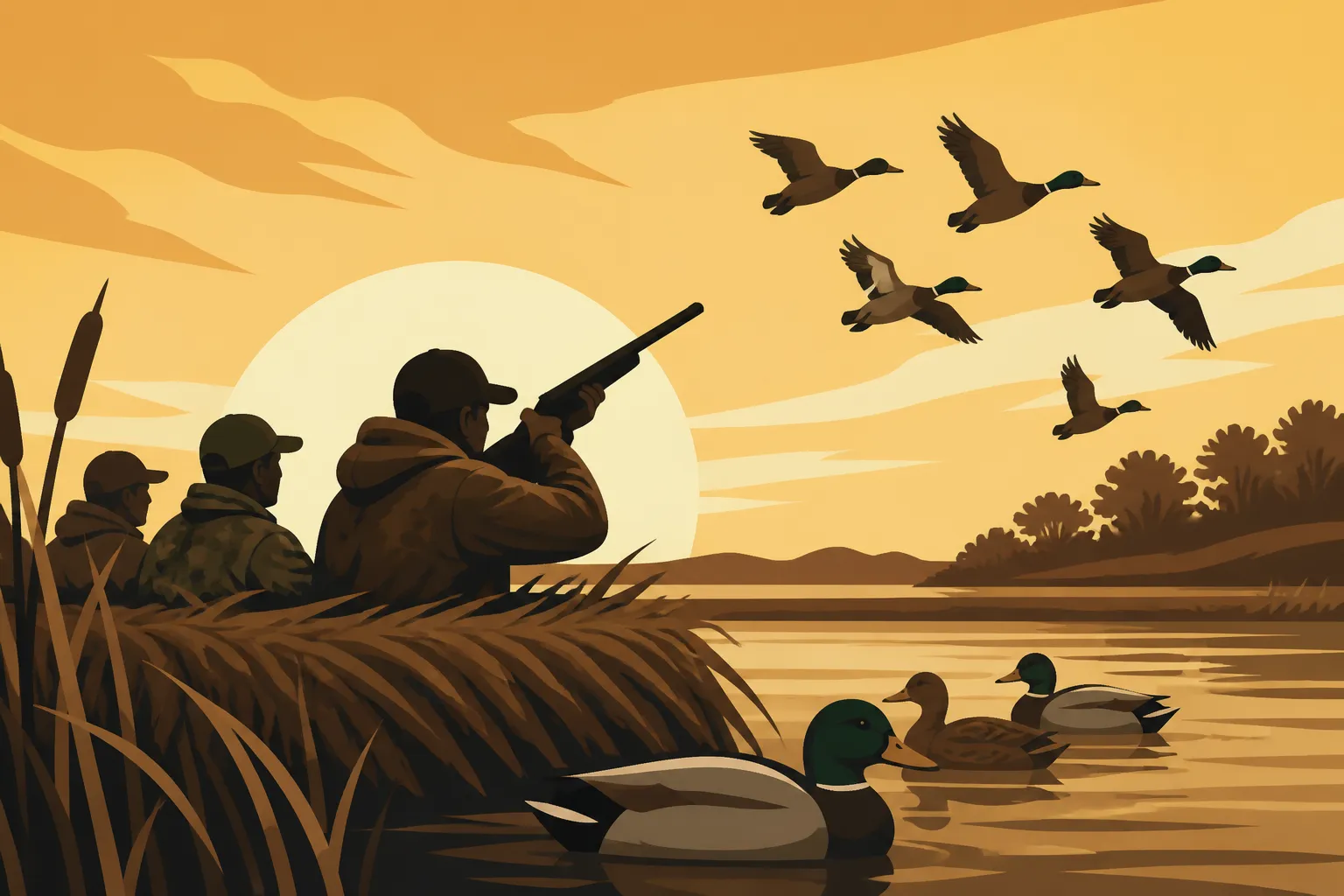
Think about it: instead of another stuffy conference room or a predictable golf outing, imagine your team or friends huddled together in a blind before dawn, listening to the cacophony of ducks and geese waking up on the marsh or in a cut cornfield. These shared moments in the field—the quiet anticipation, the sudden rush of wings over the decoys, the collective celebration of a successful shot—create a unique camaraderie that's hard to replicate anywhere else. It breaks down barriers, fosters teamwork in a completely different environment, and gives everyone stories they'll be telling for years. It's a chance for colleagues to see each other as more than just co-workers, revealing character and resilience as you brave the elements together.
The Logistical Challenges for Large Groups
While the rewards are immense, don't kid yourself, orchestrating a waterfowl hunt for several people comes with its own set of headaches. You're not just booking a single spot; you're dealing with multiple schedules, varying skill levels, and a heap of administrative requirements. Finding an outfitter with enough blind capacity to comfortably accommodate everyone is often the first hurdle. Then there's the monumental task of ensuring every single person has the correct Maryland Hunting Licenses and What They Cost, all the necessary stamps—state, federal, HIP registration—and appropriate identification. For those traveling from out of state, these steps can be particularly confusing. Plus, thinking about everyone's gear, from appropriate layers for the notoriously unpredictable Maryland weather to having enough shotguns and shells, can quickly turn into a full-time job. It’s this intricate dance of logistics that often leads groups to seek out experienced professionals.
Planning Your Maryland Corporate or Group Waterfowl Outing
Once you've decided a group waterfowl hunt is the perfect adventure, the real planning begins. Getting these details right ensures a smooth, enjoyable trip for everyone involved.
Choosing the Right Outfitter for Your Group
This is arguably the most critical step. A good outfitter isn't just someone who knows where the birds are; they're an expert in group management, safety, and hospitality. You need a guide service that specifically caters to larger parties, with blinds and equipment designed to comfortably accommodate your headcount. Ask about their experience with corporate groups or large friend gatherings. Do they have multiple blinds, or can they combine efforts with other trusted guides if your group is exceptionally big? It’s also wise to inquire about their typical bird species hunted, as some groups might prefer Goose Hunting Maryland's Eastern Shore Grain Fields while others are keen on Ducks of Maryland's Chesapeake Bay. Websites like BookYourHunt and GoHunt can be invaluable resources here, allowing you to browse various Maryland outfitters, read reviews, and compare package offerings designed for groups. They often list details like blind capacity and what’s included, helping you narrow down your choices. Don't be shy about calling prospective outfitters directly to discuss your specific group’s needs, expectations, and any unique requests you might have.
Navigating Licensing and Permits for Multiple Hunters
Getting all your ducks in a row (pun intended!) regarding licenses and permits is non-negotiable and often a source of stress for group organizers. Every hunter, regardless of age or residency, needs a basic Maryland hunting license, a Maryland Migratory Game Bird Stamp, and a Federal Duck Stamp. On top of that, everyone must be HIP (Harvest Information Program) registered. If you have non-residents in your group, their license fees will be different, and ensuring they understand the process can be tricky. A reputable outfitter will often assist with this, providing clear instructions or even directing you to platforms like BookYourHunt that might have resources on state requirements. They can walk you through the COMPASS online licensing system or advise on where to purchase licenses upon arrival. It’s absolutely crucial to complete all licensing well in advance of your trip to avoid any last-minute scramble or, worse, being unable to hunt. Confirming everyone has what they need, including their hunter education certification if applicable, should be a mandatory pre-trip checklist item.
Essential Gear and Packing for a Group
Maryland weather, especially during waterfowl season, can be notoriously fickle. One day it's mild and sunny, the next it's biting cold with driving rain or snow. Layering is key, and ensuring everyone in your group understands this is vital for comfort and safety. Here's a breakdown of what to communicate:
- Warm, Waterproof Outerwear: A good quality, waterproof and windproof jacket and pants are essential. Insulated options are preferred.
- Layering System: Base layers (moisture-wicking), mid-layers (fleece or down), and outer layers. Avoid cotton next to the skin.
- Headwear: A warm hat that covers the ears is crucial, as is a face mask or neck gaiter for those frigid winds.
- Gloves: Waterproof, insulated gloves that still allow for finger dexterity are a must. Maybe even two pairs!
- Waders: Chest waders are often required for marsh or shallow water hunts. Make sure everyone has the correct size and tests them for leaks beforehand.
- Footwear: Thick, warm socks (wool or synthetic) inside insulated waders or waterproof boots.
- Firearms: A 12-gauge shotgun is standard for waterfowl. Check with your outfitter if they have loaner guns available or if everyone needs to bring their own.
- Ammunition: Steel or other non-toxic shot is mandatory for waterfowl hunting. Bring plenty—at least a box or two per hunter, perhaps more for less experienced shooters.
- Blaze Orange: While not always required in the blind for waterfowl, it's often wise to have blaze orange for travel to and from the blind, especially on public lands. Confirm specific rules with your guide.
- Personal Items: A small dry bag for phones, cameras, medicine, sunglasses, sunscreen, and any specific snacks or drinks.
- Coolers: Bring coolers to transport cleaned birds home after the hunt.
An outfitter booked through a service like GoHunt or BookYourHunt will usually provide a detailed packing list, which you can then distribute to your group. Encourage everyone to pack carefully; being cold or wet can quickly sour an otherwise fantastic experience.
What to Expect on a Maryland Group Waterfowl Hunt
Understanding the flow of a typical hunt day and the expectations for group dynamics can greatly enhance the overall experience.
Typical Hunt Day Structure
Waterfowl hunting is an early bird's game, quite literally. Your group will likely be meeting your guide well before sunrise, often in the dark hours of 3 or 4 AM. This isn't just to get ahead of the birds; it's about preparation.
First, there’s the pre-hunt briefing. Your guide will go over safety rules, specific hunting regulations, and the plan for the morning. This is your chance to ask any last-minute questions. Then, it’s a journey to the blind. This could involve a short walk through fields, a boat ride across a bay, or navigating marsh channels in the dark, depending on whether you're Layout Hunting Canada Geese on the Upper Shore or heading out for Sea Duck Hunting Maryland's Offshore Zone. The guide will often have a spread of decoys already out or will quickly set them up with the group's help. Once everyone is safely in the blind, it’s a waiting game. The magic happens as dawn breaks, and the first flights of birds appear.
Hunting typically lasts until mid-morning or early afternoon, often dictated by bird activity, weather conditions, or local regulations like Maryland Shooting Hours and Legal Light. Once the hunt concludes, the guide will gather decoys, retrieve any birds, and head back to the launch point. Often, guides will offer to clean your birds, or at least breast them out, which is a huge convenience for groups.
Decoy Spreads and Blind Etiquette with a Group
When you're hunting with a group, especially in a confined space like a blind, clear communication and adherence to etiquette are paramount for both safety and success. Your guide will have a meticulously planned decoy spread, designed to attract birds based on current conditions and species. Resist the urge to "tweak" the spread without consulting your guide; they know the local birds and conditions best.
Inside the blind, listen intently to your guide's instructions. They will typically call the shot, telling everyone when to rise and shoot. This is critical for safety, ensuring everyone knows when it’s safe to stand and shoot, and also for maximizing the group’s effectiveness. Maintain your shooting lane, ensuring you're only swinging on birds within your designated safe zone. Never point your firearm at another person, even when unloaded. After the shot, remain ready for follow-up shots but also allow the guide and their dog (if applicable) to work on retrieving downed birds. The shared experience is key: cheer on good shots, offer encouragement for misses, and keep conversations low and focused on the hunt. Remember, it's not just about individual success; it's about the group's collective enjoyment.
Post-Hunt Logistics and Memories
Once the guns are cased and the boat is back at the dock, the shared experience isn't over. Many guides will have facilities to process your birds, either cleaning them for you or providing a space to do it yourself. This is a great opportunity for the group to share stories from the hunt, relive exciting moments, and even learn a bit about bird anatomy. Make sure to have coolers ready to transport your birds home safely.
This is also when the real memories cement. Group photos with the day’s harvest, tales of the one that got away, and plans for the next outing often fill the air. A good outfitter, perhaps one found on GoHunt or BookYourHunt, will often go the extra mile, offering hot coffee or even a meal after the hunt, transforming a hunting trip into a full-fledged experience. The shared enjoyment, far more than the final count of birds, is what truly defines a successful group outing.
Maximizing Your Group's Experience and Success
A successful group hunt isn't solely measured by the number of birds taken, but by the quality of the shared experience and the memories created.
Communication and Expectations
Before you even step foot in the blind, fostering open communication within your group and with your outfitter is essential. As the organizer, be clear about your group's primary goals. Are you looking for a high-volume shoot, or is the focus more on camaraderie and enjoying the outdoors? Are there any less experienced hunters who might need extra guidance? Platforms like BookYourHunt allow for direct messaging with guides, enabling you to convey these nuances upfront.
Manage expectations regarding the actual hunting. Waterfowl hunting can be feast or famine. Some days the birds cooperate beautifully, other days they're nowhere to be found. Emphasize that the experience of being out on the water or in the field, witnessing nature's beauty, and sharing it with friends or colleagues is the real prize, regardless of the bag limit. Your guide will do their best, but they can't control the weather or the birds. Discussing this openly beforehand prevents disappointment and ensures everyone appreciates the effort and the unique environment.
Safety First with Larger Groups
With more people, comes a greater imperative for safety. Your guide will be the ultimate authority on safety protocols in the blind, and everyone in the group must adhere strictly to their instructions. This includes:
- Firearm Handling: Treat every gun as if it's loaded. Keep the muzzle pointed in a safe direction at all times, even when retrieving or resting.
- Zone of Fire: Understand and respect your designated shooting lane. No swinging outside of your lane, especially towards other hunters or the guide.
- Hearing and Eye Protection: While not always mandatory, wearing earplugs or muffs and shooting glasses is highly recommended to protect against noise and stray pellets.
- Loaded Chambers: Guns should only be loaded when instructed by the guide and ready to shoot. Unload immediately when leaving the blind or at the hunt's conclusion.
- Communication: Announce when you are moving, loading, or unloading your firearm. Verbalize any safety concerns immediately.
A skilled guide, often found through services like GoHunt, will prioritize safety above all else, providing clear instructions and ensuring everyone understands and follows them. This diligent approach is what makes group waterfowl hunting a truly safe and enjoyable activity.
The Value Beyond the Bag Limit
While the thrill of a successful hunt is undeniable, the true value of corporate and group waterfowl outings often lies far beyond the actual bag limit. It's in the shared stories of missed shots, the laughter in the blind, the quiet moments of reflection as the sun rises over the Chesapeake, or the sight of a retrieve dog joyfully bringing back a bird. It’s about spending quality, unplugged time with people you care about or want to connect with professionally, away from the distractions of daily life.
These experiences foster a deeper sense of camaraderie and appreciation for the natural world. Whether it's the beauty of a canvasback flock Decoying Divers on Maryland's Open Bay or the raw power of a Canada goose flight, Maryland's waterfowl scene provides an unmatched backdrop for creating bonds and lasting memories. A well-planned group hunt, facilitated by a professional outfitter, offers a unique opportunity for team building, client entertainment, or simply an unforgettable adventure with friends.
| Hunt Type | Primary Species | Ideal Group Size | Pros | Cons |
|---|---|---|---|---|
| Field Hunts | Canada Geese, Snow Geese, Dabbling Ducks | 4-8 hunters | Comfortable pits/blinds, less gear, good for large groups | Can be slow without active flights, weather exposed |
| Marsh Hunts | Sika Deer, Dabbling Ducks, Sea Ducks | 2-6 hunters | Unique habitat, diverse species, adventurous boat rides | More physically demanding, specific gear (waders), tides matter |
| Open Water Hunts | Diving Ducks, Sea Ducks | 2-5 hunters | Exciting fast-paced shooting, iconic Chesapeake experience | Requires specialized boats/layout blinds, rougher conditions |
Disclaimer
This article is for general informational purposes only and does not constitute professional advice. Laws, prices and regulations vary by location and change over time. Consult a qualified professional for guidance on your specific situation.