Hunting Fair Hill’s Managed Ground
For many Maryland hunters, the dream of finding quality public land that isn't overrun by crowds feels like a distant fantasy, especially in the more populated northern parts of the state. It's easy to get frustrated by heavy pressure and limited access, but Fair Hill Natural Resources Management Area offers a unique, managed hunting opportunity that, while requiring a bit more planning, can provide an incredible experience. This guide will walk you through everything you need to know about hunting Fair Hill's managed ground, helping you navigate the system and increase your chances of a successful and enjoyable hunt.
What Makes Fair Hill a Unique Hunting Destination
Fair Hill Natural Resources Management Area, nestled in northern Cecil County, is far more than just another patch of public land. It’s a diverse landscape encompassing over 5,600 acres of rolling hills, mature forests, open fields, and winding waterways like the Big Elk Creek. What truly sets Fair Hill apart for hunters, however, is its "managed ground" status, which means access is regulated, and specific permits are often required. This isn't your typical walk-in public hunting spot, and that's precisely why it offers such a different experience.
A History of Stewardship and Purpose
The land that makes up Fair Hill has a rich history, originally established in the early 20th century as a private estate for breeding and training thoroughbred horses. Over time, it transitioned into public ownership, and today it's managed by the Maryland Park Service. This history means the land has seen careful stewardship, resulting in a mosaic of habitats rather than just unbroken timber. You'll find old orchards, managed hayfields, successional growth, and mature hardwood stands, all contributing to a rich ecosystem that benefits a variety of wildlife. For the hunter, this translates into diverse opportunities that might not be found on less intensively managed public lands. It's not just a block of woods; it’s a living landscape that has been intentionally shaped over decades.
Understanding Managed Access and Hunting Zones
The "managed ground" aspect is paramount. Unlike some state forests or wildlife management areas where you simply need a valid license and stamp, hunting at Fair Hill often requires a specific permit obtained through a lottery or application process. These permits typically designate specific dates or even areas where hunting is allowed. This controlled access is a double-edged sword. On one hand, it requires extra effort and planning, which can be a barrier for some. On the other hand, it significantly reduces hunting pressure, offering a more serene and potentially more productive hunting experience. Imagine setting up a stand or still-hunting an oak flat knowing that only a handful of other hunters are on thousands of acres; that's the promise of managed access. These zones and specific rules are often outlined in detailed maps and regulations issued by the state, making tools like onX Hunt invaluable for verifying boundaries and understanding your allowed areas once you have a permit.
Navigating the Permit System for Fair Hill Hunts
So, you're intrigued by the idea of less pressured hunting at Fair Hill, but how do you actually get your boots on the ground? The permit system can feel a bit daunting at first glance, but once you understand the rhythm, it becomes much clearer. It's not about luck so much as it is about being prepared and applying on time. Don't let the paperwork scare you off; the rewards often outweigh the initial hassle.
The Application Process and Key Deadlines
Hunting at Fair Hill typically requires applying for a permit, often through a lottery system for certain game species or seasons, particularly for deer. These applications are usually handled by the Maryland Department of Natural Resources (DNR) through their COMPASS system. It’s crucial to keep an eye on the DNR's annual hunting guides and website for specific application periods. Missing a deadline means missing out on the opportunity, plain and simple. Imagine preparing for months, only to realize you forgot to submit your application by the cut-off date – a common and truly frustrating mistake for many eager hunters. The application window can be brief, often in late summer, so mark your calendar as soon as the dates are announced. While the costs for these permits are generally nominal, they are a requirement on top of your standard Maryland hunting license and any necessary stamps. Checking the DNR site or even resources like GoHunt for general permit application best practices can help streamline your approach, even if Fair Hill is a unique, local system. You'll want to ensure you have all your base Maryland licenses and stamps in order, such as the Maryland Resident License Options and Archery Stamp Cost and Who Needs One, before you even think about applying for a special Fair Hill permit.
Common Pitfalls and How to Avoid Them
One of the biggest frustrations for hunters applying to managed areas like Fair Hill is making a simple error that invalidates their application. A common pitfall is misunderstanding the specific hunting dates or weapon restrictions for a given permit. Fair Hill, like many managed properties, might have archery-only days, muzzleloader weeks, or specific firearm seasons that differ from statewide regulations. Always double-check the fine print on your permit or the official DNR regulations for Fair Hill. For instance, if you secure a permit for an archery-only period, bringing your rifle, even if it's generally legal in Cecil County, would be a violation. Another mistake is assuming that once you have a permit, all rules are the same as general public land. Familiarize yourself with regulations regarding tree stands (often only hang-on or climbing stands, no screw-in steps), ground blinds, and even vehicle access within the property. Always carry your permit with you, along with your hunting license, to avoid any issues with law enforcement or park staff. Being informed and diligent is your best defense against avoidable problems.
Hunting Opportunities and Key Species at Fair Hill
Once you secure that coveted permit, a world of opportunity opens up. Fair Hill's diverse habitat means it supports a healthy population of several game species, offering something for almost every type of hunter. Whether you're chasing whitetails or listening for gobblers, the managed nature of the area provides a quality experience that's often hard to replicate on unmanaged public lands.
Deer Hunting in a Controlled Environment
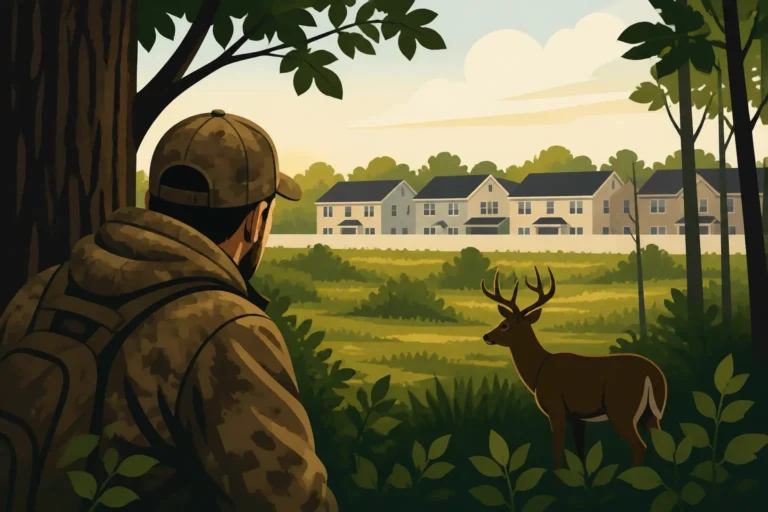
Deer hunting is arguably the most popular pursuit at Fair Hill, and for good reason. The combination of varied cover, abundant food sources in fields and mature timber, and reduced pressure typically leads to a healthy deer herd, often with older age class bucks than you might expect on general public land. Hunters often report seeing more deer and larger bucks than in comparable unmanaged areas. For bowhunters, the early archery season, especially in September and October, can be fantastic, as deer are less pressured and more predictable in their patterns between bedding and feeding. Hunting Maryland's September Archery Opener provides good general tactics that can be adapted to Fair Hill's environment. The managed harvest goals often focus on balancing herd health, so antlerless deer opportunities are usually available, helping to keep populations in check. This structured approach means you're not just hoping to stumble upon a deer; you're hunting in an area where deer management is actively practiced for healthier animals.
Small Game and Turkey Prospects
While deer are a primary draw, Fair Hill also offers opportunities for other species. Wild turkeys thrive in the mixed forest and field environment, and drawing a spring turkey permit can lead to some incredible mornings filled with gobblers. Finding good roosting areas in mature timber near open fields is often the key. Remember to check specific regulations for Maryland Spring Turkey Season Dates and permit requirements. For small game enthusiasts, squirrels are plentiful in the hardwood stands, and rabbits can be found in the thicker hedgerows and field edges. These often provide a fantastic opportunity for new hunters or those looking for a more relaxed outing. The diverse habitat created by the combination of woodlands and agricultural fields supports strong small game populations, offering a different kind of challenge and a chance to truly enjoy the landscape. Small Game Species in Maryland provides a good overview of what you might encounter.
Strategic Approaches for a Successful Fair Hill Hunt
Having a permit is just the first step; turning that permit into a successful hunt requires strategic thinking and a deep understanding of the unique characteristics of Fair Hill. Reduced pressure doesn't mean easy hunting; it means different hunting. Your scouting efforts, stand placement, and approach to the hunt will be critical.
Pre-Season Scouting and Digital Tools
Effective scouting is paramount when hunting managed lands. Since access is controlled, you won't face the same constant intrusion as on some other public lands, but you'll still need to put in the legwork (or screen time) to locate prime areas. Before the season, pore over aerial maps and topographic features. Use digital mapping tools like onX Hunt to identify potential funnels, bedding areas, and food sources. Look for pinch points where deer movement is naturally constricted, or areas of thick cover that might serve as bedding sanctuaries. Note old farm roads, subtle terrain changes, and even historic access points that might reveal less-pressured areas deeper within the property. Scouting Maryland Public Land With Aerial Photos offers great tips applicable to Fair Hill. Pay attention to edges where timber meets fields, or where different forest types converge. Understanding these nuances before you ever step foot on the property can save you valuable hunting time and significantly increase your chances of finding game.
Understanding Terrain, Cover, and Pressure Points
Fair Hill's diverse terrain—from gentle slopes to steeper ravines, and from open fields to dense cedar thickets—means understanding how game uses the landscape is crucial. Deer will often utilize the cover offered by thickets along creeks or in regenerated clearcuts, moving into fields at dawn and dusk. Turkeys will often roost in the tallest trees overlooking open fields and use the field edges for feeding. While overall pressure is lower due to permits, certain areas near access roads or parking lots might still see more activity. Walking a bit further, finding areas that require a tougher hike, or even just skirting obvious trails can put you in front of less-disturbed animals. Using your onX Hunt app to mark likely spots during your scouting trips and then overlaying that with topo maps to understand wind and thermals will give you a significant edge. Even though the area is managed, Hunting Pressure on Maryland Public Land is still a factor, so focus on finding those overlooked pockets.
Planning for Your Fair Hill Hunt
Successfully hunting Fair Hill isn't just about finding game; it's about being prepared for the conditions and rules of a managed property. From what you carry to how you conduct yourself, attention to detail matters.
Essential Gear and Ethical Considerations
Given the varied terrain, sturdy boots, appropriate layered clothing, and a reliable backpack are absolute must-haves. Whether you're still-hunting the timber or sitting a stand over a field, you'll want to be comfortable and prepared for Maryland's often unpredictable weather. Don't forget essentials like a headlamp, first-aid kit, and plenty of water. Ethically, always retrieve your game cleanly and efficiently. Because it's managed ground, often visited by non-hunters, maintaining a respectful and responsible demeanor is crucial. Be mindful of property boundaries, follow all regulations regarding blaze orange requirements (check How Much Blaze Orange Maryland Requires), and always leave no trace. Your actions reflect on all hunters and contribute to the continued opportunity to hunt these special places.
Post-Harvest Responsibilities and Regulations
After a successful hunt at Fair Hill, remember your responsibilities don't end there. You'll need to register your harvested deer or turkey according to Maryland DNR regulations, typically within 24 hours of the kill. This can usually be done online, by phone, or through the COMPASS mobile app. The Maryland Deer Registration Deadline After a Kill is a critical piece of information to keep in mind. Ensure you correctly tag your animal immediately after recovery. Be prepared to handle and transport your game ethically and cleanly, especially if hunting in warmer early season conditions. Fair Hill offers a unique and rewarding hunting experience, but it demands a hunter who is diligent, respectful, and prepared for the specific rules that make it such a special place.
| Species Targeted | Typical Season | General Weapon Notes | Primary Habitat |
|---|---|---|---|
| White-tailed Deer | Archery, Muzzleloader, Firearms | Check specific permit for allowed weapons and dates | Mixed forests, field edges, thickets |
| Wild Turkey | Spring (Gobblers), Fall (Either-sex) | Shotgun or Archery only | Mature timber, open fields |
| Eastern Gray Squirrel | Fall/Winter | Shotgun or .22 caliber rimfire | Hardwood forests, mast-producing trees |
| Eastern Cottontail Rabbit | Fall/Winter | Shotgun or .22 caliber rimfire | Hedgerows, brushy cover, field edges |
Disclaimer
This article is for general informational purposes only and does not constitute professional advice. Laws, prices and regulations vary by location and change over time. Consult a qualified professional for guidance on your specific situation.