Getting a Sika Stag Mounted
Bringing a Sika stag home after a successful hunt in Maryland's marshes or pine thickets is an incredible feeling, a memory that will stick with you forever. But once the excitement of the harvest settles, many hunters face a decision: how do you truly preserve that moment? You want to honor the animal and the experience, but navigating the world of taxidermy—from field care to choosing a pose and finding the right artist—can feel daunting. This guide will walk you through everything you need to know about getting your Sika stag mounted, ensuring your trophy lasts a lifetime.
Understanding Your Mounting Options for a Sika Stag
When you're considering preserving your Sika stag, you've got a few main options, each with its own appeal. The choice often comes down to personal preference, the space you have available, and your budget. But more than that, it's about what best captures the essence of that unique animal and your hunt.
The Enduring Appeal of the Shoulder Mount
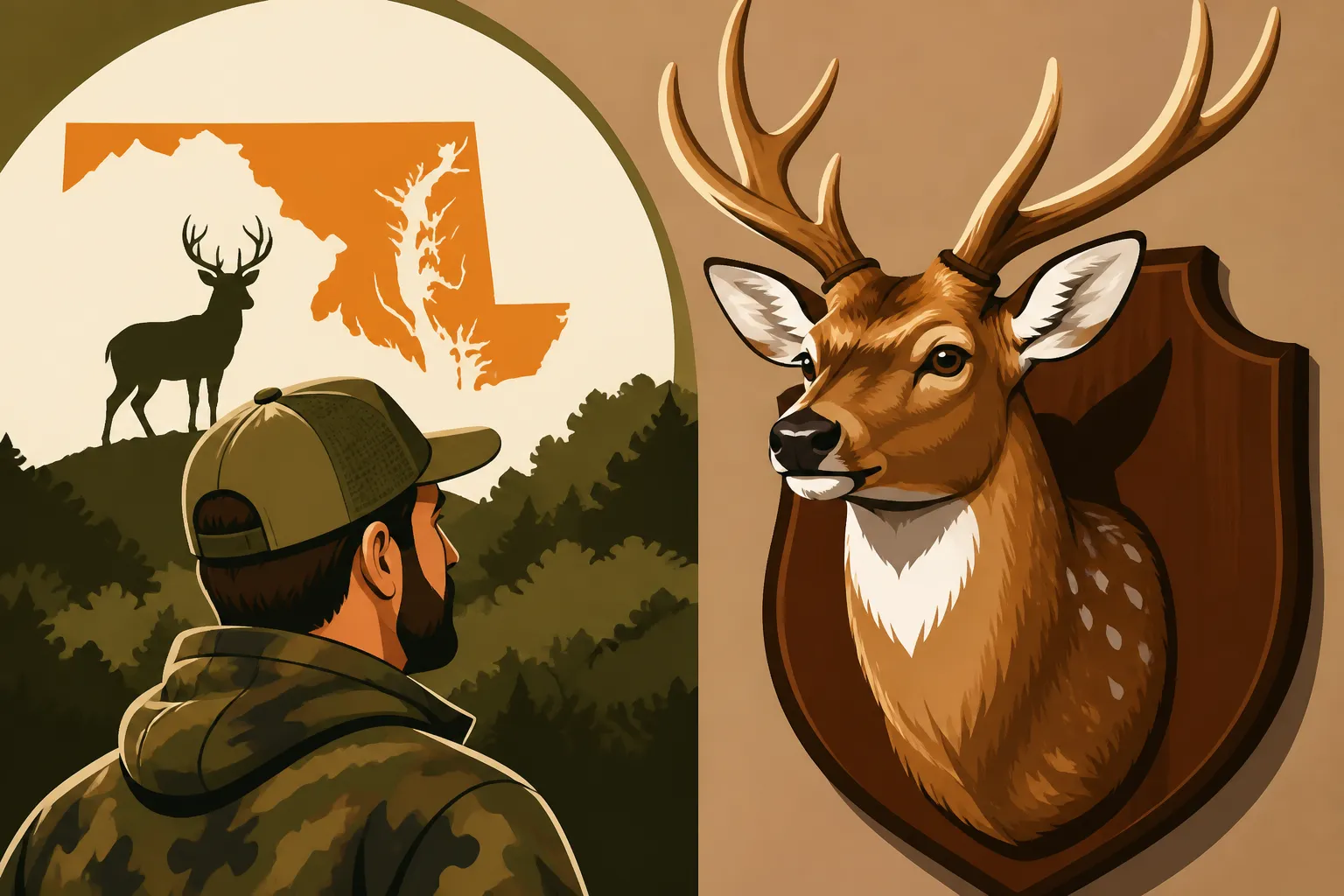
The shoulder mount is arguably the most classic and popular choice for deer, and it's a fantastic option for a Sika stag. This type of mount typically displays the head, neck, and a portion of the shoulders of your stag, giving a lifelike representation of the animal from the chest up. It's what most people visualize when they think of a mounted deer, and for good reason – it’s a timeless way to showcase the antlers and the animal's distinctive features.
For Sika deer, specifically, a shoulder mount really brings out their unique characteristics. Their compact body, often rich, dark coats, and those distinctive antlers, which can sometimes be more branched than a whitetail's but typically smaller in overall mass, are beautifully highlighted. You'll want to think about how the mount will be displayed; a Sika's smaller stature means it often fits well in areas where a large whitetail shoulder mount might overwhelm the space. The taxidermist will work to capture the stag's musculature and neck posture, making it look as if it's stepping right out of the marsh or forest and into your home.
When it comes to poses, you have a surprising amount of variety even within the shoulder mount category. A straight-forward pose is classic, but you can also choose a semi-sneak, full sneak, or a more aggressive upright pose. Imagine a Sika stag with its head slightly turned, ears back, as if it's just let out a whistle call – that adds a dynamic element. You might also consider an aggressive "whistle" pose, which really captures the stag's unique vocalizations during the rut. Each pose impacts how the mount is perceived and how it interacts with the room it’s in. Some hunters prefer a more watchful, natural stance, while others want to capture a moment of intense action, perhaps even mimicking the specific moment they first saw their stag.
The advantages of a shoulder mount are its traditional appeal, its ability to convey the animal's natural beauty and posture, and its relative versatility in display. It tells a story without taking up an entire corner of a room. However, it does require a fair amount of wall space, and it's generally one of the more expensive options. The detail and artistry involved in replicating the animal's face, eyes, and hair patterns are considerable, making it a significant investment.
Exploring Pedestal and Wall Pedestal Mounts
If you're looking for something a bit more dynamic or want to showcase more of your Sika stag's body than just the shoulders, pedestal mounts offer a fantastic alternative. A pedestal mount displays a larger portion of the animal, typically extending down to the brisket or even part of the front legs. This allows for more intricate and lifelike poses, giving the taxidermist more canvas to work with in capturing the animal's movement and character.
Pedestal mounts, whether wall-mounted or freestanding, are particularly striking for Sika stags. Their more compact and athletic build can be beautifully showcased, allowing for poses that truly reflect their agility and the environments they inhabit. You might envision a stag slightly crouched, as if slipping through the dense phragmites, or standing tall and alert on a small rise. These mounts can include custom bases that incorporate natural elements like marsh grasses, driftwood, or pine boughs, further enhancing the realism and storytelling aspect. This can bring the feeling of the Sika Deer Hunting in Maryland's Tidal Marshes right into your home.
Wall pedestals offer a compromise between a traditional shoulder mount and a full freestanding pedestal. They still extend further from the wall than a standard shoulder mount but don't require floor space. A freestanding pedestal, on the other hand, gives you complete flexibility in placement, allowing the mount to be viewed from multiple angles, truly making it a centerpiece. You can get really creative with the base itself, often making it a custom piece of furniture that complements your home decor while providing a stable, attractive foundation for your trophy.
The aesthetic value of a pedestal mount lies in its ability to create a more immersive and artistic display. It often evokes a stronger sense of movement and presence, transforming the mount into a sculptural piece rather than just a wall hanging. While generally more expensive than shoulder mounts due to the increased size and complexity, many hunters feel the enhanced realism and display versatility are well worth the investment, especially for a special trophy like a Sika stag.
The Elegant Simplicity of European Mounts
For hunters who appreciate a clean, minimalist aesthetic, or those with limited space or budget, a European mount is an excellent choice for a Sika stag. A European mount, sometimes called a skull mount, involves meticulously cleaning the skull of all flesh and tissue, then bleaching it to a bright, natural white, leaving the antlers intact. It's a striking and respectful way to honor the animal, showcasing its natural bone structure and the beauty of its antlers without any of the soft tissues.
European mounts work exceptionally well for Sika deer, highlighting the unique shape and texture of their antlers, which tend to be darker and more rugged than whitetail antlers. The relatively smaller size of a Sika skull makes it a neat and manageable display, easily fitting on a bookshelf, a small wall plaque, or a dedicated pedestal. It offers a rustic, natural look that can complement a variety of home decors, from a hunting cabin to a modern living room, bringing a subtle touch of the wild indoors.
You can choose to do a European mount yourself, which can be a rewarding project for many hunters. Methods range from boiling the skull (be careful not to damage the delicate nasal bones) to using specialized dermestid beetle colonies, which are incredibly efficient at cleaning bones without heat or chemicals. However, for the best and most consistent results, many hunters opt for a professional taxidermist or a service specializing in skull cleaning. A professional will ensure a perfectly clean, bleached, and preserved skull without damage, providing a much cleaner and more durable final product than most DIY attempts.
Display options for European mounts are diverse. You can simply place the skull on a shelf or mantelpiece, or mount it on a handsome wooden plaque for wall display. Custom metal stands are also popular, allowing the skull to be angled for optimal viewing. This option is by far the most space-saving and cost-effective of the three, making it an accessible way for any hunter to preserve the memory of their Sika stag. It's a testament to the animal's life and the challenge of the hunt, stripped down to its beautiful, essential form.
| Mount Type | Description | Key Advantages | Considerations | Typical Cost (Relative) |
|---|---|---|---|---|
| Shoulder | Head, neck, and upper shoulders. | Classic, lifelike, good balance of detail and space. | Requires significant wall space; higher cost than European. | Medium to High |
| Pedestal | More of the body (chest/forelegs), often with habitat. Freestanding or wall. | Dynamic, artistic, showcases more of the animal's physique. | Higher cost, requires more space (especially freestanding). | High |
| European | Cleaned and bleached skull with antlers. | Elegant, space-saving, cost-effective, rustic appeal. | Less lifelike, only shows skull and antlers. | Low |
From Field to Forever: Preparing Your Sika Stag for the Taxidermist
The quality of your finished Sika mount depends almost entirely on what happens in the critical hours and days immediately after you pull the trigger. Proper field care and handling are paramount to ensuring your taxidermist has a pristine cape to work with. Rushing or neglecting these steps can lead to irreversible damage, no matter how skilled your taxidermist might be.
Critical Field Care Immediately After the Harvest
That moment when you walk up on your harvested Sika stag in the marsh, or at the edge of a Hunting Sika Deer in Maryland's Loblolly Pine Edges area, is pure exhilaration. But amidst the adrenaline, you need to quickly shift into preservation mode. The first and most crucial step is to get the animal cooled down as rapidly as possible. Sika deer are often hunted in Maryland's warmer early seasons, and their dense coat, combined with internal body heat, can quickly lead to hair slippage if the carcass isn't cooled. If you're Wading Into a Dorchester Marsh Before Daylight and harvest your stag on a warm September morning, every minute counts.
Start by getting the stag out of direct sunlight and into a shaded, breezy area if possible. Field dress the animal promptly to allow body heat to escape. When field dressing for a mount, you need to be very careful with your cuts. The standard gutting incision down the middle of the belly is fine, but do not extend that cut up the brisket towards the throat if you plan on a shoulder or pedestal mount. A taxidermist will need a clean, unblemished cape that includes the entire brisket and neck skin. If you're unsure, make the gutting incision as minimal as possible and stop well before the front legs.
After field dressing, consider wiping down the stag's coat to remove any excess blood or marsh muck, paying special attention to the neck and head area. In marshy environments, Sika deer can get quite muddy, and dried mud can sometimes damage hair follicles. If you're in the deep marsh, transporting the deer can be a challenge. Be extremely mindful not to drag the deer by its head or neck, as this can pull out hair, damage the skin, or scrape the face and antlers. Recovering a Deer From a Tidal Marsh often involves creative solutions, but always prioritize protecting the cape. Even a short drag over rough terrain can ruin a potential mount.
Skinning and Preserving the Cape for Transport
Once the stag is cooled and you're ready for more detailed preparation, you'll need to skin it carefully. This process, often called "caping," needs to be done with precision to ensure your taxidermist has enough skin to work with. If you're not confident in caping a deer yourself, your taxidermist can usually do it for an additional fee, but you still need to get the animal to them quickly and properly cooled.
For a shoulder mount, the skinning incision typically starts behind the front legs, wrapping around the body in a circle. Then, a "Y" shaped incision is made from this circular cut up behind each front leg, meeting at the top of the back. From the circular cut, the skin is then peeled forward over the shoulders and neck, eventually cut from around the base of the skull. The most critical part is ensuring you leave plenty of brisket skin, cutting well back behind the front legs. Many hunters, especially first-timers, cut the cape too short, which can severely limit a taxidermist's options for mounting. When in doubt, leave more hide than you think you need. Your taxidermist can always trim excess, but they can't add what isn't there. For a more detailed guide on the cuts, check out resources on Caping a Head for a Shoulder Mount.
Once the cape is removed, the next step is preservation. If you can get the cape to your taxidermist within a day or two, simply place it in a large plastic bag and keep it chilled in a cooler with ice, ensuring no standing water directly contacts the skin. For longer periods, or if you're traveling, freezing is your best bet. Roll the cape up with the hair side out, place it in a heavy-duty plastic bag, and remove as much air as possible before freezing it solid. It's crucial that the cape is dry before freezing; a wet cape can suffer freezer burn more easily. Some hunters even salt the fleshy side of the cape heavily overnight to draw out moisture before folding and freezing. This extra step provides a layer of protection against spoilage, especially if it takes a while to freeze solid.
Never make the mistake of leaving the head or cape in a hot garage or vehicle for extended periods. Even a few hours in warm temperatures can cause the hair follicles to separate from the skin, leading to "hair slippage," which is irreparable. Avoid dragging the animal by its head or antlers, and be gentle during transport. Before you even head out to hunt, it's a good idea to chat with your chosen taxidermist about their specific requirements for field care and caping; they might have nuances they prefer.
Selecting a Qualified Maryland Taxidermist
Choosing the right taxidermist for your Sika stag is as important as the hunt itself. This isn't just a transaction; it's commissioning an artist to recreate a memory. You want someone who understands the unique anatomy and characteristics of a Sika deer, which, as Why Sika Deer Run Smaller Than Whitetails points out, are distinct from their larger whitetail cousins. A taxidermist who primarily works on whitetails might not have the experience to perfectly capture the Sika's finer details, from its specific facial structure to the subtle nuances of its coat.
Start your search by asking for recommendations from fellow Maryland hunters, especially those who hunt Sika. Word-of-mouth is often the best indicator of quality. Look for taxidermists who specialize in or have extensive experience with deer, and ideally, Sika deer if you can find them. Once you have a few names, don't just pick the cheapest option. Taxidermy is an art form, and quality comes at a price. For an idea of general costs, you can research What a Maryland Taxidermist Charges from various services.
The next step is to vet your potential taxidermist. Ask to see a portfolio of their work, specifically looking for examples of deer, and if possible, Sika. Pay close attention to the details: are the eyes lifelike and properly aligned? Is the nose wet-looking and realistic? Does the hair flow naturally, without seams or unnatural patterns? Check for cleanliness and attention to detail. A good taxidermist's shop will often reflect their meticulous nature. Ask about their process, their typical turnaround times, and their payment structure. A reputable taxidermist will be transparent and happy to answer all your questions.
Finally, consider communication. You're entrusting them with a significant memory, so you want someone you feel comfortable talking to, someone who listens to your vision for the mount. Discuss specific poses, potential habitat additions, and any unique features of your stag. The best taxidermists are not just skilled craftsmen; they are also artists who can translate your memories and the animal's natural beauty into a stunning, lasting tribute.
The Art and Investment of Sika Taxidermy
Getting a Sika stag mounted is more than just preserving an animal; it's investing in a piece of art that commemorates a significant life experience. From choosing the exact pose to understanding the costs and ensuring its longevity, every step contributes to the final masterpiece that will grace your home.
Customizing Your Mount: Pose, Habitat, and Expression
This is where your vision truly comes to life. A skilled taxidermist can do more than just put a head on a form; they can capture the essence of your Sika stag and the unique circumstances of your hunt. Think beyond a generic pose. Did your stag come in silently, sneaking through the thick marsh grass, or did it respond to your calls with an aggressive Calling Sika Stags During the September Whistle? Consider the stag's actual posture and behavior you observed in the field. Sika are often seen as alert, wary animals.
Work closely with your taxidermist to select a pose that reflects the stag's personality. Look through their portfolio or pictures of Sika deer in their natural habitat for inspiration. A slight head turn, the angle of the ears, or a specific tilt of the nose can dramatically alter the mount's expression. For example, a "whistling" pose, with the head slightly upward and mouth partially open, can perfectly encapsulate the unique vocalizations of a Sika during the rut.
To truly enhance the realism and connection to the hunt, consider adding habitat elements, especially for pedestal mounts. A small base with artificial marsh grass, a piece of cypress knee, or even simulated water effects can transport the viewer back to the Dorchester County marshes where Maryland's Sika Deer, an Imported Herd thrive. These details transform a simple mount into a captivating scene. Think about the scars your stag might have carried, the dark staining on its antlers from rubbing, or the unique twist in a tines – these subtle details How a Sika Stag's Antlers Differ From a Buck's add character and authenticity. Your taxidermist can often recreate or emphasize these features to make your mount truly one-of-a-kind.
Understanding the Costs and Timeline of a Sika Mount
Taxidermy is an investment, reflecting the skill, time, and materials required to create a lifelike representation. While a Sika stag may be smaller than a typical whitetail, the artistry involved in mounting it is no less complex. The cost of your mount will depend on several factors: the type of mount (shoulder, pedestal, European), the complexity of the pose, whether you opt for habitat elements, and any additional services like antler repair or custom bases.
For a shoulder mount, expect a significant investment. Pedestal mounts, being larger and often including custom bases, will typically be more. European mounts are the most budget-friendly option, usually costing a fraction of a shoulder mount. It’s crucial to get a detailed quote from your chosen taxidermist that outlines all costs upfront. Remember that What a Maryland Taxidermist Charges can vary significantly based on their experience and reputation.
Beyond the initial cost, be prepared for the timeline. Quality taxidermy is not a rush job. Most reputable taxidermists have a backlog of work, and the process itself, involving tanning the hide, sculpting the form, meticulous assembly, and detailed finishing, takes considerable time. It's not uncommon for a mount to take anywhere from 6 months to 2 years to complete. Avoid taxidermists who promise unusually fast turnaround times, as this can sometimes indicate a compromise in quality. A good taxidermist will be transparent about their current workload and provide an estimated completion date. They'll usually require a deposit upfront, with the balance due upon completion or pickup.
Preserving Your Mount: Long-Term Care and Display
Once your magnificent Sika stag mount is complete and you bring it home, the responsibility of preserving its beauty falls to you. Proper care and display will ensure your investment lasts for decades, serving as a cherished reminder of your hunt.
The location where you display your mount is critical. Avoid placing it in direct sunlight, which can cause the hair to fade and become brittle over time. Sunlight can also cause the skin to dry out and crack. Similarly, keep your mount away from direct heat sources like fireplaces, radiators, or heating vents, as these can also cause cracking and damage. A stable, moderate temperature and humidity level are ideal. Basements or attics with high humidity fluctuations are generally not recommended due to the risk of moisture damage or pest infestations.
Regular cleaning is simple but essential. Dust your mount gently with a soft brush, a feather duster, or a soft, slightly damp cloth (never wet) to remove accumulated dust. For the eyes and nose, a slightly damp cotton swab can be used. Never use harsh chemical cleaners, as these can strip natural oils from the hair and hide, or damage the painted features. Inspect your mount periodically for signs of insect activity, such as small holes, shedding hair, or tiny droppings. Moths and dermestid beetles are common pests that can destroy a mount. If you suspect an infestation, consult your taxidermist immediately for advice on treatment, which may involve professional fumigation or freezing.
Ultimately, your Sika stag mount is more than just a decorative item. It's a tangible link to a specific moment in time, a physical representation of an experience, and a tribute to the wild. Every time you look at it, you'll be transported back to that moment, whether it's Reading a Marsh Trail for Sika Sign or the sound of their unique whistle cutting through the morning air. With proper care, this artistic piece will continue to tell its story for generations.
Disclaimer
This article is for general informational purposes only and does not constitute professional advice. Laws, prices and regulations vary by location and change over time. Consult a qualified professional for guidance on your specific situation.