Hunting a Loblolly Pine Island in the Marsh
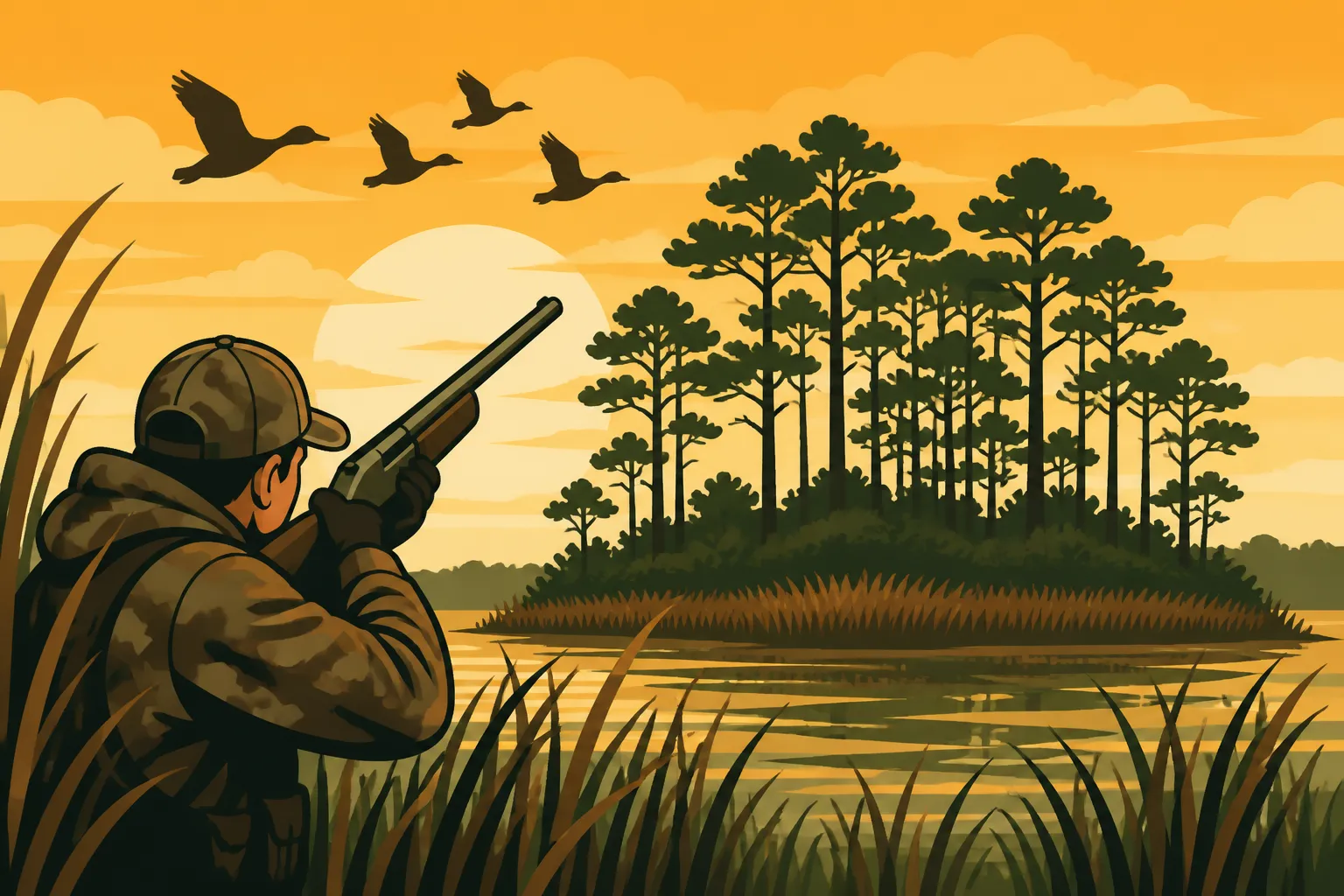
Maryland's tidal marshes are a truly wild and challenging place to hunt, and for many, the idea of chasing deer through that soggy, expansive landscape can feel overwhelming. But tucked within those vast stretches of cordgrass and phragmites, you'll often find hidden gems: small islands of loblolly pines. These elevated, dry havens are magnets for wildlife, especially the elusive Sika deer and even whitetails, offering a unique opportunity for adventurous hunters willing to brave the elements. If you’ve ever wondered how to unlock the secrets of these isolated pine stands, this comprehensive guide will walk you through everything you need to know to hunt a loblolly pine island in the marsh effectively and safely.
Understanding the Loblolly Pine Island Ecosystem
Imagine miles of marsh grass, often knee-deep or higher, stretching to the horizon, interrupted only by winding guts and the distant shimmer of the Chesapeake Bay. Then, suddenly, a cluster of dark green trees rises, seemingly out of nowhere – a small, elevated island of loblolly pines. These islands are not just random patches of woods; they are critical micro-ecosystems within the broader marsh landscape, offering unique advantages for both deer and hunters.
Why Loblolly Pines Thrive in Marshes
Loblolly pines are incredibly resilient trees, perfectly adapted to the often-harsh conditions of coastal plain environments. While many tree species would quickly succumb to the constant saltwater spray, periodic inundation, and sandy, nutrient-poor soils, loblollies have evolved to thrive here. Their deep taproots help them anchor firmly in shifting substrates, and they can tolerate higher levels of salinity than many hardwoods. These islands typically form on slightly elevated ground, old dune lines, or ancient sediment deposits that provide just enough drainage to allow the pines to establish themselves. Over time, as marshland continues to shift and erode, these pine islands can become even more isolated, truly standing alone in the vastness.
The Allure for Wildlife: A Marsh Oasis
For deer, particularly Sika deer but also whitetails that frequent marsh edges, these loblolly pine islands are nothing short of an oasis. They provide a critical combination of shelter, bedding, and a slight elevation that can be a lifesaver during high tides or periods of heavy rain. The dense canopy offers protection from both scorching summer sun and biting winter winds, a stark contrast to the open, exposed marsh grass.
Deer will use these islands for refuge during the day, bedding down in the thick undergrowth or under the pines themselves. The slightly drier ground means a comfortable spot, free from the constant dampness of the surrounding marsh. They also offer a vantage point. From the higher ground of a pine island, deer can often observe the surrounding marsh, giving them an advantage against approaching predators or hunters. You might find tracks, rubs, and even small wallows where Sika have been cooling off, all concentrated on these tiny landmasses. They truly are a hub of activity in an otherwise barren-looking landscape.
Tidal Influences and Deer Movement
When hunting a loblolly pine island in the marsh, you absolutely cannot ignore the tide. The ebb and flow of the water dictate everything: your access, the deer's movement patterns, and even your stand placement. During high tide, much of the surrounding marsh can be submerged, forcing deer onto higher ground. This often means these pine islands become heavily utilized bedding areas. As the tide recedes, opening up access to the vast food sources of the marsh grasses, deer will often move off the islands to feed, typically at dawn or dusk.
Understanding these patterns is crucial. A hunter might set up on an island at high tide, anticipating deer to be bedded there, or target the trails leading off the island as the tide drops, hoping to intercept deer moving to feed. Consulting detailed tide charts is as important as checking the weather forecast. Websites and apps like GoHunt can provide detailed tidal predictions for specific areas, helping you plan your entry and exit strategies, ensuring you don't get stuck, and predicting when deer will be concentrated or dispersed. Ignoring the tide can mean a wasted hunt, or worse, a dangerous situation.
Scouting and Pre-Hunt Preparation
Half the battle of hunting these unique marsh islands is fought long before you ever step foot in the mud. Effective scouting and meticulous preparation are not just recommended, they are essential for success and safety. The challenges of the marsh environment—its vastness, the variable water levels, and the sheer thickness of the cover—demand a thorough approach.
Aerial Reconnaissance with Mapping Tools
Before you even consider lacing up your waders, your scouting should begin from above. This is where modern mapping applications truly shine. Tools like GoHunt allow you to scrutinize satellite imagery, identifying potential loblolly pine islands that might be otherwise invisible from the ground or inaccessible without a boat. Look for distinct green patches amidst the brown and green mosaic of the marsh.
Once you’ve identified a few promising islands, zoom in. Look for faint lines or breaks in the vegetation that could indicate deer trails leading to and from the island. Pay attention to the surrounding water—are there deep guts that would require a boat, or shallow flats that could be waded at low tide? GoHunt's property line overlays are invaluable if you're on the edge of public and private land, ensuring you don't inadvertently trespass in such remote areas. You can also use these maps to identify potential entry and exit routes, noting distant landmarks or features that could aid navigation, especially in low light or fog. This digital legwork can save you countless hours of slogging through the marsh.
Boots-on-the-Ground Reconnaissance
Once you've narrowed down your targets from the aerial view, it's time for some old-fashioned boots-on-the-ground investigation. This is often the most challenging but rewarding part. You’ll need to physically access these islands to confirm your suspicions and gather fresh intel. When Wading Into a Dorchester Marsh Before Daylight, or anytime really, be prepared for mud, water, and incredibly thick vegetation.
Look for the subtle signs that indicate deer activity. Fresh tracks leading up onto the island or crossing nearby mud flats are excellent indicators. Scrape lines along the edges of the pines or heavily used trails within the island itself can tell you where deer are moving and bedding. Sika deer are notorious for rubbing saplings, and you might find their distinctive, short rubs on the smaller pine trees. Don't forget to listen, too. The marsh can be surprisingly noisy with birds and critters, but sometimes you'll hear the tell-tale "whistle" of a Sika stag, confirming their presence. Pay close attention to wind direction and how it swirls around the island, as this will be critical for your hunt setup.
Essential Gear for Marsh Island Hunting
Hunting a loblolly pine island is not your typical deer hunt; it requires specialized gear to ensure comfort, safety, and success. First and foremost, you need appropriate footwear. Chest waders are almost always a must, providing protection from water, mud, and sharp marsh grass. Consider heavier-duty, puncture-resistant waders if you can. If you're exploring areas with consistently shallower water, Hip Boots Versus Chest Waders in Sika Country might be a consideration, but chest waders offer maximum versatility.
Beyond footwear, consider a lightweight, portable treestand or a ground blind. If the pines are suitable, a climbing stand can offer excellent mobility, but often the trees are too small or limby. A small, lock-on stand that can be hung quickly or a well-camouflaged ground blind tucked into dense cover are often better options. Scent control is paramount; deer in these environments are often pressured and highly sensitive to human odor. Binoculars, a rangefinder, a reliable headlamp, and a fully charged communication device (with offline mapping capabilities, like GoHunt, for areas without cell service) are non-negotiable. Finally, pack plenty of water, high-energy snacks, and a first-aid kit. The marsh is no place to be unprepared.
Tactics for Hunting Loblolly Pine Islands
Successfully hunting a loblolly pine island hinges on understanding how deer utilize these unique habitats and adapting your tactics accordingly. It's a game of patience, stealth, and a keen awareness of your surroundings, especially the ever-present influence of the tide and wind.
Choosing Your Approach and Access
Getting to a pine island in the marsh without disturbing the area is often the first, and most critical, challenge. Your access method will largely depend on the specific island's location and the tidal conditions. If the marsh is shallow enough at low tide, you might be able to wade in on foot. This requires careful, quiet movement, often taking twice as long as you'd anticipate. Consider Wading Into a Dorchester Marsh Before Daylight to ensure you arrive well before deer start moving.
For more isolated islands, a boat is indispensable. A shallow-draft boat, kayak, or even a canoe can get you into areas inaccessible by foot. When Boating Into a Sika Marsh at Low Tide, pay close attention to depth and submerged obstacles. Park your boat a significant distance away from the island and approach on foot if possible to minimize noise and disturbance. Always check tide charts meticulously; getting stranded by a falling tide, or having your return path submerged by a rising one, is a serious safety concern and can ruin a hunt.
Stand Placement and Wind Direction
Once you're on the island, strategic stand placement is paramount. Deer in these isolated pockets are acutely aware of their surroundings, and any foreign scent or movement will quickly send them packing. Your primary consideration must always be the wind. In the open marsh, scent carries incredibly far. Set up so your scent cone is blowing away from any likely deer travel routes or bedding areas on the island. Often, the terrain on these small islands can create swirling winds, so pay extra attention to wind checkers.
Whether you choose an elevated stand or a ground blind depends on the available trees and cover. If the loblollies are large enough and offer good concealment, a lock-on stand can be effective, giving you a better view over the marsh and allowing your scent to dissipate higher. However, many pine islands consist of dense, smaller trees, making a well-constructed ground blind tucked into the thickest cover the better option. Focus your setup on trails leading to or from the island, or areas within the island where you've found heavy sign, anticipating deer movement during specific tidal phases or times of day.
Calling and Decoying Strategies
For Sika deer, especially during the rut, calling can be incredibly effective on these islands. Sika are vocal animals, and their distinctive "whistle" can be used to locate and attract stags. Learning to mimic their varied vocalizations – the low bleat of a hind, the aggressive "ee-oh" call, or the challenge whistle of a stag – can be a game-changer. When Calling Sika Stags During the September Whistle, a lone whistle or a series of challenge calls can bring a curious stag right into your lap, often approaching cautiously from the thick cover.
Decoys are generally less common for marsh island hunting due to the dense cover and the logistics of transport, but a small, lightweight Sika decoy could potentially work if placed strategically on an open edge where deer might approach from the marsh. However, for most, calling and meticulous concealment will be your primary attractant methods.
Understanding Deer Movement Patterns
Deer use these loblolly pine islands as sanctuaries. During high tide, when much of the surrounding marsh is flooded, these islands become primary bedding areas. You might find deer bedded tight in the pines, waiting out the water. As the tide falls and more of the marsh becomes exposed, deer will often move off the islands to feed on preferred marsh grasses or browse along the edges. Understanding Where Sika Deer Bed in Phragmites and how they transition from the dense reeds to the pine islands is crucial.
Conversely, during periods of hunting pressure in the broader marsh, deer might retreat to these islands as a safe haven. They offer concealment and a sense of security. Plan your hunt around these patterns. If you expect deer to be bedded on the island, plan a quiet, pre-dawn entry and wait them out. If you anticipate them moving off to feed, set up on trails leading away from the island during the dropping tide or near the edge of the island where they enter the marsh. Utilizing the satellite imagery on GoHunt can help you visualize these transitions, marking potential feeding zones and travel corridors.
Post-Hunt Considerations and Safety
Taking an animal in the marsh is a thrilling experience, but the work is far from over once the shot is fired. The unique environment of a loblolly pine island presents its own set of challenges for recovery, meat care, and overall safety. Being prepared for these post-hunt realities is just as important as the hunt itself.
Tracking and Recovery in Challenging Terrain
The dense vegetation, soft ground, and ever-present water make tracking a downed deer in the marsh exceptionally difficult. Even with a good shot, a deer can quickly disappear into the thick cover. Patience is your best friend here. Mark the spot of the shot carefully, and take your time. Look for distinct blood trails, broken vegetation, and tracks. If the blood trail is sparse, expand your search pattern slowly, grid-searching the immediate area.
The marsh ground itself can complicate matters; blood can sink into soft mud or be washed away by the tide. If you're Blood Trailing in Marsh Grass After Dark, a powerful headlamp is essential, but it might be wise to back out and return at first light with fresh eyes and possibly a tracking dog if legal. Recovering a deer from a tidal marsh can be physically exhausting and requires a clear plan. Consider how you will extract the animal – will you need to quarter it in the field? Do you have a sled or a partner to help? These questions are best answered before you pull the trigger.
Dealing with the Elements and Isolation
Marsh hunting is inherently solitary and exposed. The elements can turn quickly, and a beautiful morning can give way to heavy fog, driving rain, or a sudden cold front. Hypothermia is a real risk, even in mild weather, if you get wet and the wind picks up. Always dress in layers of moisture-wicking clothing, and have waterproof outer shells readily accessible.
Getting lost in the vast, featureless marsh is another serious concern. Visibility can drop to zero in fog, and landmarks can be scarce. Always carry a GPS device or a mapping app like GoHunt with downloaded offline maps. Mark your entry point, your stand location, and any key navigation points. Tell someone exactly where you are going and when you expect to return. A fully charged phone (and a backup battery) is a must, but remember cell service can be spotty or nonexistent in remote marsh areas. A whistle for signaling can also be a lifesaver if you get disoriented or need assistance. The isolation, while part of the allure, demands respect and preparedness.
Meat Care in a Warm Environment
Maryland's Sika deer season opens in September, when temperatures can still be quite warm, especially in the humid marsh environment. This presents a challenge for proper meat care. Bacteria multiply quickly in warm conditions, so rapid cooling of the carcass is critical. As soon as you recover your deer, begin field dressing immediately. Remove all internal organs to allow the body cavity to cool. If possible, rinse the cavity with fresh water, although this isn't always feasible in the marsh.
Once field dressed, the priority is to get the deer out of the marsh and into a cooler environment as quickly as possible. If you anticipate a long haul or warm conditions, quartering the deer in the field and packing it into game bags can significantly reduce cooling time and make transport easier. Carrying large game bags and a sharp knife dedicated to processing is advisable. For more detailed guidance, consider reviewing best practices for Field Dressing a Deer in Warm September Weather. Once out, transfer the meat to coolers packed with ice, ensuring proper drainage. Ignoring proper meat care can lead to spoilage and a wasted harvest.
Marsh Hunting Gear Comparison
Here's a quick look at some essential gear for marsh hunting, highlighting options to consider:
| Gear Item | Option 1: Basic/Budget | Option 2: Intermediate | Option 3: Premium/Specialized | Considerations |
|---|---|---|---|---|
| Waders | Neoprene Chest Waders (3.5mm) | Breathable Chest Waders (layered for warmth) | Heavy-Duty Puncture-Resistant Waders (e.g., Gator Waders) | Neoprene for warmth, Breathable for comfort, Puncture-resistant for durability. |
| Footwear (in Waders) | Attached Boots (standard) | Insulated Wader Boots | Studded or Cleated Wader Boots | Traction in mud and slippery surfaces is crucial. |
| Mapping/GPS | Phone with free GPS app | Paid subscription app (e.g., GoHunt, with offline maps) | Dedicated Handheld GPS Unit | Offline capabilities are essential where cell service is absent. |
| Treestand/Blind | Compact Ground Blind (pop-up) | Lightweight Lock-On Stand | Custom-built Marsh Blind or Specialized Climber (if pines allow) | Concealment is key. Portability for difficult access. |
| Calls (Sika) | Basic Sika Deer Call (plastic) | High-Quality Sika Deer Call (multiple tones) | Custom Made Sika Call Set (multiple reed options) | Sika are vocal; quality calls can make a difference. |
| Headlamp | Standard LED Headlamp (AA/AAA battery) | Rechargeable LED Headlamp (multiple brightness settings) | High-Lumen Rechargeable Headlamp (with red light option) | Brightness for tracking, battery life, and red light to preserve night vision. |
| Navigation | Basic Compass | Compass + GoHunt App (with waypoints) | Marine Grade GPS + Compass + GoHunt App | Redundancy is key in vast, featureless marsh. |
| Recovery Aid | Drag Rope | Deer Cart (large wheels, if ground allows) | Game Sled (heavy-duty, for mud/water) | Easier extraction over long distances and varied terrain. |
Disclaimer
Hunting is an inherently dangerous activity. This guide provides general information and recommendations but cannot cover every potential scenario or ensure individual safety. Always prioritize safety, adhere to all local, state, and federal hunting regulations, and ensure you have the necessary licenses and permits. Be prepared for emergencies, know your physical limits, and always inform someone of your hunting plans.