Hunting After a Maryland Cold Front
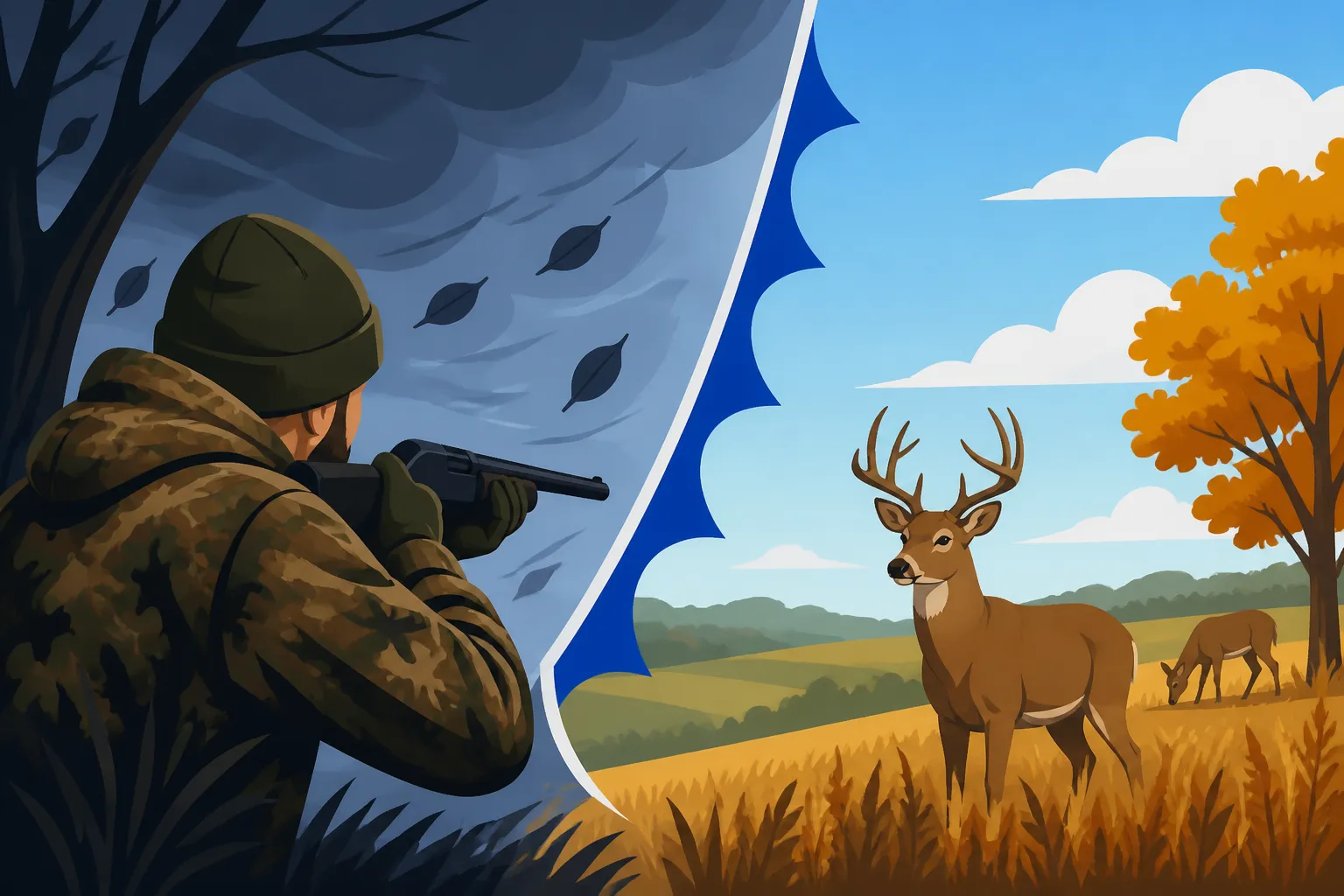
There’s nothing quite like that feeling when you wake up, and there’s a crisp, almost biting chill in the air. You see your breath, and the world just feels different. For Maryland deer hunters, a cold front rolling through can be a game-changer, often bringing a mix of excitement and uncertainty. Deer behavior can shift dramatically, leaving many of us scratching our heads about where they went or why they aren't moving like they were yesterday. This guide is all about helping you decode those post-cold front puzzles and adapt your strategies to find success when the temperatures plummet.
Understanding Deer Behavior Post-Cold Front
When a cold front slams into Maryland, it’s not just the hunters who feel the change; the deer certainly do, too. Their survival instincts kick into high gear, and their daily routines often get a significant shake-up. Understanding why they do what they do is the first step to putting yourself in the right place at the right time.
The Immediate Impact of Temperature Drops
Think about it from a deer's perspective. One day it might be mild, even warm, and the next, temperatures can drop by 15-20 degrees or more overnight. This sudden shift triggers their physiological responses. Their bodies instinctively know they need more energy to maintain core temperature and simply survive the chill. This isn't just a minor inconvenience for them; it's a fundamental change in their environment that directly impacts their metabolism and energy needs.
The atmospheric pressure change that often accompanies a cold front can also play a role. Some hunters swear by a correlation between dropping barometric pressure and increased deer activity, as if the deer sense the impending weather change and feed heavily beforehand. Then, once the cold air settles in and the pressure stabilizes on the higher side, they often get a surge of movement. It's almost like they get a new lease on life after hunkering down for the front itself, but now with a clear need to refuel and warm up.
Increased Feeding Activity
This is arguably the most significant behavioral change you’ll observe after a cold front. With lower temperatures, deer burn more calories just to stay warm. Their internal thermostat signals a critical need for more fuel, which translates directly into increased feeding activity. They’re no longer just browsing casually; they’re actively seeking out and consuming calorie-rich forage. This often means they’ll be on their feet for longer periods, especially during daylight hours, making them more visible and vulnerable.
If the cold front hits during the pre-rut or rut, this increased feeding can be amplified by bucks still cruising for does. They need that extra energy to sustain their exhaustive search. Even during the late season, when food sources might be scarcer, deer will focus intently on whatever high-energy options are available. This intense focus on food can sometimes override their natural wariness, particularly in areas with good cover near prime feeding grounds.
Shifting Bedding Patterns
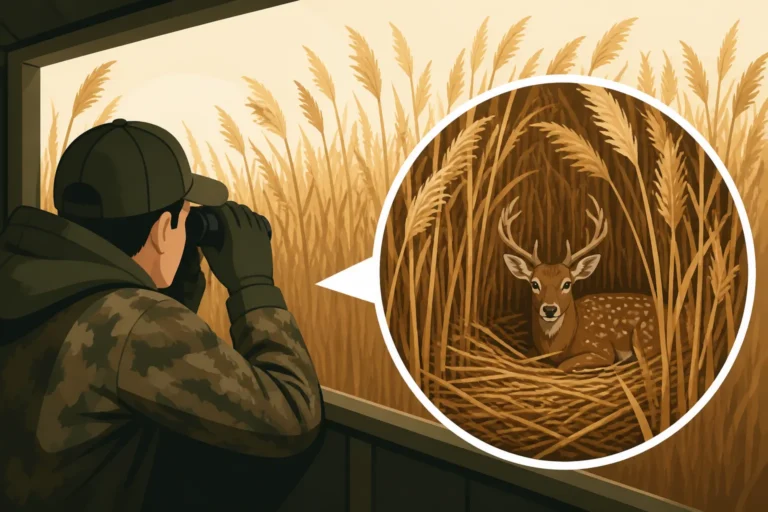
Just as deer change their feeding habits, their bedding preferences can also shift with the colder weather. During mild periods, deer might bed in open areas, perhaps a field edge that catches a nice breeze. But when it's genuinely cold, their priority becomes thermal cover. This means they'll seek out thick, dense cover that offers protection from the wind and helps trap whatever warmth they can generate.
Look for thickets of evergreens like pines or cedars, dense briar patches, or even thick stands of phragmites in marshy areas, especially if you're Hunting Sika Deer in Maryland's Tidal Marshes. These spots act like natural windbreaks and insulators. South-facing slopes can also become prime bedding locations because they catch more direct sunlight throughout the day, providing a warmer spot to rest. Understanding this shift is crucial because if you hunt the same old bedding areas, you might find them empty on a frosty morning. Their primary goal is conserving energy, and a well-protected bed is key to that.
Strategies for Locating Deer After a Cold Front
Knowing why deer behave differently is just the beginning. The real challenge, and the fun part, is translating that knowledge into actionable strategies in the field. This involves careful scouting, smart stand placement, and leveraging all the tools at your disposal.
Key Food Sources to Target
Since feeding becomes paramount, identifying and focusing on the most attractive food sources is your top priority. After a cold front, deer will beeline for anything packed with carbohydrates and fats.
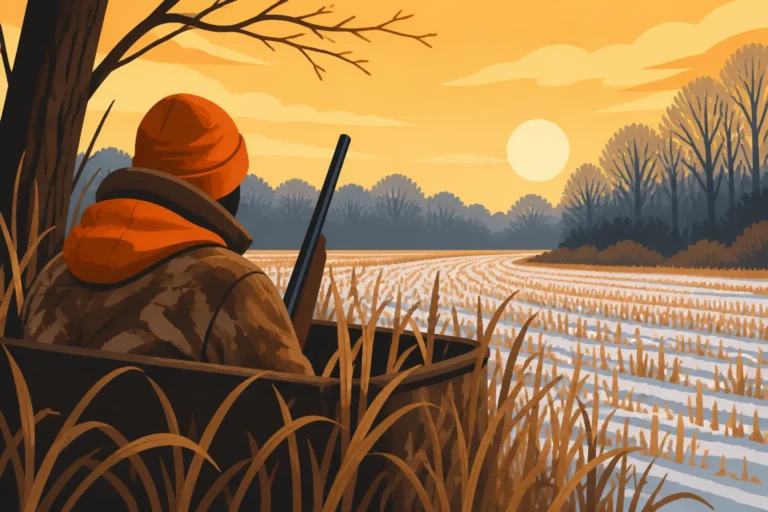
In Maryland, this often means agricultural fields. Cut cornfields are absolute magnets, offering leftover kernels that are high in energy. Soybeans, even after being harvested, can still have pods on the ground. Winter wheat or rye plots, sometimes planted by farmers or hunters, provide a green, digestible energy source. Even if the corn has been picked clean, don't ignore the edges. Deer will still work those fields, often Hunting a Standing Corn Field Edge for Deer for missed kernels or even browse on the adjacent weeds.
Beyond ag fields, don't forget natural food sources. Acorns, especially white oaks, are incredibly nutritious and highly sought after. If you know of a good oak flat that dropped a lot of acorns, that could be the ticket. Persimmons, if still available, are another high-energy fruit that deer will devour. Even honeysuckle or greenbrier, which might be less appealing in warmer weather, become important browse when other options are scarce. Scouting before the season, or even a quick walk-through after a cold front, can reveal which food sources are being hit the hardest. Using tools like aerial photos to identify these locations, as you would when Scouting Maryland Public Land With Aerial Photos, can give you a significant advantage.
Identifying New Travel Corridors
The shift in bedding and feeding means deer often adjust their travel routes. While they might have established trails during milder weather, a cold front can cause them to favor routes that offer more thermal cover or are more direct between their new bedding and feeding areas.
Look for funnels that connect thick bedding cover to prime food sources. These could be narrow strips of woods between open fields, creek bottoms lined with dense vegetation, or even small saddles on a ridge. Deer will often take the path of least resistance, especially when conserving energy in the cold, but they'll also seek routes that minimize their exposure to the wind. If you're on the Eastern Shore, this might mean a hedgerow or a ditch bank. In Western Maryland, it could be a sheltered bench or a draw on a hillside. These are natural pinch points that concentrate deer movement. Using a mapping application like GoHunt can be invaluable here, allowing you to identify these features from above and mark potential stand locations.
Pay attention to subtle changes in deer sign. Fresh tracks in the frosty ground leading from a thick pine stand to a cut bean field are a strong indicator of a new, or at least intensified, travel corridor. These new patterns might persist for a few days after the cold front passes, so an observant hunter who adapts quickly can capitalize on them.
Using Technology for Scouting
In today's hunting world, technology can be a powerful ally, especially when trying to quickly adapt to post-cold front conditions. Mapping apps are indispensable. They allow you to overlay property lines, topographic maps, and satellite imagery to identify potential bedding areas (thick cover), food sources (ag fields, oak stands), and the most efficient travel corridors connecting them. You can mark potential stand sites, entry and exit routes, and even wind directions for specific spots.
For example, if you've been monitoring a particular area, a tool like GoHunt can help you quickly visualize new patterns. You can check historical weather data to see how deer typically respond in that region, or use its mapping features to pinpoint bottlenecks that might funnel deer movement from new, cold-weather bedding to a freshly identified hot food plot. This digital scouting can save you countless hours in the field and help you prioritize where to focus your efforts. Trail cameras are another fantastic resource. Deploy them on the edges of suspected feeding areas or along potential travel routes. After a cold front, check your cameras remotely, if possible, or make quick, strategic checks to see if new patterns are emerging. Images from the past 24-48 hours will give you invaluable real-time intelligence on increased daytime movement or new deer visiting specific food sources.
Effective Hunting Tactics for Cold Front Conditions
Once you've done your homework and identified where deer should be, it's time to put boots on the ground. But just showing up isn't enough; you need to adjust your in-stand tactics and consider new approaches to capitalize on the changed conditions.
Adapting Your Stand Times
One of the biggest advantages of a cold front is the potential for increased daytime movement. Deer simply need more hours to forage and stay warm, meaning they might move later in the morning and earlier in the afternoon than usual. This is great news for hunters who often feel restricted to the first and last hour of light.
Don't be afraid to sit all day, especially if you're on a hot food source or a primary travel corridor. If you can only hunt for a few hours, consider extending your morning hunt until mid-morning or starting your afternoon hunt an hour earlier. A prime example is when you're Sitting a Field Edge in Maryland's January Firearms Days, where deer movement often peaks later in the morning as they emerge from thick cover to feed in the sun. The middle of the day, which might seem dead on a warm afternoon, can be surprisingly productive after a significant temperature drop. Just be sure your entry and exit routes are quiet and minimize disturbance, especially if you're planning to stay on stand for extended periods, or if you're navigating Entry Routes Through Cut Corn Before Daylight.
Calling and Scent Strategies
Cold, crisp air often carries sound and scent much more efficiently, which can be both a blessing and a curse. Deer might hear and smell you more easily, but they can also hear and smell your calls and scents from farther away.
When it comes to calling, aggressive tactics can sometimes pay off. Bucks, especially during the rut, are already on the move to burn calories and find does. A sharp grunt or a snort-wheeze can carry a long way and might pique their curiosity, pulling them off a distant ridge or out of a thicket. Soft bleats and grunts can also work well to draw in does and younger bucks looking for reassurance or companionship. If you're using Grunt Calls in Maryland Hardwoods, remember to adapt the intensity to the conditions; a calmer sequence might be better for an isolated deer, while a more aggressive one could challenge a traveling buck.
Scent strategies also need to be considered. Mock scrapes can be particularly effective during the rut, especially if you freshen them with dominant buck urine or estrus scents. The cold weather can help these scents linger longer. However, also be mindful of your human odor. The colder, drier air often helps scent travel further and sink to the ground less quickly. Use scent control diligently, and always play the wind. Understanding Wind and Thermals in Western Maryland Terrain is critical, especially when hunting in hilly or mountainous areas, to ensure your scent isn't being carried directly to bedding or feeding areas.
Still-Hunting and Tracking Opportunities
For those who enjoy a more active approach, a cold front can present excellent still-hunting and tracking opportunities. The firm ground or even a light dusting of snow that often follows a cold front makes tracking deer much easier. Fresh tracks stand out, and the crisp leaves underfoot can sometimes be less noisy if they're frozen solid.
When still-hunting, move slowly, taking only a few steps at a time, and then pausing for several minutes to scan the woods. Look for horizontal lines (the back of a deer) or patches of brown or grey that don't quite fit the vertical lines of trees. Focus on areas where deer might be moving between cover and food, or on south-facing slopes where they might be trying to catch the sun. This method can be incredibly rewarding, allowing you to cover ground and adapt to what you're seeing in real-time. This can be particularly effective in areas with higher Hunting Pressure on Maryland Public Land, where deer might be more accustomed to subtle human movement.
Essential Gear and Preparation for the Chill
Let's be real: hunting in cold weather isn't much fun if you're shivering uncontrollably. Proper gear and preparation are paramount not just for comfort, but for your safety and ability to stay focused and effective in the field.
Layering Up for Success
The key to staying warm without feeling like the Michelin Man is layering. Forget bulky, single-layer coats; embrace a system of multiple, thinner layers that you can add or subtract as needed.
- Base Layer: Start with a moisture-wicking base layer against your skin. Merino wool or synthetic materials are excellent choices as they pull sweat away from your body, keeping you dry. Cotton is a definite no-go in cold weather, as it traps moisture and will make you colder.
- Mid-Layers: These are your insulation layers. Fleece jackets, puffy vests, or even a lightweight down jacket can provide significant warmth without excessive bulk. You might wear one or two of these, depending on how cold it is.
- Outer Layer: Your outermost layer should be windproof and water-resistant (or waterproof, depending on conditions). This shell protects your insulating layers from the elements. Choose something quiet if you’re bowhunting or still-hunting. Brands like Sitka Gear or First Lite offer excellent layering systems designed specifically for hunting in varied conditions.
- Headwear: A significant amount of body heat escapes from your head. A warm beanie, balaclava, or even a hood integrated into your outer layer is essential.
- Neck Gaiter: A good neck gaiter provides adjustable warmth and can be pulled up over your face in biting winds.
Remember, you want to be slightly cool when you start your walk into your stand to avoid sweating, then add layers once you're settled. This strategy ensures you stay dry and comfortable for longer sits.
Protecting Your Hands and Feet
These are often the first parts of your body to get cold, and once they're cold, it's hard to warm them up, impacting your ability to shoot accurately or simply tough out the hunt.
- Hands: A good layering system for hands is often best. Start with thin, form-fitting gloves that allow for dexterity, like a pair of merino wool liners. Over these, wear a heavier, insulated glove or a pair of warm mittens. Many hunters swear by "shooter's mittens" which have a flap that can be pulled back to expose your fingers when you need to handle your weapon. Hand warmers, either chemical packets or rechargeable electric ones, are a lifesaver. Keep them in your pockets or inside your mittens.
- Feet: Insulated, waterproof boots are non-negotiable. Make sure they are rated for cold temperatures. Don't skimp on socks; a good quality pair of merino wool socks will make a huge difference. Avoid cotton here too. Some hunters even wear two pairs of thin wool socks, or a thin liner sock under a thicker wool sock for added warmth. Consider using toe warmers for those long, cold sits. Make sure your boots aren't too tight, as restricting circulation will make your feet colder.
Planning for Recovery in Cold Weather
Recovering a deer after a shot can be challenging enough in ideal conditions, but cold weather adds extra layers of consideration.
- Tracking: While cold ground can make tracks clearer, the freezing temperatures can also make blood trails less obvious, especially if the blood freezes or is absorbed quickly by dry leaves. Take extra time at the shot site to carefully mark where the deer was standing and where you last saw it. Pay close attention to subtle signs like overturned leaves, broken twigs, or disturbed vegetation. Having a good tracking light, even during the day, can help illuminate a sparse blood trail. If you believe the deer is mortally wounded but the trail is weak, give it time, but not too much time in bitter cold, as the meat can freeze if left out too long.
- Field Dressing: Cold weather can actually be a benefit for field dressing. It slows down bacterial growth, giving you more time to get the deer out and processed without worrying as much about spoilage. However, working with cold hands can be miserable. Wear a good pair of latex or nitrile gloves under your work gloves to keep your hands clean and add a thin layer of warmth. Have a sharp knife ready, and consider a small, portable seat or kneeling pad if you expect to be working on hard, frozen ground. If you're near a tidal area, remember that recovering a deer from the water, as one might do when Recovering a Deer From a Tidal Marsh, adds another dimension of cold and logistics.
- Transport: Have a plan for getting your deer out of the woods quickly. The cold will keep the meat fresh, but you still want to get it to a processor or hang it properly. A deer cart can be a lifesaver, especially if you're hunting public land far from vehicle access. If you're hunting solo, consider quartering the deer in the field to make it easier to pack out in stages.
By understanding how deer react to cold fronts, adapting your scouting and hunting strategies, and preparing yourself with the right gear, you can turn those frigid Maryland days into some of your most successful and memorable hunts.
Maryland Deer Behavior and Hunting Tactics Post-Cold Front
Here's a quick look at how deer behavior typically changes after a cold front and the hunting tactics you can employ to make the most of it:
| Aspect | Typical Pre-Cold Front Behavior (Milder Weather) | Post-Cold Front Behavior (Colder Temperatures) | Recommended Hunting Tactics |
|---|---|---|---|
| Feeding Activity | Moderate, often more nocturnal. | Increased significantly, more daylight movement for high-calorie foods. | Focus on prime food sources (cut corn, acorns, green plots). Sit longer, especially mid-day. |
| Bedding Locations | Varied, sometimes more open areas, less focus on thermal cover. | Shifts to thick, dense thermal cover (pines, briars, south-facing slopes) away from wind. | Scout new bedding areas. Hunt travel corridors leading from these new beds to food. |
| Travel Patterns | Established trails, may be less direct. | More direct routes between thermal cover and food. May use sheltered funnels more. | Identify funnels, pinch points. Use GoHunt to locate these features. Look for fresh tracks. |
| Rut Activity | Variable depending on phase, less urgency if warm. | Bucks increase movement for does to burn calories and find new areas. | Aggressive calling (grunts, snort-wheezes) can be effective. Consider rattling antlers on an Eastern Shore farm. |
| Response to Calls | May be cautious, less responsive. | Can be more responsive due to increased movement and caloric need. | Vary call intensity; try both soft bleats and louder grunts. Use scent where appropriate. |
| Human Scent Travel | May settle faster in warmer, humid air. | Travels further and lingers longer in cold, dry air. | Rigorous scent control. Always play the wind, especially in terrain that impacts thermals. |
Disclaimer
Hunting is an inherently dangerous activity. Always prioritize safety, follow all local and state regulations, and obtain proper licensing before heading into the field. This guide is for informational purposes only and does not substitute for hands-on experience or certified hunter education. Be aware of your surroundings, know your target and what is beyond it, and hunt ethically and responsibly.