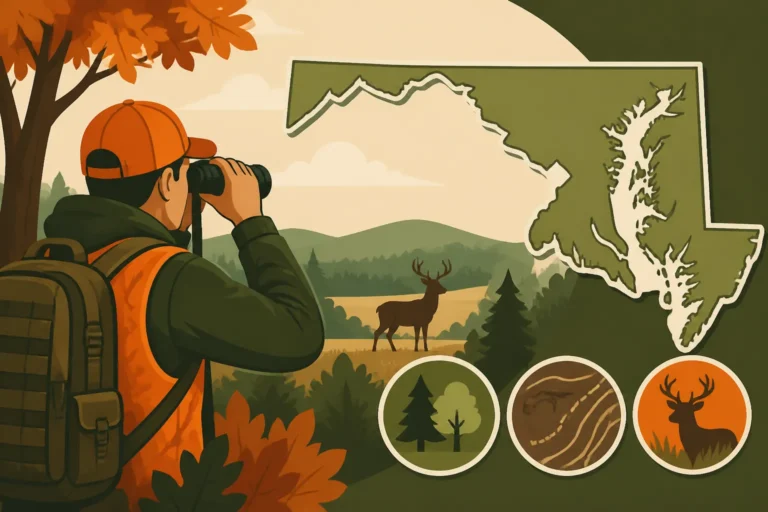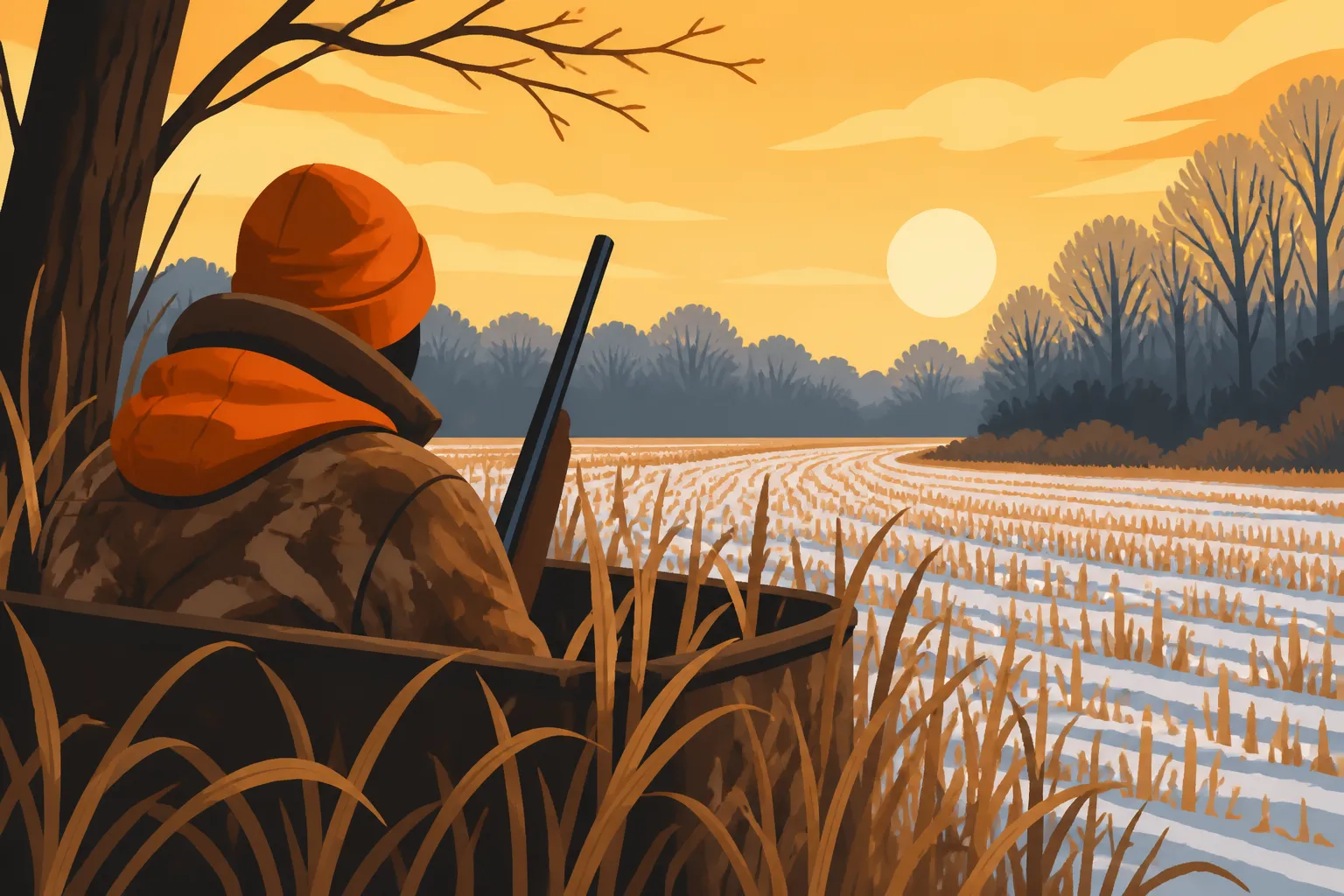
Sitting a Field Edge in Maryland’s January Firearms Days
The biting chill of Maryland's January firearms season is a unique beast, presenting both significant challenges and incredible opportunities for whitetail hunters. When the mercury drops and the landscape goes dormant, deer behavior shifts dramatically, often concentrating around the most reliable food sources. This guide is all about mastering the art of sitting a field edge during these frigid January days, helping you understand deer movement, optimize your setup, and endure the elements for a successful late-season hunt.
The Unique Appeal of Maryland's January Firearms Season on Field Edges
Maryland's January firearms season, often seen as a last hurrah for deer hunters, brings its own set of distinct dynamics. Unlike the chaos and passion of the rut, this period is driven purely by survival, making deer patterns more predictable if you know what to look for. The cold weather forces deer to prioritize caloric intake, often leading them to open fields where persistent food sources can be found.
Late Season Deer Behavior and Food Focus
As the breeding frenzy of the rut winds down in November and early December, a deer's focus shifts from procreation to simply staying alive. Calories become king, especially for bucks that have depleted their reserves chasing does, and for all deer needing to build up fat for the harshest part of winter. This critical need for energy means deer will seek out the most nutritious and accessible food sources available.
You’ll find deer concentrating heavily on agricultural fields that still offer sustenance. Think about standing corn that wasn't harvested, cut corn fields with residual grain, soybean fields that might have some beans left, winter wheat plots, or even late-season brassica food plots planted specifically for this time of year. These fields become magnets, drawing deer from surrounding timber and bedding areas, often multiple times a day. While early season deer might browse a variety of natural forage, January deer are usually much more targeted in their feeding efforts. You might observe a large group of does and fawns, sometimes accompanied by a weary buck, pouring into a cut corn field an hour or two before dark, frantically trying to pack on calories before the long, cold night. Their movement patterns become highly efficient, often using the shortest, most covered routes between bedding and feeding areas. Understanding these routes is paramount to success.
Understanding Maryland's January Firearms Regulations
Before you even think about settling into a stand, it’s absolutely crucial to be well-versed in Maryland's specific regulations for the January firearms season. This late-season segment is typically a brief but important window, often reopening for a few days in the middle of the month after the primary firearms seasons have closed. For instance, in recent years, the January firearms days in Maryland generally run from the second Friday to the following Saturday of the month. Always double-check the current year's Maryland DNR hunting guide for exact dates, as these can shift slightly.
Weapon legality varies by county. While shotguns are universally legal for deer during firearms seasons across Maryland, some counties permit the use of straight-walled cartridge rifles, and others, particularly in Western Maryland, allow traditional centerfire rifles. It’s vital to confirm what is permissible in your specific hunting county to avoid any violations. Additionally, don't forget the statewide blaze orange requirements: during firearms season, hunters are required to wear a minimum of 250 square inches of solid fluorescent orange or fluorescent pink material on an outer garment above the waist, and a fluorescent orange or fluorescent pink hat. This visibility is not just a rule, it's a critical safety measure, especially with potentially more hunters in the woods on public lands or larger private tracts.
Perhaps most importantly for field edge hunters, particularly those targeting antlerless deer, are the bag limits. Maryland is divided into two deer management regions: Region A (primarily Western Maryland's mountainous counties) and Region B (the rest of the state, including the Eastern Shore and central Maryland). In Region B, antlerless deer opportunities are far more generous, often allowing for multiple antlerless deer to be harvested with the appropriate bonus stamps. This makes sitting a field edge in Region B incredibly productive for managing deer populations and filling your freezer. Knowing Maryland's Deer Bag Limits and Antler Rule is essential for ethical and legal hunting. For those looking for antlerless opportunities, especially after the rut, this January window on field edges can be a golden opportunity.
Strategic Scouting and Field Edge Selection for Winter Deer
Successfully hunting a field edge in January isn't just about showing up; it's about smart, focused scouting that identifies where deer are concentrating their efforts. Winter conditions often make sign easier to read, but you need to know what you’re looking for and how to interpret it.
Interpreting Winter Sign on Field Edges
When snow covers the ground, deer sign practically screams at you. Fresh tracks leading in and out of a field are the most obvious indicators. Pay close attention to the size and direction of these tracks. Are they small, indicating fawns and does? Or do you see larger, splayed tracks that might belong to a mature buck? Look for where tracks converge, indicating a natural funnel or preferred travel corridor.
Beyond tracks, droppings are excellent indicators of recent activity. In winter, deer scat will often be firmer and more pellet-like due to their diet of dry forage and grains. Larger, more numerous piles suggest multiple deer or a consistent feeding pattern. You might also find subtle browse lines along the edge of the timber bordering the field, where deer have nipped at saplings or low-hanging branches. While rub and scrape lines are typically most active during the rut, an old rub on a sapling near a field edge can still indicate a buck's travel route from earlier in the season, a route they might revert to when heading to food. Remember, cold weather often compels deer to bed closer to their primary food source to conserve energy, so fresh sign along the timber line where it meets the field is a great clue. Using an app like GoHunt can be invaluable here, allowing you to mark specific sign you find on a map, build a picture of deer movement, and even study historical satellite imagery for changes in crop rotation or cover.
Identifying High-Traffic Entry and Exit Points
Deer are creatures of habit and efficiency. They rarely wander randomly into a field. Instead, they use specific, often well-worn trails to enter and exit. Your job as a hunter is to find these "doorways" and set up accordingly. Look for natural funnels formed by terrain features like drainage ditches, creek bottoms, fencerows, or dense hedgerows that run from bedding cover directly to the field. These natural corridors offer deer a sense of security as they transition from thick cover to open feeding areas.
Another key is observing where the timber or thick cover provides the most concealment right up to the field edge. Deer are less likely to cross wide-open spaces until the last possible moment, preferring to hug the cover for as long as they can. Spend time glassing fields from a distance during non-hunting hours to pinpoint where deer are actually emerging. You might see deer using a specific pinch point between two small woodlots that funnel them directly into a standing corn field, or notice them consistently coming out of a dense pine thicket on the edge of a soybean field. Tools like GoHunt's mapping features can help you visualize these topography and cover changes, allowing you to mark potential entry points and plan your approach. Understanding Entry Routes Through Cut Corn Before Daylight is crucial for effective ambush hunting.
Optimal Setup Strategies for January Field Edge Hunting
Once you've done your scouting and identified promising field edges and deer entry points, the next step is planning your setup. January's brutal conditions and wary deer demand meticulous attention to detail in terms of concealment, wind, and even calling tactics.
Concealment and Wind Management
Hunting field edges, by their very nature, means you're often in a more exposed position than deep in the timber. This necessitates superior concealment. If you're using a tree stand, choose a tree with dense cover, such as a large oak with persistent leaves or a thick cedar, that breaks up your outline effectively. Position yourself where you can see the likely entry points without needing to move excessively. For many, a well-brushed ground blind can be even more effective for January field edge hunting. It provides excellent concealment from the elements and from deer, allowing for subtle movements that might otherwise be spotted. Make sure your blind is brushed in thoroughly with natural vegetation from the area to help it blend seamlessly into the environment.
Wind is perhaps the most critical factor when hunting wary late-season deer. With fewer leaves on the trees and often quieter conditions, deer are hyper-aware of scent. You absolutely must position yourself downwind of where you expect deer to approach and feed. Cold air tends to sink, so be mindful of thermals in the mornings and evenings. A subtle shift in wind can carry your scent directly to approaching deer, blowing your hunt before it even begins. Imagine sitting patiently, only for a wise old buck to circle downwind, catch your scent, and vanish back into the timber before you even knew he was there. This is why checking the wind constantly, and having a backup plan or alternate setup for different wind directions, is not just good practice but essential for success.
Decoy Placement and Calling Tactics
In January, the effectiveness of aggressive calling tactics like rattling or loud grunting is significantly diminished compared to the rut. Deer are no longer focused on breeding challenges. However, subtle vocalizations can still be useful. A soft doe bleat or a quiet tending grunt might just be enough to stop a deer that's moving quickly through the field, giving you a shot opportunity. Don't expect to call them in from a distance, but rather use calls as a last-ditch effort to pause a deer within shooting range.
Decoys can also play a role, though they require careful consideration. A single doe decoy, or even a smaller, passive buck decoy, can sometimes draw the attention of curious deer. The key is realistic placement. Position the decoy quartering away from your stand, as if it's already feeding or looking into the field. This presents an ethical shot opportunity for a broadside or quartering-away shot if a deer approaches. Always place your decoy downwind of your position, so any approaching deer will be drawn towards the decoy, not your scent cone. Remember, in January, deer are very alert, and an unnatural-looking decoy or one poorly placed can spook them just as easily as it might attract. For more on late-season tactics, consider how Hunting After a Maryland Cold Front can shift deer behavior and make certain calling or decoying strategies more or less effective. While Rattling Antlers on an Eastern Shore Farm might be an exciting rut tactic, it's far less effective now.
Gear and Weather Considerations for Enduring January Cold
January in Maryland can be brutally cold, with temperatures often hovering around freezing or well below. To succeed, you need to be prepared to sit still for extended periods in these conditions. Being cold and uncomfortable will not only diminish your enjoyment but also make you less effective as a hunter, leading to excessive movement and loss of focus.
Essential Cold Weather Hunting Gear
Layering is the absolute bedrock of cold weather hunting. Start with a moisture-wicking base layer (merino wool or synthetic, avoid cotton) against your skin to pull sweat away. Build upon this with insulating mid-layers, such as fleece or down, to trap warmth. Your outer layer needs to be windproof, waterproof, and extremely warm. Think about brands like Sitka, First Lite, or Cabela's proprietary lines that specialize in cold weather gear designed for hunters. Your choice of outerwear can make or break your hunt; you want something that keeps you absolutely toasty, even when you're completely motionless.
Footwear is another critical area. Insulated, waterproof boots are non-negotiable. Look for boots rated for extreme cold, often with 1000g or more of Thinsulate insulation. Consider adding heated socks or chemical foot warmers to keep your toes from freezing. For your hands, mittens often provide more warmth than gloves, but look for designs with an index finger separate for shooting, or flip-back mitts. Hand warmers tucked into these are a lifesaver. Finally, don't neglect your head and face; a warm hat and a balaclava or face mask will prevent significant heat loss. Pack a thermos with hot coffee, tea, or soup to help warm you from the inside out. When mapping out your hunt with an app, GoHunt often provides detailed weather forecasts, including wind chill, which can help you select the appropriate gear for the day.
Adapting to Variable January Conditions
Maryland's January weather can be fickle, shifting from clear, biting cold to snowstorms in a matter of hours. Each condition requires a slightly different approach when sitting a field edge.
Snow: Fresh snow can be a double-edged sword. It makes deer tracks incredibly easy to read, highlighting recent movement and travel corridors. Light snow can even muffle sounds, giving you an advantage. However, heavy, falling snow might cause deer to bed down earlier or move more cautiously. After a fresh snowfall, deer often move to feed more actively, as the snow covers some food sources and makes others harder to access, increasing their caloric need. The contrast of dark deer against a white landscape also makes them easier to spot.
Extreme Cold: When temperatures plummet, deer, like humans, conserve energy. They might move less during the day, focusing their activity on dawn and dusk, making those prime hours even more critical. During these bitter cold snaps, deer are highly motivated by food, so your field edge setups near high-quality forage become even more effective. They'll minimize unnecessary movement, often using the most direct route from bedding to food.
Wind: A strong, cold wind can make hunting unbearable, but it also has an impact on deer. They may hug thick cover more tightly, moving along the leeward side of ridges or woodlots to escape the direct blast. Wind can also mask your sounds, but it will carry your scent farther and faster. Always consider how the wind interacts with the topography of your field edge. If you're hunting an open field with a strong crosswind, your scent could blow across the entire field. In such conditions, consider moving to a more sheltered field edge or a transition zone that provides more cover. This is where Sitting a Field Edge in Maryland's January Firearms Days really becomes an exercise in patience and adaptation. For hunters seeking to capitalize on these dynamics, understanding Late Season Food Sources for Maryland Deer is as important as any gear choice.
Here’s a quick overview of some common late-season food sources you might encounter on Maryland field edges:
| Food Source Type | Typical State in January | Deer Appeal | Best Hunting Strategy |
|---|---|---|---|
| Cut Corn Fields | Stubble, some scattered kernels | High (carb-rich) | Sit downwind of entry points, especially near heavy cover. |
| Standing Corn | Intact, weathered | High (shelter & food) | Locate travel lanes into and out of standing rows. |
| Soybean Fields | Stubble, some leftover beans | Medium-High (protein) | Similar to cut corn, focus on edges near dense woods. |
| Winter Wheat/Rye | Green shoots, emerging | Medium-High (browsing) | Hunt transition zones during daylight, especially sunny days. |
| Brassica Plots | Frost-sweetened leaves/bulbs | High (digestible) | Effective in afternoon/evening, deer will browse openly. |
| Clover Plots | Dormant but persistent | Medium (if still green) | Look for fresh nibbles, especially on warmer days or after thaw. |
Understanding these late-season preferences will guide your scouting and help you pinpoint the best field edges to target. For those who want to broaden their knowledge on deer movement, exploring articles like Hunting a Funnel Between Two Grain Fields can provide additional insights into predicting deer patterns. Whether you're hunting a small woodlot or a vast agricultural landscape, like Hunting a Standing Corn Field Edge for Deer, the principles of field edge hunting remain consistent: find the food, read the sign, manage your scent, and be patient. And if you're hunting private land, make sure you have solid permissions; for public land, check into specific access requirements, as you might find a real gem. For more detailed insights into specific food sources, checking out Hunting a Clover Plot on a Maryland Farm might be beneficial.
Disclaimer
Hunting is an inherently dangerous activity. This guide provides general information for educational purposes only and should not be considered a substitute for professional instruction, adherence to all local, state, and federal hunting laws, or responsible judgment. Always prioritize safety, understand and follow all Maryland Department of Natural Resources regulations, and respect private property. The author and publisher are not responsible for any accidents, injuries, or legal issues that may arise from using this information.