Taking a Youth Out on Junior Turkey Day
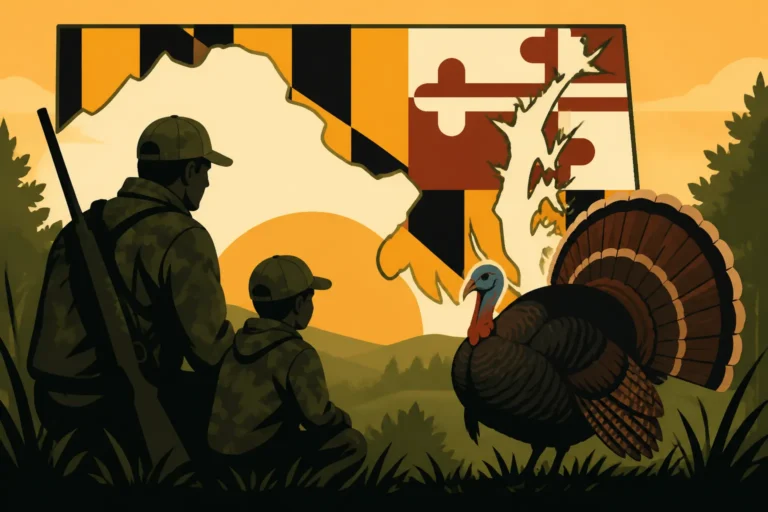
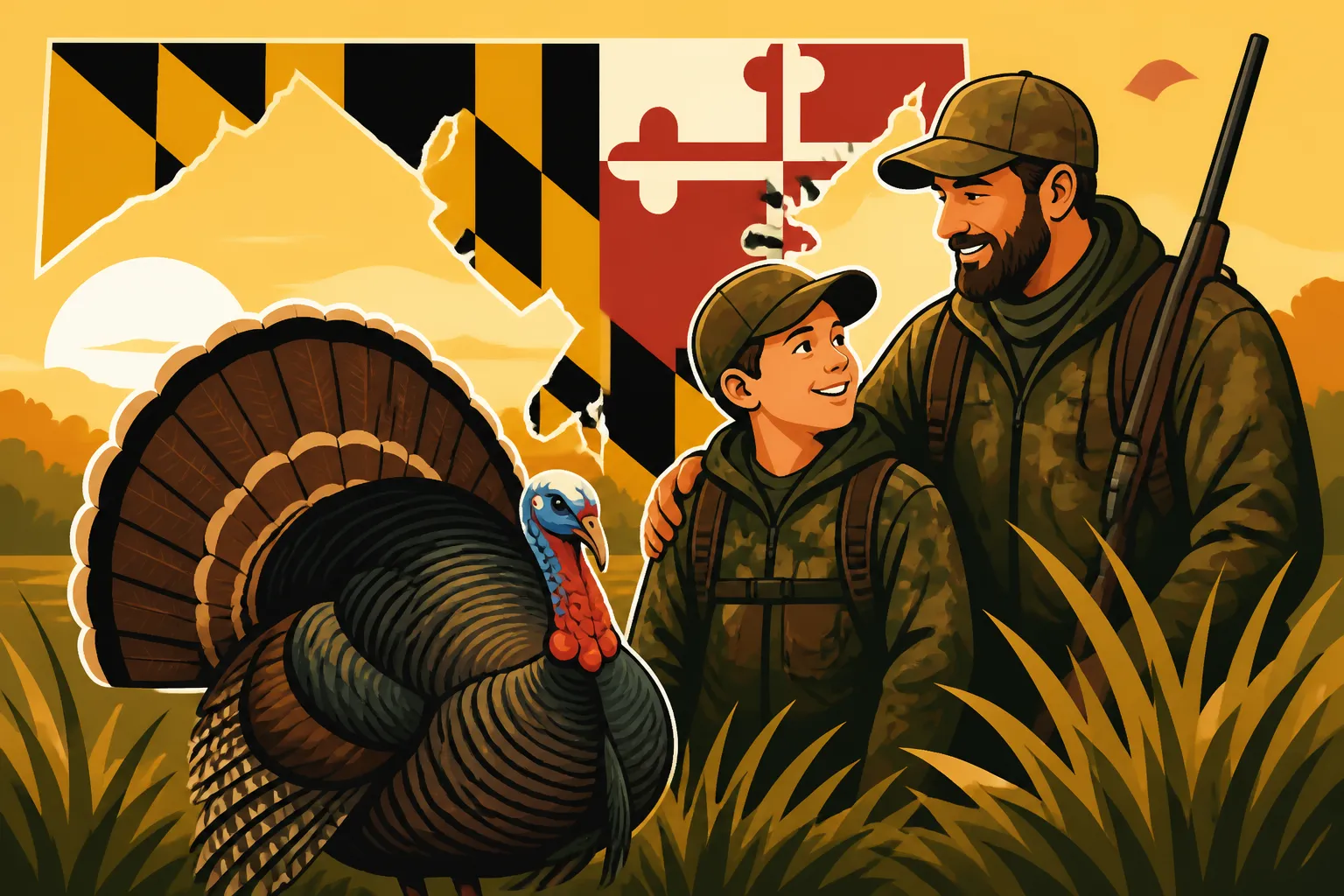
Bringing a young hunter into the world of turkey hunting is one of the most rewarding experiences a mentor can have, but it often comes with a heap of questions about regulations, gear, and how to make the day truly special for them. Many seasoned hunters feel the weight of making sure their junior partner has a safe, educational, and above all, fun experience, which can be daunting when you're trying to keep up with changing rules and ensure everything goes smoothly. This comprehensive guide is here to alleviate those worries, walking you through everything you need to know to confidently take your youth out for Maryland's Junior Turkey Day, ensuring a positive introduction to this thrilling spring pursuit.
Understanding Maryland's Junior Turkey Day Regulations
Maryland's Junior Turkey Day is a fantastic opportunity designed specifically to give young hunters a dedicated chance to pursue spring gobblers without the pressure of a full-blown season opener. It's a special day, but like all hunting, it comes with its own set of rules and requirements that every mentor needs to understand inside and out. Missteps can quickly turn an exciting day into a frustrating one, so let's get into the specifics.
Eligibility and Permit Requirements for Young Hunters
First and foremost, who qualifies for Junior Turkey Day? In Maryland, generally, a junior hunter is anyone under the age of 17. The exact age limits for purchasing certain licenses and hunting alone will vary, but for Junior Turkey Day, the focus is on providing a mentored experience. Your young hunter will need to possess a valid Maryland hunting license. For residents, this usually means a Junior Hunting License, which is thankfully quite affordable and accessible. Non-residents also have options, though their license costs will naturally be higher. Beyond the basic hunting license, your youth will also need a Maryland Spring Turkey Permit. This is a crucial stamp that grants them the right to hunt turkeys during the specified seasons.
It's absolutely essential that any junior hunter has completed a Maryland Hunter Education course. This isn't just a hoop to jump through; it's a foundational step that instills critical safety knowledge, wildlife conservation principles, and ethical hunting practices. If your youth hasn't taken the course yet, make sure to get them signed up well in advance, as slots can fill up, especially closer to season openers. You can find detailed information on Maryland Hunter Education Requirements through the Department of Natural Resources (DNR) website. Remember, as the mentor, you're not just guiding them to birds; you're ensuring they understand and follow all of these regulations, making their introduction to hunting a responsible one.
Season Dates and Bag Limits for Junior Turkey Day
The beauty of Junior Turkey Day is its exclusivity. It's typically held the Saturday before the regular statewide spring turkey season opens, providing a unique window where only eligible junior hunters, accompanied by a licensed adult mentor, are allowed to pursue gobblers. This significantly reduces hunting pressure and offers a more relaxed, less crowded experience, which is invaluable for a beginner. The specific dates can shift slightly year to year, so always double-check the current Maryland DNR hunting guide for the precise Junior Turkey Hunt Date and Rules.
On this special day, the bag limit for a junior hunter is generally one bearded turkey. This means they can take a gobbler (a male turkey) or a hen that possesses a beard. Unlike some states, Maryland's spring season regulations are quite clear on this. The legal shooting hours for turkeys in Maryland typically run from one-half hour before sunrise until noon. This cutoff is important, especially when you're caught up in the excitement of a morning hunt. Always keep an eye on the clock, as hunting past noon is a serious violation. This limited time frame also teaches young hunters the importance of making the most of prime morning activity and teaches respect for the regulations governing legal shooting hours.
Legal Weapons and Safety Considerations
When it comes to legal weapons for Junior Turkey Day, young hunters have several options, mirroring those allowed for the regular spring season. Shotguns are by far the most popular choice, with 20-gauge shotguns being an excellent option for youth due to their lighter weight and manageable recoil compared to a 12-gauge. Some youth might also be comfortable with a .410, especially with modern turkey loads, but ensure it patterns well for sufficient range. Archery equipment, including compound bows and crossbows, is also legal. If your young hunter is proficient with a bow, they can certainly use it, but ensure they understand the specific shot placement required for turkeys with archery gear.
Safety, of course, is paramount. As the accompanying adult, you are responsible for the safe conduct of your junior hunter. This includes ensuring they understand and follow all firearm safety rules: always point the muzzle in a safe direction, treat every gun as if it's loaded, be sure of your target and what's beyond it, and keep your finger off the trigger until ready to shoot. While Maryland doesn't require blaze orange when stationary turkey hunting (as turkeys have excellent eyesight), it's highly recommended to wear blaze orange while walking to and from your hunting spot. Many mentors will carry an orange vest or hat for both themselves and their junior hunter to don while moving through the woods, removing it once they are set up. This simple practice dramatically increases safety, especially on public land or areas with other hunters.
Essential Gear and Preparation for Young Hunters
Taking a youth turkey hunting isn't just about showing up in the woods; it requires thoughtful preparation and the right gear to ensure they are comfortable, safe, and have the best chance at success. A poorly fitting shotgun or uncomfortable clothing can quickly turn a potential lifelong passion into a one-time chore. Let's delve into what you need to consider before heading out.
Shotgun Fit and Ammunition Choices
The most critical piece of equipment for a young turkey hunter using a shotgun is undoubtedly the shotgun itself, and more specifically, how well it fits them. A full-sized 12-gauge can be too long, too heavy, and deliver too much recoil for many kids, leading to poor shooting habits, flinching, and a negative experience overall. A properly fitting gun means the length of pull (the distance from the trigger to the end of the stock) is appropriate for their arm length. Many manufacturers, such as Mossberg with their "Super Bantam" line or Remington, offer youth models with shorter stocks or adjustable stocks that can grow with the hunter. These often come in 20-gauge, which is perfectly capable of taking a turkey with modern ammunition.
Once you have a well-fitting gun, selecting the right ammunition is key. For youth, focusing on low-recoil turkey loads is a game-changer. Brands like Federal, Winchester, and Hornady often produce loads specifically designed to reduce felt recoil without sacrificing performance. Look for shot sizes #5 or #6, which provide a good balance of pellet count and energy for turkeys. Before the season, take your young hunter to the range to pattern their shotgun with the chosen ammunition. This is vital. You want to see how the pellets spread at typical turkey hunting distances (20-40 yards) and ensure they can consistently place a dense pattern in the head and neck region of a turkey target. This practice builds confidence and reinforces safe firearm handling, which is a core tenet of the GoHunt philosophy, ensuring every shot taken in the field is a responsible one.
Camouflage, Calls, and Decoys
Effective camouflage is essential for turkey hunting, as these birds have incredibly sharp eyesight. For spring turkey hunting in Maryland, you'll want patterns that mimic the greens, browns, and dark tones of a forest that is just starting to leaf out. Full head and face concealment – either a mask or face paint – is non-negotiable, as is wearing gloves. Turkeys are very sensitive to movement, and uncovered skin can easily give away a hunter's position. Ensure the clothing fits well and doesn't restrict movement, but also isn't so baggy that it can snag or create noise while moving. Layering is always a good idea, as spring mornings can be chilly but warm up quickly.
Introducing calls to a young hunter should start simple. A push-button call or a basic box call is often the easiest for kids to master and can produce surprisingly realistic yelps and clucks. Focus on consistency over complexity. Let them practice quietly at home, building their confidence. Decoys can also be incredibly useful for bringing a gobbler into range and, perhaps more importantly, drawing their attention away from the hunters. A single hen decoy placed about 20-25 yards out, slightly off to the side, is a classic and effective setup. If you have a jake decoy, adding it to create a breeding scenario can sometimes entice a dominant gobbler to commit aggressively. Always place your decoys where they're visible to approaching turkeys but also where you have a clear, safe shooting lane and a good backstop.
Scouting and Location Selection
Pre-season scouting is absolutely crucial for a successful Junior Turkey Day hunt. This means spending time in the woods before the season opens, long before the sun rises, listening for gobblers roosting, and then moving to identify strut zones, feeding areas, and travel corridors. Look for fresh tracks, droppings, and shed feathers. Knowing where turkeys prefer to roost and where they like to pitch down in the morning gives you a huge advantage. Utilize mapping tools like GoHunt, which can provide invaluable aerial imagery and topographical maps, helping you identify potential roosting ridges, open fields, and creek bottoms that turkeys might frequent. This allows you to pinpoint good access points and plan quiet entry routes without disturbing birds.
For location selection, consider both public and private land opportunities. Maryland has numerous Wildlife Management Areas (WMAs) and State Forests that offer excellent turkey hunting. Areas like Green Ridge State Forest or the various WMAs across the state can hold good turkey populations. While these areas can experience some pressure during the regular season, the Junior Turkey Day often provides a more relaxed environment. If you have access to private land, this can offer an even more secluded and controlled experience, which is ideal for a young hunter. Look for areas with a mix of mature timber for roosting, open fields or clearings for strutting, and water sources. Remember, the goal is not just to find turkeys, but to find an area where you can set up safely, comfortably, and where your junior hunter has a good chance to engage with a bird. Thorough scouting will greatly enhance your chances.
Strategies for a Successful and Enjoyable Hunt
The true success of Junior Turkey Day isn't measured by a bird in hand, but by the spark ignited in a young hunter's eyes and the memories forged in the spring woods. While bagging a gobbler is thrilling, fostering a love for the outdoors and ethical hunting practices is the ultimate trophy. Every aspect of the hunt, from the first step into the woods to the final stories shared, contributes to this larger goal.
Mentoring and Building Confidence
Patience, above all else, is the mentor's greatest virtue on Junior Turkey Day. Things might not go as planned. Birds might gobble sparingly, or not at all. You might get busted by a keen-eyed hen. These are all part of turkey hunting, and it's essential to manage expectations, both your own and your junior hunter's. Emphasize that the experience of being in the woods, listening to the forest awaken, seeing other wildlife, and trying to outsmart a gobbler is the real reward. Celebrate small victories: hearing a distant gobble, making a realistic call, spotting a deer, or simply sitting still for an extended period.
Actively involve your young hunter in the decision-making process. Let them help choose the calling sequence, suggest a setup location (after your final safety checks), or even try to identify distant gobblers. This involvement builds ownership and confidence. Teach them about reading turkey sign, understanding bird behavior, and the subtle art of calling. Maryland's turkey population, as discussed in Maryland's Turkey Harvest by Region, offers plenty of learning opportunities. If they're struggling with a call, offer gentle guidance, but don't take over entirely. Remember, you're not just guiding them to a shot; you're cultivating a passion. A great way to do this is to ensure they understand the importance of patience, stealth, and adapting to the situation, which are crucial lessons you'd find in a discussion on Roost Hunting Gobblers on Maryland Farmland.
Setting Up and Calling Techniques
When it comes to setting up for turkeys, safety and comfort are paramount for a junior hunter. Find a spot with a wide field of view, ideally against a large tree or other natural obstruction that provides a solid backrest and breaks up your silhouette. This also offers crucial protection from any unforeseen incident. Ensure there's a clear shooting lane for the junior hunter, free of small branches or brush that could deflect a shot. The goal is to maximize their comfort and minimize movement. You can learn more about effective positioning by reading Setting Up Against a Big Oak for Turkeys.
For calling, remember the adage: "less is often more," especially with pressured birds. Start with soft tree yelps and clucks as birds wake up on the roost. Once they've hit the ground, transition to more enthusiastic calls, but don't overdo it. Listen to what the gobbler is doing and try to mimic his cadence. If he's hot and gobbling often, you can call more aggressively. If he's quiet or "hung up" (meaning he stops just out of range), switch to softer purrs and clucks, or even go silent for a while, making him think the hen is moving away. Decoy placement, as mentioned earlier, is vital, and considering Decoy Placement for Pressured Maryland Gobblers can offer further insights. Always be mindful of the turkey's approach and teach your young hunter to scan for incoming birds. The mentor should be the eyes and ears, helping the junior hunter get ready for the shot when the moment is right, reminding them to use a safe and ethical shot placement.
Post-Hunt Responsibilities and Memories
Should your junior hunter successfully harvest a turkey, the learning and mentoring continue. The first step, after ensuring the bird is dispatched humanely and safely, is to properly tag and field dress it. Teach them how to correctly attach their tag immediately after the kill, as per Maryland regulations. Field dressing, while not the most glamorous part of the hunt, is a crucial skill. Walk them through the process, explaining why it's done and how to do it efficiently. This practical experience is invaluable and fosters a sense of responsibility for the animal.
After field dressing, the turkey must be registered with the Maryland DNR. This can typically be done online, through a phone app, or by calling a toll-free number. Ensure your young hunter understands the Turkey Registration Requirements After the Kill and the importance of accurately reporting their harvest. This data is critical for wildlife management. Finally, and perhaps most importantly, celebrate the accomplishment! Take plenty of photos, and encourage your junior hunter to recount the experience. These stories, photos, and the shared time in the woods create lasting memories that go far beyond the turkey itself. Journaling about the hunt can also be a wonderful way to cement the experience and allow them to reflect on what they learned. Maryland's youth hunters are the future of conservation, and positive experiences like these are what ensure that future is bright.
| Gauge Recommendation | Typical Youth Age Range | Ammunition Consideration | Pros for Youth Hunters | Cons for Youth Hunters |
|---|---|---|---|---|
| .410 Bore | 8-12 years | Low-recoil specific turkey loads, #9 or #10 TSS | Very low recoil, lighter gun weight, easier to handle | Limited range, expensive specialized ammo, requires very precise shot placement |
| 20 Gauge | 10-15 years | Standard or low-recoil turkey loads, #5 or #6 lead/TSS | Manageable recoil, good range with modern loads, wide gun availability | Slightly heavier than .410, more recoil than .410, still needs good fit |
| 12 Gauge | 14+ years (with proper fit) | Low-recoil turkey loads, #4, #5, #6 lead/TSS | Widest ammo selection, most versatile, excellent range | Can be too heavy and have too much recoil for many youth, critical to ensure proper fit |
Disclaimer
The information provided in this guide is for general informational purposes only and does not constitute legal advice. Hunting regulations, season dates, and license requirements are subject to change. Always consult the official Maryland Department of Natural Resources (DNR) hunting guide and website for the most current and accurate regulations before participating in any hunting activity. It is the responsibility of each hunter to know and obey all applicable laws.