Jump-Shooting a Marsh Gut on a Falling Tide
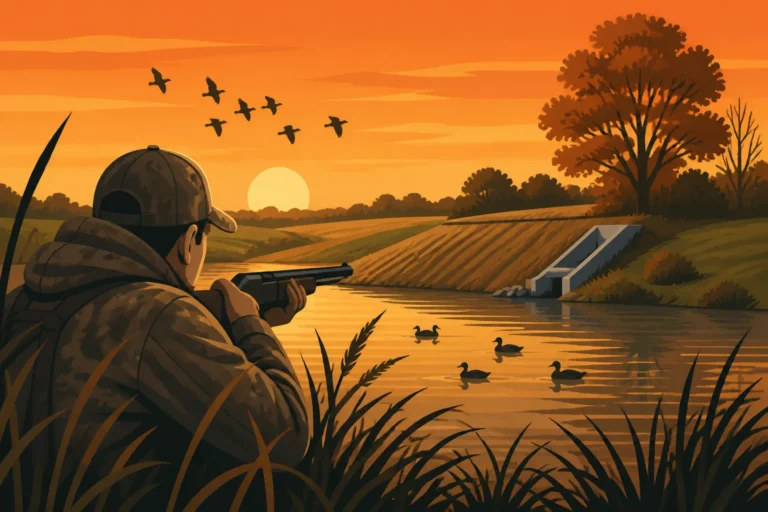
Maryland's tidal marshes are an enigma for many waterfowlers. They're vast, often confusing, and can feel completely devoid of ducks one moment, only to explode with activity the next. If you've ever found yourself struggling to find birds in static blinds or chasing rumors of hot spots, you know the frustration. This guide is all about equipping you with the knowledge and tactics to successfully jump-shoot marsh guts on a falling tide, turning those daunting landscapes into productive hunting grounds.
Why a Falling Tide is Your Best Friend for Marsh Jump-Shooting
Hunting the marsh can feel like trying to solve a puzzle with a constantly shifting board. But understanding the tide, especially a falling tide, is like finding the cheat code. It's not just about water going out; it's about the entire ecosystem changing, and that change works directly in your favor when you're after those wary puddle ducks.
The Science of the Shrinking Water: Concentrating the Birds
When the tide starts to recede in a Maryland marsh, a fascinating process unfolds. High tide offers ducks a smorgasbord, spreading them out across vast stretches of flooded spartina grass and shallow mud flats. They can feed almost anywhere, making them tough to pin down. But as the water pulls back, these expansive feeding grounds begin to shrink, and the ducks are literally funneled into smaller, deeper channels – the "guts" we're talking about.
Think about it like this: A football field at high tide becomes a narrow hallway at low tide. Ducks that were scattered across acres now have fewer places to hide and feed. They're concentrated in these remaining water arteries. This is particularly true for dabbling ducks like mallards, black ducks, and teal, which prefer shallower water to feed. As their shallow dining areas disappear, they retreat to the comparative safety and deeper, but still accessible, water of the guts. This makes them much more predictable and vulnerable to a well-executed jump-shoot. You're not just hoping to stumble upon them; you're hunting where the conditions force them to be. This is a crucial distinction between static blind hunting and active jump-shooting. You’re using the tide as your biggest helper, herding the ducks right into your path.
Identifying Prime Guts and Channels
Not all marsh guts are created equal, and knowing how to pick the right ones on a falling tide is key. You're looking for areas that will naturally hold ducks as the water level drops. The best guts typically have a few characteristics that make them stand out.
First, look for guts that wind and twist, creating little pockets, oxbows, or wider stretches where ducks can rest and feed out of the direct current. Straight, narrow channels can be good for travel, but ducks often prefer areas where they can feel a bit more secure and have room to maneuver. Second, consider the surrounding vegetation. Guts that run alongside thick stands of reeds, cattails, or phragmites offer crucial cover. Ducks feel safer when they can dart into thick vegetation if startled, and this cover can also help obscure your approach. If you're wading into a Dorchester Marsh Before Daylight, pay close attention to the transition zones where marsh grass meets deeper water.
Another factor is proximity to food sources. Ducks aren't just looking for water; they're looking for breakfast, lunch, and dinner. Guts that connect to or run near historical feeding areas, like beds of submerged aquatic vegetation, or even areas where marsh seeds are abundant, will be more attractive. Use tools like satellite imagery (many mapping apps, including GoHunt, offer excellent detail) to identify these features before you even step foot in the marsh. Look for subtle variations in marsh color or texture that might indicate different vegetation types or changes in depth. When you're scouting, note where ducks tend to be at various tide stages. This observation, combined with mapping intel, is invaluable for learning to hunt Maryland's Lower Eastern Shore Marshes effectively.
Gear Up Smart: Equipping Yourself for the Mud and Muck
Successfully jump-shooting a marsh gut on a falling tide isn't just about knowing where to go; it's also about having the right tools for the job. The marsh is a demanding environment, and inadequate gear can quickly turn a promising hunt into a miserable, or even dangerous, ordeal.
Choosing the Right Waders and Camouflage
Let's be real, if you're going to be waist-deep in mud and water, your waders are your most important piece of clothing. Forget hip boots; you absolutely need chest waders for jump-shooting marsh guts. The water depth can change in an instant, and a sudden drop-off or a misstep could easily put you over the top of hip waders, leading to a very cold, very dangerous situation. Look for durable, puncture-resistant material like neoprene or a tough breathable fabric. Neoprene offers more insulation, which is great for colder late-season hunts, while breathable options are better for the warmer early season when Maryland Duck Season Dates first open. Ensure they fit well, allowing for layers underneath without being overly baggy, which can make walking through mud even harder.
As for camouflage, blend in with the marsh. Patterns featuring reeds, cattails, or muddy browns and greens are ideal. Think about the dominant colors of the vegetation in your hunting area. Often, a pattern that mimics tall grasses is more effective than a tree bark pattern. Remember, you're not just hiding from ducks, but also from their keen eyesight. A good face mask or face paint and gloves are equally important to break up your human silhouette. Ducks often pick up on bright spots like exposed skin, even from a distance.
Shotguns, Chokes, and Ammunition
For jump-shooting puddle ducks in the marsh, a reliable 12-gauge shotgun is typically the workhorse, though a 20-gauge can certainly get the job done if you're a good shot. Semi-automatics are popular because they offer quick follow-up shots, which can be critical when a whole flock flushes. Pumps are also excellent, known for their reliability in adverse conditions. Whatever you choose, make sure it's something you're comfortable handling and that can stand up to the corrosive marsh environment. Regular cleaning is a must.
Choke selection is usually on the more open side for jump-shooting. Modified or Improved Cylinder are great starting points. You'll often be shooting at flushing birds at relatively close range, and a tighter choke can result in missed opportunities or overly damaged birds. An open choke allows for a wider shot pattern, increasing your chances of connecting with a fast-moving bird.
Ammunition-wise, steel shot is mandatory for waterfowl hunting throughout Maryland. For puddle ducks like mallards, black ducks, and teal (all common Puddle Ducks of the Maryland Marshes), shot sizes like #2, #3, or #4 steel are excellent choices. #4 steel is fantastic for teal and closer-range mallards, while #2 or #3 gives you a bit more punch for larger ducks or slightly longer shots. Experiment with different loads and shot sizes at the patterning board to see what performs best with your shotgun and choke combination. It’s always better to be prepared than to be under-gunned in the marsh.
Essential Extras for a Successful Hunt
Beyond your primary hunting gear, a few other items can make a world of difference:
- Decoy Bag/Strap: Even if you're not setting a full spread, a few motion decoys or small floating teal decoys can be incredibly effective, especially if you plan to sit for a moment after a flush. A simple duck strap or game vest is essential for carrying out your birds.
- Navigation: A reliable GPS device or a smartphone with a mapping app like GoHunt is non-negotiable. Marshes are disorienting, and a falling tide can reveal new channels while concealing others. Knowing exactly where you are and how to get back is paramount for safety. You’ll be grateful for it when you're wading into a Dorchester Marsh Before Daylight.
- Headlamp/Flashlight: You'll likely be walking in before dawn or out after dusk. A good waterproof headlamp keeps your hands free.
- Water/Snacks: Marsh hunting is physically demanding. Stay hydrated and fueled.
- First-Aid Kit: Small cuts, scrapes, or twisted ankles are always a possibility in uneven terrain.
- Knife: For dispatching wounded birds or cutting tangled lines.
- Waterproof Bag: To keep your phone, license, and other essentials dry. Don't forget your HIP Registration for Migratory Bird Hunters is also required.
- Binoculars: Small, compact binoculars can help you spot ducks from a distance without disturbing them, allowing for a more strategic approach.
The Stalk and the Shot: Mastering the Jump-Shoot Technique
This is where the rubber meets the road. Jump-shooting isn't just walking until you see a duck; it's a calculated dance between stealth, observation, and quick reflexes. It's exhilarating, challenging, and incredibly rewarding when done right.
Silent Approach and Reading Duck Behavior
The single most important aspect of a successful jump-shoot is your approach. You need to be as silent and stealthy as possible. Move slowly, deliberately, and with purpose. Every footfall needs to be considered. Avoid splashing, breaking branches, or making sudden movements. Waterfowl have incredible eyesight and hearing, and they're always on high alert for predators.
As you navigate the gut, constantly scan ahead and to the sides. Look for subtle signs of ducks: ripples on the water where there shouldn't be any, the flash of a speculum wing as a duck preens, or the movement of reeds. Listen for soft quacks, splashes, or even the distinct "whistle" of a flying widgeon. Pay attention to the wind direction. Whenever possible, approach with the wind in your face. This helps muffle your sounds and carries your scent away from the birds. It also often dictates how ducks will flush – usually into the wind, making their takeoff path more predictable.
Utilize any available cover, whether it's tall marsh grass, a bank, or a bend in the gut. Stay low. Imagine you're a predator, blending into the environment. When you come around a bend, pause and peek slowly before exposing yourself. Ducks will often be tucked into these bends or wider pools, enjoying a moment of quiet. A quick glance can tell you if there are birds present without spooking them prematurely. Many successful jump-shoots come down to that critical moment of observation before the ducks know you're there.
When and How to Engage
The moment of truth arrives when you spot birds. Resist the urge to rush. Take a breath, assess the situation, and decide on your move. Sometimes, a slow, continuous walk will cause them to flush naturally. Other times, a sudden, deliberate step or a loud noise might be necessary to get them airborne. The goal is to get them to flush within effective shooting range. For jump-shooting, this often means 20-35 yards.
When the ducks flush, mount your shotgun smoothly and quickly. Focus on a single bird. Don't swing wildly into the flock. Pick one, swing through it, and pull the trigger. If you're quick, you might have time for a follow-up shot on another bird. Remember to lead your target – ducks are fast. Practice your swing and lead on clays before the season starts. If you're coming up on a good-looking spot like Hunting a Marsh Ditch Bank at Sunrise, be ready for action immediately. The action can be over in seconds.
Knowing the Duck Daily Bag Limit by Species and being able to identify your target birds on the wing is crucial. Maryland marshes host a variety of waterfowl, and species identification is not only part of ethical hunting but also a legal requirement. Only shoot at ducks that are clearly identified and within legal limits.
Retrieving Your Bird
Retrieval can be the trickiest part of marsh hunting, especially on a falling tide. A bird that falls in shallow water might float into deeper current, or land in seemingly impenetrable mud or thick vegetation. Mark exactly where the bird falls. Use a landmark on the distant shore, a specific clump of reeds, or even a mental triangulation. Don't take your eyes off it until you know its general location.
If you have a well-trained retriever, this is their time to shine. A good dog can save you immense effort and prevent lost birds. If hunting solo without a dog, you'll need to use your waders and careful navigation. Be prepared for deep mud. Sometimes, it's a slow, grueling process of pulling one leg out of the muck, then the other. Keep your gun on safe and in a secure position (some hunters carry a sling to keep it high and out of the mud if they need both hands).
Lost birds are the biggest ethical concern in waterfowling. Do everything in your power to recover every bird you shoot. This might mean crawling on your hands and knees through mud, wading into tricky currents, or taking extra time. It’s also important to be mindful of personal safety during retrieval. Don't venture into areas where the current is too strong or the mud too deep for you to safely navigate. Sometimes, even the challenges of Retrieving a Deer From a Tidal Marsh can give you an idea of the difficulties of recovering game in such an unforgiving environment.
Common Pitfalls and How to Overcome Them
Marsh jump-shooting is a fantastic way to hunt, but it's not without its challenges. These aren't insurmountable, but being aware of them and having a plan can save you a lot of grief and make your hunts more productive and enjoyable.
Navigating Unpredictable Marsh Terrain
The marsh floor is rarely flat and even. You'll encounter hidden ditches, soft mud pockets that can suck a boot right off your foot, submerged stumps, and unexpected drops in depth. This unpredictable terrain is a major frustration for many new marsh hunters, and even seasoned veterans can find themselves in a pickle.
The best way to overcome this is through slow, deliberate movement and constant probing. Use a sturdy wading staff or even your shotgun (on safe, of course, muzzle pointed up) to probe the ground ahead of you before taking each step. This helps you identify soft spots or sudden drop-offs. Always shuffle your feet rather than lifting them high, especially in murky water, to avoid tripping or stepping into a deep hole. If you feel yourself sinking into a mud hole, try to distribute your weight. Spreading your arms wide can help prevent you from going too deep. Don't panic; slowly work your legs free. It's often easier to pull your foot out of the wader boot, then retrieve the boot, rather than trying to pull the entire wader and boot out of the suctioning mud.
Additionally, pay close attention to the water currents. On a falling tide, currents can be surprisingly strong in the main guts, especially closer to the bay. Strong currents can destabilize you, make wading more difficult, and carry away a downed bird quickly. Plan your route to minimize exposure to strong currents, perhaps by sticking closer to the banks or crossing at shallower points if safe. Always let someone know your hunting plan, including your intended route and estimated return time. This is critical for safety in such isolated and dynamic environments.
Weathering the Elements
Maryland's marsh weather can be notoriously fickle. You might start a hunt in calm sunshine, only for a strong wind to whip up, bringing rain or a sudden drop in temperature. These elements don't just affect your comfort; they directly impact the ducks and your hunting strategy.
- Wind: A strong wind can make wading difficult and uncomfortable. It can also make ducks fly faster and lower, making them harder to shoot. However, wind can also be your friend. It often pushes ducks into more sheltered guts and pockets, making their location more predictable. It also helps conceal your approach by muffling sounds. If the wind is blowing hard, try to hunt on the downwind side of islands or heavy cover where ducks might be seeking refuge. The wind can also help push scent away from the ducks, but it's important to remember they'll be watching for movement even more intently.
- Rain/Snow: Wet weather can be miserable if you're not prepared, but it can also be great for duck hunting. Rain and snow often reduce visibility, causing ducks to fly lower and feel more secure. This can make them less wary and more likely to hold in the guts. Ensure your outer layers are truly waterproof and that you have dry clothes waiting back at the truck. Your shotgun will also need extra attention with cleaning and oiling after being exposed to the elements.
- Cold: Hypothermia is a serious risk in cold, wet marsh environments. Layer your clothing effectively. Start with moisture-wicking base layers, add insulating mid-layers, and finish with a waterproof, windproof outer shell. Bring hand warmers. Pack an extra pair of dry gloves. Even a slight chill can degrade your reflexes and judgment. Knowing how to dress for the conditions is just as important as knowing how to hunt.
What to Do on a Slow Day
Let's face it, not every hunt is a limit. There will be days when the ducks just aren't there, or they're flying high, or they've simply moved out of your area. It's frustrating, especially after all the effort of wading through the muck. But a slow day doesn't mean a wasted day.
First, re-evaluate the conditions. Has the tide shifted unexpectedly? Has the wind changed direction? Did something spook the birds out of the area? Often, a change in conditions requires a change in strategy. If the tide has completely fallen, perhaps the ducks have moved to deeper, more open water, or retreated to thick cover.
Second, consider changing your location. If one gut isn't producing, quietly move to another, perhaps one with different characteristics. Maybe a narrower gut, or one with thicker cover, or one that connects to a different feeding area. Use your mapping app (like GoHunt) to identify alternative routes and potential holding spots. Sometimes, a subtle shift in location can put you right back in the action.
Third, learn from the experience. Even on a slow day, you're learning about the marsh, the tide, and duck behavior. Pay attention to where you don't see birds, as much as where you do. Note what the water levels look like in different areas at different tide stages. These observations build your overall marsh hunting knowledge and will make your future hunts more successful. Remember that Scouting Maryland Public Land Before Season is an ongoing process, and every trip, successful or not, adds to your understanding. Don't let a slow day deter you; let it fuel your desire to learn and adapt.
Disclaimer
Please ensure you are familiar with all current Maryland hunting regulations, licensing requirements, and safety guidelines before heading into the field. This includes possessing all necessary stamps, such as the Migratory Game Bird Stamp, and understanding species identification and bag limits. Always prioritize safety for yourself and others. Hunting is an inherently risky activity, and participation is at your own risk.