Dove Hunting a Maryland Sunflower Field
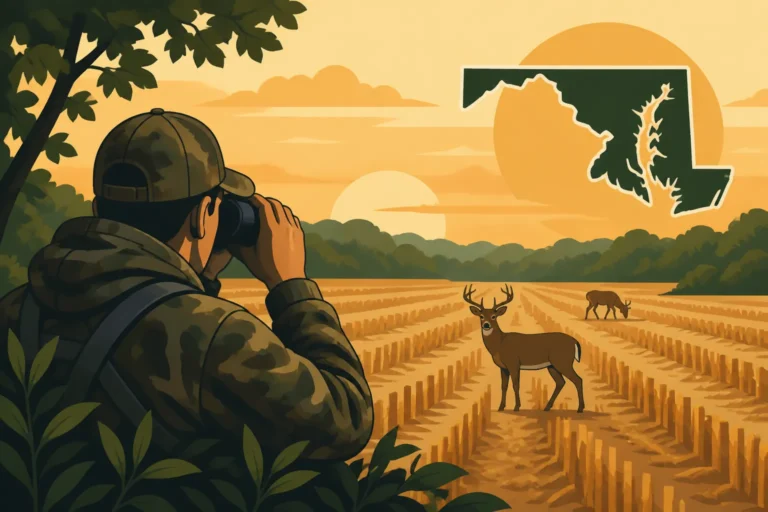
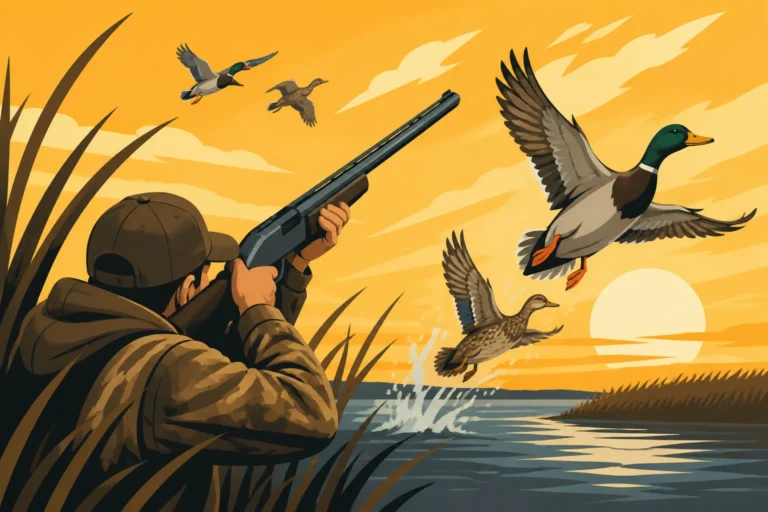
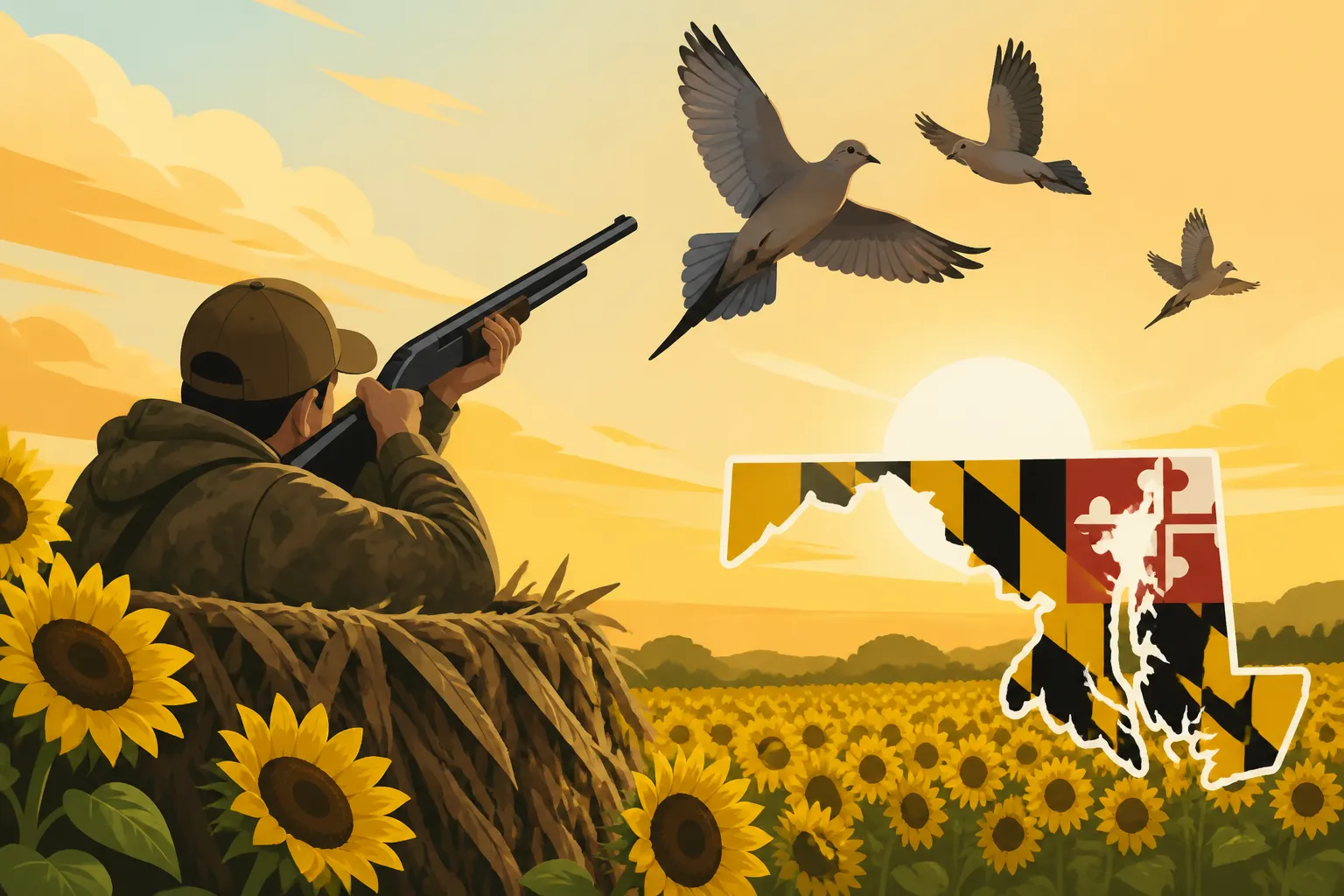
There's nothing quite like the opening day of dove season, is there? You've waited all year, and the thought of fast-flying birds darting across a golden sunflower field under the late summer sun is just pure magic. But let's be real, turning that vision into a reality can be tough. Those little rockets are deceptively fast, and finding a prime spot that isn't already overrun with other hunters, or even finding a dedicated sunflower field to hunt, can feel like an impossible puzzle. This guide is here to break down everything you need to know about dove hunting a Maryland sunflower field, from scouting to shooting, so you can enjoy one of the most exciting wingshooting experiences our state has to offer.
Why Sunflower Fields Are Dove Magnets
Mourning doves are creatures of habit, and their habits revolve heavily around food and water. When you find a good sunflower field, you've essentially found a five-star buffet for them, and they'll flock to it. Understanding why they love these fields is the first step to figuring out how to successfully hunt them.
The Irresistible Draw of Sunflower Seeds
Doves, like many other seed-eating birds, have a particular fondness for sunflower seeds. It's not just that they're nutritious and energy-rich; it's also about how easily accessible they are. As sunflowers mature and dry, their heads begin to droop, and the seeds become readily available. Doves can land directly on the large flower heads, or more commonly, they'll feed on seeds that have fallen to the ground. This makes a cut or heavily trafficked sunflower field an absolute magnet.
Think of it from a dove's perspective: an open field of spent sunflowers offers both abundant food and good visibility. They don't like to feel trapped or unseen, so wide-open spaces where they can spot predators are preferred. They'll often feed in the middle of the day, then fly to watering holes or grit sites before returning to roost. This predictable pattern around a reliable food source is precisely what makes sunflower fields so productive for hunters. It creates natural flight corridors and feeding zones, allowing you to anticipate their movements.
Scouting for the Ideal Dove Field
You can't just show up on opening day hoping to stumble upon a hot field. Successful dove hunting, especially over sunflowers, starts weeks, sometimes even months, before the season begins. This critical pre-season scouting is where you put in the real work. You're looking for active fields, not just any patch of sunflowers.
First, identify potential areas. Many public lands in Maryland, like certain Wildlife Management Areas (WMAs), intentionally plant sunflower fields for dove hunting. Check the Maryland Department of Natural Resources (DNR) website for specific WMA plans or annual dove field reports. Private landowners often plant sunflowers too, either for commercial purposes, wildlife food plots, or even just for aesthetics. This is where knocking on doors and asking for permission comes into play. Tools like GoHunt can be invaluable here. Its detailed mapping features can help you identify land ownership, property boundaries, and even show you potential habitat features like water sources or power lines that doves use for loafing. You can use it to pinpoint fields and then focus your in-person scouting efforts.
When you scout, look for clear signs of dove activity:
- Whitewash: Droppings on fences, power lines, dead trees, or the ground are a dead giveaway that doves are loafing or roosting there.
- Doves in the field: Obvious, but if you see birds flying in and out, landing, and feeding, you're on the right track.
- Cut or disced fields: A sunflower field that has been cut or partially disced will often be much more attractive to doves than one still standing tall, as it makes the seeds on the ground much easier to access.
- Water sources: Doves need water, so a pond, creek, or even a drainage ditch nearby will increase the field's appeal.
- Grit sources: Doves need small gravel or grit to help them digest seeds, so look for gravel roads, bare patches of dirt, or creek banks.
Remember, even if a field looks promising, heavy hunting pressure can quickly make birds shy. Scouting on different days and at various times will give you a better idea of consistent activity versus a one-off sighting.
Assembling Your Dove Hunting Arsenal
Once you've found your honey hole, it's time to think about gear. Dove hunting isn't necessarily equipment-intensive, but having the right tools can make a huge difference in your comfort, safety, and success rate.
Shotgun and Ammunition Choices
For doves, speed and a good pattern are key. These birds are small, fast, and often erratic in flight, which means you need a shotgun setup that can deliver consistent patterns at varying ranges.
- Shotgun Gauge: A 12-gauge or 20-gauge shotgun is the most common and versatile choice for doves. A 12-gauge offers a wider variety of ammunition options and generally puts more pellets in the air, which can be an advantage. The 20-gauge is lighter, has less recoil, and is often preferred by younger hunters or those who find a 12-gauge too heavy for extended periods of swinging. For those who enjoy a real challenge or are hunting in very close quarters, even a 28-gauge can be effective, though ammo can be harder to find.
- Ammunition: You'll want light field loads with small shot sizes. Common choices include 7.5, 8, or even 9 shot. These smaller pellets create dense patterns, which are perfect for doves, and the lighter loads are easier on the shoulder when you're shooting a lot of birds. Look for shells with a velocity around 1200-1300 fps. Brands like Winchester, Federal, or Remington offer excellent options for dove loads. You're going to shoot a lot, so buy a couple of boxes!
- Choke Selection: This is crucial. For doves, you'll generally start with an improved cylinder or modified choke.
- Improved Cylinder (IC): This choke provides a relatively open pattern, great for close-range shots (20-30 yards) as doves often come in low and fast. It allows for more forgiveness in your lead.
- Modified (MOD): A slightly tighter pattern, good for birds that might be a bit further out (30-40 yards) or for later in the day when birds are warier and flying higher.
- Full (F): Generally too tight for doves, especially early in the season, leading to blown-up birds at close range and making it harder to hit them at all. Save this for turkeys or late-season high-flying geese.
It's a good idea to bring a couple of different chokes to the field so you can adjust as the birds' flight patterns change throughout the day.
Decoys, Blinds, and Hunter Comfort
While doves aren't as decoy-crazy as ducks or geese, a well-placed spread can definitely improve your odds by drawing birds closer and presenting easier shots.
- Decoys: Simple dove decoys are highly effective. You can use clip-on decoys for fences, dead snags, or even nearby branches, or place full-bodied decoys on the ground among the stubble. The key is visibility. Position them where passing doves can easily spot them. Motion decoys, like spinning wing doves (often called "mojo doves"), can be absolute game-changers, mimicking a landing bird and acting as a beacon for others. Place them about 15-20 yards from your shooting position.
- Concealment and Blinds: Doves have excellent eyesight. You absolutely need good concealment. A natural blind, using existing brush, tall grass, or the remnants of the sunflower stalks, is often ideal. If natural cover is sparse, a simple pop-up blind or even just a camo net draped over a chair can work wonders. The goal is to break up your outline and blend into the environment. Don't forget to wear full camouflage, including a hat and gloves, especially if you're exposed. You'd be surprised how easily a dove can spot a bare face or hands.
- Comfort: Dove hunting typically happens in late summer or early fall, which means it can still be quite warm. Hydration is critical. Bring plenty of water, and maybe some snacks. A comfortable, portable stool or chair is a must, as you'll be sitting for extended periods. A good game vest or bag with plenty of pockets for shells, spent hulls, and birds is also incredibly handy. Don't forget insect repellent – mosquitoes and gnats can be relentless in August and September.
Strategies for a Successful Shoot
You've got the gear, you've found the field – now comes the fun part: turning those passing birds into birds in the bag. This involves understanding dove behavior in the field and refining your shooting technique.
Optimal Field Positioning and Hunter Spacing
Where you set up in the field can make or break your hunt. It's not just about finding a spot with good cover; it's about anticipating flight paths and maximizing your shot opportunities.
- Flight Corridors: Doves often follow predictable flight paths between their feeding areas, water, and roosts. Look for these "flyways." They might be along tree lines, fencerows, power lines, or even just a specific corner of the field where they consistently enter. Your job is to position yourself along one of these corridors without being directly under a major flight path, which can cause birds to flare prematurely.
- Sun and Wind: Always try to position yourself with the sun at your back, if possible. This makes it harder for doves to see you and easier for you to see them. Facing into the sun means squinting and struggling to pick up incoming birds. Wind also plays a huge role. Doves, like most birds, will typically fly into the wind when landing and often use the wind to their advantage for speed. Setting up downwind of where you expect them to land means they'll be slowing down as they approach, potentially offering easier shots.
- Hunter Spacing: If you're hunting with a group, proper spacing is crucial for safety and effectiveness. A common rule of thumb is to spread out at least 40-50 yards between hunters. This gives everyone a safe shooting lane and allows birds to work into the field without being pressured by too many guns at once. Too many hunters bunched together will simply cause birds to flare high and fast, making for tough shooting for everyone. Communicate with your hunting partners, especially if someone is shooting a lot or if a particular area isn't seeing much action. Often, a strategic repositioning of one or two hunters can open up opportunities for the entire group. When considering larger properties or public access, using a tool like GoHunt can help you visualize how other hunters might be spaced out and help you find less pressured zones. This is especially useful on opening day when " Hunting Pressure on Maryland Public Land " can be significant.
Reading Dove Flight Patterns and Timing Your Shots
Doves are not ducks; they don't lock up and glide into decoys with their wings set. They're constantly banking, diving, and accelerating. Learning to read their flight is key.
- Incoming Birds: Pay attention to how they approach. Are they high and fast? Are they low and weaving? Are they circling the field before committing? Often, the first birds of the day are the most aggressive, coming straight in. As pressure mounts, they become warier, flying higher and making wider passes.
- The Dive and Flare: Doves often dive rapidly when they're about to land, or flare violently when they spot a hunter. These movements can be incredibly quick. Don't try to shoot them after they start these evasive maneuvers; anticipate them.
- Timing: Don't shoot at birds that are too far out. It wastes shells, often misses, and just educates the birds. Let them come into a comfortable shooting range, typically 25-35 yards. If you're using decoys, wait until they commit to the spread. Often, the best time to shoot is just as they are beginning their descent, before they can make those sharp, unpredictable turns. A good rule of thumb is to focus on a single bird, pick your shot, and if you miss, don't try to swing wildly at another. Reset, reload, and wait for the next opportunity.
Shooting Techniques for Fast-Moving Birds
Dove hunting is often described as shotgunning practice for ducks and geese, and for good reason. Their speed and erratic flight will test your wingshooting skills to the max.
- The Swing-Through Method: This is one of the most effective techniques for doves. Start with your barrel behind the bird, swing through it, and fire when your muzzle is ahead of the bird, continuing your swing after the shot. The amount of lead needed will vary depending on the bird's speed, distance, and angle. A fast, crossing dove at 30 yards might need a good 3-5 feet of lead.
- Sustained Lead: Some hunters prefer this, establishing a lead and maintaining it while firing. This can be effective, but for very fast or erratic birds, the swing-through often provides more consistent results.
- Practice, Practice, Practice: There's no substitute for practice. Clay target shooting, especially sporting clays or trap, can significantly improve your wingshooting. Focus on smooth movements, keeping your head on the stock, and following through. Remember that when you're shooting live birds, adrenaline can mess with your form, so calm, deliberate movements are key. A great article to check out if you're serious about honing your skills is " Small Game and Predator Hunting in Maryland ". It dives into broader techniques that can certainly translate to dove hunting.
- Common Mistakes to Avoid:
- Lifting your head: This is probably the most common mistake. Keep your cheek firmly on the stock throughout the shot. Lifting your head changes your point of aim.
- Stopping your swing: Don't stop swinging the moment you pull the trigger. Follow through as if you're painting a line in the sky.
- Focusing on the bead: Focus on the bird, not the bead of your shotgun. Your eyes should be locked on the target.
- Sky-busting: Shooting at birds that are too high or too far. It's frustrating to miss, but it's more frustrating to educate birds and ruin the hunt for everyone. Know your effective range.
- Not reloading quickly: Doves often come in pairs or small groups. Missing the first bird shouldn't mean you miss the second. Practice quick reloading, especially if you're using a pump or over/under.
Post-Hunt Considerations and Regulations
The hunt isn't over when the shooting stops. There are important steps to ensure you're handling your birds properly and staying within Maryland's hunting regulations.
Bird Retrieval and Handling
Once a bird is down, prompt retrieval is important. A downed dove can be surprisingly hard to find in dense sunflower stubble or tall grass.
- Mark the Spot: When you shoot a bird, immediately fix your gaze on where it fell and pick out a landmark—a tall weed, a specific patch of stubble, or a fence post. Don't take your eyes off that spot until you're there.
- Hunting Dogs: A good retriever can be an invaluable asset for dove hunting. Dogs often find birds much faster and more efficiently than humans, minimizing lost game. If you plan to bring a dog, make sure it's well-trained and understands dove retrieve commands. And always make sure your dog is properly hydrated and cooled down on warm days.
- Field Dressing: Doves are small, and in warm weather, their meat can spoil quickly. It's a good practice to field dress them as soon as possible after retrieval. This usually means breasting them out (removing the breast meat) and placing the meat in a cooler with ice. Leaving the feathers on until you're ready to clean them can actually help insulate the meat, but in hot conditions, cooling is paramount. Remember to leave one wing attached to each bird in your possession until you reach your "permanent abode" or begin preparing it for consumption, as this is a legal requirement for species where possession limits are based on identifiable parts.
Legalities, Licenses, and Bag Limits
Staying legal is non-negotiable. Maryland has specific rules for migratory bird hunting that all hunters must follow.
- Maryland Hunting Licenses: Before you even step foot in the field, make sure you have all the necessary licenses and stamps. This includes a valid Maryland Resident or Nonresident Hunting License. You'll also need a Maryland Migratory Game Bird Stamp and a Federal Migratory Bird Hunting and Conservation Stamp (Federal Duck Stamp), regardless of what migratory birds you're targeting. Don't forget to register with the Harvest Information Program (HIP). You can find more details on these requirements in our guide, " Maryland Hunting Licenses and What They Cost ".
- Season Dates and Bag Limits: Dove season dates in Maryland typically open in early September and run through a split season. Daily bag limits are usually 15 birds, with a possession limit of 45. However, these regulations can change, so always consult the most current Maryland DNR Hunting & Trapping Guide before heading afield. You can often find the latest information on " Small Game Season Dates and Daily Limits " there.
- Shooting Hours: Legal shooting hours for doves in Maryland are typically one-half hour before sunrise to sunset. However, on public lands, there might be specific regulations or even Sunday hunting restrictions. Always double-check the rules for your specific hunting location, especially concerning " Maryland's Sunday Hunting Rules by County " and " Maryland Shooting Hours and Legal Light ".
Maryland Dove Season Snapshot (Always Verify Current Year's Regulations)
Item Regulation Daily Limit: 15 birds to help people understand the concept and its implications within the main topic.
Understanding What an Offshore Zone Entails
When we talk about waterfowl hunting in Maryland, especially for sea ducks, the phrase "offshore zone" gets tossed around a lot. But what exactly does that mean, and why is it distinct from hunting closer to the bay's shores? For many hunters, especially those newer to the world of sea duck hunting, the idea of an "offshore zone" might conjure images of rough seas and long boat rides, and honestly, sometimes it is exactly that. But there's a specific legal and geographical definition that shapes where and how we pursue these unique birds.
At its core, Maryland's offshore zone is a defined area in the Atlantic Ocean that stretches beyond the state's traditional coastal waters. It's distinct from the Chesapeake Bay and its tidal tributaries, and even from the immediate ocean surf zone. The Maryland Department of Natural Resources (DNR) establishes these zones to manage different waterfowl populations, particularly the hearty sea ducks like scoters, long-tailed ducks (formerly oldsquaw), and eiders, which typically prefer the vast, open waters of the ocean rather than the calmer, shallower bay.
The specific boundary for the offshore zone is critical to understand because it dictates not only the species you might encounter but also the legal methods and licenses required. Generally, this zone extends from the beach outward into the Atlantic Ocean, typically beginning at the low water mark, out to a specific distance from shore or to federal waters. In Maryland, it essentially refers to ocean waters that are not considered part of the "Atlantic Coastal Zone" which often has different season dates and regulations for other migratory birds. So, when you're gearing up for a sea duck hunt, knowing you're in the offshore zone means you're prepared for the deep blue, often distant, habitat these birds call home.
Legal and Geographical Boundaries
Navigating the regulations for Maryland's offshore zone can feel like deciphering a nautical chart, but it's crucial for staying on the right side of the law. The legal boundaries are not arbitrary; they're established by the Maryland DNR in conjunction with federal guidelines, primarily to manage migratory bird populations effectively and safely.
The offshore zone in Maryland specifically refers to the open Atlantic Ocean waters beyond a certain line parallel to the coast. This line generally extends from the ocean side of Assateague Island north to the Delaware line, typically beyond the immediate surf zone or any land-based structures like piers or jetties. It's separate from the "Atlantic Population Goose Zone" and "Resident Goose Zones" that govern Canada geese, and it has its own set of rules for duck hunting. To be precise, it's defined by the Maryland DNR as "ocean waters beyond the seaward limits of any land or structures." This means once you're out past the beach, past the last breaker, and into the truly open ocean, you're in the offshore zone.
Understanding these boundaries is not just about legality; it's about safety. Hunting in the offshore zone almost always requires a specialized vessel – a sturdy, ocean-capable boat, often a center console or a larger cabin boat, capable of handling variable ocean conditions. This isn't a place for a jon boat or a smaller bay craft. The weather can change rapidly, and being miles offshore in an inadequate boat can quickly turn a hunt into a dangerous situation. Experienced captains who run " Chesapeake Bay Sea Duck Charters in Maryland " are intimately familiar with these boundaries and the nuances of safe ocean travel.
Moreover, the offshore zone has distinct season dates and bag limits for sea ducks, different from those for dabbling ducks and diving ducks found in the Chesapeake Bay. For instance, you might be allowed a certain number of scoters, long-tailed ducks, and eiders per day, but these specific bag limits are crucial to verify with the most current DNR regulations. You can find detailed information on these specific dates and limits in official publications or online resources, often under " Maryland Sea Duck and Offshore Zone Rules ". Always check the current year's hunting guide, as regulations can and do change annually based on waterfowl population assessments.
Key Species Hunted in the Offshore Zone
The offshore zone is a unique habitat, drawing a specific set of waterfowl species that thrive in its conditions. When you venture out into these open waters, you're primarily targeting sea ducks, which are distinct from the puddle ducks you might find in a shallow marsh or the divers you'd encounter on the deeper parts of the Chesapeake Bay. These birds are built for the ocean, with dense plumage, heavy bodies, and a diet of shellfish and marine invertebrates.
The main stars of the offshore zone hunt in Maryland include:
- Scoters: You'll typically encounter three species of scoters: black scoters, surf scoters, and white-winged scoters. These are generally large, dark-colored ducks known for their strong flight and often congregating in large rafts on the open water. Black scoters are uniformly black with a distinctive knob on their bill. Surf scoters have a striking white patch on their forehead and nape, and a brightly colored bill. White-winged scoters are large, bulky birds with white wing patches visible in flight and a splash of white under the eye. They feed primarily on mollusks, which is why they prefer deeper ocean waters.
- Long-tailed Ducks (Oldsquaw): These are perhaps one of the most striking and vocally distinct sea ducks. Known for their long, pointed tail feathers (especially the drakes), they have a captivating plumage that shifts dramatically between summer and winter. Their lively calls, often described as a "ow-OW-owlee," carry across the water. They are incredibly agile flyers and powerful divers, often feeding in deeper waters than scoters. Their diet is diverse, including crustaceans, mollusks, and small fish.
- Eiders: While not as common as scoters or long-tailed ducks in Maryland's offshore zone, common eiders can occasionally be found, especially further offshore or during particularly harsh winters. These are large, robust ducks, famous for the insulating down feathers (eiderdown) used in bedding. Drakes have a distinctive black and white plumage with a pale green nape, while hens are mottled brown. They are heavy-bodied birds and powerful divers, feeding primarily on mussels and other invertebrates.
Hunting these species requires specialized tactics. Unlike marsh ducks that decoy readily to simple spreads in shallow water, sea ducks often require large spreads of rugged, purpose-built decoys, heavy anchors, and a keen understanding of their raft-forming behavior. They’re also exceptionally tough birds, necessitating heavier shot and tight chokes to ensure clean kills. For hunters looking for a unique wingshooting experience and a chance to pursue some of the hardiest waterfowl in North America, the Maryland offshore zone offers an unparalleled adventure. It's a true test of seamanship and shooting skill. You can learn more about these fascinating birds in our article " Sea Ducks Off Maryland's Coast ".
Essential Gear for Offshore Hunting
Venturing into the offshore zone for sea ducks isn't like a typical marsh hunt. The environment is harsher, the birds are tougher, and the logistics are more complex. Having the right gear isn't just about comfort or success; it's about safety.
Specialized Boats and Safety Equipment
This is, without a doubt, the most critical aspect of offshore hunting. Your vessel needs to be up to the task.
- Ocean-Capable Boat: Forget the flat-bottomed jon boat. You need a boat designed to handle ocean chop, swells, and potentially rapidly changing weather conditions. This typically means a deep-V hull design, usually a center console or cuddy cabin boat, in the 20-foot-plus range. Brands like Parker, Grady-White, or Boston Whaler are popular choices among sea duck hunters due to their robust construction and seaworthiness. The boat should have a reliable engine (or twin engines for added safety offshore), adequate fuel capacity for your planned trip, and all necessary navigation equipment.
- Navigation and Communication: GPS and a reliable chart plotter are essential for navigating miles offshore, especially in fog or low light. A marine VHF radio is critical for communicating with other vessels and for emergency calls to the Coast Guard. Cell phone service can be unreliable far offshore, so don't depend on it as your primary means of communication. Consider a satellite messenger or EPIRB (Emergency Position Indicating Radio Beacon) for added safety.
- Required Safety Gear: The U.S. Coast Guard mandates specific safety equipment for all vessels, and these requirements are even more vital when hunting offshore. This includes:
- Life Jackets: Enough for everyone on board, readily accessible.
- Visual Distress Signals: Flares, signal flags, or an electronic flare.
- Sound Producing Devices: Whistle or air horn.
- Fire Extinguishers: For any boat with an enclosed engine compartment or fixed fuel tank.
- Throwable Flotation Devices: A ring buoy or throwable cushion.
- Anchor and Rode: Sufficient length and weight for ocean conditions.
- First-Aid Kit: Well-stocked and easily accessible.
- Emergency Repair Kit: Basic tools, spare parts, and duct tape can save a trip.
- Clothing: Dress in layers, and make sure your outer layer is waterproof and windproof. Even on a calm day, the ocean spray can soak you, and the wind chill offshore is significantly colder than on land. Waders or bibs are a good idea, as you'll often be dealing with wet conditions on deck.
Always check the marine weather forecast meticulously before heading out, and be prepared to cancel or turn back if conditions deteriorate. Offshore hunting is no place to take unnecessary risks. If you're new to offshore hunting, consider going with a reputable guide. Many guides and charters offer a unique " Maryland Offshore Stake Blind " experience.
Decoys and Spreads for Sea Ducks
Sea ducks are gregarious birds, often congregating in large rafts. Your decoy spread needs to reflect this behavior to be effective.
- Large, Durable Decoys: Sea ducks are big, so your decoys need to be proportionally large and visible from a distance. They also need to be able to withstand rough ocean conditions. Plastic "battle-ship" decoys are popular, as are larger custom-made foam or cork decoys. Color and realism are important, but sheer numbers and visibility are often paramount. You'll typically need a spread of several dozen, often 50-100+ decoys, to truly draw in passing birds.
- Keel-weighted Decoys: Unlike marsh decoys, sea duck decoys need to be heavily keel-weighted to ride the waves naturally and prevent them from flipping in heavy seas. They also need strong anchor lines and heavy weights to keep them in place against strong currents and waves.
- Spread Patterns: Sea ducks often raft together in loose, large groups. Your spread should mimic this. A common pattern is a large "J" or "U" shape, with the open end facing into the wind where you expect birds to land. This creates an inviting pocket for them to approach. Some hunters also use longlines with multiple decoys spaced out, creating a massive, visible spread. The size and configuration of your spread will depend on the species you're targeting and the water conditions.
- Motion Decoys (Optional): While not as common for sea ducks as for puddle ducks, some hunters use large motion decoys or flags to add movement to their spread, especially on calm days.
- Deployment and Retrieval: Deploying and retrieving a large sea duck spread in rough water can be a significant undertaking. Specialized decoy bags, large lines, and a well-practiced system with your hunting partners are essential to make this efficient and safe. This is where teamwork truly shines. Many guides use custom-built boats with large open decks to facilitate decoy handling, making the process much smoother.
Shotguns, Ammunition, and Other Gear
While the principles of wingshooting remain the same, sea ducks require a bit more punch than doves.
- Shotgun Gauge and Choke: A 12-gauge is almost universally preferred for sea ducks due to its ability to handle heavier loads. Some hunters even opt for 10-gauge. You'll want a tighter choke than you'd use for doves or even most dabblers—Modified or Improved Modified is a good starting point, and many hunters use Full or Extra Full, especially for long-range pass shooting or when birds are wary. These birds are incredibly hardy and can carry a lot of lead, so tight patterns are key for clean kills.
- Ammunition: Heavy steel shot is the legal requirement for waterfowl, and for sea ducks, you'll want shot sizes from BB to T. Number 2 or BB steel are common choices, offering a good balance of pellet count and knockdown power. Look for high-velocity loads. Some hunters prefer bismuth or tungsten-super-shot (TSS) for their superior density and energy, but these can be significantly more expensive. Always carry plenty of shells; even with good shooting, sea duck hunts can be high-volume affairs.
- Blind or Concealment: Your boat often serves as your blind. Many offshore boats have custom-built dodgers or pop-up blinds that match the boat's lines, offering concealment while allowing you to shoot over the side. You'll need full camouflage clothing, including face masks and gloves, as sea ducks are quite discerning. You can't just stand up and start shooting; they'll spot you quickly.
- Retrieval Pole/Gaff: For retrieving downed birds in rough water, a long retrieval pole or even a small gaff can be incredibly useful to avoid having to maneuver the boat constantly or risk a man overboard situation.
- Cooler and Game Bags: You'll be a long way from home, so a large cooler filled with ice is essential for preserving your birds. Sea duck meat can be strongly flavored, and properly cooling it immediately after the hunt is crucial for improving its table quality. Many hunters often take the breast meat and discard the rest, but it's important to know the legal requirements for " Duck Daily Bag Limit by Species " regarding identifiable portions.
- Thermos and Snacks: Long boat rides and cold conditions mean you'll appreciate a thermos of hot coffee or soup and plenty of high-energy snacks.
Offshore Hunting Tactics and Challenges
Hunting in Maryland's offshore zone is an adventure that combines skill, patience, and a healthy respect for the elements. It presents unique challenges and requires specific tactics to consistently be successful.
Setting Up Your Spread and Boat
Unlike a quick shoreline setup, deploying a sea duck spread is an art form that requires precision and experience.
- Finding the Right Spot: Scouting isn't just for land-based hunts. Offshore scouting involves understanding currents, bottom structure, and where birds are consistently seen. Often, you're looking for areas with favorable bottom contours that create feeding grounds for shellfish, or areas where birds naturally congregate. This knowledge is usually gained through years of experience or by relying on a seasoned " Maryland's Licensed Waterfowl Guides ".
- Anchor Management: You'll need a robust anchor system to hold your boat steady in potentially strong currents and waves. Many offshore hunters use a heavy Danforth or Bruce anchor with plenty of chain and rode. Some even use a two-anchor system (bow and stern) to keep the boat from swinging, ensuring a consistent shooting lane over the decoys.
- Decoy Deployment: This is a coordinated effort. The decoys should be deployed into the wind and current, allowing them to string out naturally. You want the main body of your spread positioned so that incoming birds will fly within optimal shooting range as they approach to land or investigate. The boat should be strategically positioned downwind and down-current of the main spread, offering good concealment and a clear shooting window over the decoys. Communication between the captain and the decoy handlers is paramount to avoid tangles and ensure the spread is deployed correctly.
- Concealment and Presentation: Once the spread is out and the boat is anchored, it's all about disappearing. Your boat blind needs to blend with the water and the horizon. All hunters need to be still and quiet, minimizing movement. Sea ducks are constantly scanning for threats. When birds approach, let them work the spread. Wait for them to commit and be within comfortable shooting range before calling the shot. You might have to ignore a few "fly-bys" to get a good setup.
Understanding Sea Duck Behavior
Sea ducks, while generally less wary than puddle ducks in some contexts, have their own distinct behaviors that hunters must learn to exploit.
- Rafting Behavior: Sea ducks are known for forming enormous rafts on the open water, sometimes numbering in the thousands. These rafts are often a mix of different species. They will break up into smaller groups to feed, but often return to the safety of the larger raft to rest. Your decoy spread aims to pull small groups off these larger rafts or attract individual birds flying by.
- Flight Patterns: Sea ducks fly fast, often low over the water, especially in rough conditions. They have a powerful, direct flight. When approaching a spread, they often make wide circles, assessing the situation before committing. They'll almost always approach into the wind when they intend to land. Pay attention to how they respond to your spread. If they consistently flare at a certain point, adjust your setup or concealment.
- Diving Ability: These birds are incredible divers, capable of staying underwater for extended periods. This means a wounded bird can quickly escape by diving. This emphasizes the need for accurate shooting to ensure clean, quick kills and minimize cripples. A fast-working retriever can be beneficial, but retrieval poles are often the primary tool.
- Weather and Tides: While tides are less of a factor far offshore, strong currents can affect your decoy spread and boat position. Weather, however, is a huge factor. Rough seas will make hunting more challenging and dangerous, but can also bring birds closer to shore or concentrate them in certain areas. Calm, sunny days might mean birds are scattered and wary. Overcast, windy days often provide the best hunting conditions, as the low light and chop help conceal hunters, and the birds fly lower.
Challenges of Offshore Hunting
Let's not sugarcoat it – offshore sea duck hunting is not for the faint of heart. It presents several significant challenges that you need to be prepared for.
- Weather and Sea Conditions: This is the primary challenge. The ocean is unpredictable. A calm morning can quickly turn into a treacherous afternoon with rising winds and swells. Seasickness can be a real issue, even for seasoned boaters. Always have a backup plan and don't hesitate to pull the plug if conditions worsen. It's better to miss a hunt than to risk your life.
- Cold and Wet: Even if the air temperature isn't frigid, the combination of wind, spray, and sitting still for hours on the water can lead to rapid cooling. Proper layering and waterproof gear are crucial to prevent hypothermia. You can find useful information on " Boat Safety on the Chesapeake in December " that translates well to ocean safety.
- Long Boat Rides: Getting to offshore hunting grounds can mean long, bumpy rides, often in the dark. This requires a reliable boat, sufficient fuel, and a strong stomach.
- Difficult Retrieval: Retrieving downed birds in rough seas can be challenging and dangerous. Birds can drift quickly, and a small, tough bird like a long-tailed duck can be hard to spot in the waves.
- High Costs: Offshore hunting often involves chartering a boat and guide, or owning and maintaining a large, capable vessel. Fuel costs can be significant, and specialized gear like sea duck decoys are an investment. This is why many hunters opt for " Maryland Guided Hunts for Disabled Hunters " or those new to the sport, as guides provide all the necessary, expensive equipment and expertise.
- Limited Access: Unlike public land for deer hunting, public access to offshore waters requires a suitable boat and the skills to operate it safely.
Despite these challenges, the reward of a successful sea duck hunt in Maryland's offshore zone is truly unique. The thrill of fast-flying birds over a vast, wild ocean, the camaraderie with fellow hunters, and the opportunity to pursue species not found elsewhere, make it an unforgettable experience for those willing to embrace the adventure.
Disclaimer
Please be aware that hunting regulations, season dates, and license requirements can change frequently. It is the responsibility of every hunter to consult the most current Maryland Department of Natural Resources (DNR) Hunting & Trapping Guide or visit the official Maryland DNR website before engaging in any hunting activities. This guide is for informational purposes only and should not be considered a substitute for official regulations.