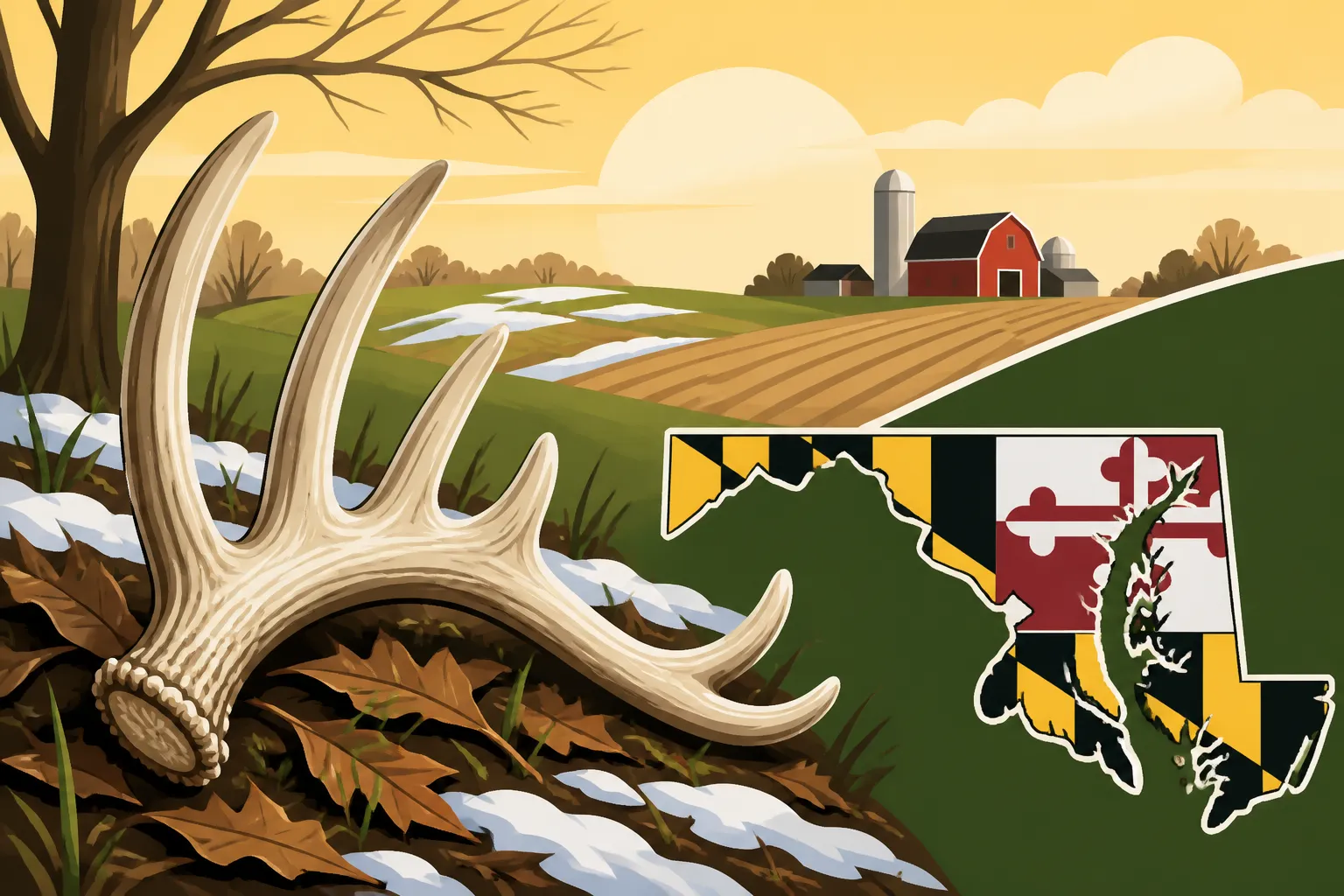
Shed Hunting Maryland Farm Country in March
March. It's that time of year when the last bitter cold fronts cling to the landscape, but the lengthening days whisper promises of spring. For many of us, the deer hunting season feels like a distant memory, leaving an ache for the woods and fields. But hold on, fellow outdoors enthusiasts, because March in Maryland farm country offers an incredible opportunity to extend our time afield: shed hunting! If you've ever felt that post-season void or wondered how to reconnect with the deer you pursued, this guide will walk you through everything you need to know to successfully find those coveted antlers scattered across Maryland's agricultural heartland.
Why Maryland Farm Country is a Shed Hunter's Goldmine in March
Maryland's sprawling farm country, particularly on the Eastern Shore and across the Piedmont region, isn't just about corn and soybeans. It's a prime habitat for whitetail deer, and as winter transitions to spring, these agricultural landscapes become incredibly productive grounds for shed hunters. The unique combination of abundant food, varied cover, and deer behavior makes these areas particularly promising for finding fallen antlers.
Understanding Deer Behavior Post-Rut and Winter Stress
After the intense physical demands of the rut, bucks are often depleted. They've spent weeks chasing does, fighting rivals, and burning through fat reserves, all while eating less. This period of high stress, combined with the often-harsh Maryland winter weather, plays a huge role in when and why they drop their antlers. The pedicle, where the antler attaches to the skull, starts to weaken as testosterone levels drop. It's not an instant process; it can take days or even weeks for the connection to fully degrade. This is why you might see a buck carrying one antler in February and then be completely bare a week later.
In farm country, deer often congregate in larger herds during late winter. They do this to take advantage of remaining food sources and to seek safety in numbers. These larger groups mean more bucks are in a concentrated area, increasing your odds. A severe cold snap or heavy snow can cause an early drop, as the buck's body prioritizes survival over carrying bone. Conversely, a mild winter might see some bucks holding onto their headgear a bit longer, sometimes even into April. However, by March, most Maryland bucks have already dropped their racks, or are very close to doing so, especially the older, more stressed animals.
The Allure of Agricultural Fields and Their Edges
Maryland's farm country offers an undeniable appeal for shed hunters because it essentially provides a buffet line and comfortable bedding for deer. Think about it: a buck that's just finished the rut and endured a tough winter is looking for two main things: food and security. Agricultural fields, particularly those with leftover grain from last year's harvest, like corn or soybeans, are absolute magnets. Deer will spend hours grazing these fields, especially during colder periods, stocking up on calories to regain their strength. The more time deer spend in a specific area, the higher the chance an antler will detach there.
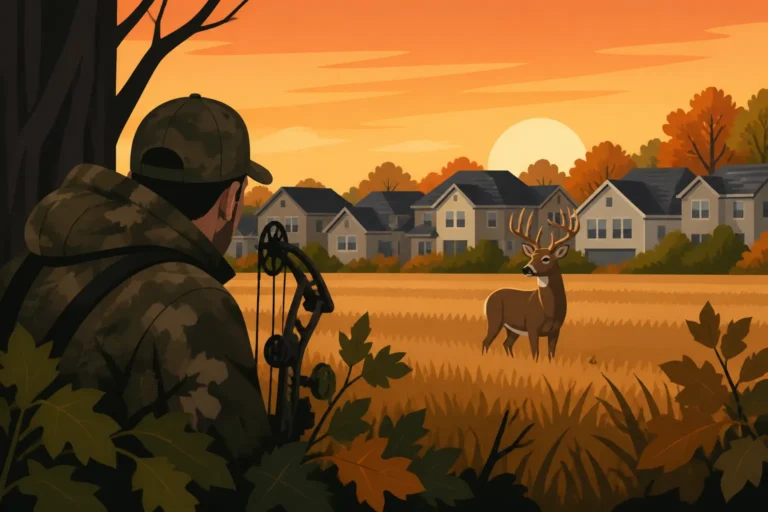
Beyond the open fields, the edges are crucial. Fencerows, drainage ditches, small woodlots, creek bottoms, and even overgrown hedgerows provide critical cover adjacent to food sources. Deer will move from these secure bedding areas directly into the fields to feed, and then back again. This consistent travel creates high-traffic corridors where sheds are frequently knocked loose. Look for areas where deer have to jump over fences, cross small streams, or push through thick brush – these actions can easily dislodge a loosely attached antler. Imagine a buck jumping a low fence with a heavy antler; the slight impact could be enough to send that shed tumbling. These transition zones between food and cover are often where your most successful searches will take place. This focus on key areas is similar to the strategies employed when Hunting a Funnel Between Two Grain Fields, where deer movement is concentrated.
Essential Gear and Scouting Strategies for Success
Shed hunting isn't just a leisurely stroll; it requires preparation and a keen eye. Having the right tools and knowing how to interpret the landscape will significantly increase your chances of finding those elusive treasures. It’s a bit like detective work, piecing together the movements of deer from their winter sign.
Footwear, Optics, and Navigation Tools
First and foremost, comfortable, waterproof footwear is non-negotiable. March in Maryland often means damp fields, muddy trails, and potentially crossing small ditches. A good pair of knee-high rubber boots or waterproof hiking boots will keep your feet dry and allow you to cover more ground without discomfort. Nothing sours a shed hunt faster than cold, wet feet.
Next, optics are your best friend. A good pair of 8x or 10x binoculars can help you scan field edges, distant woodlots, and thick cover without having to tramp through every single acre. Train yourself to look for the distinct curve of an antler or the telltale gleam of bone against the muted browns and grays of winter. Remember, antlers aren't always bright white; they can be stained dark by tannins or covered in mud. A keen eye and a patient scan with binoculars will save you countless steps and help you spot sheds that blend in perfectly.
Finally, navigation is critical, especially when working unfamiliar private land. A GPS device or a mapping app like GoHunt on your smartphone is invaluable. These tools allow you to mark potential shed locations, track your search path, and most importantly, respect property boundaries. Knowing exactly where you are and where the property lines lie prevents any accidental trespassing, which is crucial for maintaining good relationships with landowners. You can also use aerial photos on these apps, much like you would when Scouting Maryland Public Land With Aerial Photos, to identify potential travel corridors, bedding areas, and overlooked spots from above before you even step foot on the ground.
Reading the Landscape: Where to Focus Your Search
Shed hunting is all about putting yourself in the deer's hooves. Where would a deer spend its time in late winter? As discussed, food is paramount. Focus on fields that still have residual crops like corn stalks or soybean stubble. Deer will meticulously pick through these fields. Beyond the obvious food sources, pay close attention to any subtle changes in terrain. South-facing slopes, for example, often warm up faster in the low March sun, melting snow and providing a comfortable, sunny spot for deer to bed down. These "sun traps" are excellent places to find sheds.
Transition areas, where different types of cover meet, are also prime. Think about the edge of a standing timber block meeting a cut cornfield, or a thick pine plantation bordering a scrubby field. Deer love these edges for cover and easy access to food. Look for obvious deer trails, especially those leading from bedding cover to feeding areas. Pay extra attention to any obstacles along these trails: downed logs, fence crossings, creek banks, or even narrow pinch points. These are spots where a jostle or a jump can dislodge an antler. Also, don't overlook old rub lines or Scrape Lines Along a Maryland Field Edge from the previous fall; while they aren't fresh, they indicate historical travel patterns of mature bucks that might still be frequenting the area. Understanding Late Season Food Sources for Maryland Deer is key here, as deer will often be where the food is.
Permission is Key: Navigating Private Land Access
Here's the absolute golden rule of shed hunting in Maryland farm country: Always, always get permission before stepping foot on private land. Most of Maryland's agricultural land is privately owned, and showing up unannounced, even with good intentions, is trespassing. Landowners are often more receptive to shed hunters than they are to hunters with a weapon, especially if you approach them respectfully and at an appropriate time.
A good strategy is to knock on doors well in advance of your planned hunt. Explain your intentions clearly – that you're just looking for fallen antlers and will be respectful of their property, staying away from livestock and not disturbing anything. Offer to share any interesting finds, or even to help with a small chore around the farm. Building these positive relationships can open up incredible opportunities. Many farmers are happy to have someone walk their fields, especially if it means fewer deer causing crop damage. Remember, maintaining good relationships is vital if you ever hope for opportunities like Hunting a Maryland Farm Lease Your First Season. Before you even think about approaching a landowner, ensure you're using a reliable mapping tool to clearly identify property lines. Apps like GoHunt are excellent for this, helping you verify boundaries and ensure you only request access to the correct parcels, as highlighted in the importance of Finding Maryland Property Lines Before You Hunt.
Timing Your March Shed Hunt for Optimal Results
While shed hunting can technically happen any time antlers are on the ground, timing your efforts strategically in March can significantly impact your success rate. Understanding when most bucks are dropping and how weather influences this can make your time afield much more productive.
Peak Shed Drop Periods in Maryland
In Maryland, the peak antler drop typically occurs from late January through March. While some older, stressed bucks might shed in December or early January, and a few younger ones might carry them into April, March is generally considered prime time in many areas, especially in the more open, agricultural landscapes. This is when the vast majority of bucks have shed their headgear. It’s a biological process driven by decreasing testosterone levels, often accelerated by winter stress and poor nutrition.
The beauty of shed hunting in March is that the antlers haven't been on the ground for too long, reducing the chances of them being chewed up by rodents or heavily weathered. Plus, the spring green-up hasn't fully taken hold yet, meaning less dense cover to hide them. If we experience a particularly harsh winter with deep snow and prolonged cold, bucks tend to drop earlier due to increased physiological stress. Conversely, a mild winter can delay the drop. Keep an eye on local wildlife reports or even trail camera photos from friends to get a pulse on when bucks in your specific area are starting to go bald.
Weather Considerations and Their Impact
Weather isn't just about your comfort; it profoundly affects shed hunting success. A light dusting of snow, ironically, can be a shed hunter's best friend. The white background makes the brown or grey antlers "pop" and become much easier to spot. However, deep snow can completely bury sheds, making them impossible to find until it melts. So, while a fresh snow might seem like a good idea, too much snow can be detrimental.
Clear, sunny days after a period of snow or heavy rain are often fantastic. The melting snow or drying ground can reveal antlers that were previously hidden, and the increased visibility under a bright sky makes spotting easier. On the flip side, extremely windy days can be challenging, as the constant movement of branches and shadows makes it harder to focus your eyes on the ground. A calm, overcast day with good light can also be highly productive, as there are fewer harsh shadows to contend with. The key is to pick days where visibility is good and you can comfortably cover ground, as a shed hunt requires a lot of focused looking.
Ethical Considerations and Respecting the Land
Shed hunting is a wonderful way to connect with nature and extend your passion for deer season, but it comes with responsibilities. Practicing good ethics and showing respect for both wildlife and private property is paramount, especially when you're hunting sheds on someone else's farm.
Minimizing Disturbance to Wildlife
When you're out shed hunting in March, remember that deer, particularly does, are still recovering from winter and are often pregnant. Bucks, too, are trying to regain strength. It's crucial not to put unnecessary stress on these animals. Avoid actively pushing deer or repeatedly entering known bedding areas where deer might be trying to rest and conserve energy. If you jump a group of deer, observe where they go and then consider circling wide or coming back another day. The goal is to find sheds that have been naturally dropped, not to force a buck to drop his antlers by running him ragged.
Similarly, if you find an area with a high concentration of deer still holding their antlers, it's often best to back off and return in a week or two. Pressuring those deer too much could cause them to abandon a valuable winter food source or bedding area, potentially impacting their health. We want healthy deer for future hunting seasons, whether it's Maryland's Split Firearms Deer Season or Bowhunting Maryland's Long Archery Season. Respecting their space now contributes to that health.
Leaving No Trace and Building Positive Relationships
The "leave no trace" principle is fundamental to all outdoor pursuits, and shed hunting is no exception. This means packing out everything you pack in – no trash, no dropped water bottles, nothing. Take only sheds and leave the natural environment as undisturbed as possible. If you encounter any litter left by others, consider packing that out too; it's a small act that benefits everyone.
When shed hunting on private land, this principle extends to respecting all farm infrastructure. Do not climb fences, cut across planted fields (even if they're fallow), or disturb any equipment. Close all gates you open, and if you notice any damage, report it to the landowner. Building a positive relationship with a landowner is invaluable. A good impression from a shed hunt could lead to future opportunities, perhaps even a chance at Hunting a Maryland Farm Lease Your First Season. Conversely, a single act of disrespect can close doors not just for you, but for all future shed hunters seeking access. By being a courteous and respectful ambassador for the outdoor community, you help foster goodwill and ensure continued access for everyone.
Here's a quick reference table for identifying potential shed hot spots in Maryland farm country:
| Location Type | Why it's a Hot Spot | What to Look For |
|---|---|---|
| Cut Crop Fields | Deer feed heavily on leftover grains (corn, soybeans), spending extended periods here. | Antlers lying in stubble, especially near high-traffic entry/exit points. |
| Field Edges/Fencerows | Transition zones between food and cover; deer frequently jump fences or navigate thick brush. | Sheds knocked off by impact, near obstacles like old fences or fallen logs. |
| Woodlots/Timber Pockets | Provides bedding cover near food; deer might bed down or travel through these areas. | Along well-worn deer trails, near dense bedding cover, south-facing slopes. |
| Creek Bottoms/Drainages | Natural travel corridors and water sources; often feature thicker cover and subtle elevation changes. | Near creek crossings, along banks, in dense brush adjacent to water. |
| South-Facing Slopes | Warms up faster in winter sun, creating comfortable bedding areas for deer. | Antlers in grassy areas, under sparse cover, where deer might sunbathe. |
| Fence Crossings/Obstacles | Any place deer have to jump over, under, or around something. | Directly on either side of a fence, where a jump could dislodge a loose antler. |
Remember, consistency and patience are key. The more ground you cover, and the more keenly you observe, the better your chances of finding that next shed. Happy hunting!
Disclaimer
Please ensure you are aware of and comply with all current Maryland Department of Natural Resources (DNR) regulations and local ordinances regarding shed hunting and private land access. Rules and regulations can change, so always check the latest official sources before heading afield.