Hunting Maryland’s Coal Country Deer Ground
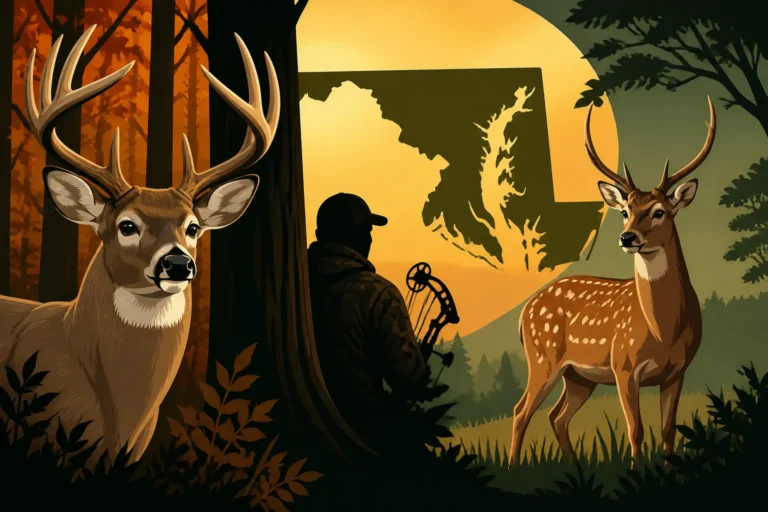
Hunting Maryland's western mountains, especially the areas shaped by its coal mining history, can feel like a completely different world compared to chasing whitetails in the agricultural fields of the Eastern Shore. The steep slopes, dense reclaimed forests, and unique terrain features present a real challenge, leaving many hunters feeling unsure where to even begin their search for deer. This comprehensive guide will walk you through everything you need to know to successfully navigate and hunt Maryland's unique coal country deer ground, helping you uncover the secrets to consistent success in this rugged environment.
Understanding Maryland's Coal Country Deer Habitat
Maryland's coal country, primarily encompassing Garrett and Allegany counties, is a rugged and beautiful landscape forged by geological forces and human industry. This isn't your typical flatland deer hunting; the terrain itself dictates deer movement and behavior in profound ways. To be successful here, you really have to grasp how this unique environment shapes the lives of the deer that call it home.
The Legacy of Mining and Reforestation
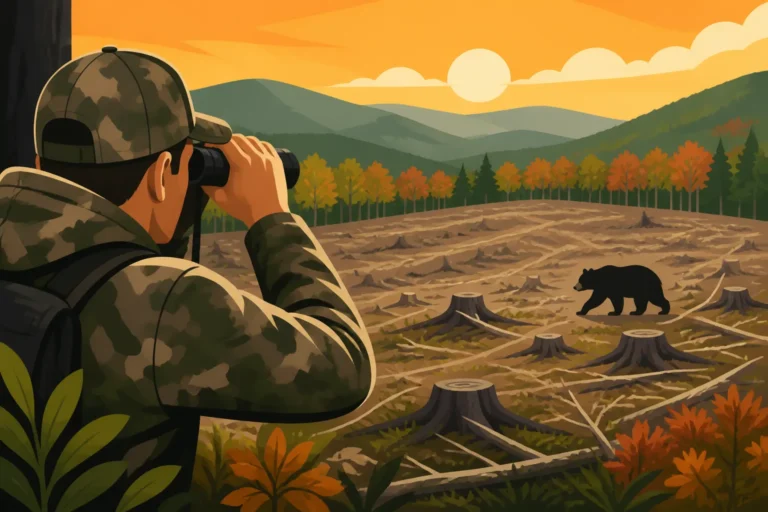
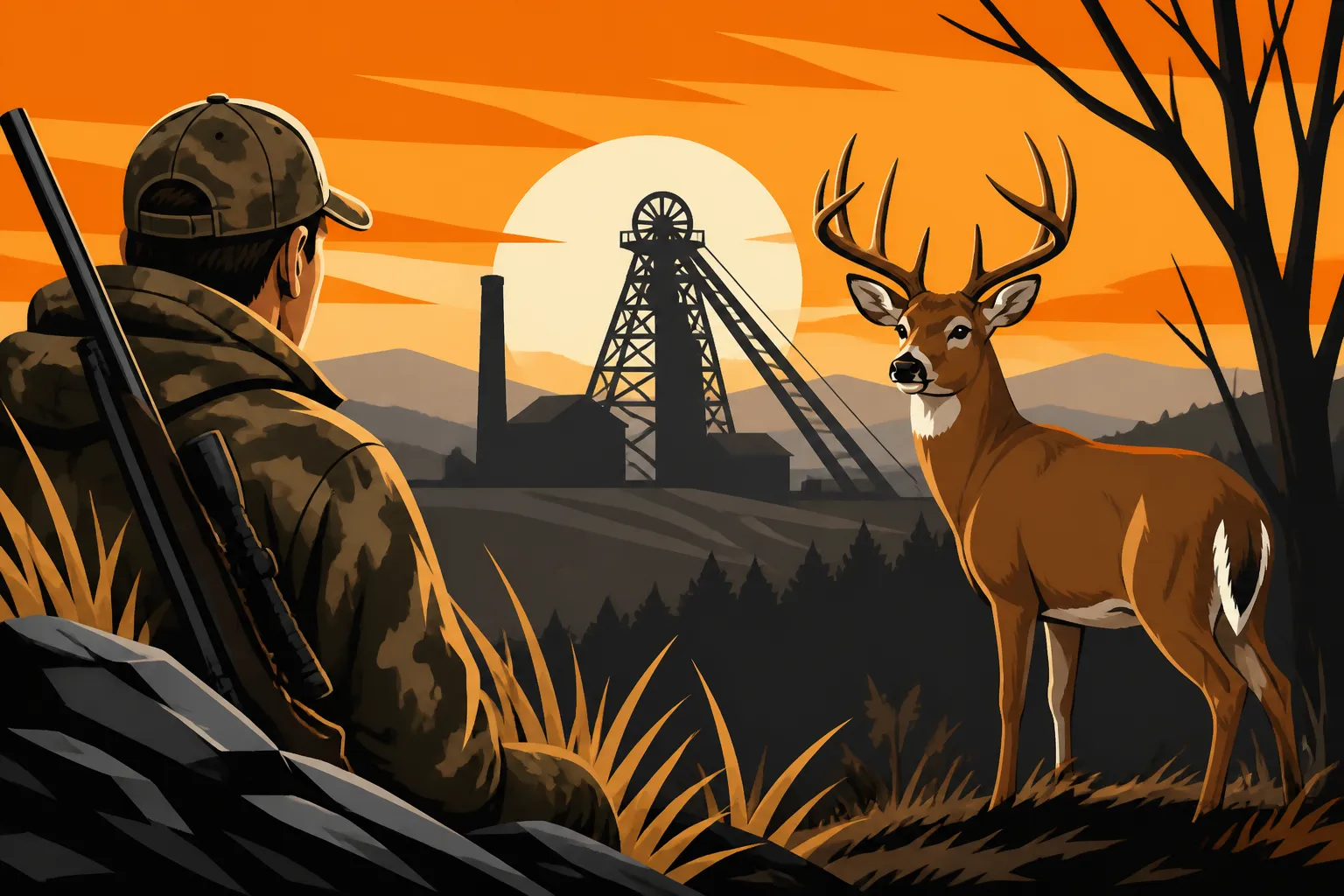
For generations, coal mining operations carved into the mountainsides of Western Maryland, leaving behind a complex tapestry of high walls, spoil piles, and reclaimed lands. While the active mining days have largely passed, their impact on the landscape is still very much alive and directly affects deer habitat. These old mine sites, now often reforested, create incredibly diverse and often dense cover that deer absolutely love for bedding and security. You'll find areas of young saplings, thick brush, and even small, scattered clearings that offer both food and incredible concealment.
Think about it: a deer in a reclaimed strip mine can disappear into cover that's barely shoulder-high, yet almost impenetrable to a human hunter. These areas also often feature drastic elevation changes, creating natural funnels and thermal hubs that deer use daily. Understanding how deer utilize these historical features, whether it's an old haul road now overgrown with bedding cover or a natural spring bubbling up from a reclaimed cut, is key to unlocking success. Deer here aren't just in the woods; they're in the landscape, using every nuance the coal history has provided. For more on navigating this unique terrain, consider learning about Still-Hunting Western Maryland Mountain Timber.
Food Sources in a Diverse Landscape
Unlike farm country where deer might concentrate on corn or soybean fields, the diet of a coal country deer is far more varied and dependent on natural mast crops and browse. Oak flats, often found on mid-slopes and ridgetops, become prime real estate when acorns start to drop in the fall. These areas can draw deer from miles around, especially after a good mast year. However, when acorns are scarce, deer quickly shift their focus to other browse options.
You'll find them hitting woody browse like greenbrier, blackberry, and the buds of maple and oak. Mountain laurel thickets, while a nightmare for hunters to navigate, provide excellent thermal cover and a consistent food source throughout the leaner months. Even the sparse, stunted trees and shrubs on reclaimed sites can offer vital sustenance. Successful hunters here become excellent naturalists, keenly observing what deer are eating at any given time, as this dictates their movement patterns more than anything else. A smart hunter will scout not just for tracks, but for fresh browse lines and disturbed leaf litter under mast trees.
Scouting Strategies for Coal Country Bucks
Scouting in Maryland's coal country isn't a passive activity; it's a strenuous, boots-on-the-ground endeavor that demands attention to detail and a willingness to hike. The sheer scale and ruggedness of the terrain can be intimidating, but with the right approach, you can effectively pinpoint where the deer are and how they're using the land.
Navigating Reclaimed Lands and Timber Cuts
When you're trying to figure out where the deer are in coal country, the first thing you need is a good understanding of the topography and cover. That's where modern tools like aerial imagery and mapping apps really shine. Using something like GoHunt can give you an invaluable bird's-eye view, helping you identify areas of reclaimed land that often show up as distinct patterns or younger forest growth. These reclaimed areas, which were once active mine sites, are frequently neglected by hunters who prefer easier access, but they can be deer magnets due to their dense bedding cover and regenerating browse.
Look for variations in timber age. Newer timber cuts, which might be a few years old, will provide both food and security cover as young trees and shrubs begin to grow back. Older growth areas will be better for mast crops like acorns. Identifying these transitions on your map before you even step foot in the woods can save you hours of aimless wandering. Once you've identified potential spots, the real work begins. Head into those areas and look for physical sign: rub lines along trails, fresh scrapes, and most importantly, deer droppings. The consistency and freshness of droppings can tell you a lot about how recently and frequently deer are using a particular area. Pay close attention to trails that lead in and out of these thickets, especially those on contour lines that allow deer to move efficiently across steep terrain. Knowing how to Scout Maryland Public Land With Aerial Photos can give you a significant advantage here.
Locating Water Sources and Escape Routes
In rugged terrain, water sources become critical focal points for deer, especially during dry spells. While large rivers like the Potomac or Youghiogheny provide major water, deer will often rely on smaller, more secluded sources. Look for seeps along hillsides, small spring-fed creeks in the bottoms of hollows, and even standing pools after rain. These aren't just places to drink; they're often associated with lush vegetation that provides additional food sources, making them prime spots for deer activity.
Equally important are the escape routes. Deer in coal country are masters of using the terrain to their advantage. They'll use steep ravines, dense laurel thickets, and deep hollows to quickly disappear when pressured. Scouting for these escape routes means identifying areas of extremely dense cover or abrupt changes in elevation that lead to sanctuary. If you can identify these routes and understand how deer will use them to evade predators (including hunters), you can position yourself strategically. Often, these routes will connect bedding areas in thick cover to feeding areas or water. Look for well-worn trails leading into and out of these security areas. A great mapping tool like GoHunt can help you visualize these natural funnels and chokepoints by showing elevation changes and vegetation types.
Effective Hunting Techniques in Challenging Terrain
Hunting Maryland's coal country requires a blend of physical endurance, strategic thinking, and a deep respect for the unforgiving landscape. Standard tactics from flatter regions often won't cut it here; you need a mountain mindset.
Still-Hunting the Steep Hills and Hollows
Still-hunting is perhaps the most effective method for consistently taking deer in coal country, but it's also the most demanding. It's not about sitting and waiting; it's about slowly, deliberately moving through the woods, interpreting sign, and anticipating deer movement. The key is to move at a snail's pace, often taking just a few steps every minute, then stopping to scan the terrain for deer sign or, even better, a deer itself.
When still-hunting these steep hills, always consider the wind and thermals. In mountainous terrain, thermals will typically pull air uphill in the morning as the sun warms the ground, and then pull air downhill in the evening as the air cools. This means your approach needs to be planned around these shifting air currents to keep your scent from blowing directly to deer. Utilize contour lines as natural travel routes for deer and use them to your advantage for silent movement. Focus on glassing ahead into thick cover, around blowdowns, and along benches or subtle terrain breaks where deer might pause. Learning how to Still-Hunting a Savage River Oak Flat is a prime example of the patience and precision required. Wear quiet clothing, take small steps, and constantly use your binoculars. Many times, you'll spot a deer before it knows you're there, giving you time to set up for a shot.
Stand Placement Considerations for Coal Country
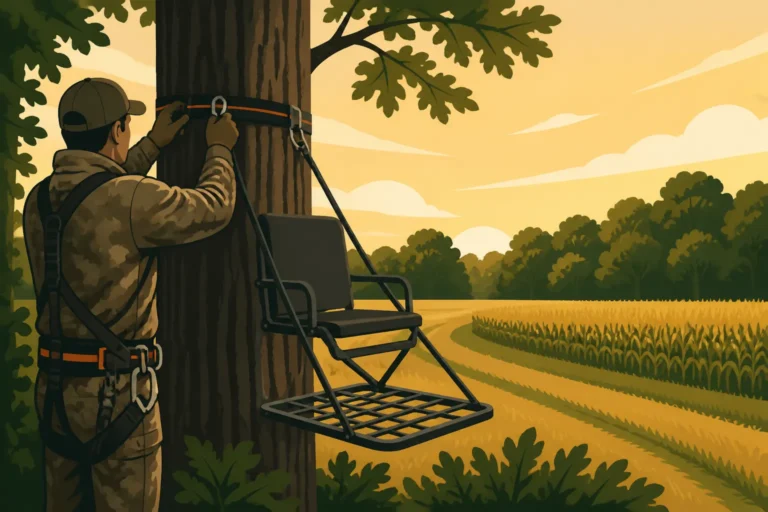
While still-hunting is often paramount, well-placed tree stands or ground blinds can also be highly effective, especially near consistent food or water sources, or along heavily used travel corridors. However, stand placement here is different from setting up on a flat field edge. In coal country, you're looking for subtle terrain features that act as natural funnels.
Think about saddles between two ridge tops, benches on steep hillsides where deer feel comfortable moving horizontally, or pinch points where thick cover narrows deer movement to a small area. Creek bottoms and the edges of reclaimed mine sites can also be excellent choices. When selecting a stand site, consider not just the deer sign, but also your access and exit routes. Can you get to and from your stand without spooking deer? How will the wind and thermals affect your scent both in the morning and evening? Often, a stand placed just below a ridge crest, or overlooking a subtle bench on a steep slope, can offer excellent visibility into deer travel routes while keeping you out of direct sight. Using an application like GoHunt to study the topography and identify these subtle features before you scout on the ground can save you a lot of time and effort in finding that perfect, covert stand location. You might even find opportunities for Hunting a Green Ridge Ridgetop Bench.
Gear and Safety for Rugged Western Maryland Hunts
Hunting in Maryland's coal country isn't just a physical challenge; it's also a gear challenge. The right equipment can make the difference between a successful, comfortable hunt and a miserable, potentially dangerous one. Safety, above all, must be your top priority in these remote and rugged areas.
Essential Gear for Mountain Hunting
When you're traversing steep, rocky terrain, your footwear is paramount. Invest in high-quality, waterproof hunting boots with excellent ankle support and aggressive tread. Your feet will thank you. Layered clothing is also critical for managing your body temperature, as the physical exertion of climbing and descending can lead to sweating, followed by rapid cooling when you stop. Opt for moisture-wicking base layers, insulating mid-layers, and a durable, waterproof/windproof outer shell.
Beyond clothing, a reliable pack is essential for carrying your essentials: water, snacks, a first-aid kit, game processing tools, and extra layers. Navigation is non-negotiable. While your phone with a mapping app like GoHunt is great, always carry a physical map and compass as a backup, and know how to use them. A good pair of binoculars is indispensable for spotting deer in dense cover or across long distances. Don't forget a bright headlamp or flashlight for early morning entries or late exits, and a sturdy knife for field dressing. For those looking to hunt with a muzzleloader, remember to consider Muzzleloader Deer Hunting in Maryland and pack the necessary supplies.
Prioritizing Safety in Remote Areas
The remote nature of much of Maryland's coal country means that help can be a long way off. Self-reliance is key. Always let someone know where you're going and when you expect to return. Carry a fully charged cell phone, but don't rely solely on it for communication; service can be spotty or nonexistent in many hollows and deep woods. A personal locator beacon (PLB) or satellite messenger device, like a Garmin InReach, can be a literal lifesaver for emergency communication when you're out of cell service.
Be aware of your surroundings, especially for venomous snakes in warmer months, and the occasional black bear, though they're more common further west. Always practice proper firearm safety, and if you're hunting with others, maintain clear communication about positions and shooting lanes. Dehydration and hypothermia are real threats, so pack plenty of water and be prepared for sudden weather changes. Always respect private property boundaries, even when on public land, and be mindful of your impact on the environment. The Maryland Department of Natural Resources (DNR) website is an excellent resource for detailed public land rules and regulations, ensuring you're always hunting legally and safely.
| Feature | Coal Country Hunting | Farm Country Hunting |
|---|---|---|
| Terrain | Steep hills, ravines, reclaimed mine lands, thick timber | Flat to rolling fields, woodlots, hedgerows |
| Primary Food | Acorns, natural browse, mountain laurel, diverse forest forage | Corn, soybeans, alfalfa, food plots, mast trees |
| Deer Movement | Contour lines, saddles, ridge tops, dense cover for security | Field edges, fencelines, creek bottoms, funnels between woodlots |
| Scouting Focus | Topography, water sources, bedding cover, subtle benches | Crop rotations, field edges, high traffic trails, pinch points |
| Hunting Style | Still-hunting, strategic stand placement, long hikes | Stand hunting over food sources, drives in woodlots |
| Gear Needs | Durable boots, navigation tools, layered clothing, safety beacons | Moderate boots, binoculars, camo, scent control |
| Hunting Pressure | Can be high near access points, but decreases rapidly with distance from roads | Varies widely, often concentrated near prime habitat |
Disclaimer
Hunting is an activity with inherent risks. This guide provides general information and recommendations. Always consult the latest Maryland Department of Natural Resources (DNR) regulations and local laws before hunting. Your safety is your responsibility. Ensure you have the proper licenses, permits, and hunter education required by the State of Maryland.