Hunting a Clover Plot on a Maryland Farm
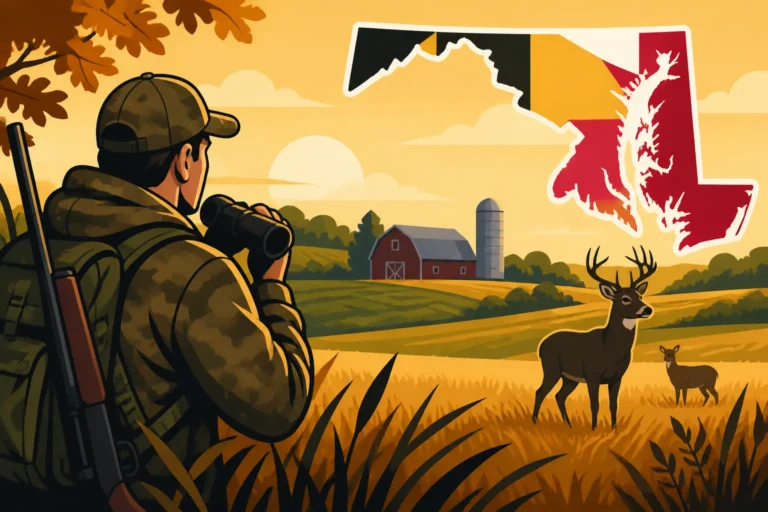
It's incredibly frustrating when you've done all the scouting, hung your stand in what feels like the perfect spot, and then the deer just seem to vanish, especially on prime farm ground. We've all been there, wondering what went wrong. The truth is, deer are constantly shifting their patterns, but one thing remains constant on many Maryland farms: a well-maintained clover plot can be a reliable magnet. This guide will walk you through everything you need to know to effectively hunt a clover plot on a Maryland farm, from understanding why deer love them to the specific tactics that lead to success.
Understanding Why Deer Love Clover Plots
Clover plots aren't just pretty patches of green; they are carefully cultivated nutritional hubs that deer, especially in agricultural areas across Maryland, absolutely key in on. Unlike annual crops that might only be available for a short window, clover offers a consistent, high-quality food source for much of the year, which is a massive draw for whitetails looking to pack on pounds.
The Nutritional Powerhouse
When we talk about clover, we're really talking about a superfood for deer. It’s incredibly palatable, meaning deer love the taste, and more importantly, it's packed with protein and essential nutrients that are vital for antler growth in bucks, milk production in does, and overall herd health. This isn't just a snack; it's a critical part of their diet. Farmers or landowners who take the time to establish and maintain these plots understand that it’s an investment in the health and attraction of their local deer population.
There are several types of clover that you might encounter on a Maryland farm. White clovers, such as Ladino or Durana, are perennial, meaning they come back year after year, offering a persistent food source. These tend to be more resilient to heavy grazing and can spread well. Red clover, on the other hand, is usually a biennial (lives for two years), grows taller, and can be a great choice for providing a bit more visual cover in the plot itself. Both types are highly digestible and offer high protein content, often ranging from 20-30%. This makes them far more appealing than much of the natural browse that might be available, especially after the initial flush of spring growth. Deer will literally choose clover over almost anything else when it's available, especially during the spring and summer months when they need to rebuild their reserves.
A Year-Round Food Source
One of the biggest advantages of a perennial clover plot is its incredible longevity throughout the hunting season, and even beyond. While cornfields or soybean fields might be harvested in the fall, leaving only remnants, clover plots continue to offer forage. In the spring, as soon as the ground begins to thaw and sunlight hits the soil, clover is one of the first plants to green up, providing vital early nutrition for does that have just dropped fawns and bucks growing their new antlers. It’s often the freshest, most nutrient-rich option available at that time.
Throughout the summer, even as temperatures climb and other natural forages might start to toughen or dry out, clover remains lush and attractive. This is particularly true if the plot receives adequate rainfall or is located in a spot that holds moisture well. As autumn arrives, and especially after the first few hard frosts, clover often retains its palatability and nutritional value longer than many annual food plot crops. Even under a light dusting of snow, deer will paw through to access the green leaves, making it a crucial late-season food source when other options are scarce. This consistent availability makes a clover plot a reliable place to find deer throughout the entire Bowhunting Maryland's Long Archery Season.
Beyond Just Food: Cover and Security
While the primary draw of a clover plot is undeniably its nutritional value, these green oases often provide more than just a meal. Depending on its size, shape, and surrounding habitat, a clover plot can actually contribute to a deer's sense of security and serve as a crucial staging area before deer move into larger fields or deeper woods. If a clover plot is long and narrow, nestled between a thick cedar stand and a dense brushy hedgerow, it can feel incredibly safe for deer. They can feed on one side, keeping a watchful eye on the thick cover, and quickly disappear into it if danger approaches.
Furthermore, if the clover is a taller variety like red clover, or if it's mixed with other forage, it can provide some visual cover, especially for fawns or smaller deer that don't want to expose themselves completely. Bucks, particularly during the rut, might use the edges of a clover plot as a place to stage up, scent-check for does, and survey the area before stepping out fully into the open. Think of it as a waiting room where they can feel relatively secure while preparing for their next move. The integration of a food plot with quality bedding cover is a classic habitat management strategy, turning a simple feeding area into a complete deer magnet. Knowing how deer use these areas is key, especially when you are Scouting Maryland Public Land Before Season.
Scouting and Strategy for Clover Plot Hunting
Successfully hunting a clover plot isn't just about showing up and hoping for the best. It requires meticulous scouting, understanding deer movement patterns, and adapting your strategy to the specific conditions of the farm and the weather. Forget the idea of just plopping a stand down; you need to become a detective.
Reading the Sign Around the Plot
Before you even think about hanging a stand, spend significant time observing the area around the clover plot. Look for fresh tracks, paying attention to their size and direction of travel. Are deer entering from a particular bedding area in the morning or evening? Do you see distinct "trails" or worn paths leading into and out of the plot? Fresh droppings can tell you a lot about recent activity and even the size of the deer. Larger, more clustered droppings usually indicate a bigger animal.
Beyond just entry and exit points, scan the perimeter for rubs and scrapes. Rubs, where bucks have rubbed their antlers on saplings or small trees, signal recent buck activity and can indicate the direction of their travel. Scrapes, particularly those with an overhanging branch (licking branch), are communication hubs where deer deposit scent. A fresh scrape near a clover plot is a huge indicator that a buck is frequently visiting that area. You might find a scrape line along a particular field edge, which can offer prime opportunities for an ambush. Use tools like the GoHunt app to mark these observations on a map, tracking changes over time. This detail is crucial when you're trying to figure out where deer are Working a Ridge Saddle for Rutting Bucks.
Wind, Thermals, and Entry/Exit Routes
This is arguably the most critical component of successfully hunting a clover plot or any deer stand, anywhere in Maryland. Deer rely heavily on their sense of smell, and if they catch your scent, your hunt is over before it even begins. Always, always play the wind. Before every hunt, check the wind direction and plan your approach and stand placement accordingly. You want the wind blowing your scent away from where you expect deer to approach and feed.
Thermals, especially in hilly or broken terrain common in parts of Maryland, add another layer of complexity. In the mornings, as the air warms, thermals generally rise, carrying your scent upwards. In the evenings, as the air cools, thermals tend to fall, carrying your scent downwards into valleys or low spots. Understanding this helps you choose stand locations that minimize scent dispersal. For instance, an evening hunt in a clover plot at the bottom of a draw might require you to be higher up on a ridge to keep your scent from settling into the feeding area. Conversely, a morning hunt might be better in a low stand where rising thermals carry your scent over the approaching deer. Your entry and exit routes are equally vital. Plan them so you don't walk through known bedding areas or expose yourself to the plot. Use natural features like ditches, hedgerows, or treelines for cover, and approach as quietly as possible, especially during those sensitive periods around dawn and dusk. This is fundamental knowledge, whether you're Still-Hunting Western Maryland Mountain Timber or sitting a suburban woodlot.
Timing Your Hunt: Peak Activity Windows
Deer don't just randomly wander into a clover plot; their visits are often dictated by a combination of factors including time of day, season, and weather. The most obvious peak times are typically dawn and dusk, when deer are naturally most active and moving between bedding and feeding areas. During these "golden hours," a clover plot can be bustling. However, don't dismiss midday, especially during the rut. A mature buck might cruise through a plot at high noon, looking for receptive does.
Seasonal timing is also crucial. Early archery season, particularly in September, can see heavy use as deer load up on high-protein forage. As temperatures drop and the rut kicks in around late October and into November, bucks will still visit clover plots, but they might be more focused on scent-checking for does than on prolonged feeding. Post-rut and late season, when other food sources are depleted or covered by snow, clover plots become absolute magnets again as deer try to replenish lost weight. Additionally, cold fronts or sudden drops in temperature often trigger increased deer activity, making the days immediately following a cold front excellent times to be in a stand overlooking a clover plot. A good hunter keeps track of weather patterns and consults their Maryland Deer Season Dates by Weapon to maximize opportunities.
Stand Placement and Hunting Tactics
Once you’ve done your scouting homework and have a good handle on deer movement around your chosen clover plot, it's time to think about where you'll actually set up. This isn't a one-size-fits-all situation; your approach will depend on the plot's layout, the surrounding cover, and your hunting style.
Strategic Stand Selection
Choosing the right stand location is paramount. First, consider the prevailing wind directions for the time of year you'll be hunting. You want your stand to be positioned so your scent is carried away from the deer's primary travel and feeding zones. Often, this means setting up on the downwind side of the plot, or at least along an edge where deer are likely to pass rather than directly into their feeding path.
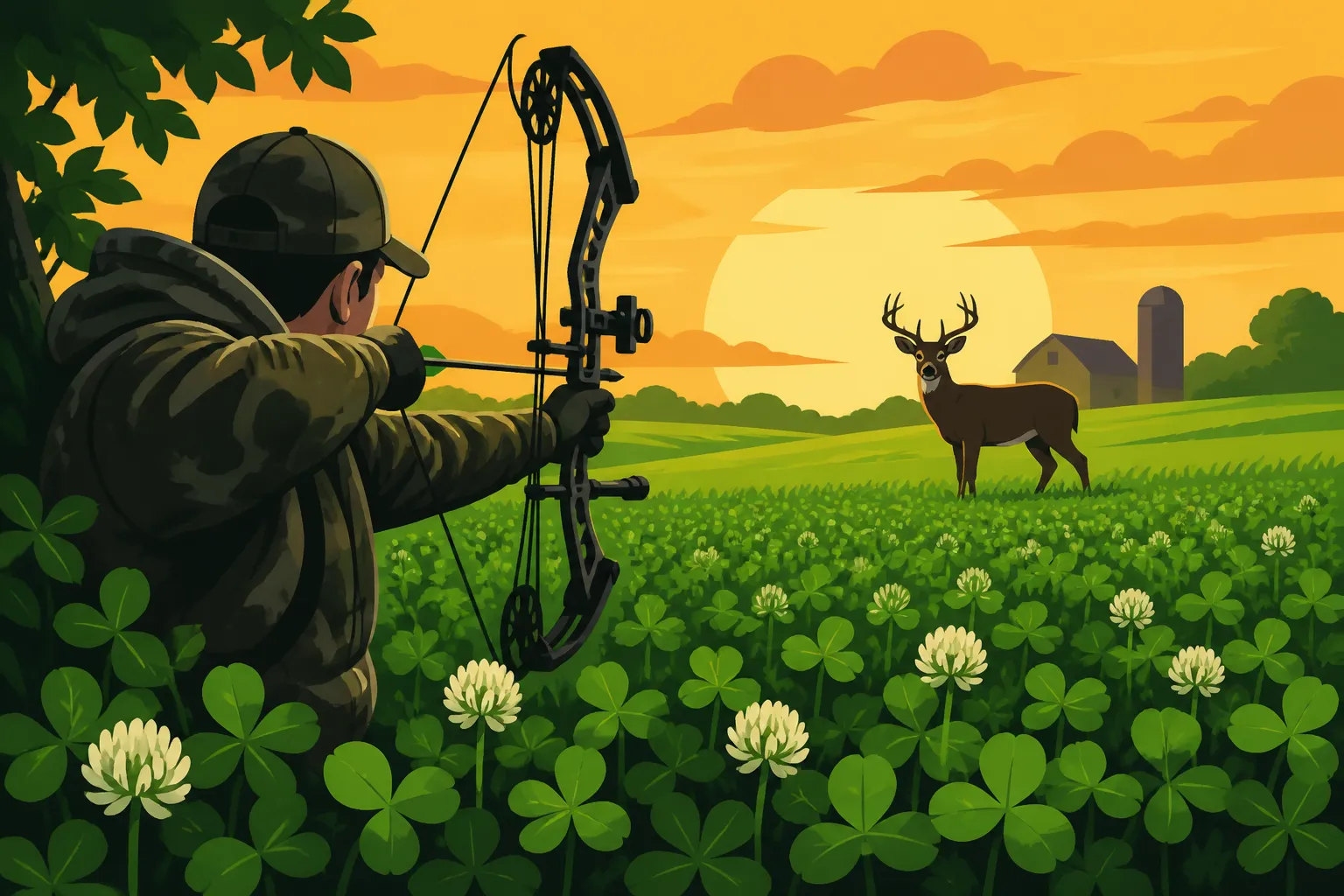
Next, identify the most common entry and exit points deer use. Look for those well-worn trails leading from thick bedding cover to the plot. Your stand should be within comfortable shooting range of these trails and the primary feeding areas, but not so close that you pressure the deer or can't draw your bow or shoulder your rifle unnoticed. A stand placed just inside the timber line, perhaps 20-30 yards off the edge of the plot, often provides the best balance of concealment and shot opportunity. Elevated stands, like ladder stands or hang-ons, offer a wider field of view and help to keep your scent dispersed above the deer. However, don't discount ground blinds if natural cover is abundant, or if you need to hunt with a youth or someone with mobility challenges. Just make sure the ground blind is brushed in well and has been there long enough for deer to get used to it. Remember, concealment is key, especially when you are Hanging a Stand on a Maryland Farm Edge.
Using Trail Cameras Effectively
Trail cameras are invaluable tools for gathering intelligence on a clover plot without adding human pressure. But simply slapping a camera on a tree and hoping for the best won't cut it. Effective trail camera placement involves strategy. Set cameras up on the trails leading into and out of the plot, not directly in the middle of it. This allows you to capture deer movement patterns, preferred entry points, and get a better understanding of the bucks frequenting the area without disturbing the main feeding zone.
Position your cameras about 20-30 yards away from the plot edge, angled to capture the trails or a scrape line. Consider using cellular trail cameras, especially if the plot is on a distant part of the farm or if you want real-time updates without having to physically check the camera. Brands like GoHunt often offer excellent features for managing your trail camera data, allowing you to quickly sort through hundreds of photos and identify patterns. Pay attention to the date and time stamps on your photos – they are crucial for determining peak activity times and adjusting your hunting schedule. If you consistently see a particular buck at 7:15 AM, you know exactly when to be in your stand. You can learn a lot about when deer are using these food sources, which is particularly useful for understanding Late Season Food Sources for Maryland Deer.
Calling and Decoying Strategies
While deer calls and decoys might not be your primary tactic for a clover plot, they can definitely be effective enhancements, especially during specific times of the season. During the rut (typically late October through November in Maryland), a grunt call or a doe bleat can sometimes pique the interest of a cruising buck and pull him off a trail into the plot. If you see a buck hesitate at the edge, a soft grunt might be all it takes to encourage him to commit. Be cautious not to over-call, as an unnatural amount of noise can spook wary deer.
Decoys can also play a role. A doe decoy placed at the downwind edge of the clover plot, facing towards where you expect deer to approach, can be incredibly effective at drawing in a buck. Bucks will often circle downwind to scent-check the decoy, bringing them into your shooting lane. If you're using a buck decoy, consider a smaller, non-threatening size to avoid intimidating younger bucks or drawing an aggressive response from a dominant buck you aren't prepared for. Always consider the wind when placing a decoy – you want it to appear natural, and for any approaching deer to have to pass by your stand to get to it. Combining these tactics can sometimes be the difference-maker, especially when trying to lure in a cautious animal, whether it's a whitetail in a clover plot or calling in a Sika Stag During Their Fall Whistle.
Common Mistakes and How to Avoid Them
Even with the best intentions and the most attractive clover plot, hunters can make common mistakes that severely reduce their chances of success. Understanding these pitfalls and actively working to avoid them is just as important as knowing what to do right.
Over-Pressuring the Plot
This is perhaps the most common and damaging mistake hunters make when dealing with any consistent food source, especially a prime clover plot. It's tempting to hunt your best spot repeatedly, thinking that since deer are always there, you'll eventually catch one. However, deer are incredibly sensitive to human presence. If you hunt a clover plot day after day, week after week, deer will quickly catch on. They'll start to become nocturnal, visiting the plot only under the cover of darkness, or they'll abandon it altogether for less pressured, albeit less appealing, food sources.
To avoid over-pressuring your clover plot, practice disciplined stand rotation. Have several stand locations around the plot, or even on different plots on the farm, and only hunt a particular spot every few days, or even once a week. Use trail cameras (from a distance, checking them minimally) to monitor activity and only hunt when conditions (wind, timing, deer movement) are absolutely ideal. Treat your clover plot like a precious resource that can easily be spoiled. If you feel like deer have gone nocturnal, give the area a break for a week or two. This patience often pays off with deer returning to their daytime patterns. This disciplined approach is critical, even when Hunting a Maryland Farm Lease Your First Season.
Ignoring the Wind and Thermals
We've touched on this before, but it bears repeating because it's such a fundamental and frequently overlooked aspect of deer hunting. Hunting against the wind or failing to account for thermals is a guaranteed way to educate deer and send them packing. Deer don't just "smell you"; they pattern your scent. If they consistently smell human odor coming from a certain area, they'll learn to avoid it or only approach from a different, safer direction.
Never, under any circumstances, hunt a stand if the wind is wrong for that particular setup. It's better to stay home or hunt a different stand where the wind is in your favor. Pay close attention to subtle shifts in the breeze, especially in variable conditions. Use a wind checker (a small bottle of powder or milkweed seeds) constantly. If you're hunting in hilly terrain, always consider thermals. A slight breeze might be blowing your scent away from the plot at eye level, but falling thermals could be carrying your scent right down to the deer's level in a bottomland clover plot. This requires constant vigilance and an understanding of the specific topography of your hunting ground. Understanding Wind and Thermals in Western Maryland Terrain can be the difference between success and failure.
Misinterpreting Deer Behavior
Deer don't always use a clover plot the same way throughout the year, or even throughout the day. A common mistake is assuming that deer will always come straight into the middle of the plot to feed. While they might do this during periods of low pressure, often, wary deer will skirt the edges, particularly mature bucks. They might stand just inside the timber, scent-checking the plot for several minutes before stepping out, or they might enter from the furthest point from your stand.
Pay attention to subtle cues from your trail camera footage and your actual observations. Are deer hitting the plot consistently at specific times, or are they just passing through? Are the does feeding in the open while the bucks hold back in the shadows? During the early season, deer might feed for extended periods, but during the rut, bucks might only cruise the edges, looking for does, pausing only briefly to munch on a few clover leaves. Adjust your stand placement and hunting times to match these specific behaviors. If bucks are hanging up on the edge, consider moving your stand deeper into the timber, closer to their travel corridor, rather than right on the plot edge. Understanding these nuances will significantly increase your odds, whether you're hunting a clover plot or setting up on a Maryland Grain Field Edge.
Clover Plot Hunting Considerations
| Feature | Pros of Hunting Clover Plots | Cons of Hunting Clover Plots |
|---|---|---|
| Deer Attraction | High palatability and nutritional value attracts deer consistently, year-round. | Can become over-pressured if hunted too often, leading to nocturnal deer. |
| Seasonality | Provides food from early spring through late fall, even into winter under light snow. | May lose some attraction during peak rut if bucks are more focused on breeding. |
| Scouting Value | Concentrates deer, making it easier to find sign (tracks, droppings, rubs, scrapes). | Deer can become wary of human presence very quickly due to concentrated activity. |
| Stand Placement | Clear edges often simplify stand selection, with good visibility. | Predictable entry points can make hunters predictable; requires careful wind management. |
| Habitat Integration | Excellent when combined with nearby bedding cover, creating a complete deer habitat. | Isolated plots without good cover nearby may only be visited at night or during low light. |
| Management Effort | Perennial nature means less yearly work once established (though maintenance is still needed). | Requires soil testing, liming, fertilization, and occasional mowing to remain productive. |
| Success Rates | Offers consistent opportunities for seeing deer and can be a hot spot for mature bucks. | Success relies heavily on proper scent control, careful entry/exit, and minimizing pressure. |
Disclaimer
Please remember that hunting regulations and seasons in Maryland are subject to change. Always consult the most current Maryland Department of Natural Resources (DNR) hunting guide before planning any hunt. Ensure you have all required licenses and stamps, and always prioritize safety and ethical hunting practices.