Maryland Blaze Orange Requirements
Navigating the myriad rules and regulations of hunting in Maryland can sometimes feel like trying to untangle a stubborn knot, and few topics cause as much head-scratching as blaze orange requirements. It’s easy to get confused about when, where, and how much of this highly visible gear you actually need. This guide is here to cut through the noise, providing a clear, in-depth look at Maryland's blaze orange regulations so you can hunt safely, legally, and with complete peace of mind.
The Critical Importance of Blaze Orange for Maryland Hunter Safety
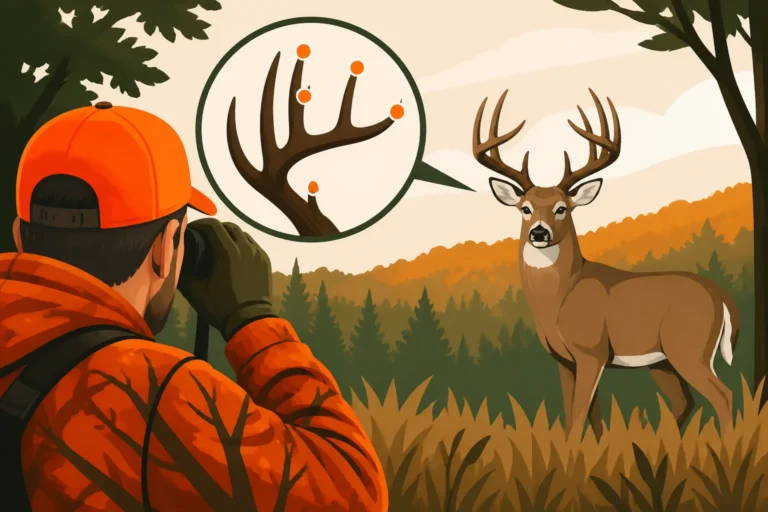
Let’s be honest, putting on a bright orange vest or hat might feel a little… well, un-hunter-like to some. We spend so much time camouflaging ourselves, blending into the landscape, and suddenly we're told to wear the brightest color imaginable. But there’s a profoundly important reason behind these regulations: safety. Blaze orange, or fluorescent pink, is designed to make you instantly recognizable as a human hunter to other humans, preventing tragic accidents in the field.
Why Visibility is Your Best Friend in the Woods
Imagine yourself still-hunting through thick cover or sitting patiently on a stand. You're focused, your senses are heightened, and you're looking for subtle movements or flickers of antler. Other hunters in the area are doing the same. In low light, dense woods, or moments of intense focus, it's startlingly easy for a person to be mistaken for game. A flash of brown, a quick movement in the shadows, and suddenly, a devastating error can occur.
Blaze orange cuts through this visual ambiguity. It's a color that doesn't naturally occur in the Maryland woods in the same solid, concentrated way that it appears on a hunter. Deer don't wear orange; wild turkeys don't. This high-contrast visibility ensures that when another hunter spots movement, their brain registers "human" long before they could possibly mistake you for a prize buck or a foraging bear. It's not about being seen by the animals – they'll often spot it, but they react to movement anyway – it's about being seen and identified by your fellow hunters, preventing what we all fear most.
Understanding Maryland's Commitment to Hunter Safety
Maryland, like many other states, has enacted specific blaze orange laws because they work. These laws aren't arbitrary; they are the result of years of data, incident reports, and a collective desire to make hunting as safe as possible for everyone. Before widespread blaze orange requirements, hunting accidents involving mistaken identity were far more common. The simple act of donning a brightly colored garment has drastically reduced these incidents, proving itself to be one of the most effective safety measures ever introduced in hunting.
The Maryland Department of Natural Resources (DNR) takes hunter safety seriously, and these regulations are a cornerstone of their efforts. They recognize that while personal responsibility is paramount, clear guidelines enhance the overall safety culture in the hunting community. Whether you're a seasoned veteran or just starting out with the help of a tool like GoHunt to scout new areas, adhering to these rules isn't just about following the law; it's about being a responsible steward of our hunting heritage and ensuring everyone comes home safely.
When Blaze Orange is a Must-Wear in Maryland
The tricky part about blaze orange is knowing when it's actually required. Maryland’s regulations can shift based on the season, the type of weapon you're using, and even the species you’re pursuing. It’s not a one-size-fits-all rule, which often leads to confusion. Let’s break down the key scenarios.
Firearms Deer Season and Beyond
This is perhaps the most straightforward and universally understood requirement. If you are hunting deer with a firearm in Maryland, you absolutely must wear blaze orange or pink. This applies during both segments of Maryland's split firearms deer season. This includes the major gun season in November/early December and the January firearms reopening. During these periods, whether you're using a shotgun, muzzleloader, or a straight-wall cartridge rifle where legal, your visibility is non-negotiable.
The reason for this strict requirement during firearms seasons is simple: the increased velocity and range of modern firearms mean that a mistaken shot can have far-reaching and devastating consequences. Hunters are often more spread out, and the sound of gunfire can make it harder to pinpoint other hunters' locations. If you're out there during these peak times, make sure you're geared up properly. This also applies during any Junior Deer Hunt Days, where young hunters are out in the field. Similarly, if you're lucky enough to draw a permit for black bear hunting, which often coincides with deer firearms seasons, the same blaze orange rules apply to ensure maximum safety among all big game hunters. For a detailed breakdown of these critical periods, be sure to check out our comprehensive guide on Maryland's Split Firearms Deer Season.
Upland Game and Mentored Hunts
While deer firearms season is the most prominent time for blaze orange, it's also a requirement for certain small game hunting situations, particularly on public lands. If you're pursuing cottontail rabbits, ring-necked pheasants, ruffed grouse, or even squirrels on public hunting areas, you need to wear blaze orange above the waist. This rule ensures that even when the primary target isn't big game, hunters are still visible to one another in shared spaces, especially during times when deer hunters might also be present, even if not legally required to wear orange themselves (e.g., archery in some areas).
This requirement also extends to mentored and apprentice hunting programs. These programs are fantastic opportunities to introduce new hunters to the sport, but they come with an added layer of responsibility. When an experienced mentor takes an apprentice out into the field, both individuals are usually required to wear blaze orange, regardless of the game being pursued or the weapon being used, if it falls within a season where blaze orange is mandatory for others. This reinforces the safety message from day one for new hunters. It also adds an extra layer of protection for the new hunter who might be less experienced in identifying game or understanding shot zones. For more information on safely introducing new hunters, take a look at our article on Maryland Apprentice and Mentored Hunting. If you're planning a small game outing, you can find all the season specifics in our guide on Small Game Season Dates and Daily Limits.
How Much Blaze Orange You Need to Be Legal and Safe
It’s not enough to simply wear blaze orange; Maryland regulations specify how much you need and where it must be visible. This often catches hunters off guard, thinking a small patch or a partial vest is sufficient. The goal is 360-degree visibility, and the rules are designed to achieve that.
Minimum Requirements: Vests, Hats, and More
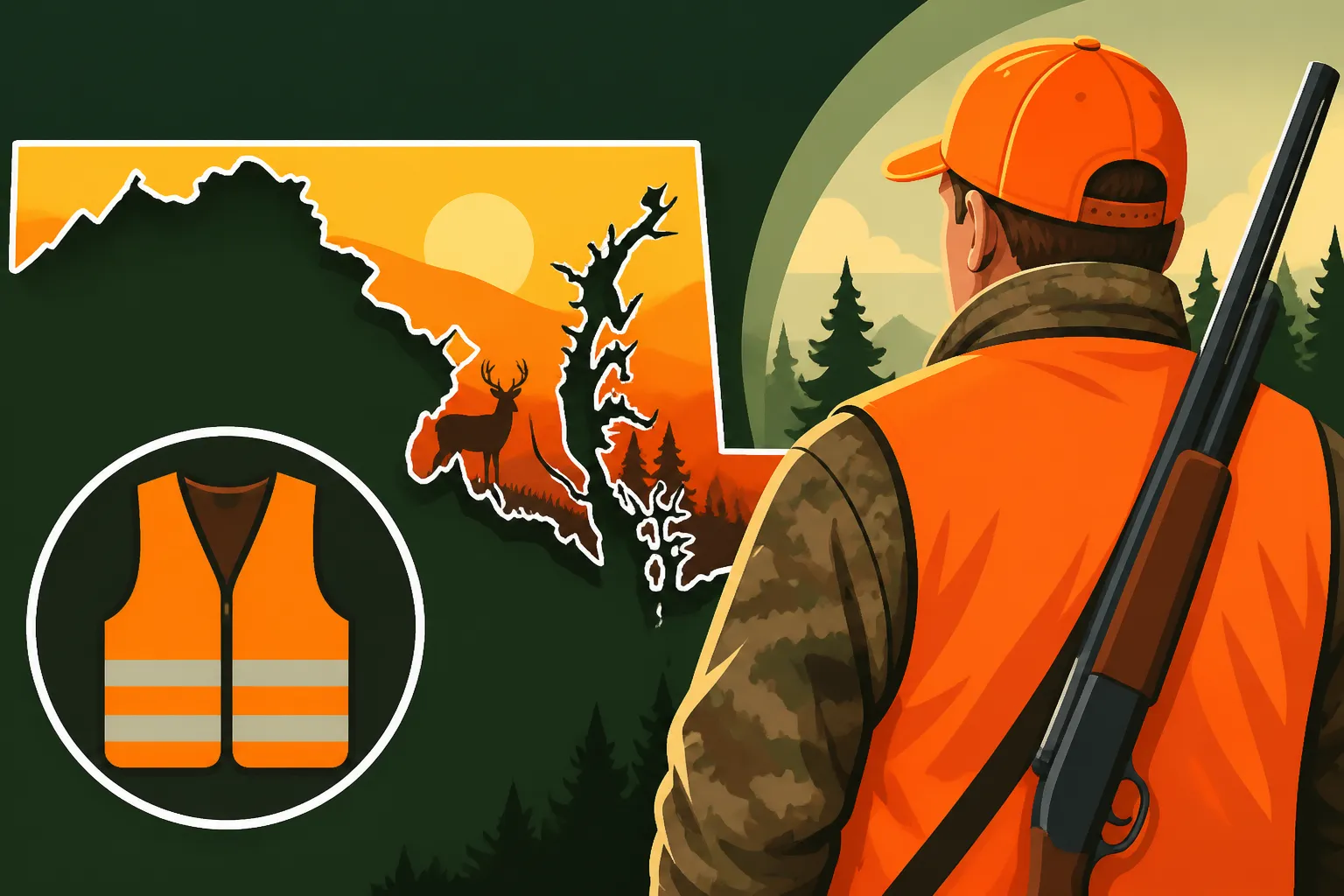
During Maryland’s deer firearms seasons, and other periods where blaze orange or pink is mandated, hunters must display a minimum of 250 square inches of solid daylight fluorescent orange or pink on their outermost garment above the waist. In addition, another 250 square inches of solid daylight fluorescent orange or pink must be displayed on the outermost garment below the waist. This means you generally need two distinct areas of blaze orange.
A common way to meet the "above the waist" requirement is a vest or jacket. For the "below the waist" portion, it could be a separate band, pant inserts, or even just the lower portion of a longer jacket, provided it meets the square inch criteria and is solid. A solid fluorescent orange or pink hat can count towards the "above the waist" requirement, but only if it's visible from all directions (360 degrees) and contributes to the 250 square inch minimum. This means a baseball cap worn backward or a knit cap that's partially obscured might not be enough on its own. It's about cumulative coverage and ensuring that no matter which way you turn, you're clearly identifiable. When I'm looking for gear, I often check out resources like GoHunt to find vests and hats that clearly meet these specifications, ensuring I'm not only compliant but maximizing my visibility.
Strategic Placement for Maximum Visibility
The spirit of the law isn't just about accumulating square inches; it's about maximizing your visibility to others. This means paying close attention to how you wear your blaze orange. It must be worn on your outermost garment. This might seem obvious, but I’ve seen hunters with a blaze orange vest under a camouflage jacket, or with their backpack completely covering their orange. That simply doesn't count.
Think about it: if your blaze orange vest is covered by a bulky backpack, or if your hat is tucked under a hood, it defeats the purpose. The orange needs to be visible from the front, back, and both sides. This is why having both an upper and lower garment requirement is so crucial. If you're kneeling, the lower portion keeps you visible. If you're standing behind a tree, the upper portion helps. Always ensure your blaze orange isn't obscured by gear, game you're dragging, or anything else. Layering is key in Maryland's unpredictable weather, so plan your hunting attire to put that bright orange layer on the very outside.
Here’s a quick checklist to help you remember:
| Requirement | Description | Compliance |
|---|---|---|
| Above the Waist | Minimum 250 sq. inches of solid daylight fluorescent orange or pink. | Vest, jacket, or an appropriate hat visible 360 degrees. |
| Below the Waist | Minimum 250 sq. inches of solid daylight fluorescent orange or pink. | Separate band, pant inserts, or lower jacket section. |
| Visibility | Must be visible from all sides (front, back, left, right). | Outer layer, not obscured by gear or game. |
| Color | Solid daylight fluorescent orange or pink. No camouflage patterns. | Bright, unmistakable color. |
Specific Scenarios Where Blaze Orange Rules Differ
As if the basic rules weren't enough, Maryland hunting has a few unique scenarios where blaze orange requirements are either relaxed, entirely absent, or have specific conditions. This is where most hunters stumble, so let's clear up these nuances.
Archery and Muzzleloader Season Nuances
For much of Maryland’s long archery season, blaze orange is not required. This is a common point of relief for bowhunters who spend countless hours trying to perfect their camouflage and scent control. During the early bowhunting segments, when only archers are typically in the woods pursuing deer, the risk of mistaken identity is significantly lower, allowing hunters to utilize their full camouflage setup. However, this changes if you're bowhunting during a firearms season (like the January firearms split where bowhunting is also permitted); in such cases, you’d still need to adhere to the firearms season blaze orange rules. To really dig into the specifics of hunting with a bow, check out Bowhunting Maryland's Long Archery Season.
Muzzleloader seasons, however, are a bit different. While the early September muzzleloader segment does not require blaze orange (as it's often concurrent with archery-only periods for deer), the main muzzleloader season, usually in October, does require the full 250 square inches above and below the waist. This is because the October muzzleloader season is often a standalone period for deer hunters, increasing the number of people in the woods at one time. Always double-check the current year's hunting guide for precise dates and requirements for muzzleloader hunting. It's easy to assume muzzleloader rules mirror archery, but that's not always the case, so staying informed is crucial. For more details on this unique season, our guide on Muzzleloader Deer Hunting in Maryland can help.
Waterfowl and Turkey Hunting Exemptions
When you think of waterfowl hunting, you probably picture hunters nestled in a camouflaged blind, boat, or layout rig. In these situations, blaze orange is generally not required. The nature of waterfowl hunting, which involves concealment from sharp-eyed birds, makes blaze orange impractical. The same goes for turkey hunting; turkeys have excellent eyesight and can detect even slight color aberrations, so camouflage is essential for success. You won't find many successful turkey hunters sporting a bright orange vest while trying to call in a gobbler in the spring woods. If you're looking for more info on these hunts, our articles on Waterfowl Hunting Maryland's Chesapeake Bay and Spring Turkey Hunting in Maryland are great resources.
However, there's a crucial caveat for both: transition periods. While you might not need blaze orange in the blind, you will need it when you're walking to and from your blind or boat launch, especially if it's during a time when other hunting seasons requiring blaze orange are open. The same applies to retrieving downed birds. Imagine walking through a field or along a marsh edge to pick up a goose; if there are deer hunters nearby, you need to be visible. Always carry a blaze orange vest or hat to slip on during these movements to stay safe and compliant.
Sunday Hunting and Public Land Considerations
Maryland's Sunday hunting rules have evolved, with more counties now allowing it, particularly for deer. The blaze orange requirements on Sundays mirror those of the equivalent weekday hunt. For instance, if you're hunting deer with a firearm on a Sunday, you’ll still need the full blaze orange coverage. It’s not a special exemption day for safety gear. The general rule is to follow the weapon and species requirements for that specific season, regardless of the day of the week. This is particularly important when considering Sunday hunting opportunities on public lands.
Public lands often see increased hunting pressure, making visibility even more critical. While many counties now permit Sunday hunting, specifically for deer and other game, the safety measures remain paramount. Always assume that if blaze orange is required for a particular season on a weekday, it will also be required on a Sunday during that same season. Navigating all the nuances of Sunday hunting can be complex, so our guide on Maryland's Sunday Hunting Rules by County is a must-read. Furthermore, understanding the regulations for specific public land areas can save you headaches, and our comprehensive resource on Public Hunting Land in Maryland is invaluable. Always consult the specific WMA or State Forest regulations, as some areas might have additional requirements or restrictions.
Consequences of Non-Compliance and Staying Informed
Ignoring blaze orange requirements isn't just a minor oversight; it carries significant legal penalties and, more importantly, can have life-altering safety consequences. No hunter wants to face a fine or, even worse, be involved in an accident that could have been prevented.
Penalties for Skipping Safety Gear
Maryland takes hunter safety very seriously, and failing to adhere to blaze orange regulations is a direct violation of hunting law. The legal ramifications can range from significant fines to the confiscation of your hunting license and equipment. Repeated offenses or involvement in an accident due to non-compliance could lead to a suspension of your hunting privileges for an extended period, or even permanently. Imagine losing the right to hunt for a season, or more, all because you forgot a $20 vest. It’s a steep price to pay for what seems like a small detail.
Beyond the legal penalties, the most severe consequence is, of course, the potential for an accident. When a hunter fails to wear the required blaze orange, they put themselves and every other hunter in the vicinity at an unnecessary and unacceptable risk. The emotional and physical toll of a hunting accident, whether you are the victim or the perpetrator, is something no one ever wants to experience. These regulations exist to protect lives, and by flouting them, you’re essentially gambling with human safety. It’s simply not worth the risk.
Resources for Staying Up-to-Date on Regulations
Hunting regulations, including blaze orange requirements, can change from year to year. New legislation, updated scientific data, or shifts in season structures can all impact what you need to wear and when. That's why relying on outdated information or hearsay is a dangerous game. Your primary source of truth should always be the official Maryland DNR Hunting and Trapping Guide, which is updated annually. You can usually find a copy online through their website or pick one up wherever hunting licenses are sold.
In addition to the official guide, modern tools can be incredibly helpful. Platforms like GoHunt provide real-time, geo-specific regulation overlays on maps, allowing you to confirm requirements for your exact hunting location and season with just a few taps on your phone. This can be especially useful for checking public land rules or navigating county-specific variations. Staying informed is an ongoing responsibility for every hunter. If you're unsure, err on the side of caution and wear the blaze orange. Taking a hunter education course is also an excellent way to ensure you're up-to-date on all safety protocols; you can learn more about those requirements in our guide on Maryland Hunter Education Requirements.
Beyond the Law: Best Practices for Enhanced Safety
While understanding the legal requirements for blaze orange is crucial, truly safe hunting often means going a step further. The law sets the minimum, but as responsible hunters, we should always strive for maximum safety for ourselves and others.
More is Often Better: Exceeding Minimums
The Maryland DNR states minimum requirements for blaze orange, but there’s absolutely no harm in exceeding them. In fact, many experienced hunters choose to wear more than the bare minimum, especially during peak firearms seasons or when hunting in heavily pressured public areas. Instead of just a vest and a hat, consider a full blaze orange jacket, or even blaze orange pants if your style of hunting permits. The brighter and more visible you are, the less chance there is of being mistaken for game.
Think about situations like tracking a deer into thick cover, or if you're part of a small drive on private land. In these active scenarios, having more blaze orange ensures you're visible even if your primary vest gets temporarily obscured by brush or by the animal you're dragging. Some hunters even incorporate blaze orange into their gear, like adding reflective orange tape to their treestand straps or their backpack. These small additions can make a big difference in ensuring you're seen by other hunters from any angle, at any time of day, enhancing your overall presence in the woods.
Communication and Awareness in the Field
Blaze orange is a fantastic visual aid, but it’s just one part of a comprehensive safety strategy. Effective communication and constant situational awareness are equally vital. If you're hunting with a group, establish clear communication protocols. Know where each member of your party is at all times, especially during drives or when splitting up. Consider using two-way radios or handheld GPS devices that track your partners' locations, such as those integrated into apps like GoHunt, to add another layer of safety.
Beyond your immediate hunting party, always be aware of your surroundings and the potential presence of other hunters, even if you don't hear or see them. Scan frequently, listen for distant shots or voices, and always identify your target and what's beyond it before taking a shot. Remember, just because you are following the blaze orange rules doesn't mean everyone else is. Taking personal responsibility for your safety and the safety of those around you means being vigilant, communicating clearly, and making smart, ethical decisions in the field.
Disclaimer
Please note that hunting regulations, including those concerning blaze orange, can change. Always consult the most current Maryland Department of Natural Resources (DNR) Hunting & Trapping Guide for the definitive and most up-to-date information before heading into the field. This article is for informational purposes only and should not be considered a substitute for official legal guidance.