Maryland Carcass Import Restrictions
It’s a heart-dropping moment when you realize that hard-earned buck from an out-of-state hunt might not be welcome back home in Maryland because of disease regulations. Navigating the rules for bringing game carcasses into Maryland can feel like trying to field dress a deer in the dark, but it’s crucial for protecting our state’s deer herd. This guide will shine a light on Maryland’s carcass import restrictions, help you understand why they exist, and provide clear, actionable advice to ensure you stay on the right side of the law while doing your part to keep our wildlife healthy.
The Unseen Threat Why Carcass Restrictions Exist
For hunters, few things are as rewarding as a successful trip, especially when it takes you to new territories or brings home a trophy from another state. However, the excitement of the harvest can quickly turn to confusion, and even frustration, when you're confronted with regulations about what parts of your animal can or cannot cross state lines. These rules aren't designed to be a bureaucratic headache; they're vital safeguards against serious wildlife diseases that can devastate deer populations.
Preventing Disease Spread
The primary reason for carcass import restrictions is to prevent the spread of serious wildlife diseases, especially Chronic Wasting Disease (CWD). Imagine spending years watching the local whitetail population thrive, only to see it decline rapidly due to a disease introduced inadvertently by an infected carcass from another region. That's the nightmare scenario wildlife agencies are trying to avoid. CWD, in particular, is a neurological disease that affects cervids (deer, elk, moose, reindeer) and is always fatal. There's no vaccine, no cure, and it can persist in the environment for years, making prevention the absolute best defense.
The fear isn't just about bringing a whole, visibly sick animal across the border – many diseases, CWD included, can be present in an animal long before it shows any outward symptoms. This means an apparently healthy deer could be a carrier. By restricting the movement of certain carcass parts, Maryland's Department of Natural Resources (DNR) aims to minimize the risk of introducing these pathogens into new areas where our local deer, elk, and moose populations are currently healthy. It's a tough pill to swallow when you're tired and just want to get your game home, but these rules are critical for the long-term health of our hunting heritage.
Protecting Local Deer Populations
Maryland boasts a robust and healthy deer population, offering fantastic hunting opportunities across the state, whether you're chasing whitetails in the mountains or seeking sika in the marshes. This isn't by accident; it's the result of careful management and the relative absence of widespread, devastating diseases like CWD. The state has invested heavily in monitoring and managing its deer herd, and part of that effort involves strong regulations to protect this resource. If CWD were to become widespread in Maryland, it could lead to significant population declines, reduced hunting opportunities, and increased management costs.
Consider the economic and ecological impact: a healthy deer population supports local businesses, from sporting goods stores to meat processors and taxidermists. It also plays a vital role in our ecosystems. Losing a significant portion of the herd to disease would not only be a blow to hunters but also to the delicate balance of Maryland's natural world. These regulations are a proactive measure, a line drawn in the sand, to protect what we have. It’s about more than just one deer from one hunt; it’s about safeguarding the future of deer hunting in Maryland for generations to come.
Understanding Chronic Wasting Disease CWD in Detail
Chronic Wasting Disease is the boogeyman in the closet for deer managers and hunters alike. It’s a disease that strikes fear because it’s so insidious and devastating, with no known cure. To truly understand why Maryland has carcass import restrictions, you need to grasp what CWD is, how it spreads, and why it's such a persistent threat.
What is CWD and How Does It Spread
CWD is a transmissible spongiform encephalopathy (TSE), a family of progressive, fatal neurodegenerative diseases that affect the brain and nervous system. It's caused by abnormal proteins called prions. Unlike bacteria or viruses, prions are incredibly resilient; they can survive harsh environmental conditions, including freezing and cooking, and are not easily destroyed by disinfectants. This is why CWD is such a nightmare to contain.
The disease spreads through direct contact between animals, but also indirectly through contaminated environments. Prions are shed by infected deer through saliva, urine, and feces. They can then persist in the soil for years, meaning a healthy deer can contract CWD by simply grazing on contaminated ground where an infected animal once roamed. This environmental persistence makes CWD incredibly difficult to eradicate once it takes root in an area. When you're out there using tools like GoHunt to scout potential hunting spots, it's also worth remembering that what lies beneath the surface could be a long-term risk factor if CWD prions are present.
Symptoms and Impact on Deer
Deer infected with CWD might not show symptoms for many months, sometimes even years. This "incubation period" is part of what makes the disease so challenging to manage, as outwardly healthy-looking animals can still be carriers. As the disease progresses, infected deer exhibit a range of neurological symptoms. They might become emaciated, hence the "wasting" in the name, showing progressive weight loss despite eating. Other signs include stumbling, tremors, listlessness, excessive drooling, increased thirst and urination, and changes in behavior, such as a lack of fear of humans. Eventually, all infected deer die.
The impact on deer populations in areas where CWD is established can be severe, leading to significant declines in herd health and numbers. Imagine seeing several deer in your favorite hunting grounds exhibiting these symptoms – it’s a disheartening sight that no hunter wants to witness. Beyond the obvious fatalities, CWD can disrupt herd dynamics and make future hunting prospects uncertain. This is why measures like Maryland's Deer Disease Watch List are so important, as early detection is key to managing any outbreaks.
Testing and Detection Methods
Detecting CWD relies on post-mortem testing of specific tissues, primarily brainstem and lymph node samples. The Maryland DNR conducts ongoing surveillance for CWD, collecting samples from harvested deer, particularly in counties bordering Pennsylvania and West Virginia where the disease is more prevalent. When a deer is harvested, especially in designated CWD Management Areas, hunters may be asked to submit samples for testing. This helps the state monitor the spread of the disease and implement targeted management strategies.
For hunters who harvest a deer in a CWD-positive area, whether in Maryland or out-of-state, knowing Where to Get a Deer Tested for CWD is critical. The results can inform decisions about consuming the meat and further steps regarding carcass disposal. While there's no evidence of CWD affecting humans, public health agencies recommend against consuming meat from CWD-positive animals. It's a proactive, "better safe than sorry" approach that underscores the seriousness with which wildlife and public health officials view this disease.
Maryland's Specific Carcass Import Regulations
Now that we understand the gravity of CWD, let’s get down to the brass tacks: what exactly are Maryland’s rules for bringing game carcasses into the state? These regulations are designed to minimize the risk of CWD prions entering Maryland from infected areas, focusing on the parts of the animal most likely to harbor the disease. It’s important to remember these rules apply whether you’re coming from a neighboring state like Pennsylvania or a more distant one.
Whole Carcasses and High-Risk Parts
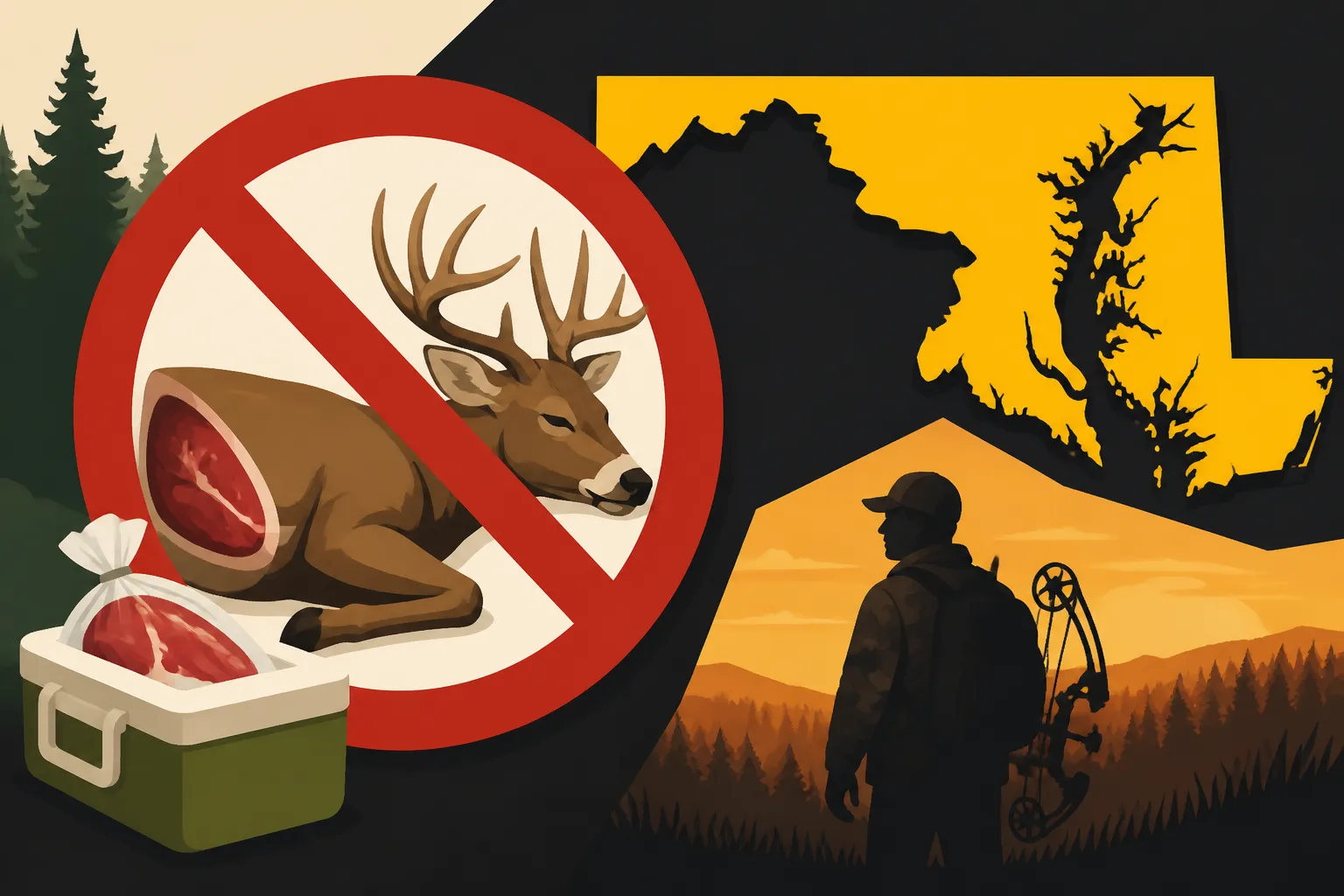
Generally speaking, you cannot import a whole carcass of any cervid (deer, elk, moose) from outside Maryland into the state, especially if it originates from an area known to have CWD. This is the big one, the rule that often catches hunters off guard. The reasoning is simple: the entire carcass, especially the brain and spinal cord, contains the highest concentration of CWD prions. If you’ve just tagged a magnificent buck in a CWD-positive county in another state, you can’t just throw it in the back of your truck and drive it home to Maryland without processing it first.
The Maryland DNR specifically defines "high-risk parts" as the brain, spinal cord, eyes, spleen, and lymph nodes. These are the tissues most likely to contain the infectious prions. Therefore, bringing these parts, or any intact carcass that includes them, across state lines into Maryland from any state with CWD is strictly prohibited. This also includes skull plates where brain tissue is still attached. It might sound draconian, but it’s a direct response to how CWD spreads and how resilient the prions are.
Exemptions for Cleaned Meat and Taxidermy
Thankfully, Maryland’s regulations aren’t meant to stop you from enjoying the fruits of your labor entirely. There are specific exemptions for processed meat and cleaned parts. You can bring the following into Maryland from another state, even if that state has CWD:
- Deboned Meat: This is the most common and safest way to transport your harvest. Once the meat is deboned, meaning all bones and nervous tissue have been removed, it is considered low-risk.
- Cleaned Skull Plates/Antlers: If you want to keep the skull plate with antlers for a trophy, it must be thoroughly cleaned. This means all brain tissue, hide, and other organic material must be removed. Typically, this is achieved by boiling or pressure washing the skull plate until only bone remains. Antlers themselves, without any skull tissue, are also permissible.
- Hides: Hides are generally allowed, provided no head or brain tissue is attached.
- Teeth: Individual teeth are usually fine.
- Finished Taxidermy Products: Once a taxidermist has fully processed and prepared a mount, it is generally considered safe to import.
It's crucial to understand these distinctions. It means you’ll likely need to either process your deer at a facility in the state you hunted, or do a thorough field dressing and deboning job yourself before heading back to Maryland. Planning for this before your out-of-state hunt is essential, perhaps even locating a reputable processor near your hunting area. If you're pondering a hunt for Black Bear Hunting in Western Maryland or even Sika Deer Hunting in Maryland's Tidal Marshes within the state, these specific import rules won't apply directly to your initial transport, but understanding them emphasizes the broader concern for disease management.
The 24-Hour Pass-Through Exception
What if you're not actually importing a carcass into Maryland, but merely driving through the state on your way to another destination? Maryland does offer a limited exception for this scenario. If you are transporting a cervid carcass from a CWD-positive area through Maryland to another state, you typically have a 24-hour window to do so, provided your final destination is outside of Maryland.
This "24-hour pass-through" rule allows hunters to transit Maryland without violating import restrictions, but it comes with strict caveats. The carcass must be fully covered and contained to prevent any parts or fluids from potentially falling off or escaping within Maryland. You cannot stop to process the animal, dispose of any parts, or generally linger in Maryland with the carcass. This exception is truly for transit only. While it provides a degree of flexibility, it underscores the strictness of the regulations and the state's desire to prevent any CWD prions from being deposited on Maryland soil. Always double-check the most current regulations, as rules like The 24-Hour Carcass Pass-Through Exception can be updated.
Here's a quick summary table of what's generally allowed and prohibited for import:
| Carcass Part Category | Allowed for Import into Maryland (from CWD-positive state) | Prohibited for Import into Maryland (from CWD-positive state) | Notes |
|---|---|---|---|
| Meat | Deboned meat | Meat with bone attached (except for specified cuts) | All bone and nervous tissue must be removed. |
| Head/Antlers | Cleaned skull plate (no tissue), antlers (detached) | Whole head, skull plate with brain/tissue, eyes | Must be thoroughly cleaned of all organic material. |
| Spine/Brain | Not applicable | Spinal column, brain | High-risk tissues, absolutely prohibited. |
| Hide | Hide without head attached | Hide with head or brain tissue attached | Ensure hide is completely separated from skull. |
| Other Organs | Not applicable | Spleen, lymph nodes | High-risk tissues, absolutely prohibited. |
| Finished Products | Finished taxidermy mounts | Unprocessed taxidermy components | Mounts must be fully preserved and free of any infectious material. |
| Whole Carcass | Only for 24-hour transit (covered) | Whole carcass for permanent import | Transit must be continuous; no stops for processing or disposal. |
Navigating CWD Management Areas Within Maryland
It's easy to get caught up in the "out-of-state" rules, but Maryland also has its own areas where CWD has been detected or is of heightened concern. These are known as CWD Management Areas (CWMAs), and they come with their own set of restrictions on carcass movement within the state. This is just as important for Maryland hunters to understand as the import rules for out-of-staters.
Identifying CWD-Affected Counties
Currently, CWD has been detected in wild deer populations in certain counties in Maryland, primarily in the western part of the state, bordering Pennsylvania. These include counties like Allegany, Garrett, Washington, and Frederick. The Maryland DNR diligently monitors these areas and designates specific boundaries for CWD Management Areas. It’s crucial for any hunter planning a trip to these regions to be aware of the exact boundaries, as regulations will apply specifically to deer harvested within them.
Before heading out, a quick check of the Maryland DNR website or consulting a resource like the GoHunt app for their detailed mapping overlays can confirm the latest CWD Management Area boundaries. These zones are established based on surveillance data and are dynamic; they can expand or shift as the disease either spreads or is contained. Ignorance of the boundaries is not an excuse, so staying informed is paramount to responsible hunting.
Restrictions on Carcass Movement Within Maryland
If you harvest a deer within a designated CWD Management Area in Maryland, there are restrictions on where you can take that carcass, even if you’re just moving it to another county within the state. The goal is the same as with import restrictions: to prevent the accidental spread of CWD prions to areas where the disease is not yet established.
Specifically, whole carcasses harvested in a CWMA generally cannot be transported out of that CWMA, or certainly not beyond a broader CWD management zone, unless certain high-risk parts (brain, spinal cord, etc.) have been removed. This means if you shoot a deer in Frederick County, you can't necessarily take the whole animal back to your home in Caroline County without proper field dressing and removal of designated high-risk parts first. The same exemptions for deboned meat, cleaned skull plates, and hides typically apply for movement within Maryland as well. This often means processing your deer locally or performing a very thorough field dressing and quartering job right at your kill site before transport. Understanding Maryland's CWD Management Area Rules is non-negotiable for hunters operating in these zones.
Local Testing and Disposal Sites
To assist hunters operating within CWD Management Areas, the Maryland DNR often establishes drop-off locations for CWD testing samples and designated disposal sites for high-risk carcass parts. These services are vital for hunters to comply with regulations while also contributing to the state's surveillance efforts. Submitting a sample for testing helps the DNR track the prevalence and spread of the disease, providing critical data for management decisions.
Disposing of high-risk parts in designated sites is a simple yet extremely effective way to prevent environmental contamination. Since CWD prions can persist in the soil, simply dumping a carcass or its parts in a random location could inadvertently create a new infection point for future deer. These specialized disposal sites ensure that any potentially infected material is handled and contained responsibly. It’s a bit more work, but it’s a shared responsibility for all hunters to protect Maryland's wildlife resources.
Practical Tips for Hunters
Understanding the rules is one thing, but actually implementing them in the field can be another challenge entirely. Hunting is often an exercise in adaptability, and dealing with carcass regulations just adds another layer to that. Here are some practical tips to help you navigate Maryland's import and internal movement restrictions smoothly.
Pre-Hunt Planning for Out-of-State Hunters
The golden rule for avoiding headaches with carcass restrictions is to plan, plan, and then plan some more. Before you even step foot in another state with your bow or rifle, you need to understand that state’s CWD status and their regulations for processing and transport. Many states require you to process your deer down to deboned meat or cleaned skull plates before you leave their borders, especially if you’re heading to a state like Maryland with strict import rules.
- Research Both States: Don't just research Maryland's rules; investigate the CWD status and carcass transport regulations of the state you plan to hunt in.
- Locate Processors: Identify reputable deer processors or taxidermists near your hunting area in the out-of-state location. Call ahead to confirm their services, hours, and ability to handle carcasses in compliance with Maryland's import rules. Some may even be familiar with the specific requirements for hunters heading to Maryland.
- Prepare for Field Processing: Pack extra game bags, a good sharp knife, a bone saw, and perhaps even a tarp if you anticipate needing to debone your deer in the field or at a temporary processing station before crossing state lines.
- Check Maryland Hunting Licenses and What They Cost and Maryland's Deer Bag Limits and Antler Rule: Ensure all your Maryland licenses and stamps are in order, even if you’re hunting elsewhere, for your eventual return.
Being prepared for the extra work involved in field processing or finding a local processor will save you immense stress and potential legal trouble at Maryland’s border. Remember, a successful hunt isn't just about bagging an animal; it's about doing everything by the book, from start to finish.
Field Dressing and Transporting Legally
When you've successfully harvested an animal, the real work begins, especially when CWD is a concern. For hunters in Maryland's CWD Management Areas or those returning from out-of-state, proper field dressing and preparation for transport are paramount.
- Early Processing: If hunting in a CWD-positive area (either in Maryland or another state), consider deboning the meat and cleaning the skull plate at the kill site or at a designated processing area before attempting to transport the carcass. This might mean quartering the animal and then carefully removing all meat from the bone.
- Separate High-Risk Parts: Explicitly remove and properly dispose of the brain, spinal cord, eyes, spleen, and lymph nodes. If you’re unsure, err on the side of caution and remove more rather than less.
- Containment: Whether you're just passing through Maryland or bringing in allowable parts, ensure all transported meat and parts are securely contained in coolers or game bags to prevent any leakage or accidental dropping of material.
- Cleanliness: Thoroughly clean all knives, saws, and other equipment after field dressing. This prevents cross-contamination, especially if you plan to process other animals.
- Documentation: Keep your hunting license, tags, and any relevant permits easily accessible. If transporting through Maryland, have documentation ready to prove your final destination is outside the state. For advice on handling game in various conditions, you might find tips in guides like Field Dressing a Deer in Warm September Weather.
Utilizing Maryland's CWD Resources
The Maryland DNR provides a wealth of information and resources to help hunters comply with CWD regulations and contribute to monitoring efforts. Don't be afraid to use them!
- DNR Website: The official Maryland DNR website is your go-to source for the most current CWD information, including maps of CWD Management Areas, testing requirements, and a list of designated disposal sites. They often have FAQs specifically addressing hunter concerns.
- Contact DNR: If you have questions or are unsure about a specific situation, don't hesitate to call your local DNR office. It's always better to ask beforehand than to face penalties later.
- Mapping Applications: Tools like GoHunt are excellent for visualizing property boundaries and often include overlays for CWD management zones, helping you understand where you are in relation to restricted areas. These apps can be invaluable for pre-hunt planning and staying compliant in the field.
- Public Meetings/Information Sessions: Keep an eye out for local DNR meetings or informational sessions about CWD. These are great opportunities to get updates directly from wildlife biologists and ask specific questions.
By actively engaging with these resources, you become a more informed and responsible hunter, playing a vital role in the ongoing effort to manage CWD and protect Maryland's cherished white-tailed deer.
Future Outlook and Ongoing Monitoring
The fight against CWD is not a static one; it’s an ongoing battle that requires continuous vigilance, research, and adaptation. Maryland, like other states, is constantly evaluating its strategies and regulations based on the latest scientific understanding of the disease.
Maryland's CWD Surveillance Program
Maryland maintains a robust CWD surveillance program that involves testing hundreds of harvested deer annually, particularly in and around known CWD Management Areas. This proactive monitoring allows wildlife biologists to track the spread of the disease, identify new cases, and assess the effectiveness of current management strategies. The program relies heavily on cooperation from hunters, who are often the first line of defense in reporting sick-looking animals or submitting samples for testing.
The state also participates in regional and national CWD research efforts, sharing data and collaborating with neighboring states like Pennsylvania and West Virginia. CWD doesn't respect state lines, so a coordinated, multi-state approach is essential for long-term management. This surveillance helps inform not just carcass restrictions but also other deer management decisions, such as Hunting Maryland's Two Deer Management Regions and potential adjustments to bag limits or season dates in affected areas.
Adapting to Evolving Regulations
As scientific understanding of CWD evolves, so too might Maryland’s regulations. What is considered a high-risk part today might be refined tomorrow based on new research. Similarly, the boundaries of CWD Management Areas can change, expanding if the disease spreads or potentially shrinking if containment efforts are successful. This dynamic nature means that hunters must commit to staying informed year after year.
The frustration of changing rules is understandable, but it's important to view these adaptations as necessary steps in protecting our wildlife. The DNR is not trying to make hunting harder; they are working to safeguard the resource that we all cherish. Hunters who actively seek out updated information, perhaps through annual regulation booklets or digital platforms like GoHunt, will be best prepared. Your diligence not only ensures your own compliance but also contributes to the collective effort to keep Maryland’s deer herds healthy for the future.
Disclaimer
The information provided in this guide is for general informational purposes only and does not constitute legal advice. Hunting regulations, including those related to carcass import and CWD management, are subject to change. Always consult the most current official Maryland Department of Natural Resources (DNR) regulations and guidelines before planning or engaging in any hunting activities. It is the individual hunter's responsibility to understand and comply with all applicable laws and regulations.