What a Maryland Hunting License Year Covers
It can be incredibly confusing trying to keep track of hunting seasons, permit deadlines, and license renewals, especially if you're new to Maryland or coming in from out of state. You've got to wonder, when you fork over your hard-earned money for that Maryland hunting license, exactly how long is it actually good for? This guide is going to clear up all that head-scratching about the Maryland hunting license year, so you can focus on what really matters: being out in the woods or on the water.
Understanding Maryland's Hunting License Year
Unlike some other states where a hunting license might be valid for a full 365 days from the date of purchase, Maryland operates on a fixed license year. This means that whether you buy your license in July or November, it will expire on the same predetermined date, tying all hunters to a common cycle. This system is designed to align seamlessly with the state's hunting seasons, which generally run from early fall through late winter and into spring. It’s a pretty standard practice for wildlife agencies, but it can definitely catch you off guard if you're not expecting it.
The Standard Validity Period
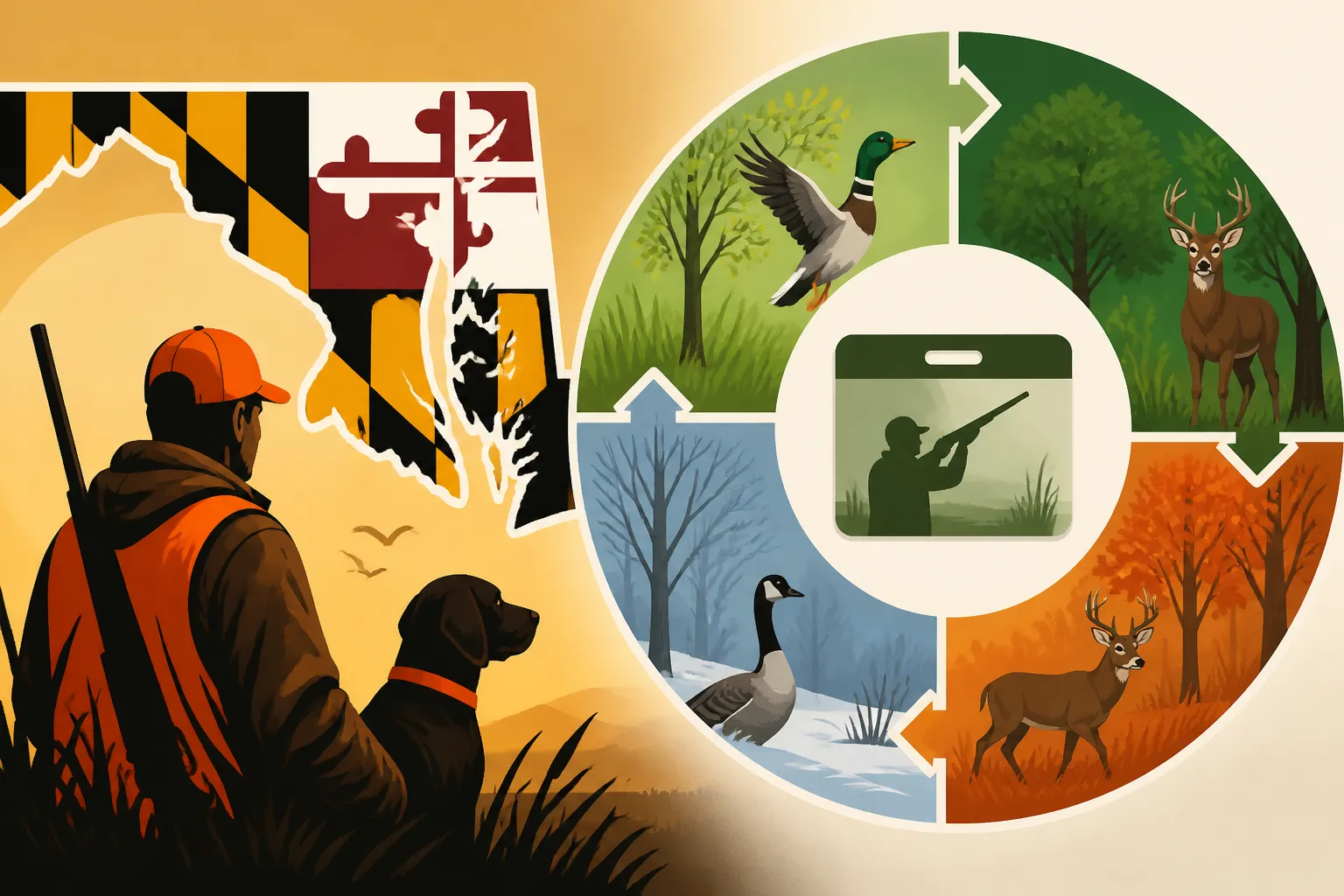
So, when does a Maryland hunting license actually kick off and wrap up? The Maryland hunting license year officially begins on July 1st and runs through June 30th of the following calendar year. This twelve-month cycle is crucial to understand because it dictates the lifespan of your annual hunting license and most of your associated stamps and permits. For example, if you purchase your license on October 1st, 2024, it will still expire on June 30th, 2025, not on October 1st, 2025. This fixed window simplifies the state's administrative efforts and helps ensure that all hunters are operating under the same set of rules and regulations for a given "hunting year," regardless of when they decide to buy their tag.
This consistent start and end date is particularly helpful when you're looking at the big picture of Maryland's various hunting opportunities. All the species' season dates, from the early dove opener to the late goose hunts, fall within this July 1st to June 30th framework. It means you don't have to calculate individual expiration dates for each license or stamp you acquire; they all march to the same beat. When you're trying to figure out Maryland's Deer Bag Limits and Antler Rule or planning for specific weapon seasons, knowing this overarching timeline is your first step.
Why the Fixed Year Matters
The fixed license year isn't just an arbitrary administrative detail; it profoundly impacts how you plan your hunting activities, manage your budget, and stay compliant with state regulations. For starters, it means you can't just "top up" your license a few months early and expect it to extend its life by a full year. Every July 1st is essentially a reset button, requiring hunters to purchase a new base license and any necessary stamps for the upcoming year. This consistency, while sometimes feeling a bit rigid, ensures that everyone is on the same page regarding valid credentials.
Think about it from a planning perspective. If you're hoping to take advantage of the Maryland Archery Season Opening Day in September, or the Maryland Muzzleloader Season Dates later in the fall, you know you need to have your current license and appropriate stamps in hand by July 1st (or whenever you decide to start hunting). This eliminates guesswork about whether your old license is still valid for a specific season. It encourages hunters to get their licenses early in the summer, well before the fall seasons kick into high gear, which also helps the Maryland Department of Natural Resources (DNR) with their revenue projections and conservation funding.
Moreover, if you use a planning tool like GoHunt, understanding this fixed year is critical for setting up your season alerts and tracking your license inventory. You can sync your GoHunt profile with the Maryland license year to receive timely reminders about renewal dates and upcoming application periods, ensuring you don't miss out on any opportunities. It's all about making sure your paperwork matches the calendar.
Key Stamps and Permits and Their Validity
Beyond the base hunting license, Maryland requires various stamps and permits for specific types of hunting. It's like building blocks for your hunting privileges, and just like the base license, these generally follow the same July 1st to June 30th validity period. It’s important to remember that these aren't standalone; they are add-ons to your base hunting license. Without a valid base license, those stamps are just pretty paper.
Annual Stamps and Specific Season Permits
Most of the common stamps you'll need for hunting in Maryland operate on the same annual cycle as your base license. For instance, if you're a bowhunter, you'll need an Archery Stamp, which is valid from July 1st to June 30th. The same goes for the Muzzleloader Stamp. If you plan on pursuing waterfowl, your Maryland Migratory Game Bird Stamp Cost is another annual purchase that lines up with the main license year, covering you for the entire waterfowl season that falls within that July-to-June period. This makes it straightforward: you buy your base license, then add the stamps for the specific hunting methods you intend to use that year.
Here’s a quick overview of some common stamps and their validity:
| Stamp/Permit Type | Validity Period | Purpose |
|---|---|---|
| Resident Hunting License | July 1 – June 30 | Required for all hunting activities |
| Archery Stamp | July 1 – June 30 | For hunting with a bow or crossbow |
| Muzzleloader Stamp | July 1 – June 30 | For hunting with a muzzleloader weapon |
| Furbearer Permit | July 1 – June 30 | For trapping various furbearing animals |
| Sika Deer Stamp | July 1 – June 30 | Required to harvest Sika deer |
| Federal Migratory Bird Stamp | July 1 – June 30 | Required for waterfowl hunting nationwide |
| Maryland Migratory Bird Stamp | July 1 – June 30 | Required for waterfowl hunting in Maryland |
| Bonus Antlered Deer Stamp | July 1 – June 30 | Allows harvest of an additional antlered deer |
As you can see, the consistency is key. When you're looking into Which Stamps a Deer Hunter Needs or what it takes to get ready for Waterfowl Hunting Maryland's Chesapeake Bay, always remember that these additions piggyback on the foundational hunting license. It's a system designed for clarity, even if it requires a thorough check each summer.
Special Lottery Applications and Preference Points
Now, while most stamps and permits align with the July 1st to June 30th license year, there are a few exceptions or nuances, particularly concerning special lotteries or preference points. The most notable example in Maryland is the Black Bear Lottery. The application period for this highly sought-after permit often occurs well before the new license year even begins, typically in the spring. If you're successful in drawing a bear permit, that permit is then tied to the upcoming hunting season, which does fall within the standard July 1st to June 30th license year.
Preference points for the bear lottery are another unique element. These points accumulate over time if you apply for the lottery but are unsuccessful. They increase your chances in future drawings. While the points themselves don't "expire" in the same way a license does, the application process for the lottery dictates when you need to activate those points and whether they roll over. It’s a distinct process from simply buying an annual stamp, requiring separate attention and adherence to specific application windows.
For these kinds of special hunts, tools like GoHunt can be incredibly valuable. They help you track your preference points, remind you of application deadlines, and even manage your application submissions, ensuring you don't miss out on those once-in-a-lifetime opportunities that fall outside the standard annual purchase window. Understanding Maryland's Black Bear Lottery details is a perfect example of when you need to pay attention to these separate timelines.
Navigating Mid-Season Purchases and Renewals
Life happens, and sometimes you don't get your license right on July 1st. Maybe you decided to pick up hunting later in the year, or perhaps you moved to Maryland partway through the season. It’s a common scenario, and thankfully, the system is set up to accommodate it, though with the understanding that the expiration date remains fixed.
Buying a License Partway Through the Year
If you decide to purchase your Maryland hunting license in, say, November, January, or even May, it will still expire on the upcoming June 30th. You won't get a pro-rated price, nor will the expiration date shift to a year from your purchase date. You're buying into the current license year. This is a critical point that can sometimes frustrate new hunters who expect a full year of validity. However, it’s the standard practice.
For example, if you moved to Maryland in October and decide you want to try Sika Deer Hunting in Maryland's Tidal Marshes, you'll buy your license and Sika stamp then. Those will be valid for the remainder of that license year, through June 30th. Come July 1st, you'll need to renew them, just like everyone else. The benefit here is convenience; you can hop into the current season without a problem. The drawback is that if you buy late in the license year (e.g., in April or May), you’re paying for a full year’s license even though you’ll only use it for a couple of months before it expires.
This fixed system is why many experienced hunters, or those planning to pursue Maryland's Split Firearms Deer Season, make sure to get their licenses and stamps early in the summer. It ensures they maximize their hunting opportunities for the full July 1st to June 30th period and avoid any last-minute rushes or surprises. You can purchase your license through the state’s online system, COMPASS, or at various vendors across the state. Learning about Buying a Maryland License Through COMPASS is an essential step for any Maryland hunter, new or old.
Renewing for the Upcoming Season
Renewing your Maryland hunting license is generally a straightforward process. As the June 30th expiration date approaches, typically in late spring or early summer, the Maryland Department of Natural Resources (DNR) will open up renewals for the upcoming license year. This usually happens in late May or early June. You can then go online through the COMPASS system or visit a local license agent to purchase your new license and any required stamps for the period starting July 1st.
Many hunters make it a point to renew their licenses well in advance of the July 1st start date. This ensures they are fully prepared for early seasons, such as the initial archery deer season or squirrel season, which often kick off in September. It also alleviates the stress of scrambling at the last minute, especially if you plan on Hunting Maryland's September Archery Opener. The grace period for renewals is essentially non-existent; come July 1st, if you haven't renewed, your license from the previous year is no longer valid.
A simple way to manage this is to set a reminder on your calendar for early June each year. That's your cue to check in with the DNR's COMPASS system or an authorized vendor. Many hunters also keep an eye on official DNR communications or use apps like GoHunt that can provide automatic reminders when renewal periods open, ensuring they never miss a beat.
Practical Considerations for Maryland Hunters
Knowing the license year is one thing, but practically applying that knowledge to your hunting life takes a little more thought. It’s about more than just remembering a date; it’s about integrating it into your routine and leveraging tools to make your hunting experience smoother.
Checking Your License Validity
One of the most important things you can do as a Maryland hunter is to regularly check the validity of your license and stamps. Even if you think you’ve got it all sorted, a quick check before heading afield can save you a lot of grief. The best way to do this is through your online account on the Maryland DNR's COMPASS portal. Once logged in, you can view all your purchased licenses, stamps, and permits, along with their respective validity dates. This is an excellent habit to develop, especially when you're preparing for different phases of the deer season, like Hunting the Rut in Early to Mid November.
Another handy way to ensure you're covered is to utilize the option of Carrying Your License on Your Phone. While many still prefer a physical copy, having a digital version accessible on your smartphone provides a quick reference and backup. Just make sure your phone is charged! This verification process isn't just about avoiding a fine; it's about ensuring you're legally prepared for every outing and contributing to the conservation efforts funded by your license purchase. Enforcement officers can and will ask to see your license, and having it readily available and valid is crucial.
Furthermore, if you are planning to hunt on public lands, some areas may require additional free permits or check-in procedures, which also align with the same license year. For example, some Wildlife Management Areas (WMAs) may require a Public Land Permit. Always check the specific regulations for the area you intend to hunt, as these details can change.
Planning Ahead for Multi-Year Hunts
Understanding the fixed Maryland hunting license year also helps with long-term planning, particularly if you have aspirations for multi-year hunting goals or specific species. For instance, if you're a new hunter, you might be interested in Maryland Hunter Education Requirements, which is a prerequisite before you can even purchase your first license. Once you complete that, you’ll be ready to jump into the annual cycle.
If you’re pursuing specific animals that might require careful management of your tags, such as antlered deer under Maryland’s antler restriction rules, you’ll want to be aware of how the annual bag limits reset with each new license year. Each July 1st, your allocation of deer tags refreshes, allowing you to plan your strategy for the coming fall, winter, and spring seasons. This cyclical reset means that while you might be limited to a certain number of antlered or antlerless deer within one license year, that count starts over with the new year.
For hunters who are managing private land or participating in co-op programs, this annual reset is also key for coordinating with landowners and ensuring all participants are properly licensed for the upcoming season. Utilizing mapping tools that integrate license year information, like some features available through GoHunt, can help you visualize your hunting grounds and season timing, making sure all your planning aligns with Maryland's regulations. Being proactive and understanding this consistent framework allows you to be a more effective, compliant, and ultimately, successful hunter in Maryland.
Disclaimer
Please remember that hunting regulations, license fees, and season dates can change. Always consult the official Maryland Department of Natural Resources (DNR) website or their latest hunting guide for the most accurate and up-to-date information before planning your hunt. This guide is for informational purposes only and should not be considered a substitute for official DNR publications.