How Many Antlerless Deer Region B Allows
Navigating Maryland's deer hunting regulations can sometimes feel like trying to untangle a stubborn fishing line, especially when it comes to understanding antlerless deer limits across different regions. For many hunters, figuring out exactly how many does they can harvest in Region B is a common point of confusion, leading to uncertainty and missed opportunities. This comprehensive guide is here to clear up that confusion, explaining the specific antlerless deer limits for Maryland's Region B, why these limits are in place, and how you can make the most of your hunting season while staying compliant with the law.
Understanding Maryland's Deer Management Regions
Maryland's Department of Natural Resources (DNR) doesn't manage the entire state's deer herd with a single, blanket set of rules. Instead, the state is divided into two distinct deer management regions: Region A and Region B. This regional approach acknowledges the diverse landscapes, varying deer populations, and differing human impacts across Maryland, allowing for more tailored and effective management strategies.
What Defines Region B?
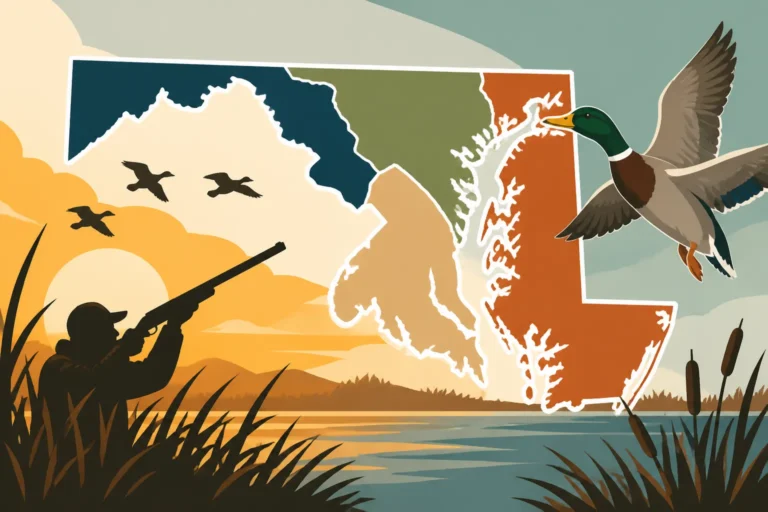
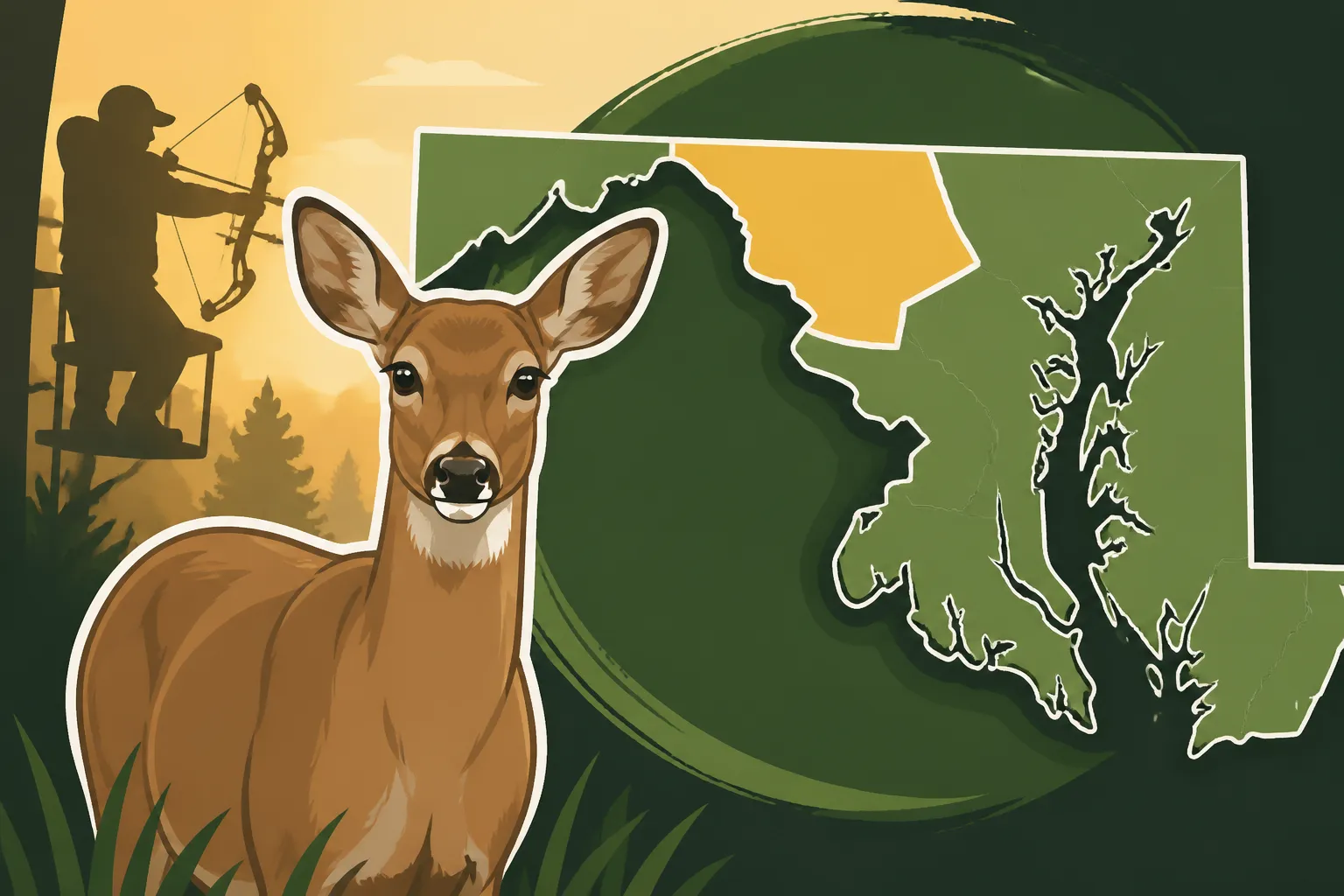
Region B encompasses the majority of Maryland, covering the state's central, southern, and eastern areas. This includes most of the Chesapeake Bay watershed, the Eastern Shore, and the more populated suburban and agricultural areas surrounding Baltimore and Washington D.C., as well as the Southern Maryland counties. Essentially, if you're not hunting in the rugged, mountainous terrain of Western Maryland (which is Region A), you're likely in Region B.
The key characteristic of Region B is its higher human population density and extensive agricultural lands. Deer here often have abundant food sources from crops, residential landscaping, and suburban green spaces. While this can lead to robust deer populations, it also brings a greater potential for human-wildlife conflicts, such as crop damage, deer-vehicle collisions, and landscape destruction. This is why the management goals for Region B often prioritize maintaining deer populations at levels that reduce these conflicts, leading to more liberal antlerless deer harvest opportunities. Understanding this distinction is crucial; what applies to Region A's more remote, less populated areas, like when considering What makes Region A Different for Deer Hunters, often doesn't apply to Region B.
The Importance of Antlerless Harvest in Region B
Harvesting antlerless deer, or does, is the cornerstone of effective deer population management, especially in areas like Region B where deer numbers can quickly grow out of balance. While taking a big buck is often the primary goal for many hunters, removing does directly impacts the reproductive potential of the herd. Each doe harvested means fewer fawns born the following spring, which helps to stabilize or reduce the overall deer population.
In Region B, this is particularly vital for several reasons. High deer densities can lead to overbrowsing of natural vegetation, impacting forest regeneration and the health of other wildlife species. It also exacerbates issues for farmers who face significant crop damage, and for suburban homeowners dealing with damaged gardens and shrubs. Furthermore, a dense deer population increases the risk of deer-vehicle accidents, posing a safety concern for drivers across the state. By encouraging a healthy antlerless harvest, the Maryland DNR empowers hunters to be active participants in maintaining a balanced ecosystem and mitigating human-deer conflicts. Without sufficient antlerless harvest, deer populations can quickly outstrip their food supply, leading to poor health for the herd and increased disease transmission.
Decoding Antlerless Deer Bag Limits in Region B
Now, let's get down to the specifics that brought you here: how many antlerless deer you can actually take in Maryland's Region B. The rules are designed to be quite generous, reflecting the DNR's ongoing efforts to manage a healthy, sustainable deer population that coexists with human communities.
The Standard Antlerless Deer Bag Limit
For hunters in Region B, the general antlerless deer bag limit is often quite liberal, often allowing for up to an unlimited number of antlerless deer during the statewide archery and muzzleloader seasons, and generally a high number during the firearms season. This "unlimited" capacity typically means that if you possess the necessary hunting license and stamps (like the Archery Stamp or Muzzleloader Stamp), you can continue to harvest antlerless deer as long as you properly register each animal and have the physical capability to process and utilize the meat.
It's important to remember that while the limit might be unlimited, you still need to follow the specific regulations for each weapon season. For instance, during Maryland's Long Archery Season, you have ample time to fill your freezer with venison. Similarly, the Muzzleloader Deer Hunting in Maryland offers another excellent opportunity. Always consult the current year's Maryland Guide to Hunting and Trapping, available online through the DNR, or utilize an app like GoHunt to stay informed about any potential changes or specific county restrictions. These resources are invaluable for clarifying nuances in regulations that might not be immediately obvious.
Here's a general overview of antlerless limits in Region B by weapon season:
| Weapon Season | Region B Antlerless Deer Limit | Notes |
|---|---|---|
| Archery Season | Unlimited | Requires an Archery Stamp. Antlerless deer can be harvested throughout the entire archery season. |
| Muzzleloader Season | Unlimited (Generally) | Requires a Muzzleloader Stamp. This applies to both the October and December/January muzzleloader periods. |
| Firearms Season | Varies, usually 10-15 per hunter | Requires a Firearms Hunter Stamp. The exact limit often depends on whether you're using a standard deer tag or participating in specific programs like Deer Management Permits. Check current year regs. |
| Youth Deer Hunts | Unlimited | Special opportunities for junior hunters, often preceding general season openers. |
Note: While "unlimited" is commonly used, always refer to the official DNR regulations for the precise wording and any specific conditions that may apply. The general firearms season has a more defined bag limit for antlerless deer, but this can still be substantial, and additional opportunities exist.
Maximizing Your Antlerless Harvest: Bonus Tags and Special Permits
Maryland understands the need to actively manage its deer population, especially in Region B. To encourage higher antlerless harvests, the state provides several mechanisms beyond the standard limits.
One common way to increase your antlerless take is through Deer Management Permits (DMPs). These permits are typically issued to landowners, farmers, or land managers experiencing significant deer damage to crops or property. Hunters participating in these programs, often through landowner permission or specific managed hunts, can be authorized to harvest additional antlerless deer beyond the standard limits. These hunts are a fantastic way to contribute directly to local deer management goals while also putting more venison in your freezer. If you're looking for Hunting a Maryland Farm Lease Your First Season, inquiring about DMP opportunities could be highly beneficial.
Another program that allows for an increased antlerless harvest is the Bonus Antlered Deer Stamp. While the name might sound like it's only for bucks, purchasing this stamp actually unlocks additional antlerless deer opportunities in Region B. Typically, a hunter with this stamp can harvest an additional antlerless deer beyond their regular antlerless bag limits. This is a clever way the state encourages hunters to manage the doe population while still allowing for that coveted second buck tag.
Furthermore, many suburban deer management hunts and special public land hunts, particularly those in state parks or local municipalities, are specifically designed to reduce deer populations and often come with very liberal or unlimited antlerless bag limits. These hunts are a prime example of where you can contribute significantly to herd control. Using a sophisticated hunting app like GoHunt can be incredibly helpful for locating these special hunt opportunities, understanding their specific regulations, and even overlaying property lines or hunt zone boundaries right on your map. It takes the guesswork out of finding those harder-to-access, but often fruitful, spots. For those interested in Hunting Maryland's Suburban Deer Management Hunts, these permits are often central to the process.
Practical Considerations for Antlerless Hunting in Region B
Successfully hunting antlerless deer in Region B isn't just about knowing the limits; it's about understanding deer behavior, scouting effectively, and making ethical choices in the field. Region B's unique landscape presents both challenges and opportunities that savvy hunters can leverage.
Finding Antlerless Deer Opportunities
Antlerless deer, particularly does, tend to congregate where food and cover are plentiful, and these areas are abundant throughout Region B. Look for agricultural edges, especially fields of corn, soybeans, or alfalfa, where deer will feed heavily. The transition zones between these fields and dense woodlots or thickets are classic bedding and travel areas. Suburban woodlots, even small ones, can hold surprisingly high numbers of deer, especially if they are close to residential areas offering lush landscaping for browse. Creek bottoms, powerline cuts, and old overgrown fields also serve as excellent travel corridors and feeding grounds.
Effective scouting is paramount. Don't just show up on opening day. Spend time before the season using tools like GoHunt's satellite imagery to identify likely hotspots, pinch points, and bedding areas. Look for fresh tracks, droppings, and browse lines. Consider setting up trail cameras to monitor deer movement patterns. Remember, deer in Region B, especially those living close to human development, can be highly nocturnal or extremely wary, so understanding their daily routines is key. Hunting during prime times like early morning or late evening, or during periods of inclement weather, can often increase your chances. For those curious about Scouting Maryland Public Land Before Season, these principles apply universally.
Ethical Considerations and Herd Management
As hunters, we hold a vital role in wildlife conservation. When harvesting antlerless deer, it's important to make ethical choices that benefit the overall herd. While the goal is population control, indiscriminately shooting the first deer you see isn't always the best strategy.
Consider targeting mature does. These older females are often the primary breeders and matriarchs of the herd, and removing them has a more significant impact on population dynamics than taking a young doe. Additionally, by removing mature does, you help ensure that younger, healthier deer have access to better food resources. Passing up fawn does, particularly late in the season, allows them to grow and potentially contribute to the herd in future years, if the local population can sustain it. The goal is always to harvest responsibly, ensuring the health and sustainability of the deer population for future generations. Remember, every deer you harvest contributes to valuable population data for the DNR, so accurate registration is critical. If you're hunting in areas with Sika deer, be mindful of their smaller size, as detailed in Why Sika Deer Run Smaller Than Whitetails, and ensure you can properly identify your target.
Staying Up-to-Date with Maryland Regulations
The world of hunting regulations is rarely static. What's true this season might see subtle or even significant changes next year, making it crucial for every hunter to prioritize staying informed. This is especially true for antlerless deer limits in Region B, which are often adjusted based on current deer population data, agricultural damage reports, and public safety concerns.
Why Regulations Change and How to Keep Up
Deer population dynamics are complex and can be influenced by a myriad of factors: harsh winters, mild springs, disease outbreaks like EHD (Epizootic Hemorrhagic Disease), habitat changes, and even changing agricultural practices. The Maryland DNR constantly monitors these factors, collecting harvest data, conducting aerial surveys, and analyzing biological samples to get an accurate picture of the deer herd's health and density. Based on this scientific data, they make informed decisions about bag limits, season dates, and special permit opportunities for the upcoming year. For instance, an increase in deer-vehicle collisions in a specific county might prompt a more liberal antlerless limit there.
To stay current, your most reliable source is always the official Maryland Guide to Hunting and Trapping, published annually by the DNR. This guide is usually available in print at license agents and online as a PDF. Make it a ritual to review this document thoroughly before each hunting season, paying close attention to any changes in deer regulations, especially for Region B. Don't rely solely on word-of-mouth or last year's knowledge; a quick check can prevent a costly mistake. Beyond the annual guide, the DNR website often posts news releases and updates throughout the year, so it's a good idea to visit it periodically.
Using Technology to Navigate Regulations
In today's digital age, hunters have powerful tools at their fingertips to help them navigate complex regulations. While the official DNR guide is the ultimate authority, mobile apps and online platforms can significantly enhance your ability to stay informed and plan your hunts effectively.
Tools like GoHunt offer comprehensive mapping features that can show you public land boundaries, property lines, and even overlay specific hunting zones or CWD management areas. Many such apps also provide direct links to state regulations or compile key information in an easily searchable format. Imagine being able to quickly verify the antlerless limit for the specific piece of public land you're hunting, or confirm if a particular county has special rules – all from your phone in the field. This capability is invaluable for hunters who might be exploring new areas, or for those who simply want to double-check a regulation before making a critical decision. These apps can also aid in confirming Maryland's Sunday Hunting Rules by County, which can sometimes add another layer of complexity to planning your hunt. Always remember that while technology is a great aid, it should complement, not replace, your understanding of the official state regulations.
No matter if you're Hunting Maryland's Chesapeake Bay or deep in the woods after deer, staying informed and adapting to changes is part of being a responsible hunter. Being precise with your knowledge of limits, especially for antlerless deer in Region B, ensures you're not only successful but also contributing positively to Maryland's wildlife conservation efforts.
Disclaimer
Please remember that hunting regulations can change. Always consult the most current Maryland Department of Natural Resources (DNR) hunting guide or website for the official and most up-to-date information before planning and executing any hunt. This article is intended for informational purposes only and should not be considered a substitute for official legal guidance or regulations.