When Maryland’s Fall Turkey Season Runs
Many Maryland hunters get so focused on deer season or the fast-paced action of early goose hunting that they completely overlook the fantastic opportunities that fall turkey season presents. It's easy to get caught up in the allure of big game, but missing out on the unique challenge and reward of a fall gobbler would be a real shame! If you've ever wondered when Maryland's fall turkey season runs, what the rules are, or how to even approach it, this comprehensive guide is here to clear up all that confusion and set you up for success.
Understanding Maryland's Fall Turkey Season Dates
Unlike the spring, which is almost entirely dedicated to chasing vocal, strutting gobblers, the fall turkey season in Maryland offers a different kind of challenge and a different set of dates. It's not a uniform, statewide opener that everyone shares, which can sometimes trip up even experienced hunters.
The General Season Framework
Maryland's fall turkey season is typically a split season, meaning it's broken into different periods, and crucially, it varies by region. The Maryland Department of Natural Resources (DNR) designs these seasons to align with turkey behavior, harvest data, and overall population management. Generally speaking, you'll find fall turkey hunting opportunities available across most of the state, but the exact weeks or days you can hunt will depend on where you are. It’s absolutely vital to check the current year’s Maryland Guide to Hunting & Trapping for precise dates, as these can shift slightly from year to year. For many, the fall turkey season serves as an excellent way to extend time in the woods after the initial deer archery opener or as a fantastic break from the intense focus on waterfowl.
Most often, the season will include a period in October and another in November or even early December, particularly in the western counties. These periods are strategically placed to coincide with traditional hunting seasons for other species, allowing hunters to diversify their pursuits. If you’re planning a fall hunt, knowing these windows well in advance allows you to plan your time off, scout effectively, and make sure all your gear is ready to go. The fall season provides a unique chance to target these birds before they really buckle down for winter, often when they are still actively feeding and ranging across larger areas.
Regional Variations and Specific Dates
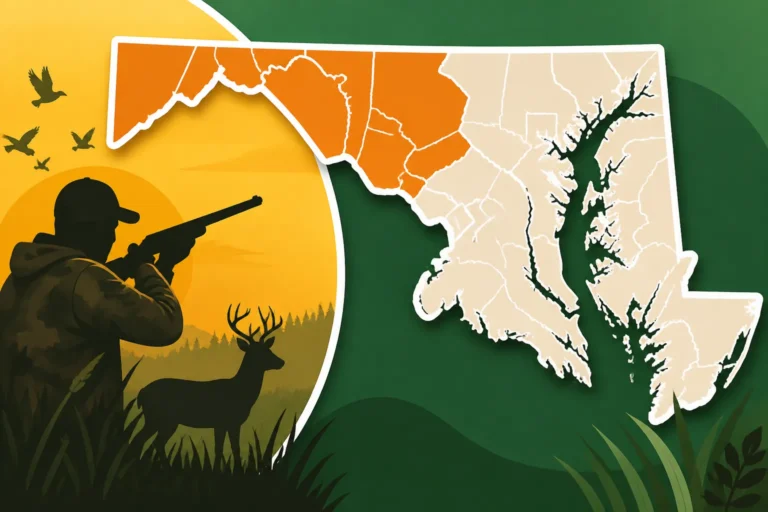
Maryland is broadly divided into hunting regions, primarily Region A (Allegany, Garrett, and Washington counties) and Region B (all other counties). These regional distinctions are incredibly important for deer hunters, and they apply to fall turkeys as well, though sometimes with slightly different county groupings or date structures. Historically, the Western Maryland counties (Region A) have a more extended or earlier fall turkey season segment, often opening in mid-October and running for a week or so, followed by another segment later in the season.
For hunters outside of those western counties, in what's typically considered Region B, the fall turkey season generally begins later, often in mid-November. This timing often puts it right in the thick of Maryland's firearms deer season, which can create some interesting considerations regarding hunting pressure and safety. Understanding these nuances is crucial. For instance, you might find that while the bowhunting opportunities are open broadly, firearms seasons for turkey are much more restricted in duration and location. Always double-check the specific dates for your county to ensure you're hunting legally and safely. For detailed information on county-specific rules, consult the Maryland DNR website or the current hunting guide. Knowing these specific details is just as important as knowing Maryland Turkey Seasons and Permits themselves.
Key Regulations and Bag Limits for Fall Turkeys
Hunting fall turkeys in Maryland comes with its own set of rules and limitations that are different from the more commonly understood spring season. It’s not just about when you can hunt, but also how and what you can harvest. Ignoring these can quickly turn a great day afield into a costly mistake.
Legal Hunting Hours and Permitted Weapons
When you're chasing fall turkeys in Maryland, the legal hunting hours generally follow the standard rules for upland game, which is typically from one half-hour before sunrise to one half-hour after sunset. This generous window allows for morning roost hunts and evening feeding forays, providing ample opportunity to catch birds moving. However, it's always a good practice to verify these times for your specific hunt date, as sunrise and sunset shift throughout the season.
Regarding permitted weapons, Maryland allows shotguns, vertical bows, and crossbows for fall turkey hunting. For shotguns, you're generally limited to 10-gauge to 20-gauge, and the shot must be composed of shot sizes 4, 5, 6, 7, or 7.5, or a mixture of these sizes. This ensures an ethical kill while preventing the use of excessively large shot. Airguns and muzzleloaders are typically not legal for turkey in Maryland, so leave those at home for your turkey pursuits. For archers, ensure your equipment meets the state's minimum draw weight requirements, and you're using legal broadheads. It's always smart to review the current regulations on Maryland's Legal Weapons by County to avoid any misunderstandings.
Bag Limits and Tagging Requirements
One of the most significant differences between spring and fall turkey hunting in Maryland is the bag limit and sex restriction. For the fall season, the statewide bag limit is typically one (1) turkey of either sex. This means you are legally allowed to harvest a hen or a gobbler. This "either sex" rule is a major departure from the spring, where only bearded turkeys (typically adult gobblers) are legal. This makes the fall hunt a bit less restrictive in terms of target selection, as you’re looking for any turkey, not just a specific male. However, it's still crucial to be absolutely certain of your target and have a clear shot.
Once you’ve successfully harvested a turkey, the next critical step is registration. Maryland requires all harvested turkeys to be registered within 24 hours of the kill. This can be done conveniently through the Maryland DNR’s COMPASS portal online or via their mobile app. You’ll need to provide details about the date, time, location (county and management region), and weapon used. After successful registration, you’ll receive a confirmation number that serves as your legal tag for that bird. This process is similar to registering a deer and is something you should prepare for immediately after your successful hunt, just like when Registering a Maryland Deer by Phone or App.
Tactics and Considerations for a Successful Fall Turkey Hunt
Fall turkeys behave quite differently than their spring counterparts. Gone are the days of booming gobblers answering every call; instead, you're dealing with flocks that are focused on food and survival, making scouting and strategy paramount.
Locating Fall Flocks
The biggest shift in fall turkey hunting is the birds’ social structure. Instead of dispersed, territorial gobblers, you'll find turkeys organized into larger flocks. These can be hen flocks with their poults (young turkeys), jake flocks, or even bachelor groups of adult gobblers. Their primary focus in the fall is finding food to fatten up for winter. This means their movements are largely dictated by available mast crops like acorns, beechnuts, and wild grapes, as well as waste grain in agricultural fields. Scouting is absolutely critical for finding these concentrations of food and, by extension, the turkeys.
When you're scouting, look for fresh scratchings in the leaves, especially under oak or beech trees. Turkeys will vigorously rake through the leaf litter to uncover acorns and other edibles. Also, keep an eye out for droppings, dusting bowls, and tracks. Using aerial maps, like those found on a platform such as GoHunt, can be invaluable for identifying potential food sources, such as stands of mature oaks or agricultural fields, and helping you pattern where turkeys might be moving between roosting and feeding areas. Don't forget to investigate creek bottoms and other areas with diverse vegetation, as these can hold various food sources throughout the fall. Understanding What Maryland Turkeys Eat in Fall will significantly improve your scouting efforts.
Calling Strategies and Setup
Fall turkey calling is an art form distinct from spring calling. Instead of aggressive gobbler yelps, you’ll focus on imitating the sounds of a lost or scattered flock. The "kee-kee run" of a lost poult is often the most effective call, designed to reassemble a dispersed flock. Another common strategy is to purposefully "break up" a flock by running towards it, causing the birds to scatter in all directions. Once they've dispersed, find a good hiding spot and begin making soft kee-kees, clucks, and lost hen yelps to draw them back in.
Setting up for fall turkeys requires patience and good concealment. Turkeys often travel in groups, so you need a setup that allows for multiple birds to approach without spotting you. Setting up near known feeding areas, along field edges, or in funnel points between woodlots and fields can be highly effective. If you can locate a roost, getting in silently before dawn and calling as birds come off the roost can also be productive. Remember that fall turkeys are inherently wary; they’ve survived a few months of hunting pressure already. Unlike spring gobblers that might commit hard, fall birds often approach cautiously, so your camouflage and stillness are key.
Weather and Environmental Factors
Weather plays a significant role in fall turkey behavior, much like it does for deer. A crisp, clear fall morning after a cold front can get turkeys moving and feeding actively. Overcast days or light rain might keep them slightly more sheltered, but they will still move to feed. Heavy rain or strong winds, however, can make hunting more challenging. Turkeys tend to hunker down in thick cover during severe weather, and their hearing is impaired, making calling less effective.
The changing foliage of autumn also impacts hunting. As leaves fall, visibility increases, which can be both a blessing and a curse. It allows you to see further, but also makes it easier for turkeys to spot you. Use the remaining cover wisely and be especially mindful of your silhouette. Understanding these environmental factors, along with knowing When Maryland's Fall Turkey Season Runs, can help you choose the best days and times to be in the woods, increasing your chances of success.
Essential Gear for Maryland Fall Turkey Hunters
Having the right gear for fall turkey hunting can make a huge difference in comfort, concealment, and ultimately, success. It’s more than just a shotgun and some calls; it’s about being prepared for the environment and the birds you’re pursuing.
Clothing and Camouflage
Full camouflage is absolutely paramount for fall turkey hunting. Turkeys have exceptional eyesight, particularly when it comes to detecting movement and unnatural shapes. You’ll want head-to-toe camo, including a face mask or face paint and gloves, to break up your human outline completely. Earth-toned patterns that mimic the fall woods, with browns, grays, and muted greens, are ideal. Many hunters find that a blend of "leafy" or 3D camo breaks up their form even further, helping them melt into the background.
Layering is also crucial for fall hunting in Maryland. Mornings can be quite chilly, especially in October and November, but temperatures can warm up considerably by midday. Start with a moisture-wicking base layer, add insulating layers like fleece or wool, and top it off with a windproof and water-resistant outer layer. This allows you to shed or add clothing as needed throughout the day, ensuring you stay comfortable and focused. Unlike deer season, blaze orange is not typically required while still-hunting for turkeys in Maryland, but it's always a good idea to wear it when walking to and from your hunting spot, especially if other firearms seasons are open. When you’re walking, especially on public land, wearing some blaze orange is just plain smart. Always consult the current regulations for specific requirements, particularly during times that overlap with Maryland's Split Firearms Deer Season.
Shotguns, Ammunition, and Archery Equipment
For shotgun hunters, a reliable 12-gauge or 20-gauge shotgun is the workhorse of turkey hunting. While 10-gauge is also legal, it's less common. The key is to pattern your shotgun with your chosen ammunition to understand its effective range and shot density. Full or extra-full choke tubes are generally recommended to produce a tight pattern that ensures a clean kill on a turkey's head and neck. As for ammunition, modern turkey loads with shot sizes 4, 5, 6, or 7 are highly effective. Many hunters use specialized blends of different shot sizes for optimal performance.
Archery equipment for fall turkeys is similar to what you'd use for deer. A bow with sufficient draw weight (typically 40+ lbs) and sharp, fixed-blade or mechanical broadheads are essential. Remember that turkeys present a smaller vital area than deer, and precision is key. Many bowhunters opt for larger cutting diameter mechanical broadheads to maximize impact. Regardless of your weapon choice, practicing regularly is non-negotiable. Patterning your shotgun or shooting your bow ensures you're confident and capable when that fall flock comes into range. For those interested in expanding their archery skills, exploring topics like Bowhunting Maryland's Long Archery Season can provide valuable insights.
Navigating Public and Private Land Access for Fall Turkeys
Finding a place to hunt fall turkeys in Maryland can sometimes feel like a puzzle. Whether you prefer the solitude of public land or the exclusivity of private parcels, understanding your options is the first step.
Public Land Opportunities
Maryland boasts a number of excellent public hunting areas that hold healthy turkey populations. State Forests like Savage River State Forest or Green Ridge State Forest in Western Maryland, and Wildlife Management Areas (WMAs) like Idylwild or Millington on the Eastern Shore, offer vast tracts of land open to public hunting. However, public land often comes with increased hunting pressure, especially during popular fall seasons. To increase your odds, be prepared to walk further than most, delve into harder-to-reach areas, and use detailed mapping tools.
Platforms like GoHunt provide invaluable satellite imagery and public/private land overlays, helping you identify potential turkey hotspots away from roads and easy access points. They can help you scout from your couch, identifying likely roosting areas, prominent mast crop locations, and natural funnels that turkeys might use. Remember that some WMAs might require special permits or have specific regulations, so always check with the Maryland DNR before you go. Taking the time for Scouting Maryland Public Land Before Season is a proven strategy for success on these properties.
Gaining Private Land Access
Hunting private land often offers less pressure and potentially higher success rates for fall turkeys. The key, however, is gaining permission. This isn't always easy, but a respectful and thoughtful approach can open many doors. Start by identifying potential turkey habitat on private parcels near you using mapping tools, including GoHunt, which can sometimes provide landowner information for research purposes. Then, make a direct, polite approach to the landowner.
When asking for permission, be prepared, well-mannered, and clear about your intentions. Offer to share your harvest, help with chores, or assist with any wildlife management needs they might have. Building a good relationship based on trust and respect is crucial. Many landowners are receptive to allowing hunting, especially if they have nuisance turkeys or simply enjoy having responsible hunters on their property. Remember to always get permission in writing if possible, and leave the property better than you found it. Hunting private land can provide excellent opportunities to pursue birds away from the crowds, often leading to a more relaxed and productive hunt. If you're looking into managing expectations and responsibilities on private ground, consider learning more about Hunting a Maryland Farm Lease Your First Season.
| Fall Turkey Season Details | Western Maryland (Allegany, Garrett, Washington Counties) | Other Maryland Counties (Region B) |
|---|---|---|
| General Season Dates | Mid-October to late October, then Mid-November to early December | Mid-November to late November |
| Bag Limit | 1 turkey of either sex | 1 turkey of either sex |
| Legal Hunting Hours | One half-hour before sunrise to one half-hour after sunset | One half-hour before sunrise to one half-hour after sunset |
| Legal Weapons | Shotgun (10, 12, 16, 20 gauge, shot size 4-7.5), Vertical Bow, Crossbow | Shotgun (10, 12, 16, 20 gauge, shot size 4-7.5), Vertical Bow, Crossbow |
| Registration Required | Yes, within 24 hours via COMPASS | Yes, within 24 hours via COMPASS |
Disclaimer
Please remember that hunting regulations, season dates, and bag limits are subject to change annually. Always consult the most current Maryland Guide to Hunting & Trapping, published by the Maryland Department of Natural Resources (DNR), before planning and participating in any hunting activity. This guide is for informational purposes only and does not supersede official state regulations.