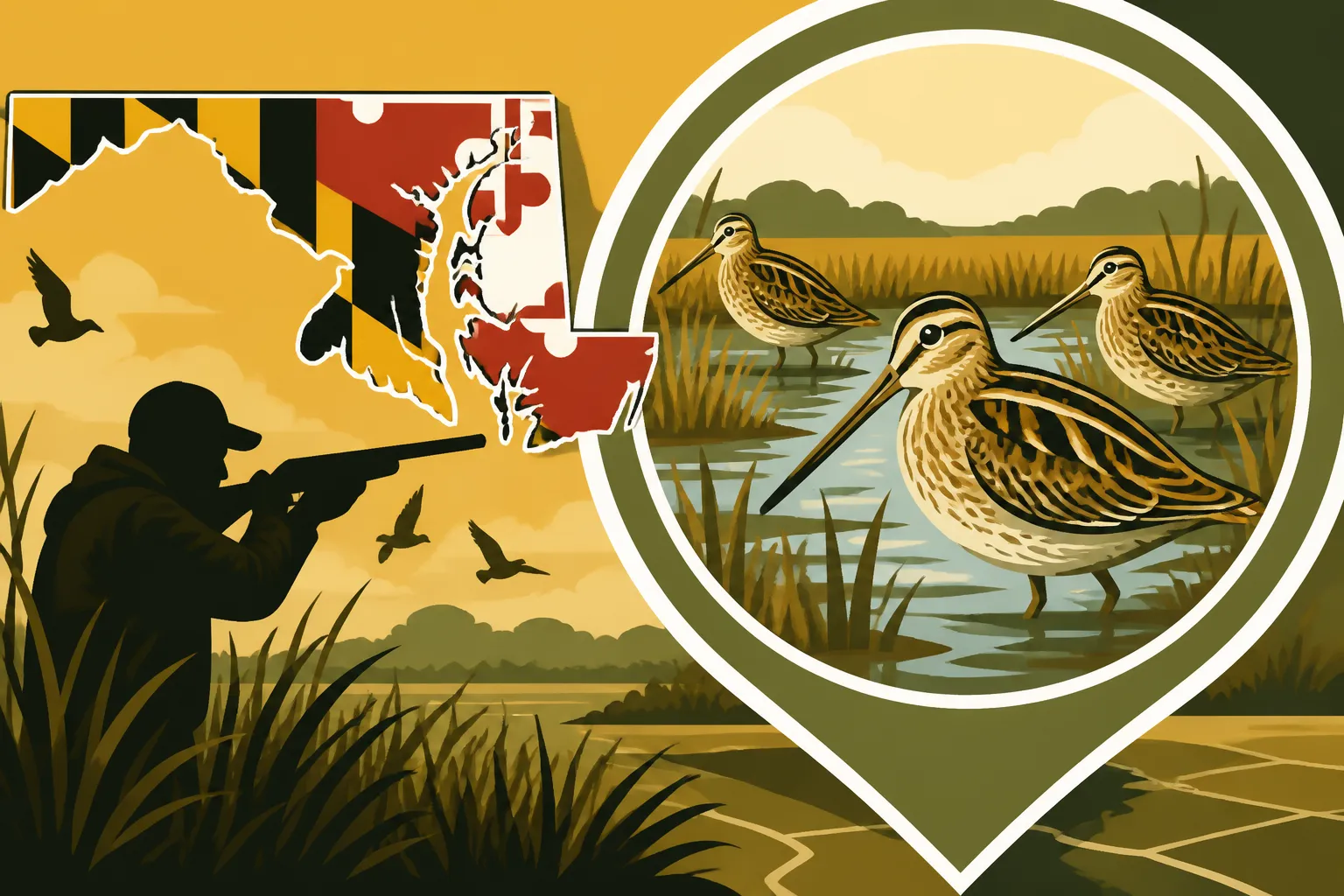
Where Maryland Snipe Concentrate
Finding snipe in Maryland can feel like chasing ghosts sometimes, can't it? These tiny, fast-flying migratory game birds are notoriously elusive, and if you just wander into any old field, you'll likely come up empty-handed. But with a bit of savvy about their habits and preferred hangouts, you can dramatically increase your chances. This guide will help you understand where these incredible birds concentrate their efforts across Maryland, so you can spend less time guessing and more time experiencing those thrilling flushes.
Understanding Snipe Habitat in Maryland
Snipe aren't like deer that need big tracts of timber, or turkeys that roam open woods. They are creatures of specific, often transient, wet environments. If you want to find snipe, you have to think small, wet, and muddy.
The Allure of Wet, Muddy Bottoms
The absolute cornerstone of snipe habitat in Maryland is wet, muddy ground. We're talking about areas that are consistently saturated, often with standing water just a few inches deep, or at least a good squish underfoot. These aren't deep ponds or raging rivers, but rather the margins and shallow expanses where the soil is constantly moist. Why this obsession with wet mud? It's all about their diet. Snipe are insectivores, primarily probing the soft earth with their long bills for worms, insect larvae, and small crustaceans. Hard, dry ground simply doesn't offer the easily accessible buffet they crave, nor does it provide the kind of soft cover they prefer for hiding. Think about the edges of agricultural fields after a good rain, shallow flooded depressions, or the muddy banks of slow-moving streams. These are the kinds of spots where a snipe can really dig in and feel at home.
Beyond just food, these muddy areas provide critical camouflage. Their intricately patterned plumage, a beautiful mosaic of browns, blacks, and buffs, blends perfectly with dead grass, mud, and sparse vegetation. When they hunker down, they virtually disappear, only flushing when you're almost on top of them, often giving you a heart-stopping moment before they zig-zag away at incredible speed. Their preference for these unique micro-habitats means that if you're not seeing standing water or really soft earth, you're probably not in snipe country.
Key Vegetation for Snipe
While it's the wet ground that draws them in, the type of vegetation growing there is also crucial. Snipe aren't fans of dense, impenetrable thickets, nor wide-open, barren mudflats. They prefer a mix of sparse, low-lying plants that offer cover without impeding their ability to flush, or their ability to probe the soil for food. Good examples include short, emergent grasses, sedges, rushes, smartweed, and sometimes even the edges of cut corn fields that have become waterlogged.
Think of those grassy hummocks surrounded by shallow water, or areas where the grass hasn't grown too tall but is thick enough to break up their outline. You'll often find them tucked into the base of these plants, relying on that camouflage. If the vegetation is too tall and dense, like a thick stand of cattails or phragmites, it makes it hard for them to fly out quickly and for you to walk through effectively. If it's too sparse, they feel exposed to aerial predators. It's that "just right" Goldilocks zone of cover that really seals the deal for a snipe. You'll want to focus your attention on areas that have this balance, providing both cover and easy access to their muddy food source.
Transient Nature of Prime Spots
One of the biggest challenges, and fascinations, of hunting snipe is the incredibly transient nature of their preferred habitats. A prime snipe spot one week might be bone-dry and birdless the next, or flooded too deep to hold them. This is primarily due to rainfall patterns and water levels. A heavy rain can create new temporary wetlands in farm fields or low-lying areas, drawing snipe in quickly. Conversely, a dry spell can cause those same areas to dry up, forcing the birds to move on to other locations.
This means that successful snipe hunting often requires scouting and adaptability. What was a hot spot last year or even last month might not be productive today. You need to be constantly aware of recent weather conditions and how they've affected water levels in various areas. It's not uncommon to find birds in a freshly cut soybean field that received a heavy soaking rain, only for them to vanish once the sun and wind dry it out. This ever-changing landscape is what makes snipe hunting such an engaging challenge and why having a flexible mindset is key. Hunting After a Maryland Cold Front can sometimes improve your chances, as freezing temperatures might push birds out of shallower, more exposed areas into pockets of still-soft ground.
Scouting and Locating Snipe Hotspots
Finding snipe isn't about driving around and hoping to see them. It's a methodical process that combines digital tools with good old-fashioned legwork.
Aerial Reconnaissance with Tools
Before you even lace up your boots, modern mapping tools are your best friend for snipe scouting. Platforms like GoHunt, OnX Hunt, or even Google Earth can give you an incredible bird's-eye view of the landscape. You're looking for those tell-tale signatures of snipe habitat: low-lying fields, areas adjacent to creeks or ditches, shallow depressions, and the edges of larger wetland complexes. Zoom in and identify areas that appear to have a mosaic of short vegetation and exposed mud or shallow standing water. Look for places that show signs of seasonal flooding, perhaps with lighter colored soils that indicate past water levels or drainage patterns.
Pay close attention to agricultural fields that have been harvested, especially corn or soybean fields, that might have low spots. These fields can often hold puddles or saturated ground after a rain. Drainage ditches, small impoundments, and the edges of beaver ponds are also prime targets. Mark potential hotspots on your map and create a plan to visit them. The beauty of these digital tools is that you can cover a lot of ground virtually and prioritize your physical scouting efforts, saving you valuable time and fuel. Remember, these birds are small, so don't overlook even seemingly insignificant wet spots.
Boots-on-the-Ground Investigation
Once you've identified some promising locations on your map, it's time for boots-on-the-ground investigation. This is where you confirm your suspicions and look for actual snipe sign. Walk the edges of wet fields, slosh through muddy depressions, and carefully explore the vegetation around creeks and ditches. You're looking for the subtle cues that tell you snipe are, or have been, present.
Pay attention to how your boots sink into the mud – if it’s squishy and soft, that’s a good sign. Look for the specific types of low-lying grasses and sedges that snipe favor. Be mindful of areas that have a mix of cover and open mud. When you walk these areas, keep your eyes and ears open. Sometimes, you'll flush a snipe without even realizing it's there, and its characteristic "scape, scape, scape" call as it streaks away is an unmistakable identifier. Don't be discouraged if you don't flush birds on your first pass; snipe can be incredibly still and will let you walk past them if they feel camouflaged enough. Consider visiting these spots during a scouting trip when you're not hunting, just to get a feel for the habitat and potential.
Reading the Signs: Droppings, Disturbed Mud, Flush Patterns
Snipe leave behind some very distinct clues that can tell you they're in the area, even if you don't flush one immediately. The most common sign is their droppings, which are often described as "splatters" or "paint streaks" on mud, leaves, or grass. They're typically a white or grayish-white paste, sometimes with darker flecks, and can be quite numerous in an active feeding area. They often look like little splats of bird droppings, but their abundance in a specific wet area is key.
Another great indicator is disturbed mud or small probe holes. A snipe's long bill leaves a distinct mark in soft mud as it probes for food. Look for clusters of small, pencil-sized holes, often in areas where the ground is particularly soft and moist. These are fresh feeding signs. Finally, pay attention to flush patterns. If you do flush a snipe, try to remember the exact spot it came from and where it flew. Snipe often have preferred flushing points within a given area, and they tend to follow similar flight paths to nearby cover. Observing these patterns can help you anticipate future flushes and plan your approach for the next time. These subtle signs, combined with GoHunt's mapping data, really help paint a full picture of snipe presence.
Best Regions and Specific Areas for Snipe Hunting
Maryland, with its diverse geography, offers several distinct regions where snipe can be found, but some areas are definitely more consistent than others.
Eastern Shore Marshes and Agricultural Drainage
Without a doubt, the Eastern Shore is a prime area for snipe in Maryland. This flat, low-lying region is crisscrossed with agricultural fields and boasts extensive marshland, making it a haven for these wetland birds. Specifically, counties like Dorchester, Somerset, Wicomico, and parts of Caroline and Talbot often hold good numbers. You'll want to focus on:
- Tidal Marsh Edges: While snipe aren't true marsh birds in the sense of ducks or rails, the edges of tidal marshes, especially where they transition into slightly higher ground or farm fields, can be excellent. Look for areas where freshwater runoff creates muddy flats at low tide or in shallow depressions. Reading a Marsh Trail for Sika Sign can also give you insight into the general wetness and activity of a marsh, which might lead you to adjacent snipe areas.
- Agricultural Drainage Ditches and Wet Fields: This is perhaps the most productive habitat. After a good rain, many harvested corn, soybean, or even wheat fields on the Eastern Shore will have low spots that hold water and become muddy. The network of drainage ditches throughout these farm lands also provides linear strips of ideal habitat. Farmers often have irrigation ponds or borrow pits that can create excellent edge habitat. Areas near Hunting a Funnel Between Two Grain Fields are often ideal because of the proximity to both cover and potential wet ground.
- Beaver Swamps and Flooded Timber Edges: While not as prevalent as the open fields, any low-lying, partially flooded timber or beaver swamp on the Eastern Shore can attract snipe, particularly on the fringes where the water is shallower and vegetation sparser.
Piedmont Stream Valleys and Beaver Swamps
Moving west from the Eastern Shore, the Maryland Piedmont region, encompassing counties like Frederick, Montgomery, Howard, and Carroll, also offers snipe opportunities, though they might be a bit more localized. Here, you'll concentrate your efforts along stream valleys and in areas with beaver activity.
- Stream Bottoms and Floodplains: The floodplains of creeks and smaller rivers in the Piedmont often contain low-lying, wet ground that can attract snipe, especially after periods of heavy rain. Look for areas with a mix of grass and mud, often along the bends of streams or in oxbow lakes that have partially filled in. These spots might not be as expansive as Eastern Shore fields, but they can concentrate birds in smaller pockets. Hunting a Piedmont Stream Valley offers great insight into general hunting tactics in these areas.
- Beaver Ponds and Associated Wetlands: Beaver activity creates fantastic snipe habitat. The damming of streams leads to flooded timber and new wetlands. The edges of these ponds, especially where the water recedes slightly, exposing muddy banks, can be excellent. The shallow, vegetated flats above or below a beaver dam often become prime snipe feeding areas. Pay attention to areas where you see fresh beaver sign.
- Seeps and Springs: Small, localized seeps and springs that keep the ground perpetually moist, even during drier periods, can be overlooked gems. These small, often brushy areas might not look like much, but a pocket of soft mud can hold a surprising number of birds.
Western Maryland's Wet Bottomlands
While not typically thought of as snipe country, Western Maryland (Allegany and Garrett counties) can produce birds, especially in its lower-lying bottomlands and wider river valleys. The steeper terrain means that suitable flat, wet ground is less common, but where it exists, it's worth checking out.
- River Floodplains: The floodplains of larger rivers like the Potomac or the Youghiogheny, particularly in the wider valley sections, can have pockets of wet, muddy ground. Look for low-lying agricultural fields adjacent to these rivers that might flood or retain moisture. Hunting a Hillside Bench Above a Mountain Stream describes terrain that might be nearby, but for snipe, you'd be looking for the flat, wet ground right along that mountain stream, rather than up on the bench.
- High-Elevation Wetlands and Mountain Bogs: Garrett County, being higher and wetter, does have some natural bogs and marshy areas, though they are often more acidic and can have denser vegetation. Still, their fringes and areas where logging or other disturbances have created open, wet ground can be worth investigating. These spots are fewer and farther between but can hold birds if conditions are right.
| Region | Primary Habitat Types | Key Counties (Examples) | Scouting Tips |
|---|---|---|---|
| Eastern Shore | Agricultural field edges, drainage ditches, marsh fringes | Dorchester, Somerset, Caroline, Talbot | Look for harvested fields with low spots and visible standing water after rain. |
| Piedmont | Stream floodplains, beaver ponds, small seeps | Frederick, Carroll, Howard, Montgomery | Follow creek beds, identify beaver activity on maps (GoHunt is useful here). |
| Western Maryland | River bottomlands, wide valley floodplains, mountain bogs | Allegany, Garrett | Focus on wider river valleys; check satellite maps for flat, wet areas. |
Timing Your Snipe Hunt for Peak Concentration
Just like any migratory bird, snipe movements are dictated by the seasons. Understanding their migratory patterns can help you target your hunts for when concentrations are highest.
Early Season Migrants
Maryland's snipe season typically kicks off in early September, and these first few weeks can be fantastic for targeting early migrants. These are often birds that have bred further north and are making their way south. They tend to follow weather fronts and will drop into suitable habitat as they encounter it.
During this time, the weather can still be quite warm, so finding consistent wet ground can be a challenge. Focus on areas that have reliable water sources, like perennial springs, stream edges, or fields that have recently received significant rainfall. These early season birds can be a bit more scattered, as they haven't settled into their wintering grounds yet. However, the advantage is less hunting pressure and potentially more active birds moving through. Be prepared for a walk; they might not be concentrated in huge numbers, but the individual flushes can be exhilarating. When Maryland's Archery Season Opens in September for deer, remember that snipe season is also kicking off, offering a different challenge.
Mid-Season Staging Areas
As October progresses into November, Maryland often sees a significant increase in snipe numbers. This is when larger waves of birds arrive from their northern breeding grounds, and they start to utilize more consistent staging and wintering areas. The cooler temperatures mean that wet ground holds moisture longer, and many agricultural fields that were dry earlier in the fall might now be perfectly saturated.
This mid-season period is often the most productive time to find snipe concentrations. They tend to gather in larger groups, especially in those prime Eastern Shore fields and extensive stream bottoms. This is when you're more likely to experience multiple flushes from a single wet patch. They are actively feeding to build up reserves for the rest of their migration or to sustain themselves through the Maryland winter. Scouting during this time, especially after a period of rain, is crucial. If you find a good spot, chances are it will continue to hold birds for a while, as long as the habitat conditions remain favorable.
Late Season Pockets
Maryland's snipe season often extends well into December and sometimes even into January, offering opportunities to target late-season birds. By this point, many of the more transient wet areas might have frozen over, or the birds might have moved further south. However, resilient pockets of snipe will remain in areas that either don't freeze as readily or offer consistent food sources.
Focus your late-season efforts on areas with deeper mud that might resist freezing, or those fed by springs and seeps that keep the ground from hardening up completely. The edges of larger impoundments or slow-moving rivers that don't freeze solid can also be productive. These birds might be tougher to find, but when you do locate them, they are often concentrated in these remaining soft-ground refuges. Walking slowly and carefully, being ready for a quick shot, is paramount. Hunting After a Maryland Cold Front can be particularly relevant here, as freezing weather forces birds into smaller, more predictable unfrozen spots. Don't overlook these late-season chances; a sharp snipe hunt on a crisp December day can be incredibly rewarding.
Disclaimer
This article is for general informational purposes only and does not constitute professional advice. Laws, prices and regulations vary by location and change over time. Consult a qualified professional for guidance on your specific situation.