Setting Up on a Maryland Grain Field Edge
Maryland grain field edge strategies reveal how deer use food sources, cover, and travel corridors during hunting season.
Close the distance.
Archery, muzzleloader, and firearm techniques — calling, stand placement, still-hunting, spot-and-stalk, and the weapon rules that change at the state line.
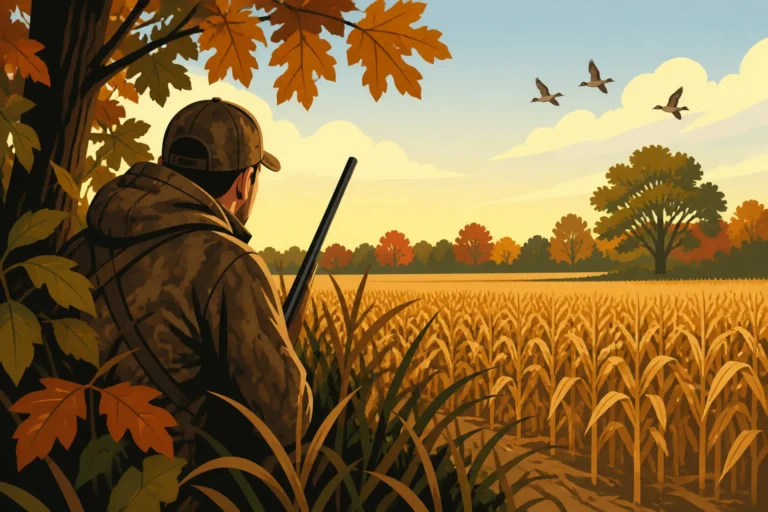
Maryland grain field edge strategies reveal how deer use food sources, cover, and travel corridors during hunting season.

Maryland deer hunting regulations require harvested bucks to have three points on one antler, with one bonus buck exception.
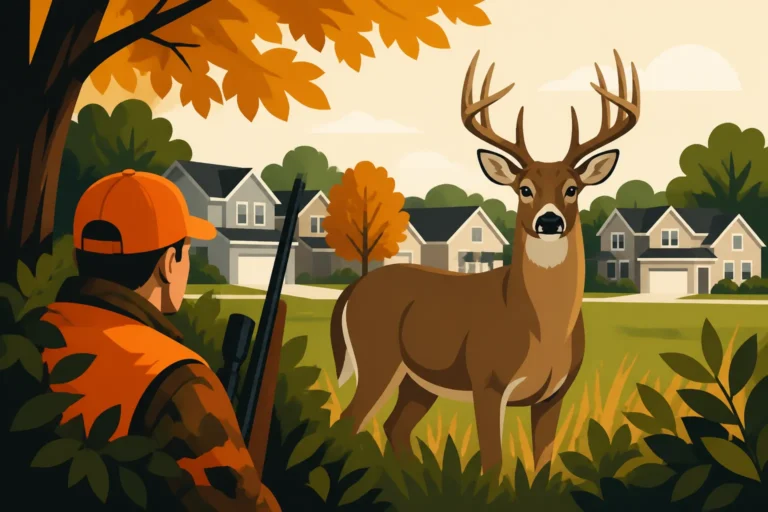
Maryland suburban deer management hunts help control overpopulation through specialized programs addressing vehicle collisions and garden damage.
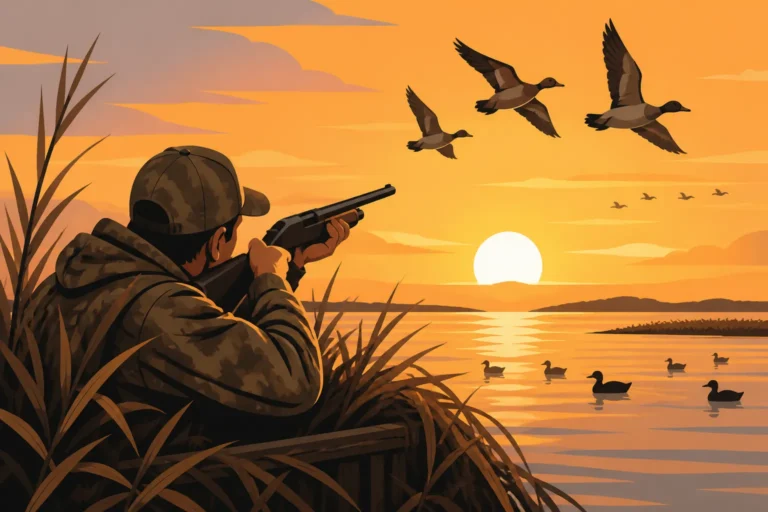
Chesapeake Bay duck and goose hunting requires navigating dark waters, managing shifting sandbars, and setting decoys before sunrise.
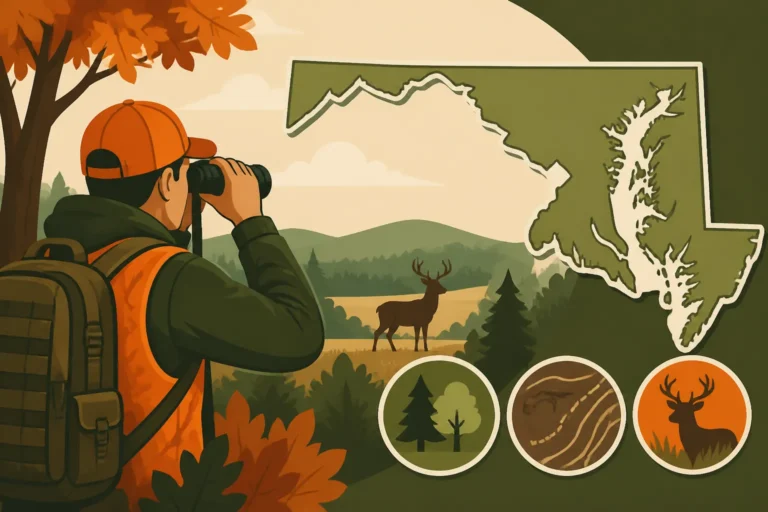
Maryland public land deer scouting strategies help hunters understand terrain, avoid hunting pressure, and find hidden areas.

Maryland winter trapping strategies for raccoons, muskrats, foxes, and coyotes explain cold weather behavior and habitat management.
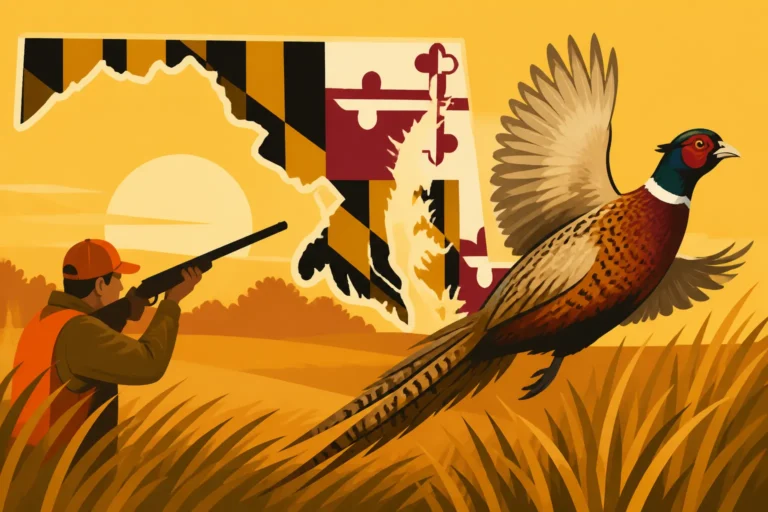
Maryland pheasant release program rules, stocking history, dates, and permit requirements for public wildlife management areas.
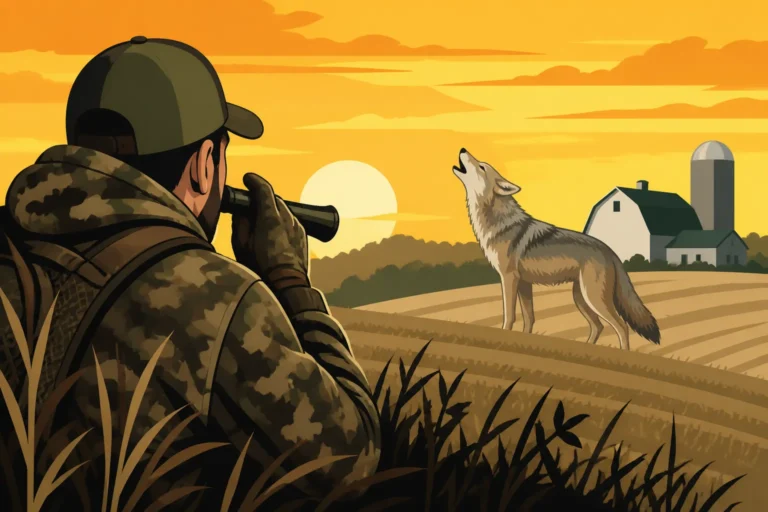
Coyote calling in Maryland farm country helps landowners manage rising predator populations, protect livestock, and understand animal behavior.
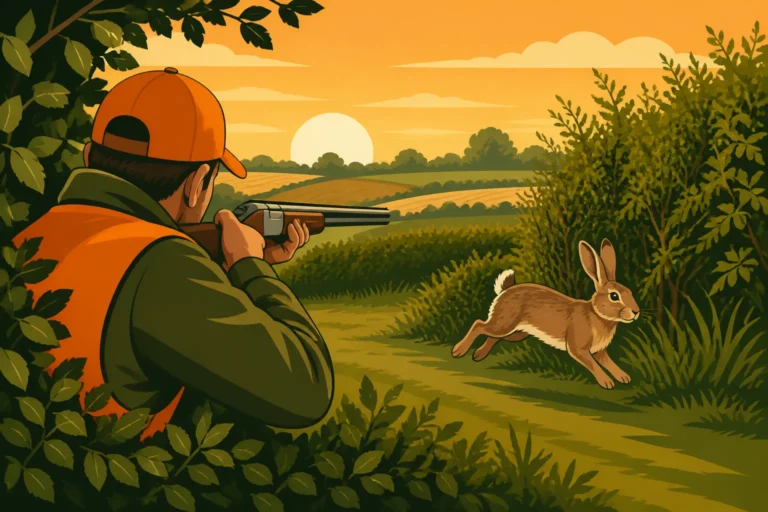
Maryland farm hedgerows provide cover and food for cottontail rabbits, offering hunters a productive location without using dogs.
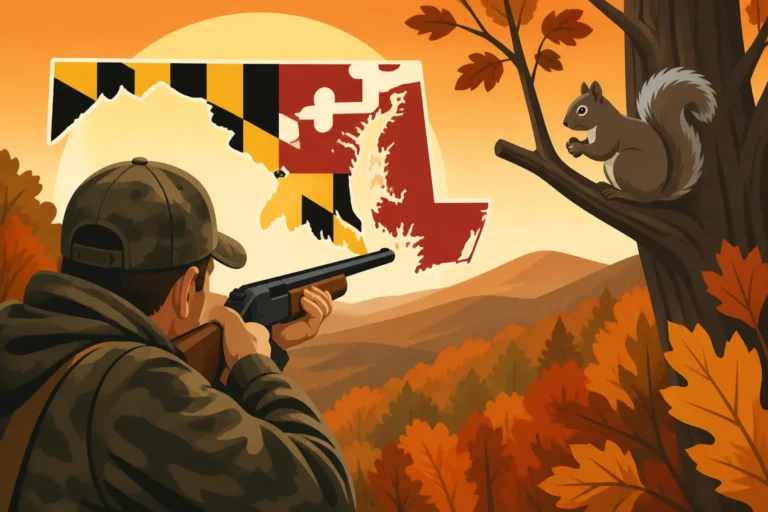
Maryland hardwood ridge squirrel hunting tactics explained, focusing on prime acorn trees, mast food sources, and topography.