Fall Turkey Hunting Maryland’s Western Counties
Fall turkey hunting in Maryland involves locating scattered flocks, understanding bird behavior, and finding seasonal food sources.
Close the distance.
Archery, muzzleloader, and firearm techniques — calling, stand placement, still-hunting, spot-and-stalk, and the weapon rules that change at the state line.
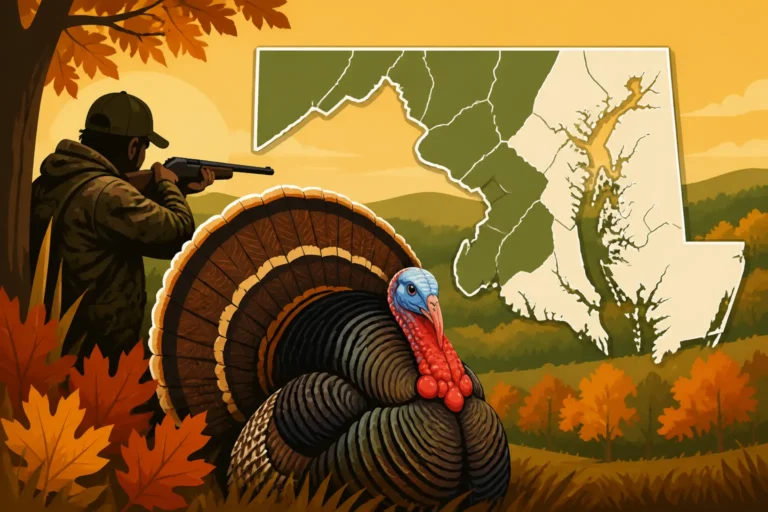
Fall turkey hunting in Maryland involves locating scattered flocks, understanding bird behavior, and finding seasonal food sources.
Maryland spring turkey regulations allow hunters to harvest two bearded gobblers per season with a one bird daily limit.
Maryland junior turkey hunting regulations, license requirements, bag limits, and season dates for mentors guiding youth.
Maryland spring turkey hunters learning why gobblers go silent in mid-May can use patient tactics and strategies to fill tags.
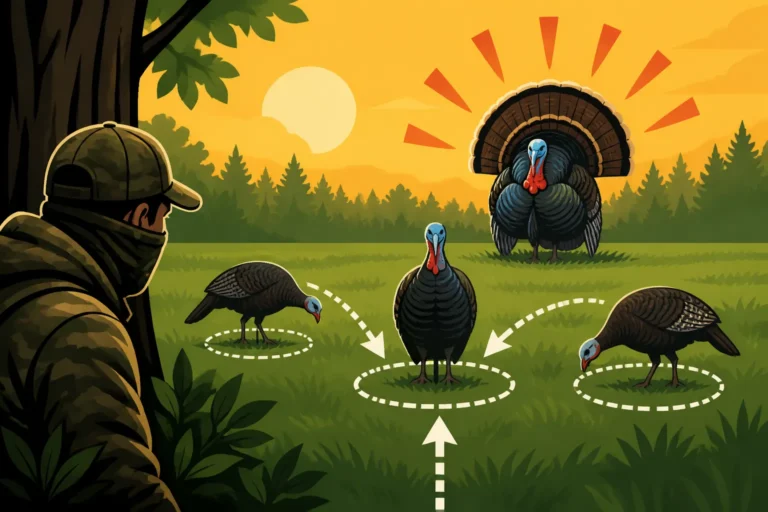
Decoy placement strategies help Maryland hunters close the distance on wary, pressured gobblers by disarming their learned suspicion.
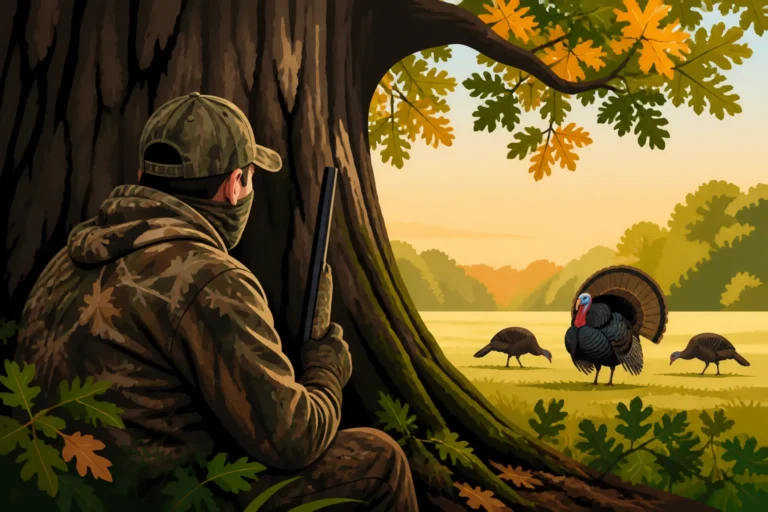
Big oak tree setups provide Maryland turkey hunters with natural concealment, sturdy back support, and strategic visibility.
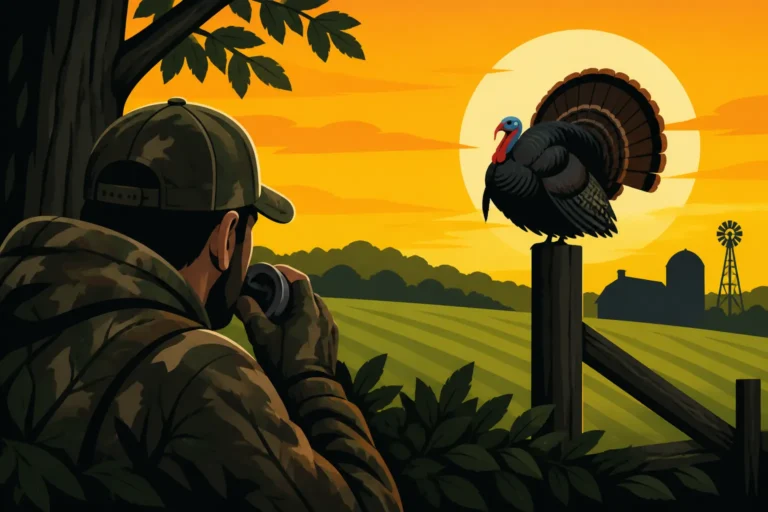
Maryland farm turkey hunting strategies help hunters decode morning rituals and call wary roosted gobblers into shooting range.
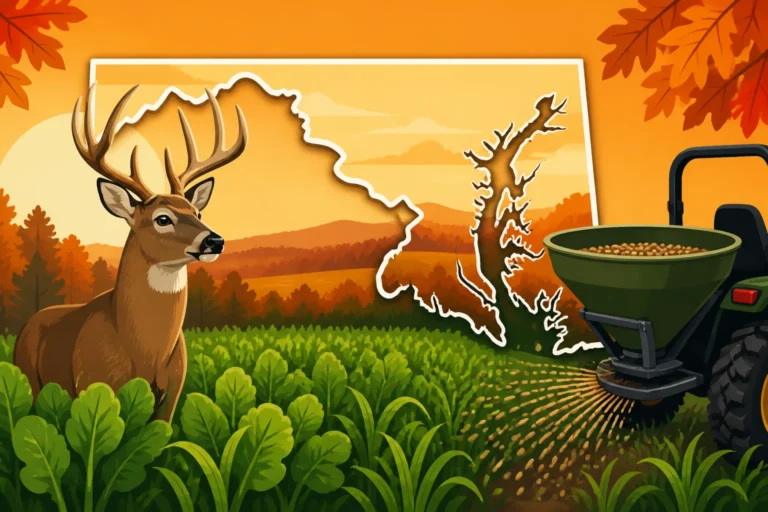
Planting a fall food plot on Maryland ground provides winter nutrition, helps bucks recover from the rut, and attracts deer to hunting locations.
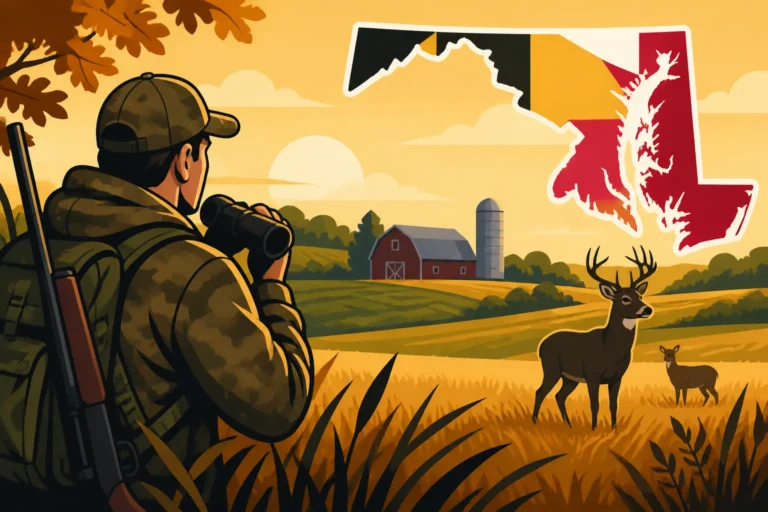
Maryland private farm lease agreements grant hunters exclusive private property access for five to thirty dollars per acre.
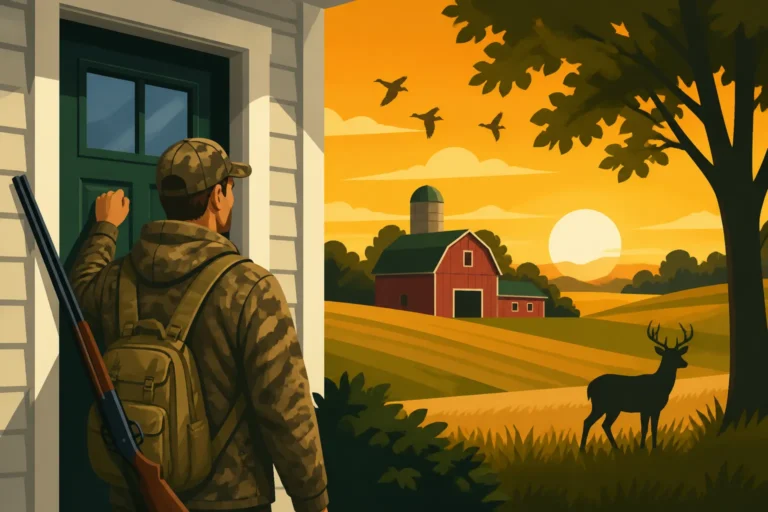
Knocking on doors in Maryland farm country helps hunters gain private property access, build relationships, and find uncrowded hunting grounds.