Reading Tide Charts Before a Marsh Hunt
Reading Maryland tide charts helps hunters track Sika deer movement, navigate coastal marshes safely, and access remote spots.
Close the distance.
Archery, muzzleloader, and firearm techniques — calling, stand placement, still-hunting, spot-and-stalk, and the weapon rules that change at the state line.

Reading Maryland tide charts helps hunters track Sika deer movement, navigate coastal marshes safely, and access remote spots.
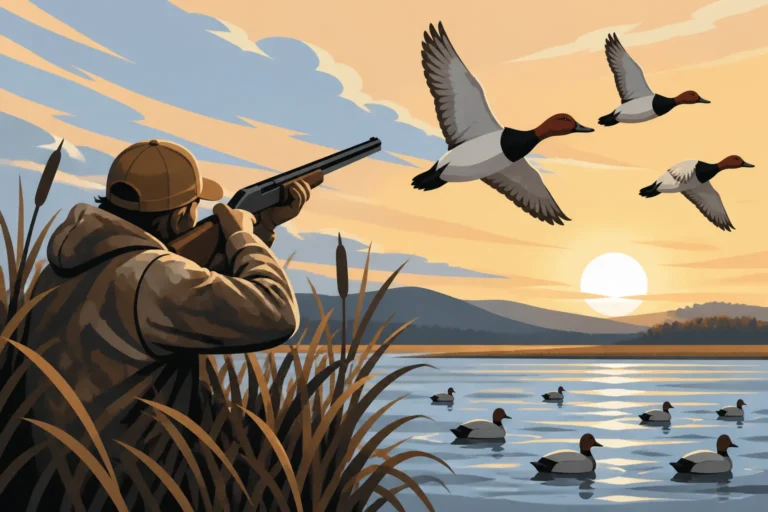
Canvasback hunting on the Susquehanna Flats provides practical strategies to target diving ducks in Chesapeake Bay waters.
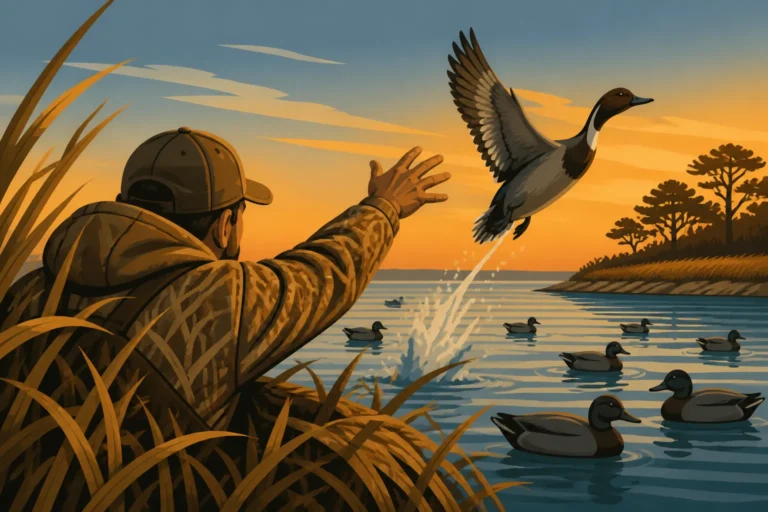
Chesapeake Bay diver duck hunting methods explain how wind, tides, and decoy spreads help target canvasbacks and redheads.

Maryland beaver pond wood duck hunting strategies, daily flight routines, and ideal wetland habitats for finding waterfowl.
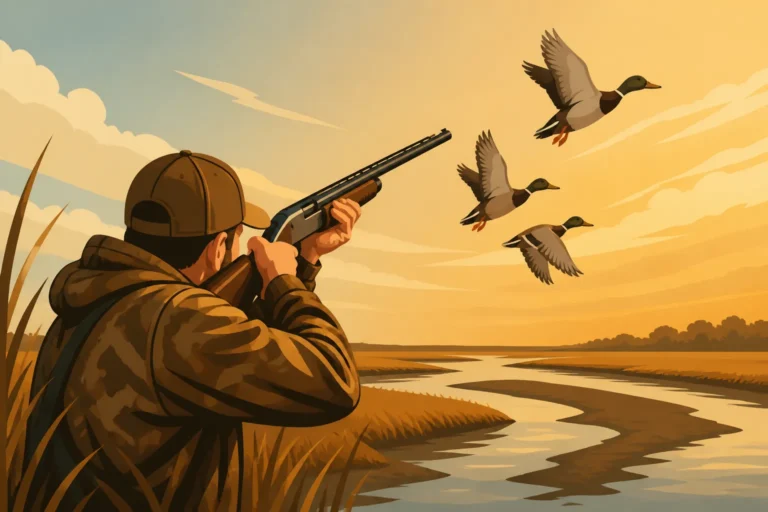
Maryland tidal marsh jump-shooting tactics explain how falling tides concentrate mallards and black ducks into narrow channels.

Maryland tidal creek bufflehead hunting methods explained, detailing how tide charts, weather patterns, and decoy spreads improve waterfowlers’ success.

Maryland offshore hunting and fishing guides need a United States Coast Guard captains license for commercial vessel operations.
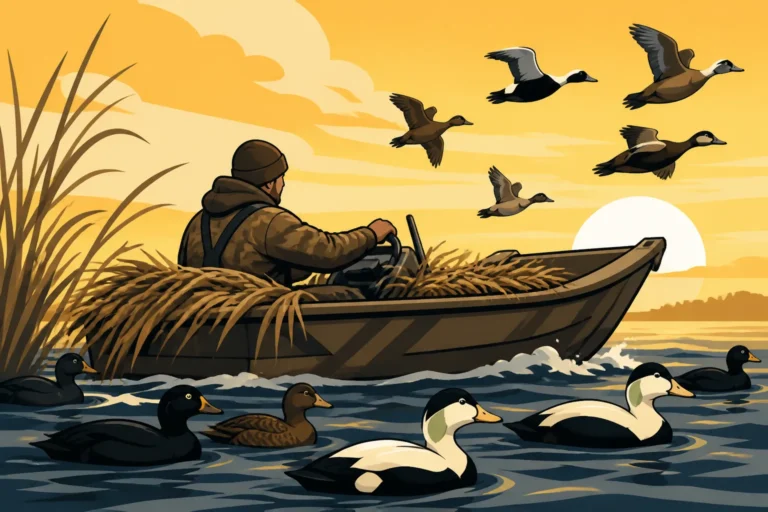
Layout boat hunting for sea ducks in Maryland offshore waters requires specialized safety gear, decoys, and a mother boat.
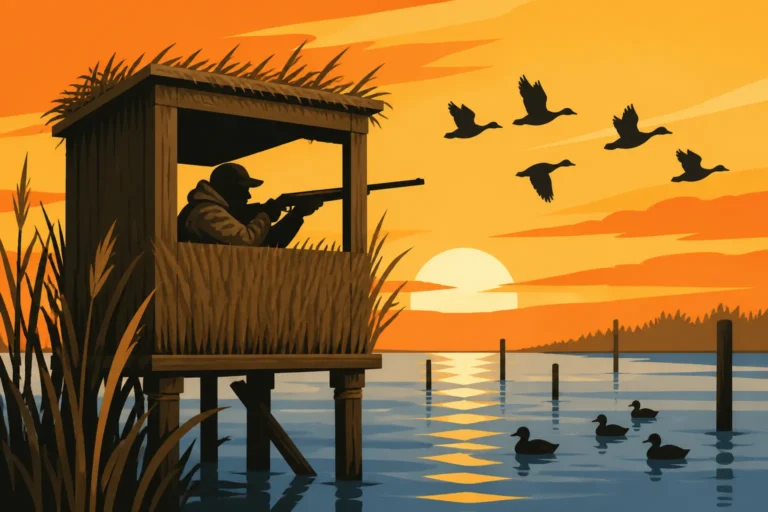
Maryland offshore stake blinds are semi-permanent structures in the Chesapeake Bay built from treated lumber to hunt ducks and geese.
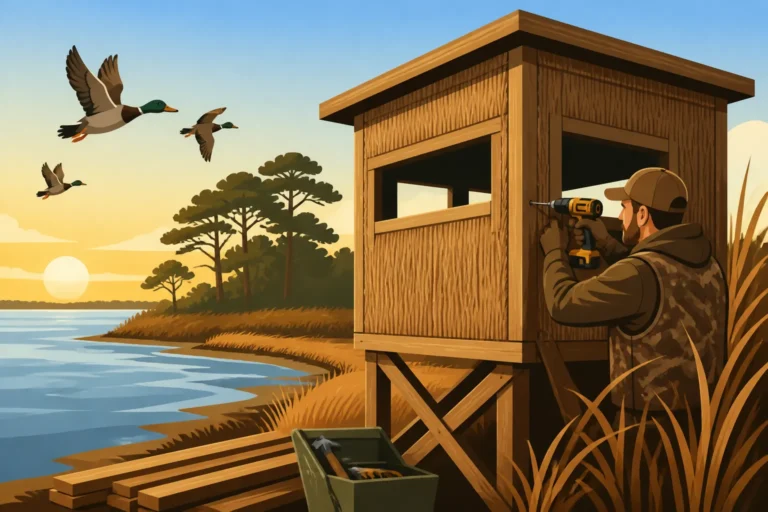
Maryland waterfowl blind licensing regulations, riparian rights, setback rules, and shoreline construction steps for hunters.