Maryland’s Three Huntable Squirrel Species
Maryland hunters can legally pursue three squirrel species: the Eastern Gray Squirrel, Eastern Fox Squirrel, and Red Squirrel.

Maryland hunters can legally pursue three squirrel species: the Eastern Gray Squirrel, Eastern Fox Squirrel, and Red Squirrel.
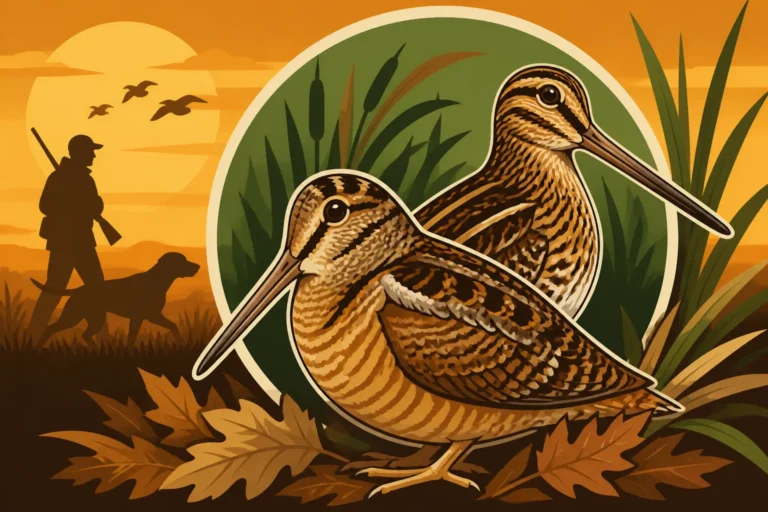
Maryland woodcock and snipe hunting strategies explain habitats, identification, and migratory windows for pursuing these elusive birds.
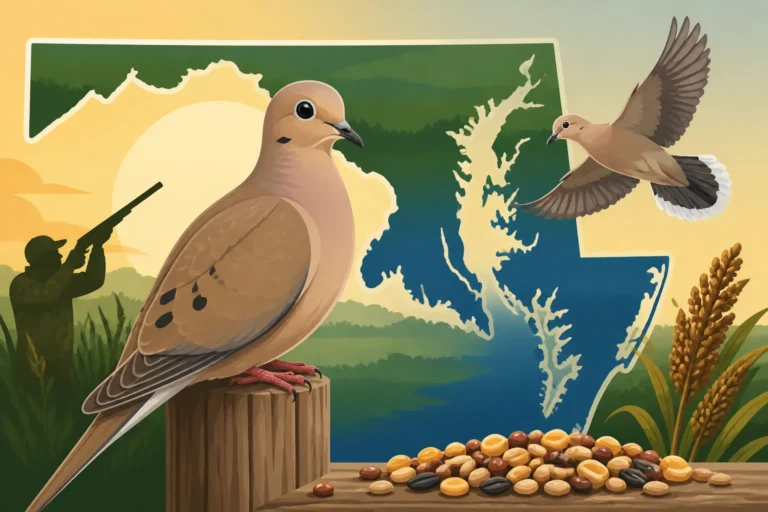
Maryland mourning dove populations, preferred feeding habitats, and scouting strategies help hunters pinpoint fast-flying birds across the state.
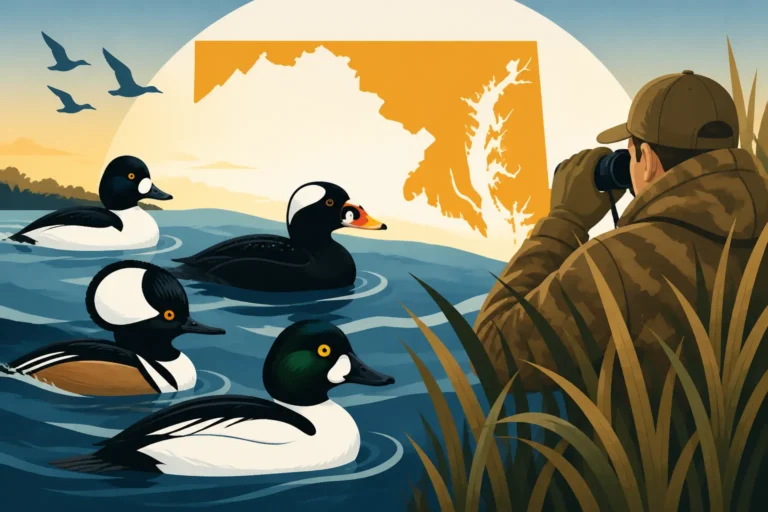
Maryland sea duck species and identification traits help hunters recognize surf scoters and diving waterfowl in the Atlantic Ocean.
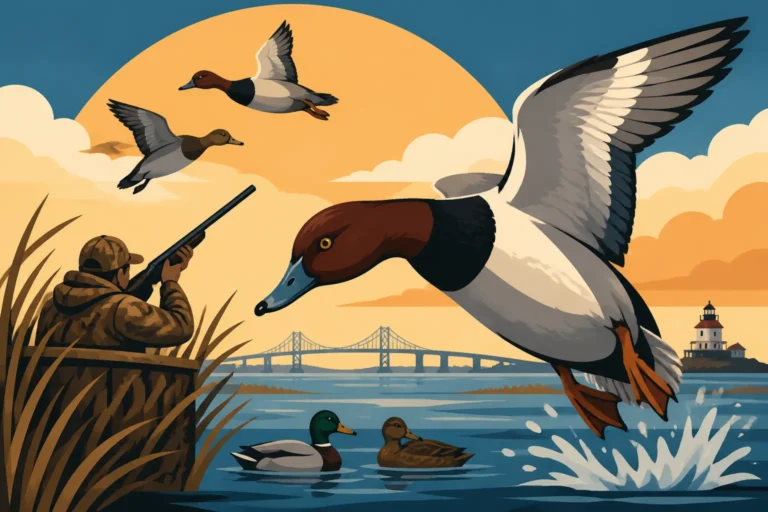
Chesapeake diving ducks exhibit unique biology and behavior, differing from puddle ducks in anatomy, feeding habits, and flight patterns.
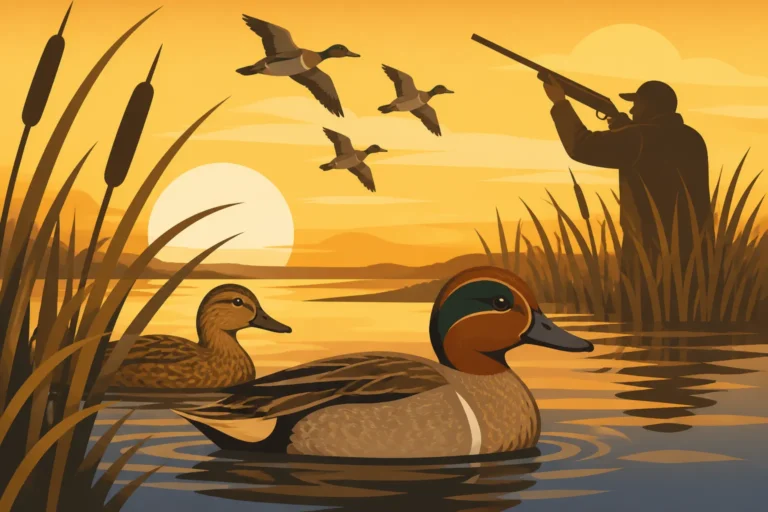
Maryland puddle ducks inhabit tidal marshes along the Chesapeake Bay, feeding on shallow water vegetation and agricultural crops.
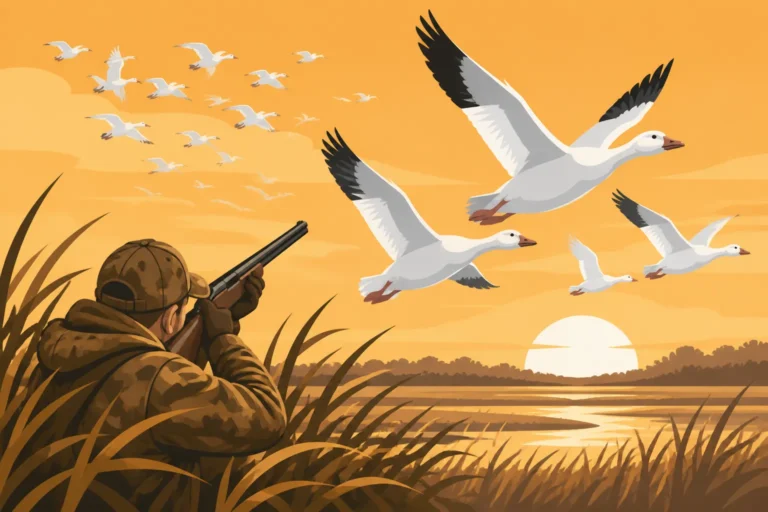
Snow geese on Maryland’s Eastern Shore arrive in massive flocks to feed on waste grain in farm fields and use tidal marshes for roosting.
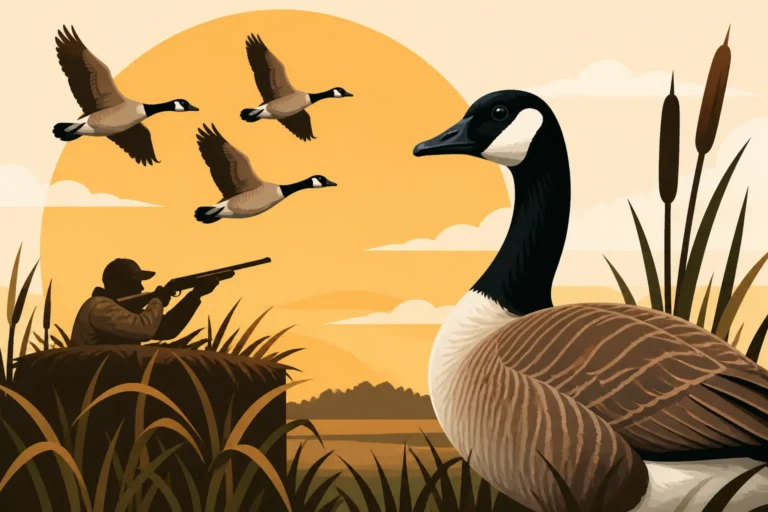
Maryland resident Canada geese populations, behavioral traits, and effective hunting strategies for a successful harvest season.
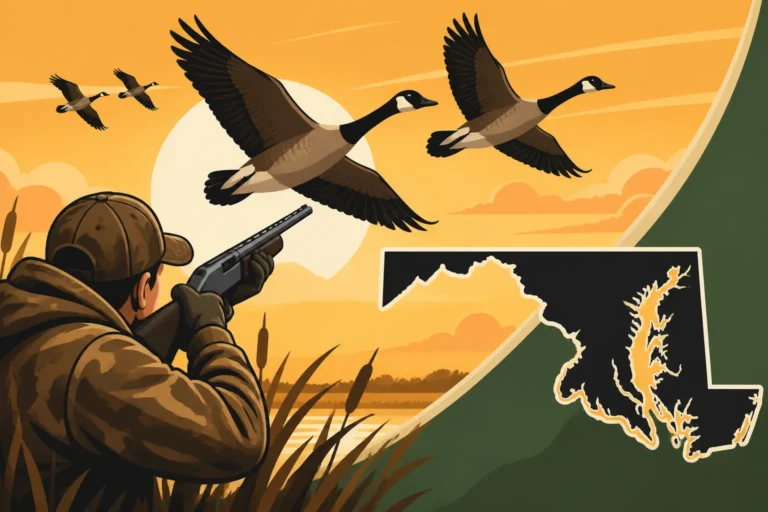
Atlantic Population Canada geese migration patterns, conservation success, and hunting regulations across Maryland regions.
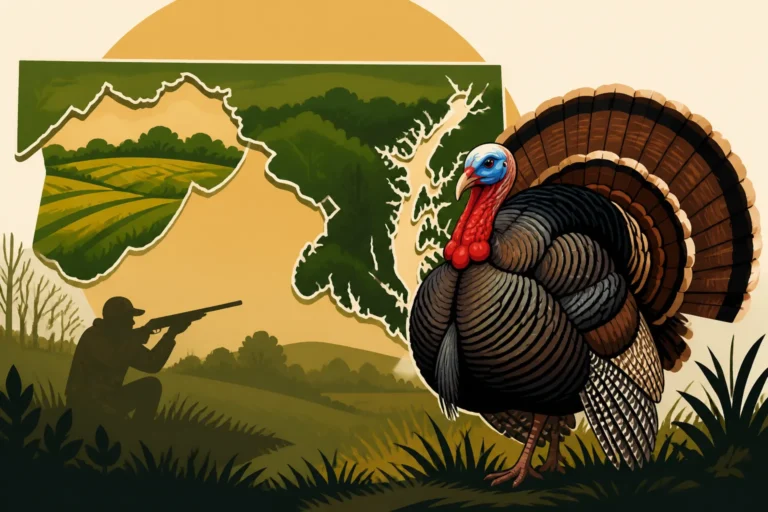
Maryland wild turkey populations thrive across specific geographical regions that provide diverse hardwood forests, water sources, and open foraging areas.