Hunting a Farm Pond Dam Late in the Season
From mid-December through January, farm pond dams draw deer seeking unfrozen water, since seeps and inflows may stay open when the rest of the pond freezes.

From mid-December through January, farm pond dams draw deer seeking unfrozen water, since seeps and inflows may stay open when the rest of the pond freezes.

Maryland mountain stream hillside benches act as natural travel corridors and bedding areas that help hunters predict deer movement.

Maryland tidal marsh tides and ditch bank elevation shape Sika deer movement at dawn, improving sunrise hunt success.
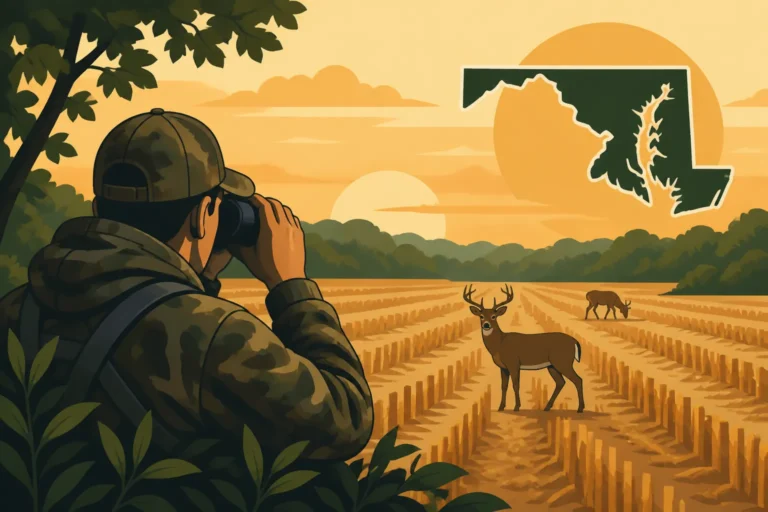
Glassing cut wheat fields in Maryland helps deer hunters find early bucks feeding on residual grain and fresh green sprouts.

Hunting white and red clover plots on Maryland farms provides bowhunters reliable tactics for finding deer during archery season.
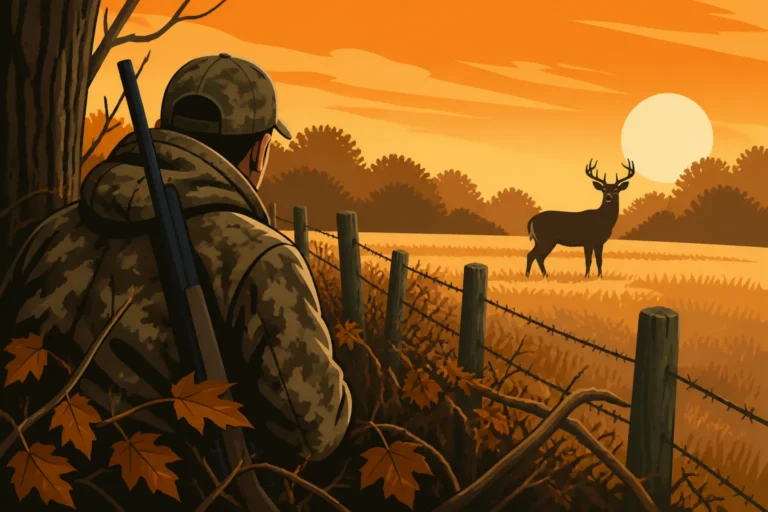
Late season Maryland deer utilize fencerows for thermal cover, security, and safe travel corridors connecting to scarce food sources.
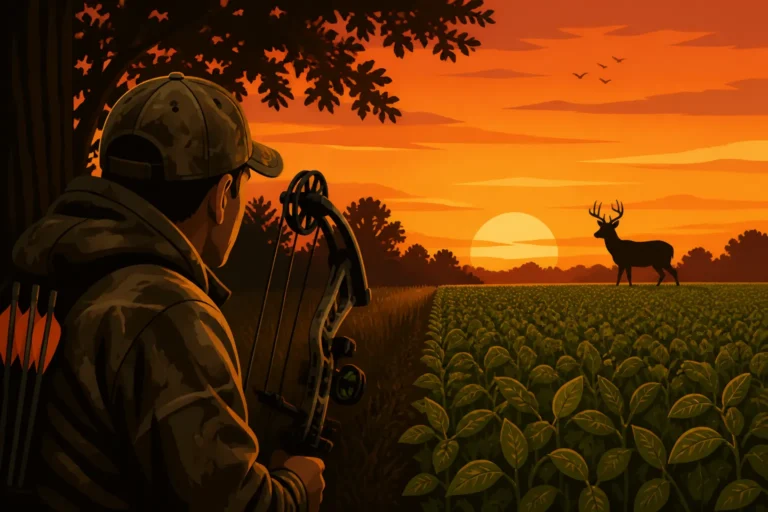
Maryland soybean fields attract deer with protein-rich leaves and high-energy beans, explaining dusk movement patterns and evening stand placement strategies.

Maryland coal country deer hunting strategies in Garrett and Allegany counties, featuring mountain habitat and terrain tips.

Maryland creek crossings serve as natural travel corridors, helping deer hunters intercept bucks moving between feeding and bedding areas.
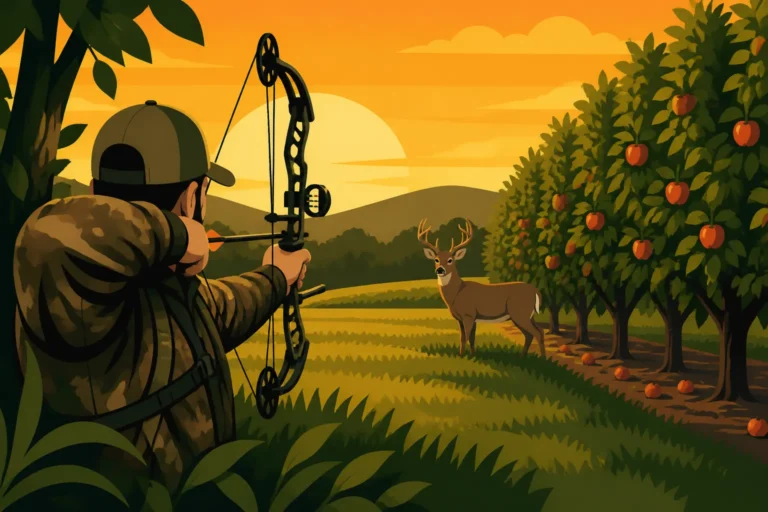
Frederick County orchard edges attract deer by combining abundant food, dense timber cover, and natural travel corridors.