Muzzleloader Deer Hunting in Maryland
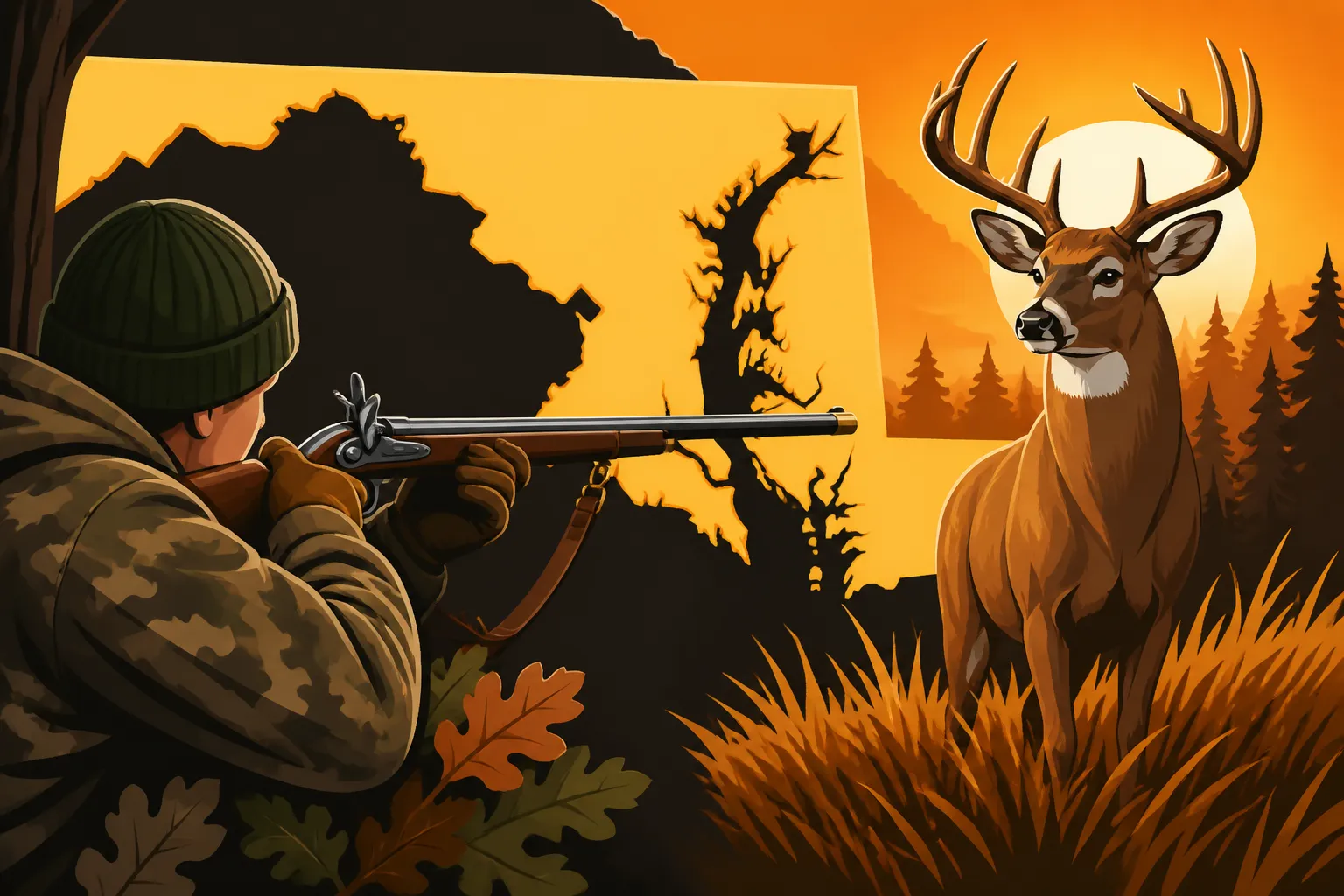
Many hunters feel the sting of seeing the general firearms season slip away, often feeling like they didn't quite get enough time in the woods or that the deer pressure was just too high. But here in Maryland, there's a fantastic, often overlooked opportunity to extend your deer season and find success: muzzleloader hunting. This guide is all about diving deep into the nuances of hunting whitetails and even sika deer with a smoke pole, helping you understand the unique challenges and incredible rewards this method offers.
Why Muzzleloader Hunting Offers a Unique Opportunity in Maryland
Maryland's muzzleloader seasons are truly a gem for hunters who love the tradition and challenge of primitive weapons, or for those simply looking for more time afield when other seasons are closed. It's not just about the weapon; it's about the timing and the experience it offers. You’re stepping back in time, slowing down, and focusing on careful stalking and precise shots.
Extended Season Dates and Less Pressure
One of the biggest draws of muzzleloader hunting in Maryland is the extended season dates. We have both an early and a late muzzleloader season, which effectively bookend the main firearms season. The early season, usually in October, offers a chance to hunt before the woods are totally bombarded by rifle hunters, meaning deer haven't been as pressured. Imagine slipping into a quiet woodlot in mid-October, when the leaves are just starting to turn, and feeling like you have the woods to yourself. It’s a completely different vibe than the opening day of rifle season, which can sometimes feel like a military exercise.
The late muzzleloader season, often running in December, gives you another bite at the apple after the firearms season has ended. By then, deer have settled back into their patterns, and with fewer hunters in the woods, they might be a little less spooky. This can be especially effective for targeting mature bucks that have gone nocturnal during intense rifle pressure. You might find them moving more freely in daylight as they recover from the rut and seek out late-season food sources. This extra time allows for more scouting, more patience, and often, more rewarding encounters.
The Challenge and Tradition of the Smoke Pole
Let's be honest, hunting with a muzzleloader isn't always the easiest path. You've got a single shot, the "smoke pole" is a lot slower to reload, and factors like moisture and powder choice become critical. But that's precisely where the appeal lies for many of us. There’s an undeniable satisfaction that comes from taking a deer with a weapon that demands a higher level of skill and discipline. It forces you to become a better hunter – to focus on your stalk, shot placement, and understanding the wind and terrain.
For many, it's also a connection to hunting heritage. When you load that powder and bullet down the barrel, knowing your ancestors might have done something similar centuries ago, it adds a layer of meaning to the hunt. It’s a simpler, more deliberate approach to hunting that strips away some of the modern complexities and brings you closer to the pure act of the hunt. This pursuit of tradition, combined with the practical benefits of extended seasons, makes Maryland muzzleloader hunting a truly unique and fulfilling experience.
Understanding Maryland's Muzzleloader Seasons
Maryland's muzzleloader seasons are strategically placed to offer hunters ample opportunity outside of the general firearms rush. Knowing the specific dates and understanding the regional differences is crucial for planning a successful hunt. These seasons provide dedicated periods where only muzzleloaders (and archery equipment, which often overlaps) are permitted for deer, creating a quieter, more focused hunting environment.
Early October Muzzleloader Week
The early muzzleloader season typically kicks off in mid-October, often running for about a week. This is a fantastic time to be in the woods. The weather is usually crisp and comfortable, the foliage is vibrant, and deer are starting to transition from their late-summer patterns into pre-rut activity. This season often coincides with a period when bucks are beginning to make scrapes and rubs, and they might be more responsive to calling.
For whitetail hunters, this week is a prime opportunity to catch deer before they become highly educated by the later firearms season. They might still be relatively predictable, moving between bedding areas and food sources like acorn flats or early bean fields. Hunters targeting sika deer on the Eastern Shore also find this time productive, as it often aligns with the tail end of the "whistle" or rut for these elusive deer. Being able to hunt without the constant worry of rifle fire from neighboring properties can make a huge difference in deer movement and your overall hunting experience. This is a great time to be in a treestand overlooking a pinch point or a fresh rub line. For more on specific early season dates, check out Hunting Maryland's October Muzzleloader Week.
Late December Muzzleloader Season
After the general firearms season closes, Maryland offers a late muzzleloader season, usually spanning about two weeks in mid-December. This period presents a different set of challenges and opportunities. By December, the rut is long over, and deer are focused almost entirely on feeding to build up fat reserves for winter. They're seeking out the best available food sources, which could be standing corn, late-dropping acorns, or winter food plots.
The late season can be cold, so proper gear for warmth and concealment is essential. Snow on the ground, if you're lucky enough to get some, can be a game-changer for tracking and spotting deer. While deer might be more wary from previous hunting pressure, they're also driven by hunger, which can make them move more predictably during daylight hours, especially during a cold snap. This season often overlaps with some of the best opportunities to fill antlerless tags, contributing to herd management. It’s a time for patience, often involving long sits over prime food sources. You can learn more about this period by checking out Hunting Maryland's Late Muzzleloader Season.
Regional Differences: Region A vs. Region B
Maryland is divided into two deer management regions, Region A and Region B, and understanding these distinctions is vital as they affect bag limits and antler restrictions, even for muzzleloader hunters.
- Region A: This region covers the mountainous Western Maryland counties – Allegany, Garrett, and Washington. It's characterized by vast state forests and steep terrain. Hunting pressure can still be significant, but the sheer amount of public land allows for hunters to spread out. Bag limits in Region A are generally more conservative for antlerless deer compared to Region B, reflecting the lower deer densities in these more forested habitats. For example, while you might get multiple antlerless tags in Region B, Region A often limits you to one or two, even during muzzleloader season. Additionally, the firearm restrictions in some areas or specific counties might vary, but muzzleloaders are generally permitted statewide during their designated seasons. Understanding What Makes Region A Different for Deer Hunters is key if you plan to hunt these western counties.
- Region B: This region encompasses the rest of the state, including the heavily agricultural Eastern Shore, the Piedmont, and Southern Maryland. Deer densities are generally much higher here, and antlerless harvest is strongly encouraged to manage the population. Muzzleloader hunters in Region B will typically have more antlerless tags available to them, and success rates for filling those tags can be very high, especially on private land with abundant food sources. This region often sees more suburban hunting opportunities as well, where muzzleloaders can be a fantastic tool due to their more limited range compared to centerfire rifles, making them a safer option in more populated areas. Always check the current year's Maryland Guide to Hunting & Trapping for the exact bag limits and regulations applicable to your specific county and weapon choice, as these can change.
Legal Muzzleloader Requirements and Ammunition in Maryland
Navigating the legalities of muzzleloader hunting can sometimes feel like trying to solve a puzzle, especially with different definitions and requirements. In Maryland, it's pretty clear cut, but you still need to know what's allowed and what isn't before you head out into the woods. The state wants to ensure safety and maintain the traditional spirit of muzzleloader hunting, so certain restrictions apply to the firearms and ammunition you use.
Approved Muzzleloader Types and Calibers
Maryland defines a muzzleloader as a firearm loaded through the muzzle, using black powder or a black powder substitute, with a single projectile. This definition is pretty broad and covers most traditional and modern inline muzzleloaders.
- Minimum Caliber: For deer hunting, your muzzleloader must be at least .40 caliber. This applies to both whitetails and sika deer. Whether you're using a traditional caplock or flintlock rifle, or a modern inline setup, as long as it's .40 caliber or larger, you're good to go. Most commonly, hunters use .50 caliber muzzleloaders, which offer excellent knockdown power and a wide variety of bullet choices. Some hunters opt for .45 caliber, which can offer slightly flatter trajectories with certain bullet designs.
- Ignition Systems: Maryland allows all common ignition systems. This includes traditional flintlocks, which use a flint striking a frizzen to create a spark, and percussion cap systems, which use an external hammer striking a cap. Modern inline muzzleloaders, which typically use 209 shotgun primers for ignition, are also perfectly legal. This means you have a lot of flexibility in choosing the type of muzzleloader that best suits your hunting style and preference. The choice often comes down to personal preference for tradition versus modern convenience and reliability.
- Loading: The key defining feature, as the name suggests, is that the projectile must be loaded from the muzzle. This means no breech-loading black powder firearms or cartridges of any kind are permitted during the dedicated muzzleloader seasons. It forces you to operate within the spirit of the hunt, requiring a more deliberate loading process.
Permitted Projectiles and Propellants
When it comes to what you can send down the barrel, Maryland also has specific guidelines for both the bullet and the powder.
- Bullet Types: You must use a single projectile. This means no buckshot or multiple projectiles (like birdshot) are allowed for deer hunting with a muzzleloader. The single projectile can be a traditional round ball, a lead conical bullet (like a Maxi-Ball or PowerBelt), or a sabot-encased bullet. Sabots, which are plastic sleeves that allow a smaller-diameter bullet (like a .45 caliber bullet in a .50 caliber barrel) to be fired, are legal and very popular. They often offer improved aerodynamics and accuracy, particularly at longer ranges. Just ensure that the bullet itself is designed for big game hunting and expands reliably. Many modern inline muzzleloaders are designed to shoot sabots with impressive accuracy, rivaling some centerfire rifles at moderate distances.
- Propellants: Only black powder or approved black powder substitutes are allowed. This includes common substitutes like Pyrodex, Triple Seven, and Blackhorn 209. Never use smokeless powder in a muzzleloader not specifically designed and proofed for it, as this can lead to catastrophic failure and serious injury. Always stick to the manufacturer's recommendations for powder type and charge weights for your specific muzzleloader. Understanding the differences between these propellants, from their corrosive properties to their ignition characteristics, is part of becoming a proficient muzzleloader hunter. Black powder and Pyrodex are generally more corrosive and require immediate cleaning after firing, while options like Blackhorn 209 are much cleaner. For detailed information on what legal weapons are permitted in Maryland, you might also want to consult Maryland's Legal Weapons by County.
Essential Gear for Maryland Muzzleloader Hunters
Stepping into the woods with a muzzleloader requires a bit more thought than just grabbing your rifle and a box of cartridges. The unique nature of these firearms means you need specific tools and accessories to ensure you're prepared for loading, shooting, and maintaining your equipment, especially in Maryland's varied weather conditions. Overlooking a small detail can quickly turn a promising hunt into a frustrating experience.
The Muzzleloader Itself: Inline vs. Traditional
The first and most obvious piece of gear is the muzzleloader. Your choice between an inline and a traditional model largely depends on your hunting style and preference for history versus modern performance.
- Inline Muzzleloaders: These are by far the most popular choice for deer hunting in Maryland today. Brands like CVA, Traditions, and Thompson/Center lead the market. Inlines use a straight-line ignition system (hence "inline") that directs the primer's spark directly into the powder charge, leading to more consistent and reliable ignition. They typically use 209 shotgun primers, which are less susceptible to moisture than percussion caps or flintlock pans. Many inline models also feature scopes, synthetic stocks, and stainless steel barrels, making them very weather-resistant and accurate out to 150-200 yards, sometimes even further with practice. If your goal is maximum reliability and range, an inline is likely your best bet for a Maryland deer hunt, especially during the often damp late season.
- Traditional Muzzleloaders: These include flintlocks and percussion cap rifles. They offer a deep connection to history and a greater challenge. Flintlocks are beautiful pieces of engineering, but their exposed pan of priming powder can be very sensitive to moisture. Percussion cap rifles are a bit more forgiving, with the cap protecting the ignition point slightly better. While they might not offer the same extended range or all-weather reliability as an inline, the satisfaction of harvesting a deer with a traditional muzzleloader is immense. If you appreciate the art and history of black powder hunting, and are willing to adapt to their unique characteristics, a traditional muzzleloader can provide an incredibly rewarding experience in Maryland's hardwood forests or marsh edges.
Powder, Primers, and Projectiles
Beyond the rifle, your consumables are crucial. You can't just throw any old powder and bullet down the barrel and expect accuracy or reliability.
- Propellant: As discussed, black powder or approved substitutes (Pyrodex, Triple Seven, Blackhorn 209) are necessary. For hunting, many modern inline hunters prefer Blackhorn 209 for its clean burning and less corrosive properties, which means less immediate cleaning in the field. Pyrodex and Triple Seven are also popular and widely available. Always carry enough powder for multiple shots (including practice) and keep it in a waterproof container or speed loader.
- Primers/Caps: If using an inline, 209 shotgun primers are the standard. For percussion caps, ensure you have the correct size (usually #11). Flintlock hunters will need extra flints and fine priming powder. Regardless of your ignition system, keep your primers or caps dry! A small, waterproof tin or an old film canister works wonders. Nothing is more frustrating than a misfire in the moment of truth due to damp primers.
- Projectiles: Choose quality bullets designed for deer. Options include sabots with jacketed bullets (like Hornady SST or Barnes MZ), full-bore conical bullets (like PowerBelt AeroLite or traditional Maxi-Balls), or round balls. Practice with several types to find what shoots most accurately out of your specific muzzleloader. Remember, Maryland requires a single projectile of at least .40 caliber. Many hunters carry a few pre-measured powder charges and bullets in quick-loading tubes for fast reloading in the field, which is essential if you need a follow-up shot.
Cleaning and Field Essentials
Muzzleloaders, especially those using black powder, require diligent cleaning. But beyond maintenance, there are specific field essentials you absolutely cannot forget.
- Cleaning Kit: A good cleaning kit is non-negotiable. This includes a bore brush, patches, a jag, a quality black powder solvent, and oil. For corrosive powders, cleaning needs to happen as soon as possible after shooting. Even with cleaner-burning powders, a thorough cleaning is important for accuracy and longevity. Consider carrying a small, field-friendly cleaning rod and some patches if you anticipate needing to clean carbon buildup during an extended hunt.
- Ramrod and Loading Accessories: Your ramrod is your best friend. Many factory ramrods are adequate, but a strong, aftermarket fiberglass or carbon fiber ramrod is a wise investment, especially if you hunt in cold weather when plastics can become brittle. You'll also need a bullet starter to get your projectile squarely into the muzzle, making the ramming process easier and preventing damage to the bullet or barrel. A short starter is usually sufficient for this.
- Tools and Small Parts: Carry a small multitool or a dedicated muzzleloader tool kit. This should include tools to remove your breach plug, nipple, or flintlock components. Spare parts like extra nipples, flints, or even a spare breach plug can save your hunt if something breaks in the field.
- Waterproof Gear: Maryland weather is notoriously unpredictable. Waterproof bags for your powder and primers are critical. A waterproof cover for your muzzleloader itself is also a good idea. Even a light drizzle can ruin your powder charge or dampen your ignition if not protected.
- Optics: While some purists prefer open sights, a quality scope can greatly enhance accuracy and extend your effective range, especially in low light. Choose a scope designed for muzzleloader use or one that can handle the recoil and unique harmonics. A good pair of binoculars is also essential for spotting deer in thick cover or at a distance. When hunting with a muzzleloader, making that first shot count is paramount, and good optics help ensure precision. A digital mapping tool like GoHunt can also be a game-changer for scouting and navigating public or private lands, helping you pinpoint potential hotspots and understand terrain features before you even step foot in the woods.
Tactics for Success During Muzzleloader Season in Maryland
Muzzleloader season in Maryland demands a blend of patience, careful planning, and a deep understanding of deer behavior. While the weapon itself is unique, many fundamental hunting tactics remain the same, albeit with a focus on getting closer and making that single shot count. The unpressured environment of the early season and the food-driven movements of the late season each call for slightly different approaches.
Scouting and Stand Placement
Effective scouting is the bedrock of any successful deer hunt, and it's especially critical for muzzleloader season. You need to know where the deer are and what they're doing.
- Pre-Season Reconnaissance: Before the early muzzleloader season, spend time walking potential hunting areas. Look for rub lines, scrape areas, and fresh tracks. Identify key food sources like acorn groves, soft mast trees (persimmons, wild grapes), and active agricultural fields. During the late season, focus heavily on reliable food sources such as standing corn, soybean fields, or winter wheat plots, as deer will be highly concentrated around them. Using mapping software like GoHunt can help you identify these features and understand property boundaries from the comfort of your home.
- Bedding Areas and Travel Corridors: Locate dense bedding cover, whether it's a thick pine plantation, a laurel thicket in Western Maryland, or marsh grass on the Eastern Shore for sika deer. Once you find bedding, look for the most used trails leading to and from food sources. These travel corridors, especially those funneling deer through pinch points or across natural barriers, are prime locations for a stand.
- Wind Direction and Scent Control: This cannot be stressed enough for muzzleloader hunting. Since you need to get closer, managing your scent is paramount. Always approach and set up your stand based on the prevailing wind direction, ensuring your scent is blowing away from where you expect deer to approach. Play the wind religiously. Even a slight shift can ruin a hunt.
- Stand Placement: Choose stand locations that offer clear shooting lanes within your comfortable muzzleloader range (typically 50-100 yards for most hunters, potentially more with a highly accurate inline and good optics). Consider multiple stand locations for varying wind directions. In the early season, you might focus on ambush points near travel corridors leading to feeding or staging areas. For the late season, direct overlooks of major food sources are often more productive.
Still-Hunting and Stalking
Because muzzleloaders are single-shot firearms that are slower to reload, getting within close range for a clean shot is crucial. This is where still-hunting and stalking tactics truly shine.
- Still-Hunting: This involves moving very slowly through the woods, stopping frequently to scan and listen. Take 5-10 steps, then pause for several minutes, using your binoculars to pick apart every piece of cover. Focus on areas with good visibility but also plenty of cover for deer, such as the edges of clearcuts, transition zones between timber types, or along creek bottoms. In Western Maryland, still-hunting through oak flats during the early season can be incredibly effective when deer are searching for acorns. Check out Still-Hunting Western Maryland Mountain Timber for more specific advice.
- Stalking: If you spot a deer at a distance, stalking involves a calculated, silent approach to get within shooting range. Use terrain features, dense cover, and changes in elevation to your advantage, always keeping the wind in your face or crosswind. Move when the deer's head is down feeding or when they are looking away. This requires immense patience and discipline. It's often better to wait for the deer to move into a better position than to force a risky stalk.
- Sika Deer Tactics: For sika deer in Maryland's marshes, still-hunting or carefully wading through the phragmites and loblolly pine edges can be exhilarating. Their smaller size and incredibly keen senses make getting close a real challenge. During the early muzzleloader season, you might still catch some "whistling" activity, making it possible to call a stag in. Reading marsh trails for sika sign and understanding their bedding habits is critical. Wading Into a Dorchester Marsh Before Daylight and Hunting Sika Deer in Maryland's Loblolly Pine Edges provide more specific insights into these unique deer.
Understanding Deer Behavior and Food Sources
Deer behavior shifts throughout the fall and early winter, and your muzzleloader tactics need to adapt accordingly.
- Early Season (October): Deer are generally still in their fall feeding patterns. Bucks might be making scrapes and rubs as the pre-rut begins, but full-blown rutting behavior is usually still a few weeks off. Focus on fresh mast crops (especially acorns) and transition areas between feeding and bedding. Deer movement might be heavier in the mornings and evenings, with a mid-day lull.
- Late Season (December): Post-rut, deer are worn down and focused solely on replenishing energy. They will gravitate towards the most calorically dense food sources available. This often means agricultural fields like standing corn or soybeans, or high-protein winter food plots. Hunting these primary food sources, especially in the afternoons, can be highly productive. Deer will often bed nearby and make relatively predictable movements to feed before dark. Pay close attention to recent temperature drops, as this will often spur increased feeding activity.
By combining meticulous scouting, strategic stand placement, and adapting your still-hunting or stalking techniques to the specific season and deer behavior, your chances of success during Maryland's muzzleloader deer seasons will dramatically increase.
Navigating Maryland's Muzzleloader Regulations and Licensing
Hunting in Maryland, especially for deer, comes with a set of regulations that can sometimes feel like a labyrinth. Muzzleloader hunting is no exception. Understanding what licenses, stamps, and tags you need, and how to properly register your harvest, is crucial to staying legal and ensuring your hunt is a smooth one.
Required Licenses and Stamps
Before you even think about loading your muzzleloader, you need to ensure you have the proper paperwork. Maryland requires specific licenses and stamps to hunt deer with a muzzleloader.
- Maryland Hunting License: This is the foundational requirement. You must possess a valid Maryland hunting license. Whether you're a resident or a nonresident, there are different options, and costs vary. You can typically purchase these online through the Maryland Department of Natural Resources (DNR) COMPASS portal, at various retail agents (like sporting goods stores), or directly from DNR offices. Ensure your license is valid for the current hunting year. For specifics on cost and options, you can refer to Maryland Hunting Licenses and What They Cost.
- Archery & Muzzleloader Stamp: To hunt during the dedicated muzzleloader seasons, you absolutely need an Archery & Muzzleloader Stamp. This stamp is an add-on to your base hunting license. It grants you the privilege to hunt deer during both the archery and muzzleloader seasons. Even if you only plan to hunt with a muzzleloader, this stamp is required. This system simplifies things a bit, as one stamp covers both primitive weapon types. You don't need a separate "muzzleloader-only" stamp.
- Deer Tags: When you purchase your hunting license and the Archery & Muzzleloader Stamp, you will automatically receive a set of deer tags. These tags specify whether they are for antlered or antlerless deer, and often indicate the region (Region A or B) for which they are valid. You must attach the appropriate tag to your deer immediately after harvest and before moving the animal. Always confirm your specific deer bag limits and antler rule requirements, as these dictate which tags you can use for your harvest. Maryland's Deer Bag Limits and Antler Rule details these crucial restrictions.
Bag Limits and Antler Rule Considerations
Maryland has specific bag limits for deer, which vary by region and often by weapon type for antlerless deer. There's also the well-known antler restriction.
- Antlered Deer Bag Limit: Generally, hunters are allowed to harvest two antlered deer per license year statewide. However, only one of these antlered deer may be harvested in Region A (the western counties). This means if you take a buck in Garrett County, your second buck must come from Region B.
- Antler Rule: Most antlered deer harvested in Maryland must have at least three points on one antler (known as the "3-point rule"). This rule is in place to allow younger bucks to mature. However, there is an exception: one of your antlered deer for the season can be any antlered deer, regardless of the number of points. This "bonus buck" or "statewide buck" tag allows you to take a spike or fork-horn if you choose. Careful counting of antler points before you shoot is essential, especially when adrenaline is pumping. Check out Counting Antler Points Before You Shoot for tips.
- Antlerless Deer Bag Limits: These vary significantly by region. In Region A, antlerless bag limits are typically much more conservative, often one or two per season, depending on the county. In Region B, antlerless bag limits are much more generous, sometimes allowing for multiple antlerless deer to be taken per day with the appropriate tags. Muzzleloader season is an excellent time to fill antlerless tags, especially during the late season when deer are concentrated on food sources.
- Bonus Antlered Deer Stamp: If you're a keen antler hunter and want the possibility of taking a third antlered deer (if you manage to fill your other two), you can purchase a Bonus Antlered Deer Stamp. This stamp is an additional expense and comes with specific rules, often requiring you to harvest an antlerless deer first to "earn" this bonus tag.
Deer Registration Requirements
After you've successfully harvested a deer, the legal process isn't over. Maryland requires all harvested deer to be registered.
- Mandatory Registration: Every deer taken must be registered. This is not optional. Registration provides the Maryland DNR with critical data for managing the deer herd.
- Methods of Registration: You can register your deer using the DNR's COMPASS online portal, through the Maryland DNR mobile app, or by calling a toll-free number. The process usually requires providing your license number, the date and county of harvest, the species (whitetail or sika), sex, and whether it was antlered or antlerless. You'll also need the confirmation number from the physical tag you attached to the deer.
- Registration Deadline: Deer must be registered within 24 hours of harvest. This is a strict deadline, so don't delay. If you harvest a deer late in the evening, make sure you register it before the 24-hour window closes the next day. This is particularly important for those hunting in remote areas where cell service might be spotty; plan ahead for how you'll access the internet or phone service. For detailed instructions, refer to Registering a Maryland Deer by Phone or App.
Overcoming Common Muzzleloader Challenges
Muzzleloader hunting, while incredibly rewarding, isn't without its unique set of challenges. From the unpredictable nature of black powder to the precision required for a single shot, hunters often face hurdles that demand preparation and a cool head. Understanding these common issues and how to mitigate them can make all the difference in the field.
Moisture and Ignition Issues
One of the most persistent frustrations for any muzzleloader hunter, especially in Maryland's often damp climate, is dealing with moisture.
- Damp Powder: Black powder and most substitutes are hygroscopic, meaning they readily absorb moisture from the air. If your powder charge gets damp, it can lead to a "fizzle" (a slow burn) or, worse, a complete misfire (a "hangfire" or "click-no-boom"). The feeling of pulling the trigger only to hear a faint pop or nothing at all when a deer is in your sights is truly gut-wrenching.
- Solution: Always store your powder in airtight, waterproof containers. Use pre-measured charges in sealed speed loaders or plastic tubes. When in the stand, keep your muzzleloader's bore protected. Many hunters use a piece of electrical tape or a balloon over the muzzle to prevent rain or snow from entering. If hunting with a traditional percussion or flintlock, ensure the nipple or pan is protected from moisture. Carry extra dry primers or percussion caps in a waterproof container.
- Primer/Cap Failure: Even with modern 209 primers, moisture can sometimes get in, or a primer can simply be a dud.
- Solution: Use fresh, quality primers. Store them in a waterproof container. If you have a misfire with an inline, wait a safe amount of time (often 30-60 seconds, keeping the muzzle pointed in a safe direction) in case of a hangfire, then clear the primer and try a new one. With traditional systems, a new cap or fresh priming powder might solve the issue. If you continue to have misfires, it's time for a thorough cleaning of the breech plug or nipple, as fouling can sometimes prevent proper ignition.
Cleaning and Maintenance
Muzzleloaders, particularly those using traditional black powder, demand diligent cleaning. Neglecting this can lead to rust, pitting, and reduced accuracy.
- Corrosion: True black powder and some substitutes leave behind corrosive salts that will rapidly rust your barrel if not cleaned promptly.
- Solution: Clean your muzzleloader thoroughly and immediately after every shooting session, and ideally, after every hunt where it has been fired. Use a dedicated black powder solvent (many simply use hot, soapy water followed by a rinse and dry). Hot water is excellent at dissolving black powder fouling. Make sure to remove the breech plug (if applicable) and clean that thoroughly as well. Follow with a good rust preventative oil. Don't put off cleaning until "later"; later might be too late.
- Fouling Buildup: Multiple shots without cleaning can lead to significant fouling buildup in the barrel, making it difficult to load and drastically reducing accuracy.
- Solution: If you're planning a range session with many shots, bring a field cleaning kit. Running a few patches wet with solvent and then dry patches down the bore between shots (especially after 2-3 shots) can help maintain accuracy and ease of loading. For a single shot during a hunt, this isn't usually an issue, but consistent cleaning after each hunt is paramount.
Accuracy and Range Limitations
Compared to modern centerfire rifles, muzzleloaders have inherent accuracy and range limitations that hunters must respect.
- Limited Effective Range: While some modern inlines can achieve impressive accuracy, the effective range for most muzzleloader hunters is typically between 50-150 yards. Beyond that, bullet drop becomes significant, and energy retention might diminish, making ethical shots difficult.
- Solution: Practice, practice, practice! Know your rifle's capabilities and your personal effective range. Do not take shots beyond what you're confident in. Invest in a rangefinder to accurately judge distances in the field. Understanding bullet trajectory at various distances through practice will build confidence and ensure ethical shot placement.
- Single-Shot Nature: The inability to quickly reload for a follow-up shot means your first shot must be precise.
- Solution: Focus intensely on shot placement. Aim for the vital triangle (heart/lungs). Ensure you have a stable rest, whether from a shooting stick, a tree, or kneeling. Avoid rushed shots. If the deer is quartering away or straight on, wait for a broadside or slightly quartering-away shot that presents the best opportunity for a quick, humane kill. Always carry speed loaders with pre-measured charges for a quick reload if a follow-up is necessary, but prioritize the first shot.
Ethical Considerations and Safety First in Muzzleloader Hunting
Hunting is a privilege that comes with immense responsibility. When you step into the Maryland woods with a muzzleloader, these responsibilities are amplified by the unique characteristics of the weapon. Ethical behavior and unwavering commitment to safety are not just good practices; they are foundational to preserving our hunting heritage and ensuring everyone, including non-hunters, respects our sport.
Shot Placement and Trailing
With a single-shot muzzleloader, the margin for error is smaller. Making a clean, ethical kill is paramount.
- Precision is Key: Unlike a repeater rifle where you might get a quick second shot, a muzzleloader demands that your first shot counts. This means aiming for the most vital areas—the heart and lungs. A well-placed shot minimizes suffering and maximizes the chance of a quick recovery. Avoid "Texas heart shots" or shots at running deer, as these rarely result in quick, clean kills with a muzzleloader.
- Knowing Your Limitations: Understand your own and your muzzleloader's effective range. Practice regularly at the range to determine your maximum ethical shooting distance. If a deer is beyond that range, or if the shot angle isn't ideal, pass on it. It’s far better to go home empty-handed than to make a poor shot that results in a wounded animal.
- Patient Trailing: If you do take a shot and the deer doesn't drop immediately, give it time. Unlike a high-velocity rifle, a muzzleloader often creates a through-and-through wound with less hydrostatic shock, meaning deer can sometimes run a bit further even with a fatal hit.
- The Wait: For a suspected heart/lung shot, wait at least 30-60 minutes before beginning to trail. For a gut shot, wait at least 4-6 hours, or even until morning if shot late in the day. Pushing a gut-shot deer too soon will only make it run further and harder, making recovery much more difficult.
- Follow the Blood Trail: Look for hair, blood, and broken branches at the point of impact. Mark the last spot you found blood before continuing. If the blood trail peters out, expand your search pattern in circles or grid searches. Recruiting experienced trackers can also be a huge asset. Remember, Blood Trailing in Marsh Grass After Dark or in thick cover demands extra diligence.
Blaze Orange Requirements
Safety, especially visibility to other hunters, is a non-negotiable aspect of Maryland hunting.
- Mandatory Wear: During all firearms seasons (which include both muzzleloader seasons), all hunters (and those accompanying them) must wear specific amounts of blaze orange or blaze pink clothing. This typically means a minimum of 250 square inches of solid blaze orange or pink on the upper body, or a blaze orange/pink hat visible 360 degrees.
- Exceptions: There are some exceptions, such as when hunting from a totally enclosed blind (though it's still good practice to wear orange when entering and exiting). However, when moving through the woods or still-hunting, blaze orange is essential for your safety and the safety of others. Always check the current Maryland hunting regulations for the precise requirements. This simple safety measure significantly reduces the risk of accidental shootings. For more on this, check out How Much Blaze Orange Maryland Requires.
Firearm Safety Fundamentals
The basic rules of firearm safety are even more critical with muzzleloaders due to their unique loading and firing mechanisms.
- Always Treat Every Firearm as if it is Loaded: Never assume your muzzleloader is unloaded, even if you just loaded it yourself.
- Always Point the Muzzle in a Safe Direction: This is paramount. Since muzzleloaders are loaded from the front, it's easy to inadvertently point the muzzle at yourself or others if you're not careful. When loading, keep the muzzle pointed towards the ground or sky, away from your body and anyone else.
- Keep Your Finger Off the Trigger Until Ready to Shoot: This prevents accidental discharges.
- Be Sure of Your Target and What is Beyond It: Especially important in Maryland's diverse landscapes, which can include suburban areas, farmlands, and busy roadways. Ensure you have a clear backstop and know what lies behind your target.
- Proper Loading and Unloading: Never load your muzzleloader until you are actively hunting and ready to potentially take a shot. When you're done for the day, or if you need to cross an obstacle, unload it. This usually involves firing the charge safely into a suitable backstop or using a CO2 discharge system if your rifle allows. Never attempt to unload a loaded muzzleloader by pulling the bullet back out with the ramrod unless you are an expert and have the right tools, as this can be extremely dangerous.
- Eye and Ear Protection: Always wear eye and ear protection when shooting your muzzleloader, even in the field. The flash from the primer/cap and the loud report can damage hearing and eyesight.
By adhering to these ethical guidelines and safety protocols, you not only ensure a responsible and enjoyable hunt for yourself but also contribute positively to the perception and future of hunting in Maryland.
Conclusion
Muzzleloader deer hunting in Maryland offers a unique blend of challenge, tradition, and extended opportunity for hunters who are willing to embrace its nuances. From the crisp days of the early October season, where deer are less pressured and the woods are quieter, to the late December period, when big bucks are focused on food and perhaps a bit more forgiving, the smoke pole provides a distinct path to deer hunting success. It’s a chance to slow down, hone your stalking skills, and truly connect with the ancestral roots of hunting.
We’ve covered everything from understanding Maryland's specific season dates and regional bag limits to the legal requirements for your muzzleloader and ammunition. We've delved into the essential gear you'll need, the effective tactics for both still-hunting and stand hunting, and the critical importance of overcoming common challenges like moisture and precise shot placement. Most importantly, we've emphasized the non-negotiable aspects of ethical hunting and safety in the field.
By embracing the discipline and preparation that muzzleloader hunting demands, you're not just extending your time in the Maryland woods; you're becoming a more skilled, more patient, and ultimately, a more complete hunter. So, clean your barrel, load your powder, and step out into the field with confidence and respect for the tradition of the smoke pole.
Disclaimer
Please remember that hunting regulations, season dates, and licensing requirements can change. Always consult the most current Maryland Department of Natural Resources (DNR) hunting guide and official website for the latest and most accurate information before planning your hunt. This guide is for informational purposes only and should not replace official state regulations.