Hunting a Delmarva Grain Farm Woodlot
You've been driving past them for years on the Eastern Shore, those seemingly insignificant patches of woods nestled in the vast agricultural landscape of Delmarva grain farms. It's easy to dismiss them as too small, too open, or simply not worth your time compared to the big timber blocks, but that would be a huge mistake. These little woodlots are often deer magnets, turkey roosts, and rabbit havens, providing critical cover, food, and travel corridors in an otherwise exposed environment. This guide will help you understand the hidden potential of these overlooked gems and develop effective strategies for hunting them, turning those brief glimpses into real opportunities.
Understanding the Delmarva Grain Farm Woodlot Ecosystem
Imagine being a deer in a sea of corn or soybean fields. Where do you go for shelter from the wind, thermal cover on a cold night, or a safe place to bed down during the day? Those isolated woodlots, even if they're only a few acres, become absolute havens. They're not just random clumps of trees; they're vital pieces of the ecosystem that connect larger habitat blocks or provide essential refuge. These woodlots are used by a variety of game, from white-tailed deer seeking browse and bedding to wild turkeys roosting high above the fields, and even small game like rabbits and squirrels finding sanctuary in the brushy undergrowth.
The Role of Cover and Food in an Agricultural Landscape
In an area dominated by agricultural fields, thick cover is gold. A woodlot, no matter how small, offers immediate sanctuary. During the daylight hours, deer will often retreat into these pockets of woods, especially if there's good brushy undergrowth or dense evergreens providing thermal cover. It's their safe space from human activity and the elements. These areas also provide natural food sources like acorns, soft mast (persimmons, wild grapes, dogwood berries), and various forms of browse, especially important when the crops are gone or before they mature. When you combine this internal food source with the direct proximity to high-energy agricultural crops like corn and soybeans, you have an irresistible magnet for wildlife.
The dynamic between the woodlot and the surrounding fields is crucial. Deer will often bed in the safety of the woodlot during the day and then move out into the fields to feed at dusk, returning before dawn. These woodlots become vital transition zones. Turkeys might roost in the taller trees within the woodlot and then pitch down to feed on scattered grain in the cut fields or forage for insects and seeds along the edges. Understanding this interplay between cover and food is the first step to effectively hunting these areas. For a deeper dive into how deer use crop fields, check out Setting Up on a Maryland Grain Field Edge.
Crop Rotations and Their Influence on Game Movement
Delmarva farms operate on crop rotations, and what's planted where, and when it's harvested, drastically impacts game movement. A woodlot bordered by standing corn in early fall offers an entirely different dynamic than one next to a freshly cut soybean field in late season.
- Standing Corn: Provides incredible security cover, making deer harder to pattern as they can travel hidden within the rows. The woodlot acts as a bedding area adjacent to an abundant food source.
- Cut Corn: Once the corn is harvested, the scattered kernels become a major food source, drawing deer and turkeys out into the open, often right along the woodlot edges. This is a prime time for ambushing game moving from the woods to feed. For insights into hunting these scenarios, consider Entry Routes Through Cut Corn Before Daylight.
- Soybeans: Deer love browsing on young soybeans. Once they mature and dry, the protein-rich beans are a late-season energy source.
- Wheat/Small Grains: These often provide early season browse and green forage, drawing deer in before the main row crops mature.
By paying attention to the local farm's crop cycles, you can anticipate where game will be concentrated and when. A woodlot that seems quiet during one phase of the crop cycle might become a bustling wildlife hub during another.
Scouting and Interpreting Woodlot Sign
You can't just walk into a woodlot and expect to find game. Successful hunting in these often-pressured, smaller areas demands meticulous scouting, both from your couch and on the ground. Understanding how deer and other game use these specific pieces of habitat is paramount. Tools like aerial imagery are your best friend here, giving you a bird's-eye view of the landscape and helping you identify key features before you even step foot on the property.
Leveraging Aerial Maps and Digital Scouting Tools
Before you put boots on the ground, spend significant time studying aerial maps. Digital scouting tools like onX Hunt or GoHunt are absolutely invaluable for this. You can zoom in and analyze the shape of the woodlot, its proximity to other cover, water sources (ditches, ponds), and the types of fields it borders. Look for:
- Funnels and Pinch Points: Are there narrow sections of the woodlot, or points where it converges with other cover, that naturally funnel deer movement? These are prime ambush locations. A small finger of woods jutting into a field, or a narrow strip connecting two larger woodlots, can be a game changer. Understanding these natural corridors is key to Hunting a Funnel Between Two Grain Fields.
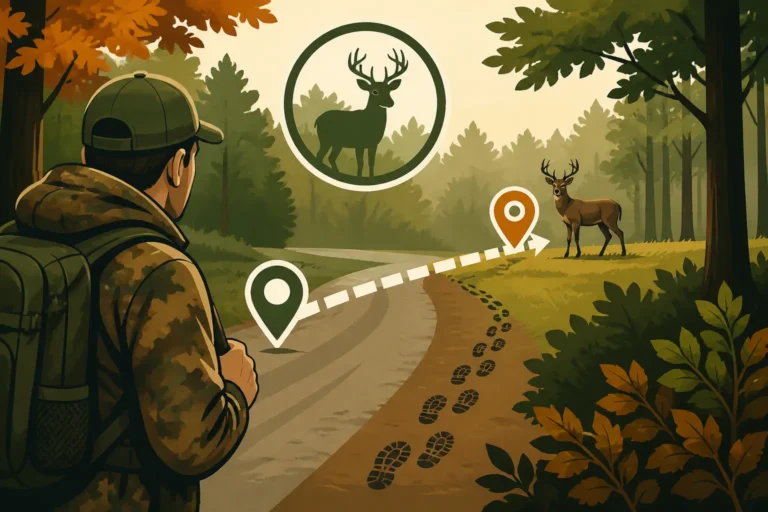
- Entry and Exit Points: Where are deer entering and exiting the woodlot from the fields? Often, these will be worn trails that are visible on high-resolution satellite imagery, especially after crops have been harvested.
- Dense Cover Patches: Identify areas within the woodlot that are particularly thick—thorny briars, dense cedar stands, or regenerating clear-cuts. These are likely bedding areas.
- Water Sources: Even a small drainage ditch or pond can be a critical water source, especially during dry periods, drawing game to that specific part of the woodlot.
With onX Hunt, you can layer satellite imagery with public land boundaries (if you're hunting public access parcels near farms, though here we're focusing on private farm ground) and topography, marking potential stand sites, travel corridors, and even likely bedding areas. This pre-scouting saves you time and minimizes disturbance in the woods.
Ground Scouting for Tracks, Rubs, Scrapes, and Bedding Areas
Once you've identified promising areas on your digital maps, it's time to hit the ground. Approach these smaller woodlots cautiously, especially if you plan to hunt them soon. The goal is to gather information without alerting game to your presence.
- Game Trails: Look for well-worn trails leading in and out of the woodlot to the surrounding fields. These are highways for deer and often indicate regular movement patterns. Pay attention to the size and freshness of tracks.
- Rubs and Scrapes: These are clear indicators of buck activity. Rubs (where bucks have rubbed their antlers on saplings) along the edges or within the woodlot show travel routes and aggression. Scrapes (areas where bucks paw away leaves and urinate) often appear on field edges or internal lanes, serving as communication hubs. Fresh scrapes, especially those with an overhanging branch worked by a buck, are high-value spots. For more on this, check out Scrape Lines Along a Maryland Field Edge.
- Bedding Areas: Look for flattened grass or leaves, often under dense cover or on small rises that offer a vantage point. In these smaller woodlots, bedding areas might be tight and tucked away. The wind direction relative to these bedding spots is crucial for a successful approach.
- Droppings: Fresh deer droppings indicate recent activity. The size can often give you a clue about the size of the animal, though it's not foolproof.
When scouting, always be mindful of the wind. Your scent can linger, and in smaller woodlots, it's easier to contaminate the entire area. Scout smart, and make your visits brief and purposeful.
Strategies for Hunting Delmarva Woodlots
Hunting these compact farm woodlots requires a slightly different approach than sprawling timber or vast marshes. Precision, stealth, and a deep understanding of deer behavior in confined spaces are key. These areas can be incredibly productive, but they also offer fewer places to hide and less room for error.
Stand Placement and Ambush Tactics
Because these woodlots are smaller, your stand placement becomes even more critical. You often have a limited number of "good" trees, and your entry and exit routes must be impeccable.
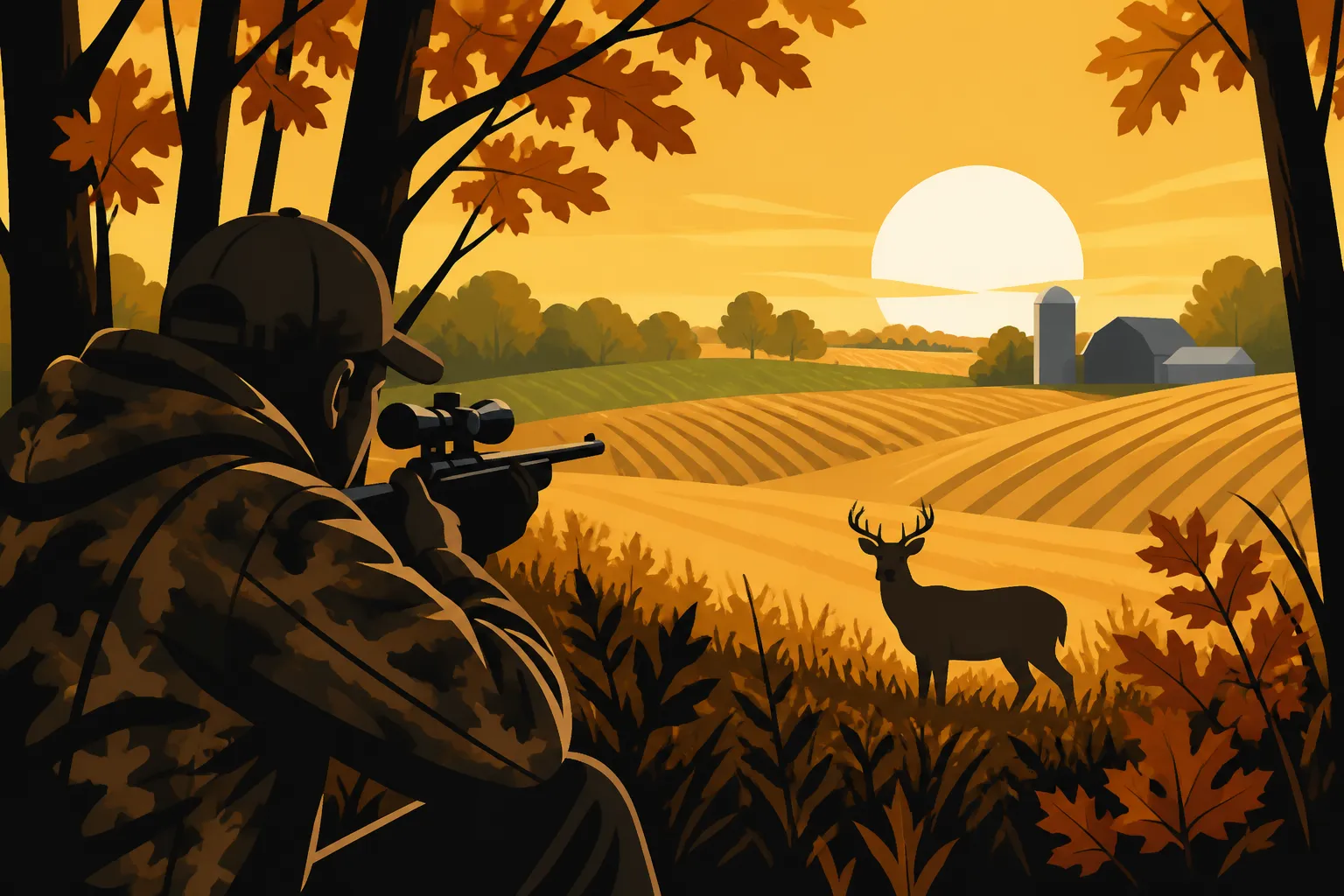
- Edge of the Field: This is a classic setup. Place your stand 15-20 yards inside the woodline, overlooking the field edge where deer enter and exit to feed. Pay close attention to prevailing winds. A portable climbing stand or a ladder stand can be quickly deployed in these spots. This is a great choice during early season when deer are hitting crops hard, or in late season when they're cleaning up post-harvest fields.
- Internal Funnels and Pinch Points: If your scouting (and your GoHunt app) reveals a natural funnel or pinch point within the woodlot, setting up an ambush there can be deadly. Deer often use the path of least resistance. This might be a narrow strip of timber between two fields, or a small draw that collects game moving through. This requires a deeper penetration into the woodlot, so scent control and quiet movement are paramount.
- Near Bedding Areas (Cautiously): During the rut, you might consider setting up just downwind of a suspected bedding area, especially if you're bowhunting. Bucks will cruise these areas looking for does. This is a high-risk, high-reward strategy that requires extreme caution and a perfect wind. You usually only get one shot at this without blowing out the area. For more on archery tactics, consider Bowhunting Maryland's Long Archery Season.
- The Wind is Your Boss: In small woodlots, the wind dictates everything. A swirling wind will bust you every time. Always set up so your scent blows away from where you expect deer to approach or bed. Have multiple stand locations ready for different wind directions.
Hunting Various Seasons
Delmarva woodlots offer opportunities throughout Maryland's long deer season, but your tactics will need to adapt to the season and the local agricultural cycle.
- Early Archery Season (September-October): Deer are often still patterned around food. Focus on field edges overlooking corn, soybeans, or even small green plots. Hunt mornings and evenings when deer transition between the woodlot and the fields.
- The Rut (Late October – Mid-November): This is prime time for bucks to be on the move, actively seeking does. They will cruise through these woodlots, especially along their edges and internal funnels. Don't be afraid to try calling methods like rattling or grunting. Rattling Antlers on an Eastern Shore Farm can be very effective in these situations.
- Late Season (December – January): After crop harvest, cover and remaining food sources become critical. Deer will often concentrate in the thickest parts of these woodlots for security and warmth. Hunt during midday, as deer may move more during these hours to feed and seek sun. Focus on areas with remaining food sources like acorns or leftover corn. Late Season Food Sources for Maryland Deer outlines what deer are looking for at this time.
- Firearms Season: During the brief firearms windows, especially the November and January splits, these woodlots can be incredibly productive. Rifle hunters in suitable counties or shotgun slug/straight-wall rifle hunters in restricted areas need to ensure they have clear shooting lanes and know their backdrop. Always check Maryland's Legal Weapons by County for local regulations.
Still-Hunting and Small Drives
While stand hunting is popular, still-hunting can be incredibly effective in these smaller woodlots, especially if they are dense. Move slowly, taking one step at a time, pausing often to scan for movement, and listening intently. Use the wind to your advantage, moving into it to keep your scent from blowing ahead of you. The goal is to surprise game, not to push them out.
For very small, dense woodlots, a controlled small drive can sometimes be productive, but it requires careful planning and safety precautions. A few hunters can slowly walk through, pushing deer towards strategically placed standers. This is best done on private land with express permission from the landowner and a clear understanding of shooting lanes and hunter positions. If considering this, research Deer Drives on Maryland Private Ground for safety and execution tips. Always prioritize safety over everything else.
Key Considerations and Ethical Hunting Practices
Hunting on private Delmarva grain farms comes with specific responsibilities and challenges. Respecting the landowner's property, ensuring ethical shots, and being prepared for game recovery are all paramount.
Respecting Private Land and Landowner Relations
Access to private land is a privilege, not a right. Always ensure you have explicit, current permission from the landowner. A handwritten note or a text message confirming your permission can prevent misunderstandings. Drive slowly on farm roads, close gates, don't block access points, and pick up any trash. Consider offering to help the landowner with small tasks, or even share some venison. Building a good relationship is how you maintain access year after year. For advice on approaching landowners, see Knocking on Doors in Maryland Farm Country. Even if you're hunting public land adjacent to private farms, understanding What Maryland Trespass Law Requires is critical.
Weapon Choice and Shooting Considerations
Given the often-dense nature of these woodlots and the potential for close-quarters encounters, your weapon choice is important.
- Archery: Bowhunting is ideal for these situations, allowing for silent approaches and close shots.
- Shotgun with Slugs/Straight-Wall Rifles: In counties where rifles are restricted, shotguns with slugs or straight-wall cartridges are powerful and effective at the typical ranges encountered in woodlots.
- Muzzleloaders: Maryland's muzzleloader seasons can also be productive in these settings.
- Rifles: In Western Maryland counties, centerfire rifles are allowed, but on the Eastern Shore, their use is often restricted, so always confirm local regulations.
Regardless of your weapon, practice ethical shot placement. In dense cover, ensure you have a clear shot and a safe backdrop. The limited visibility means you might pass on marginal shots, which is always the right decision.
Game Recovery in Challenging Terrain
Even with careful shot placement, game recovery can be challenging in these areas. A wounded deer might run into a standing crop field, a thick briar patch, or even into a water-filled ditch.
- Mark the Spot: Always mark the exact spot where the animal was standing when you shot and the direction it ran.
- Blood Trailing: Take your time. Look for blood, broken twigs, and disturbed ground. Bring a good flashlight, even during the day, to help spot blood in shaded areas.
- Dog Use: In Maryland, using a leashed tracking dog to recover wounded game is legal. If you don't have one, consider having a contact who does.
- Respecting Property Lines: If a wounded animal crosses onto adjacent private land where you do not have permission, you must gain permission from that landowner before retrieving your game. This is a non-negotiable ethical and legal requirement.
Hunting Delmarva grain farm woodlots can be incredibly rewarding. They test your scouting skills, your patience, and your ability to adapt. But for those who take the time to learn their secrets, these small pockets of woods can provide some of Maryland's most exciting and consistent hunting action.
Disclaimer
This article is for general informational purposes only and does not constitute professional advice. Laws, prices and regulations vary by location and change over time. Consult a qualified professional for guidance on your specific situation.