Bowhunting Maryland Suburbs Where Rifles Are Banned
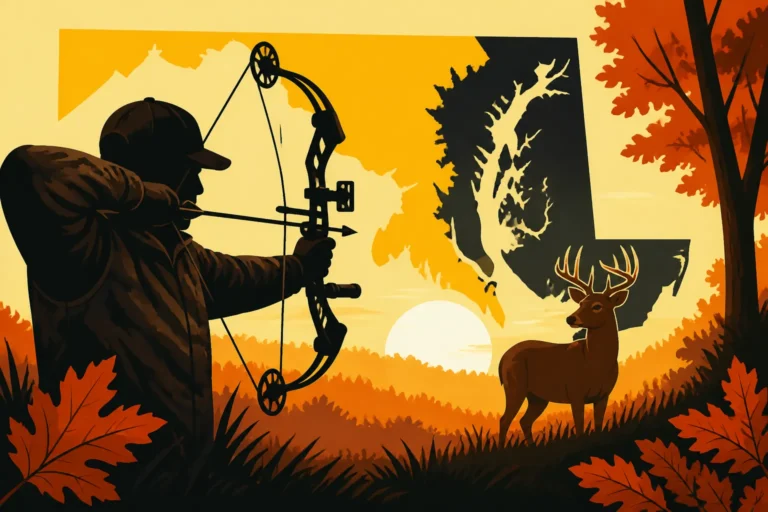
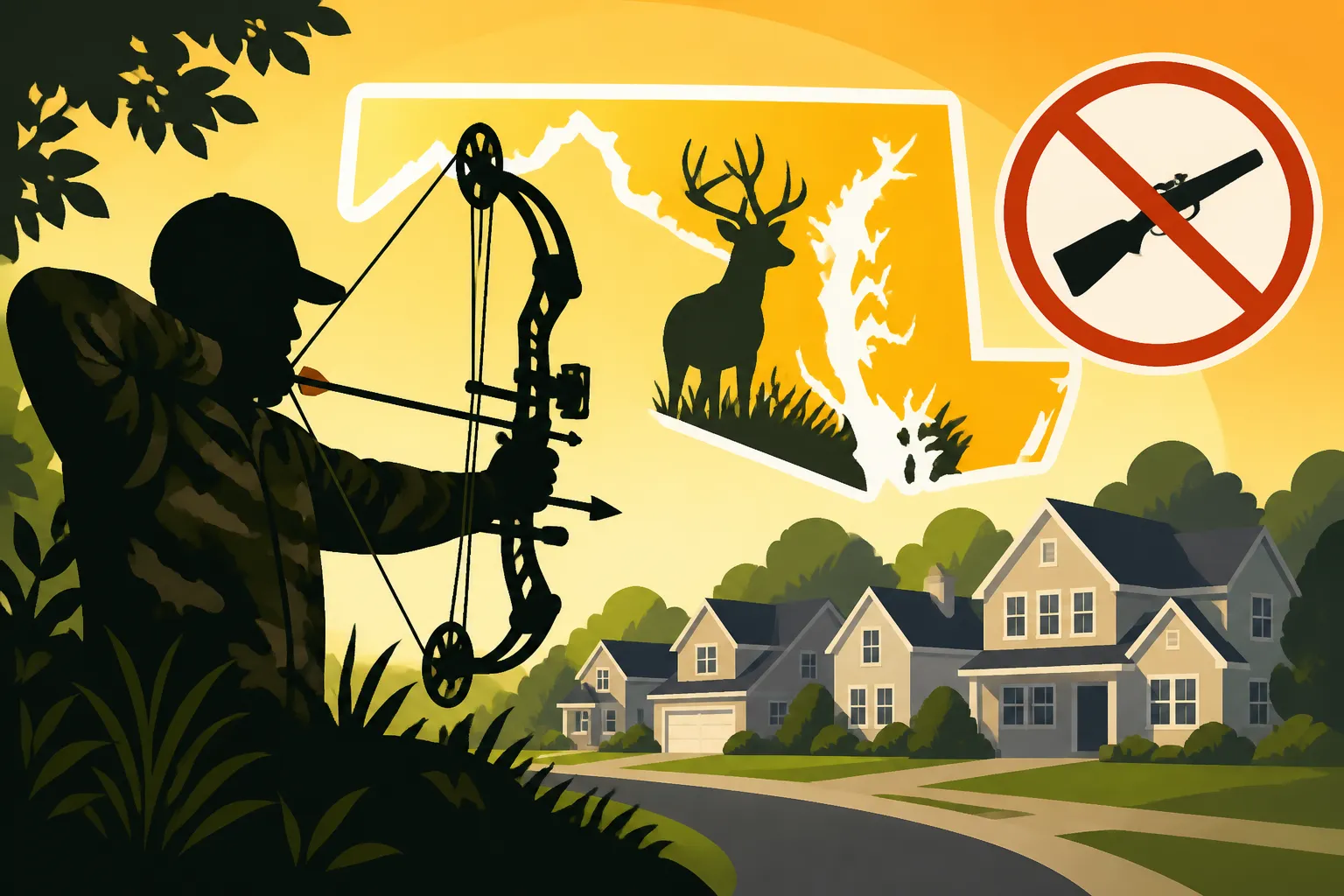
For many of us who love chasing whitetails, the idea of hunting in Maryland conjures up images of vast Eastern Shore farmlands or the rugged mountains of Western Maryland. But what happens when you live right in the thick of things, in one of Maryland's sprawling suburban counties, and you still have that burning desire to get out there with your bow? It's a real head-scratcher, isn't it? The frustration of seeing deer practically in your backyard, only to know that traditional firearm hunting is completely out of the question due to local ordinances, can be absolutely maddening. This comprehensive guide is here to walk you through the ins and outs of bowhunting Maryland's suburbs, specifically focusing on those areas where rifles are simply not an option, giving you the knowledge and confidence to pursue deer closer to home.
Understanding the Unique Challenges of Suburban Bowhunting
Bowhunting in Maryland's suburban landscapes is a whole different ballgame compared to venturing into a remote state forest or a sprawling farm. You’re not just battling the deer; you're also navigating a maze of property lines, local regulations, and often, a populace that isn't always thrilled about hunting. It demands a level of discretion, planning, and ethical consideration that's truly unique.
Navigating Restricted Space and Increased Pressure
One of the most immediate hurdles you'll face is the sheer lack of continuous, unfragmented land. What might look like a promising block of woods on a map often turns out to be a patchwork of small private parcels, utility easements, and tiny green spaces. This means that deer, and often other hunters, are concentrated in much smaller areas, leading to increased pressure. Deer learn quickly where the safe zones are and where the pressure points lie, making them incredibly wary and difficult to pattern.
This increased pressure isn't just from other hunters, either. It comes from dog walkers, joggers, kids playing, and general human activity that is constant in suburban environments. Deer in these areas become largely nocturnal or incredibly cagey during daylight hours, making traditional hunting tactics less effective. You might find that the deer you're seeing at dusk and dawn are only moving within these small, safe pockets, rarely venturing out until the cover of darkness. Trying to figure out how to effectively hunt when the deer are constantly being bumped or pushed can feel like an impossible task, but with the right approach, it’s absolutely doable.
Managing Public Perception and Neighbor Relations
Let's be honest, hunting isn't always viewed favorably by everyone, and in densely populated suburban areas, this can become a significant challenge. The sight of a camouflaged hunter, even legally and ethically pursuing game, can raise eyebrows, prompt calls to local authorities, or even lead to direct confrontations. This isn't just an inconvenience; it can actively jeopardize your hunting opportunities if landowners withdraw permission or local officials face public outcry.
Successful suburban bowhunting often hinges on your ability to be a good neighbor and ambassador for the sport. This means being incredibly discreet about your activities, dressing in normal clothes until you're deep in your hunting area, and avoiding overt displays of harvested game. More importantly, it means fostering positive relationships with landowners and their neighbors, even if they aren't directly involved with your hunting. A friendly conversation, an offer to help with a task, or simply being transparent and respectful can go a long way in turning potential opposition into acceptance or even support.
Dealing with Different Deer Behavior in Urban Settings
Deer in suburban environments often behave quite differently from their rural cousins. They're accustomed to human presence, traffic noise, and artificial light. They might browse on ornamental plants in someone's backyard, cross busy roads, or bed down surprisingly close to residential areas. This isn't to say they're tame; quite the opposite, they can be incredibly wary, but their patterns of movement and feeding are dictated by the unique resources and pressures of the suburban landscape.
Understanding these adaptations is key. For example, a trophy buck might be consistently bedding in a thicket just behind a row of houses, only emerging to hit a carefully manicured garden or a small patch of acorns in an overlooked woodlot. These deer often have smaller home ranges and become very reliant on specific, small patches of cover or food. Their travel corridors might be along drainage ditches, fencelines, or even utility easements. Learning to "read" these urban deer, rather than applying purely rural assumptions, is a crucial step in becoming a successful suburban bowhunter.
Deciphering Maryland's Legal Landscape for Suburban Archery
Navigating the legalities of hunting in Maryland's suburban areas can feel like a labyrinth. What's perfectly fine in one county might be strictly prohibited just a few miles down the road. It's not enough to know statewide regulations; you absolutely have to dig into the local ordinances to ensure you're hunting legally and responsibly.
The Reality of Rifle Bans and Archery-Only Zones
Many of Maryland's more densely populated counties have strict firearm discharge restrictions, effectively creating archery-only zones for deer hunting. This means that while a rifle or shotgun might be legal in the more rural parts of the state, they are completely off-limits in a large swath of suburban and exurban areas. This isn't just a suggestion; it's law, and violating it can carry severe penalties, including fines, loss of hunting privileges, and even jail time.
For instance, counties like Montgomery County, Anne Arundel County, and parts of Baltimore County have significant areas where only archery equipment (bows and crossbows, assuming the hunter meets the Maryland Crossbow Rules and Who Can Use One requirements) is permissible for deer hunting. This is often due to safety concerns regarding projectile travel in developed areas. Knowing these specific zones is paramount. You need to verify not just the county regulations, but often sub-county level distinctions, which can sometimes be incredibly granular, outlining specific distances from occupied dwellings or public roads. This necessitates checking official DNR maps and local county ordinances before ever stepping foot in the woods.
County-Specific Regulations and Permit Hunts
Beyond the statewide regulations for Maryland's Legal Weapons by County, each county can (and often does) have its own unique set of rules that impact hunting. These can range from specific setback distances from buildings, to restrictions on tree stands, or even requirements for special permits for certain types of hunting. For example, some counties or even specific parks within those counties, like those involved in Hunting Maryland's Suburban Deer Management Hunts, might offer managed hunts that require applying for a specific permit and adhering to a unique set of rules, including designated hunting days or zones.
Montgomery County, for example, has one of the most robust deer management programs in the state, often working with private landowners and managing deer populations in parks and green spaces. Hunters seeking access in these areas might need to go through specific application processes, attend orientation meetings, and follow very detailed instructions. It’s not simply a matter of having a valid hunting license; you might need additional documentation or proof of participation in these managed programs. Always check the Maryland Department of Natural Resources (DNR) website and your specific county's parks and recreation department for the most up-to-date information on these localized opportunities.
Understanding Sunday Hunting Opportunities
For a long time, Sunday hunting in Maryland was heavily restricted, particularly on public lands. However, rules have slowly relaxed, and many counties now allow Sunday hunting, at least for archery. This has been a huge boon for suburban bowhunters, as it doubles the available weekend hunting time and often provides a much quieter day in the woods, free from the weekday hustle and bustle.
Even with these changes, Sunday hunting often comes with its own set of unique rules. Some counties might only allow Sunday hunting during specific seasons, or only on private land, or only within certain hours. For instance, in some areas, Sunday hunting might be restricted to specific periods during the archery season, or you might find that certain public lands remain closed to hunting on Sundays while private lands are open. Always consult the current Maryland DNR hunting guide for the latest information on Sunday hunting by county. This extra day can be incredibly valuable, especially when you're working with limited time and small parcels.
Essential Gear and Tactics for Close-Quarters Bowhunting
Bowhunting in suburban settings demands a slightly different approach to gear and tactics. Your usual big-woods setup might not be ideal when you're operating in close proximity to homes, roads, and human activity. Stealth, precision, and efficiency are paramount.
Stealth, Scent Control, and Stand Placement
In suburban environments, deer are hyper-aware of their surroundings. Any unnatural noise, movement, or human scent can blow your hunt. This means investing in quiet clothing, meticulous scent control, and careful entry and exit routes. You'll want to take a shower with scent-eliminating soap, use scent-free detergents for your hunting clothes, and store them in airtight containers. On your way to the stand, avoid brushing against vegetation that could pick up unwanted odors.
Stand placement is absolutely critical, even more so than in vast wilderness. You're often working with smaller pockets of cover and need to be acutely aware of prevailing winds, potential backstops, and clear shooting lanes. Think about using natural terrain features, like creek beds or hedgerows, for cover on your approach. When it comes to the stand itself, a mobile setup—like a saddle or lightweight climber—can be a game-changer, allowing you to adapt to changing conditions and target specific deer patterns. You can't just throw up a stand anywhere; you need to consider the angle of the sun, the wind direction, and ensure you have a safe shooting lane that won't send an arrow toward a road or house. This precision also comes into play when you’re considering Hanging a Stand on a Maryland Farm Edge, ensuring maximum stealth and concealment.
Bow and Arrow Setup for Ethical Kills
Given the often-dense cover and the need for quick, ethical kills in suburban areas, your bow and arrow setup needs to be dialed in perfectly. A well-tuned bow with sharp, reliable broadheads is non-negotiable. Many suburban hunters opt for fixed-blade broadheads due to their reputation for robust penetration, especially if there's a chance of hitting small twigs or dense fur. However, mechanical broadheads are also very effective when shot placement is precise. The key is to practice extensively with your chosen broadhead to ensure accuracy and confidence at typical hunting ranges.
Shot distance is another consideration. While you might practice out to 60 yards, in a suburban environment, your ethical shooting window is likely much smaller. You might only have 20-30 yard shots due to limited visibility or small shooting lanes. Therefore, focus your practice on these closer ranges, emphasizing perfect form and shot execution. A quiet bow is also a huge asset; ensure your bow is properly tuned, and consider adding limb dampeners or string silencers to minimize noise, as deer can be exceptionally jumpy in these environments.
Quiet Movement and Entry/Exit Strategies
The success of your hunt in close-quarters settings often depends on how you enter and exit your hunting area. Deer will quickly learn your routine if you’re not careful. This means planning your routes meticulously, preferably using natural cover, drainage ditches, or fencelines that minimize your silhouette and mask your movement. Avoid walking along open field edges or through noisy leaf litter during peak deer movement times.
Consider using non-traditional entry and exit times. Instead of walking in right at dawn, you might try slipping in an hour earlier, allowing the woods to settle down before legal shooting light. Similarly, staying on stand a bit longer after dark can give deer time to clear out before you make your exit. Flashlights should be used sparingly and always pointed towards the ground to avoid alarming deer or drawing unwanted attention from neighbors. The goal is to be a phantom in the woods, leaving no trace of your presence other than perhaps a faint whisper of scent that dissipates quickly.
Gaining Access: The Art of Securing Private Land Permission
One of the biggest hurdles to suburban bowhunting is simply finding a place to hunt. With public land often sparse and heavily pressured, private land becomes the golden ticket. But gaining access to those coveted private parcels, especially in populated areas, requires patience, persistence, and a genuine understanding of how to build trust.
The Power of Knocking on Doors and Building Trust
When it comes to securing private land, there's no substitute for old-fashioned legwork. As we discuss in Knocking on Doors in Maryland Farm Country, making a personal connection with landowners is often the most effective approach. Start by identifying promising parcels on aerial maps—small woodlots, overgrown creek bottoms, or unkempt areas behind houses that might hold deer. Then, prepare yourself for some door-knocking.
Approach landowners respectfully, with a polite, concise explanation of why you're there. Emphasize your commitment to safety, ethical hunting, and respect for their property. Offer to help with property maintenance, such as trimming brush, fixing fences, or even helping with nuisance animals. Showing that you're not just there to take, but also to contribute, can make a huge difference. Building trust takes time; don't expect an immediate "yes." Some landowners might start with a probationary period, offering access for a limited time or with specific restrictions. Honor those agreements diligently, and you'll likely secure long-term access.
Formal Agreements and Landowner Communication
Once you gain permission, it's wise to formalize the agreement, even if it's just a simple written note. This protects both you and the landowner by clearly outlining the terms of access, dates, times, and any specific areas that are off-limits. This also provides a clear record if any questions arise from neighbors or local authorities. A formal agreement shows professionalism and further builds trust.
Beyond the initial permission, consistent and respectful communication is key. Always let the landowner know when you plan to be on their property. Share success stories (if they're interested), and offer them some venison if they're receptive. If you notice any issues on their property, like downed fences or suspicious activity, offer to report it. Remember, you're a guest on their land, and treating it with the utmost respect, as if it were your own, will ensure your continued access and reputation.
Leveraging Digital Tools for Scouting Potential Properties
In today's age, digital mapping tools are invaluable for identifying potential hunting grounds and understanding property boundaries. Platforms like GoHunt, OnX Hunt, or BaseMap allow you to overlay property lines, landowner information, topographic maps, and aerial imagery. This helps you pinpoint small, overlooked parcels that might be perfect for suburban bowhunting. You can also identify potential travel corridors, bedding areas, and food sources before you ever step foot on the property.
Before you go knocking on doors, use these tools to research the property owner. Knowing a name can make your initial approach much more personal. You can also use the satellite imagery to identify potential access points that are less visible from the road, or pinpoint areas where a stand might be safely and discreetly placed. These digital aids are not a replacement for boots on the ground, but they can dramatically streamline your scouting efforts and give you a significant advantage in finding hidden gems in the urban sprawl. Scouting Maryland Public Land With Aerial Photos offers some great techniques that are equally applicable to private parcels.
Prioritizing Safety in Populated Areas
Safety is always the number one priority in hunting, but in suburban areas, the stakes are even higher. With homes, roads, and people often in close proximity, every decision you make must be carefully considered to ensure the safety of yourself, others, and to maintain the integrity of the sport.
Critical Backstop Assessment and Shot Selection
When bowhunting in a suburban environment, you absolutely must have a safe backstop for every shot you take. This means carefully evaluating the terrain behind your target. A hill, a dense thicket, or even the ground itself can serve as a suitable backstop, preventing your arrow from traveling beyond your intended target. You should never take a shot if there's any doubt about where your arrow might end up if it passes through or misses the deer.
This also means that shot selection is more critical than ever. Only take broadside or quartering-away shots at calm, undisturbed deer. Avoid shots at running deer or those that are partially obscured, as the risk of a non-lethal hit or a complete miss increases dramatically. It's far better to let a deer walk away and wait for another opportunity than to take a risky shot that could endanger others or lead to a wounded animal. Always remember the trajectory of your arrow – even a slight upward angle can send an arrow far further than you might imagine.
Respecting Property Lines and Establishing Clear Boundaries
Knowing and respecting property lines is paramount. Even if you have permission for one parcel, straying onto an adjacent property, even accidentally, can lead to serious legal issues and immediately sour your relationship with the landowner. Before you hunt, use a GPS device or a mapping app like GoHunt with property line overlays to clearly understand the boundaries of the land you have permission to hunt.
Marking your boundaries with brightly colored flagging tape (which you remove after the season) can be helpful, especially in dense woods. Inform the landowner of your intentions and show them how you plan to respect their property lines. It's also critical to communicate these boundaries to anyone hunting with you. The smallest oversight in property line awareness can create a major headache and give anti-hunting advocates ammunition against the sport.
Communicating with Neighbors and Local Law Enforcement
While you should always strive for discretion, there are times when communication with neighbors and even local law enforcement can be beneficial. If you anticipate neighbors might be concerned by your presence, with the landowner's permission, you might gently introduce yourself and explain what you're doing. Reassure them of your safety protocols and emphasize that you're hunting legally and ethically. This proactive approach can often prevent misunderstandings.
In the event that you recover a deer and need to exit through a public area, or if a concerned citizen calls the police, it's incredibly helpful if local law enforcement is aware of legal hunting activities in the area. Some suburban police departments might not be familiar with hunting regulations, so carrying a copy of your license, tags, and a printout of the relevant county ordinances can be invaluable. Being polite, respectful, and fully compliant with any requests from law enforcement will reflect positively on you and the hunting community.
Strategies for Consistent Success in Suburban Bowhunting
Despite the challenges, suburban bowhunting offers unique opportunities for success. Deer populations can be incredibly healthy in these areas due to limited pressure and abundant food sources. By adjusting your strategies, you can consistently put venison in the freezer and tag a quality deer.
Detailed Scouting and Identifying Key Deer Sign
Effective scouting is the bedrock of suburban bowhunting success. Unlike large wilderness areas where deer might roam widely, suburban deer often operate within relatively small, well-defined home ranges. Your goal is to identify these core areas, their preferred travel routes, and feeding locations. Look for pinch points created by fencelines, natural funnels between woodlots, or overgrown ditches that deer use for cover. Use tools like GoHunt or other mapping software to identify these potential hotspots, then get boots on the ground.
Pay close attention to fresh tracks, droppings, and rubs or scrapes, especially in early season. In suburban settings, deer often use thick cover surprisingly close to human development for bedding. These could be overgrown shrub lines, dense briar patches, or even thick ornamental plantings. Identifying where deer feel safe to bed during daylight hours is a huge step. Then, focus your efforts on intercepting them between these bedding areas and their preferred food sources, often at dawn or dusk. Remember, even a small patch of acorns or a neglected fruit tree can be a major draw for deer in a food-scarce environment.
Understanding Suburban Deer Food Sources and Patterns
Suburban deer are opportunists, and their diet reflects the available resources. While they'll still munch on natural browse and acorns, they also readily adapt to human-provided food sources. This can include garden vegetables, ornamental shrubs, fruit trees in old orchards, and even fallen apples or berries in backyards. Identifying these preferred food sources is critical for patterning deer movement.
Deer might follow very specific routes to access these food sources, often moving under the cover of darkness or during low-light conditions. Your job is to intercept them along these routes at legal shooting light. As the season progresses, these food sources can change. For example, in late fall and winter, deer might shift their focus to evergreens, fallen mast crops, or even agricultural waste if any small farms are nearby. Understanding Late Season Food Sources for Maryland Deer is just as important in suburban areas as it is in rural ones. A well-placed trail camera can be invaluable for identifying exactly when and where deer are accessing these food sources, giving you the precise timing you need for a successful hunt.
Adapting to Pressure and "Educated" Deer
Suburban deer, living in close proximity to humans, become incredibly "educated" and sensitive to pressure. They quickly learn to avoid areas with human activity during the day and will adjust their movements accordingly. This means you need to be even more adaptable and subtle in your hunting approach. If you find a promising spot, but discover deer are only moving through at night, you might need to adjust your stand location to be closer to their bedding area or identify a different travel corridor.
Consider using different entry and exit routes for each hunt, or at least varying your schedule. Avoid hunting the same stand too frequently, as too much pressure can quickly turn a good spot into a ghost town. Instead, have multiple stand locations or use a mobile setup that allows you to move and react to real-time information. Furthermore, don't be afraid to take advantage of bad weather; deer often move more during rain, snow, or high winds, and human activity tends to drop, offering you a unique window of opportunity when the deer might be less wary. This ability to adapt and outsmart pressured deer is what truly sets successful suburban bowhunters apart.
Disclaimer
Hunting is an inherently dangerous activity. This guide provides general information and advice; however, rules and regulations can change, and individual hunting situations vary. Always consult the official Maryland Department of Natural Resources (DNR) regulations and local county ordinances before hunting. Ensure you have proper licenses, permits, and landowner permission. Prioritize safety, ethical hunting practices, and respect for wildlife and private property at all times. The author and publisher are not responsible for any accidents, injuries, or legal infractions that may occur.