Shooting Order and Who Calls the Shot
It's an age-old frustration, isn't it? You're out in the blind or slowly making your way through a timber stand, the adrenaline is pumping, and suddenly, game appears. But who shoots? And more importantly, who makes that crucial call to pull the trigger or release the arrow? This guide is here to help you navigate the often unspoken, sometimes awkward, but always vital rules of shooting order and calling the shot when hunting in Maryland, especially when you're sharing the field with others or working with a professional outfitter.
Understanding the "Who Calls the Shot" Dilemma
Hunting is a deeply personal experience for many, but often, it's a shared endeavor. Whether you're with family, friends, or a paid guide, understanding the dynamics of who takes the shot and when is absolutely paramount. It's not just about politeness; it's fundamental to safety, ethical hunting, and ensuring everyone has a positive, successful experience in the field. Ignoring this crucial aspect can lead to dangerous situations, hurt feelings, and even missed opportunities.
Safety First: Beyond the Shot Itself
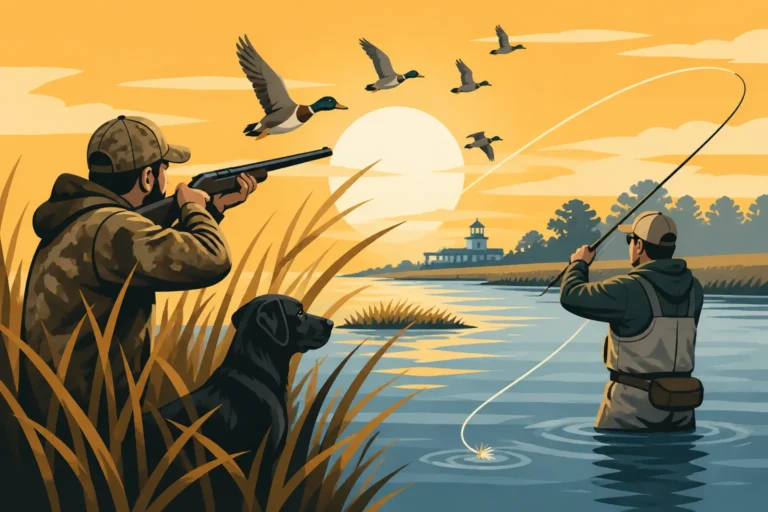
When we talk about calling the shot, the very first thing that comes to mind should always be safety. In any hunting situation involving multiple people, there needs to be a clear understanding of zones of fire. Who is responsible for what angle? What's beyond your target? Is there any chance a bullet or arrow could endanger another hunter, a dog, or even nearby property? Without a designated person or a pre-discussed protocol for calling the shot, you risk confusion in a high-pressure moment, which can have catastrophic consequences. Imagine a scenario in a waterfowl blind where two birds lock up over the decoys, and two hunters shoulder their guns simultaneously. Without a clear "take 'em!" from one designated person, you could have guns swinging across each other, or worse, someone inadvertently aiming toward another's position. This isn't just about the immediate shot; it's about the entire sequence of events leading up to it and the environment around you.
Ethical Considerations: Fair Chase and Opportunity
Beyond safety, the "who calls the shot" dilemma also touches on the ethics of fair chase and the equitable distribution of hunting opportunities. No one wants to feel like they're being cut off, or that another hunter is constantly jumping the gun. If you're hunting with a group, especially if there's a mix of experienced and new hunters, or perhaps a youth hunter on Maryland's Junior Turkey Day, ensuring everyone gets a fair chance is important. It's about respecting the shared experience. For example, in a deer stand with two hunters, if a doe steps out, it might be the designated shooter's turn, or perhaps it's decided that the new hunter should have the first crack. These decisions, when made ahead of time or by a designated caller, prevent awkward silences, or worse, two people trying to shoot the same animal at the same time, leading to a botched shot or an injured animal.
Preventing Confusion and Frustration
The last thing you want on a hunting trip, whether it's a weekend with buddies or a dream hunt booked through a platform like BookYourHunt, is unnecessary confusion or frustration. When everyone knows their role, the hunt flows smoothly. If there's no clear leader or agreed-upon system, every single encounter with game becomes a potential moment of hesitation or conflict. Did he shoot? Was that my bird? Why didn't he wait? These thoughts can quickly sour a hunt, turning a potentially memorable experience into a stressful one. Clear communication, either explicitly stated by a guide or mutually agreed upon by hunting partners, eliminates this mental clutter and allows everyone to focus on the hunt itself. It brings a sense of order to what can be an incredibly chaotic and fast-paced situation.
General Rules of Engagement: When and Who Shoots
While every hunting situation is unique, there are some overarching principles and common practices regarding shooting order and calling the shot that apply across different types of hunting in Maryland. Understanding these can help you navigate most scenarios, even without explicit prior discussion, though talking it out beforehand is always best practice.
Deer Hunting: Single Hunter vs. Group Dynamics
For many deer hunters in Maryland, especially those bowhunting during When Maryland's Archery Season Opens in September or still-hunting solo in the woods, the decision of when and who shoots is entirely yours. You're the sole operator, making calls based on your comfort, the animal's behavior, and the shot opportunity. However, when you introduce another person into the equation, things change immediately.
-
Buddy Hunting: If you're sharing a blind or a stand with a friend, you absolutely need to discuss the shooting order beforehand. Will one person take the first shot at a legal buck, and the other focus on antlerless deer? Will you take turns on opportunities? What about if a truly magnificent animal presents itself—who gets priority? Often, the more experienced hunter might defer to the less experienced, or vice-versa, depending on individual goals. A common approach is "first opportunity," where the hunter who has the clearest, safest shot on a legal animal takes it. But even then, verbal confirmation like "I've got the deer" or "You take him" can prevent miscommunication.
-
Group Drives: In group deer drives, common in some parts of Maryland on private land, roles are usually clearly defined. Standers are positioned in key travel lanes, and drivers push deer towards them. The standers are typically the primary shooters, and they must have an absolute understanding of their safe zone of fire, ensuring no shot could possibly travel into another hunter's position or beyond. Drivers generally do not shoot, or only shoot at close-range, safe opportunities that break back through the drive itself, away from standers. The person organizing the drive is often the de facto "shot caller" by virtue of their strategic placement and briefing.
Waterfowl Hunting: Decoys, Flight Paths, and Blind Etiquette
Waterfowl hunting is perhaps the quintessential example of where calling the shot is critical. Ducks and geese often come into decoys quickly, multiple birds can be present, and the action is fast. Confusion here can lead to wasted shots, unsafe gun handling, and missed birds. Blind Etiquette on a Guided Waterfowl Hunt is a whole topic in itself, but shooting order is at its core.
-
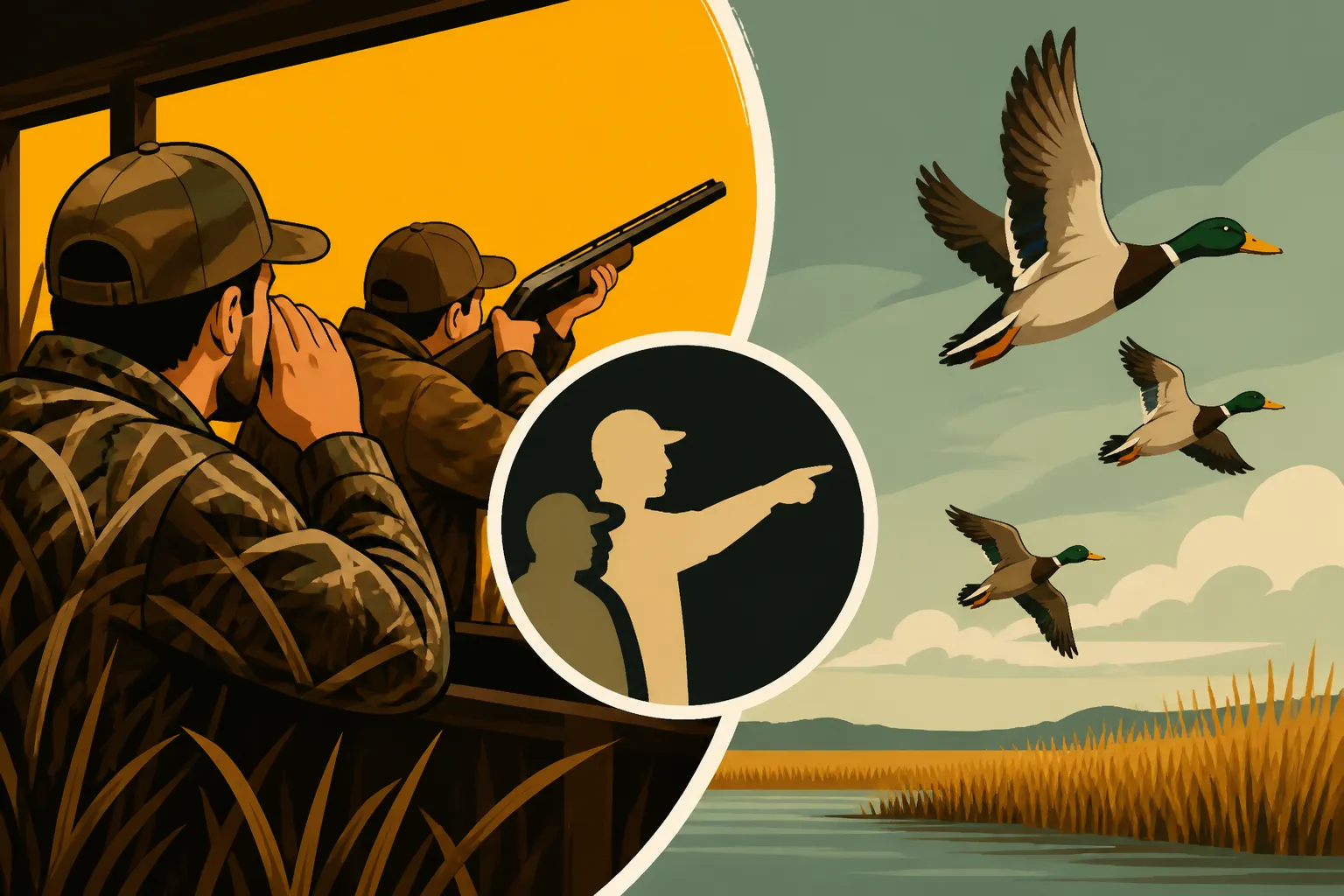
The Designated Caller: In almost every multi-person waterfowl hunt, there's a designated caller. This person is usually the most experienced, often the one calling the birds. They will watch the flight, judge distance and species, and when the birds are "in the blocks" and at optimal shooting range, they will give the command: "Take 'em!" or "Kill 'em!" or a similar phrase. This is the signal for everyone to rise and shoot. Until that command, everyone remains low and still.
-
Why It Matters: The designated caller ensures everyone has the best possible shot, that no one is "sky-busting" (shooting at birds too far out, spooking them for everyone), and that the species is correctly identified (crucial for adhering to specific bag limits, like those for specific ducks or The Atlantic Population Goose Zone Limit). If one person shoots early, it often flares the entire flock, ruining the opportunity for everyone else.
-
Taking Turns: Even after the call is made, there's an unwritten rule about taking turns if multiple birds are up. Usually, you pick a bird and stick with it. Some groups will designate "right bird" and "left bird" for pairs flying in. It prevents everyone from shooting at the same bird, leading to unnecessary misses or crippled birds, and helps distribute the harvest.
Small Game and Upland Birds: Fast-Paced Decisions
Small game hunting, like chasing rabbits through Maryland's farm hedgerows or squirrels in hardwood ridges, can be less formal but still benefits from clear communication, especially regarding safety.
-
Zones of Fire: When hunting with dogs for rabbits or pheasants, it's vital to know where your hunting partners are. Shotgun patterns spread, and hunters need to be aware of their surroundings. Usually, a simple "on your side!" or "going left!" from the person whose dog is on point or who flushes the game can help direct the action safely. The person with the clearest, safest shot should take it.
-
Passing on Birds: In upland bird hunting, particularly if flushing wild pheasants or quail, the bird may get up on one person's side, but if the shot isn't clean or safe, they might pass it to another hunter in a better position. This requires trust and quick, verbal communication. There isn't usually one "caller," but rather an understanding of fluidity and safety.
Working with a Maryland Hunting Guide: Their Role
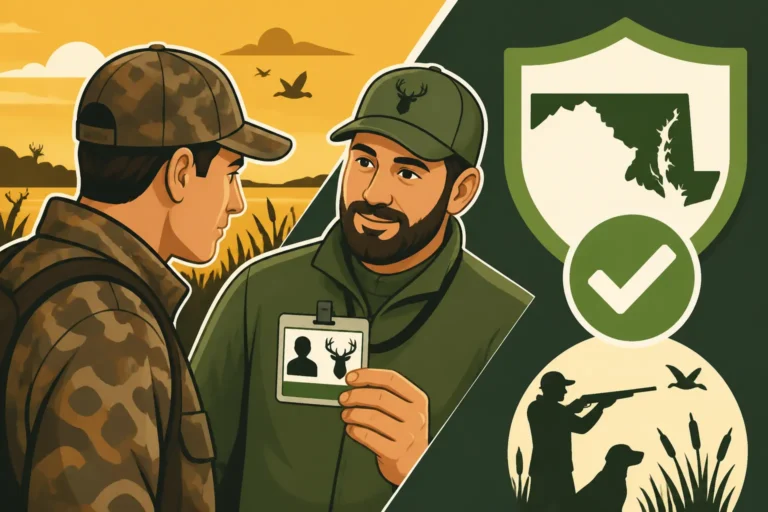
If you've booked a hunt with a professional outfitter or guide in Maryland, whether it's for Sika Deer Hunting in Maryland's Tidal Marshes or Goose Hunting Maryland's Eastern Shore Grain Fields, their role in calling the shot is paramount. You've hired them for their expertise, and part of that expertise is knowing when to shoot and who should shoot.
The Guide's Authority and Experience
A good Maryland hunting guide lives and breathes the local woods, fields, or marshes. They understand the game, the terrain, the weather conditions, and how to maximize your chances of success. They know what a truly "shootable" animal looks like, what legal requirements apply (such as Maryland's Counting Antler Points Before You Shoot rule), and the safest angles. When you're out with a guide, they are the ultimate authority on calling the shot. Their word is final, and it’s critical that you respect it.
For instance, if you're hunting sika deer in the marsh, your guide understands the specific behavior of these smaller deer, how they move through the phragmites, and the challenges of recovering them. If they say "Don't shoot, he's facing away" or "Wait, there's a better one coming," you need to trust their judgment. Similarly, in a goose blind, a guide knows the exact moment those birds are committing, wings cupped, fully in range, and how to manage the shot to ensure maximum impact and quick kills. They've invested countless hours into scouting, setting up blinds, and putting out decoys—they want you to succeed, but safely and ethically.
Communicating Expectations Before the Hunt
This is where planning and preparation come in handy. Before you even head out to the blind or the deer stand, a good guide will (or should) walk you through their expectations for shooting order. If they don't, it's on you to ask!
Here are some questions to clarify with your guide:
- Who calls the shot? (Almost always the guide, but confirm.)
- What are we looking for? (Specific size buck, any antlerless deer, specific duck species, etc.)
- What's the signal? (A verbal "Take 'em!", a tap on the shoulder, etc.)
- What happens if multiple animals present? (Do we take turns? Does the guide designate?)
- What's the protocol if a partner shoots early or makes a mistake? (It happens, best to know how it's handled.)
- Are there any specific safety zones or no-shoot areas?
Platforms like GoHunt or BookYourHunt often have outfitter profiles where you can see reviews and even ask questions about these operational details before you book. Getting this clarity upfront ensures that everyone is on the same page, eliminating potential missteps in the field.
Following the Guide's Lead in the Field
Once you're actually hunting with a guide, your primary job is to listen and follow instructions. If the guide says "Wait," you wait. If they say "Take the bird on the left," you target the bird on the left. This isn't just about showing respect; it's about maximizing your success and safety. Overriding a guide's call, or shooting without their command, can be incredibly frustrating for them and potentially dangerous. It can also ruin the hunt for your entire party.
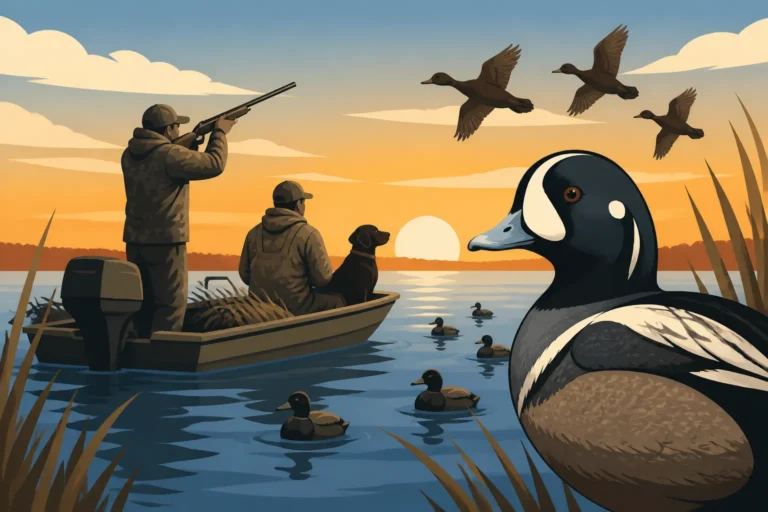
For example, on a guided sea duck hunt on Chesapeake Bay Sea Duck Charters in Maryland, the boat captain and guide will position the vessel for optimal shots and will likely call the shot when the birds are in range and the boat is stable. Shooting before their command could put another hunter or the boat itself in a precarious position. Similarly, on a guided bear hunt after you've drawn a tag from Maryland's Black Bear Lottery, the guide's knowledge of bear behavior and shot placement will be invaluable, and you need to trust their expertise on when to take the shot.
Practical Scenarios and Common Hunting Situations
Let's dive into a few specific, common scenarios you might encounter in Maryland and how the "who calls the shot" rule typically applies.
Multiple Hunters, One Animal
This is probably the most frequent cause of confusion. You're in a blind or stand with a partner, and a single legal animal—a buck, a gobbler, a single goose—steps or flies into range.
-
Pre-arranged Turn-Taking: The simplest solution is a pre-arranged turn system. "It's your turn for the first legal buck, John." Or, "I'll take the first doe." This removes any doubt in the moment. When the animal appears, the designated shooter confirms, "I've got him," and takes the shot.
-
First Clear Shot: Another common agreement is that whoever has the first clear, ethical, and safe shot takes it. This requires strong communication. If a buck steps out, and you have a perfect broadside while your partner is blocked by a tree, you'd confirm, "I have a shot!" and take it. Conversely, if your partner has the better angle, you'd defer.
-
Guide's Discretion: With a guide, they will almost certainly make the call. "Sarah, take that goose on the right." Or, "George, that's your buck." They'll know who has the best position, who might need an opportunity, or who is simply designated for that particular animal based on your pre-hunt discussion. On some waterfowl hunts, guides will instruct hunters to only shoot at birds over their side of the blind, effectively creating individual shooting zones.
Sharing the Opportunities
Sometimes the goal isn't just one animal, but ensuring everyone has a chance to harvest. This often comes up in situations like spring turkey hunting or during multi-day waterfowl trips.
-
Turkey Calling and Shooting: When Calling a Gobbler Off a Maryland Farm Roost with a partner, one person might be designated the primary caller and the other the primary shooter, or you might switch roles each day. The caller often directs the shot, signaling when the bird is in range. If two gobblers come in, the caller might say "You take the one on the left, I'll take the one on the right," ensuring both hunters have an opportunity. This requires good judgment and quick target acquisition.
-
Waterfowl Limits: With specific bag limits on ducks and geese, a guide might manage the shooting to ensure the group harvests a variety of birds or fills specific tags. They might call out "Don't shoot the mallards, let's wait for some pintails!" or "Let the singles go, we need a pair for everyone to get a shot." This is part of their expertise in managing the hunt for the entire group.
When the "Wrong" Animal Appears
It's bound to happen: you're hunting for a specific animal, but something else steps out or flies in. How is the shot handled then?
-
Legal vs. Desired: Let's say you're hunting for a mature buck, but a spike buck or a doe presents a perfect shot. If you're hunting alone, it's your call based on your tags and desires. With a partner, you'd communicate: "Doe at 50, do you want her?" If you have a guide, they might say, "You've got an antlerless tag, take her if you want the meat," or "Pass on her, we're holding out for a bigger buck." Their direction is key.
-
Non-Target Species: Sometimes, a non-target species might wander through. A red fox might walk past your deer stand, or a swan might land near your duck decoys. The guide will certainly tell you not to shoot (unless you're on a specific predator hunt, of course). Knowing the local regulations, like those for Tundra Swans and Why They Stay Off Limits, is crucial, and a guide will ensure you comply.
Remember, the goal is always a safe, ethical, and enjoyable hunt. Clear communication, mutual respect, and a willingness to follow a designated "shot caller" (especially a paid professional) are the cornerstones of achieving that goal. Before heading into the Maryland woods or onto the Chesapeake, take a moment to discuss these vital points with your hunting companions or guide.
Disclaimer
This article is for general informational purposes only and does not constitute professional advice. Laws, prices and regulations vary by location and change over time. Consult a qualified professional for guidance on your specific situation.