Which Stamps a Deer Hunter Needs
Let's be honest, figuring out exactly which licenses and stamps you need to hunt deer in Maryland can feel like trying to solve a complicated puzzle, especially if you're new to the state or just getting back into the field. It’s not as simple as just grabbing a general hunting license and heading out; Maryland has specific requirements that can leave even seasoned hunters scratching their heads. This comprehensive guide is here to clear up the confusion, walking you through every necessary stamp and permit so you can hit the woods legally and confidently.
Navigating the Maryland Hunting License Maze
Before you even think about which specific deer stamps you might need, it’s crucial to understand the foundational layer of Maryland’s hunting regulations: the general hunting license itself. This isn't just a piece of paper; it's your official entry ticket into the world of hunting in the Free State. Without it, none of the additional stamps or permits matter.
The Fundamental Maryland Hunting License
Every hunter, regardless of their target species or preferred weapon, must first possess a valid Maryland hunting license. Think of this as your base membership. Whether you're a lifelong resident who's been chasing whitetails since you were old enough to hold a gun, or a nonresident visiting to try your hand at the legendary Sika deer of the Eastern Shore, this is step one. The cost and specific options for this base license vary depending on your residency and age. For instance, Maryland Resident License Options differ significantly from Maryland Nonresident License Options, and special considerations exist for juniors and seniors. You can purchase these through the Maryland Department of Natural Resources (DNR) COMPASS system, an online portal that also allows you to manage your permits and registration.
This base license allows you to hunt most game animals in Maryland, but it often doesn't cover specific species or weapon types. That's where the "stamps" come into play. It’s a common point of frustration for new hunters, wondering why they need to buy multiple items. The rationale is often to help fund specific conservation efforts or management programs tied to those particular hunting methods or species.
Deconstructing the "Stamp" Requirement
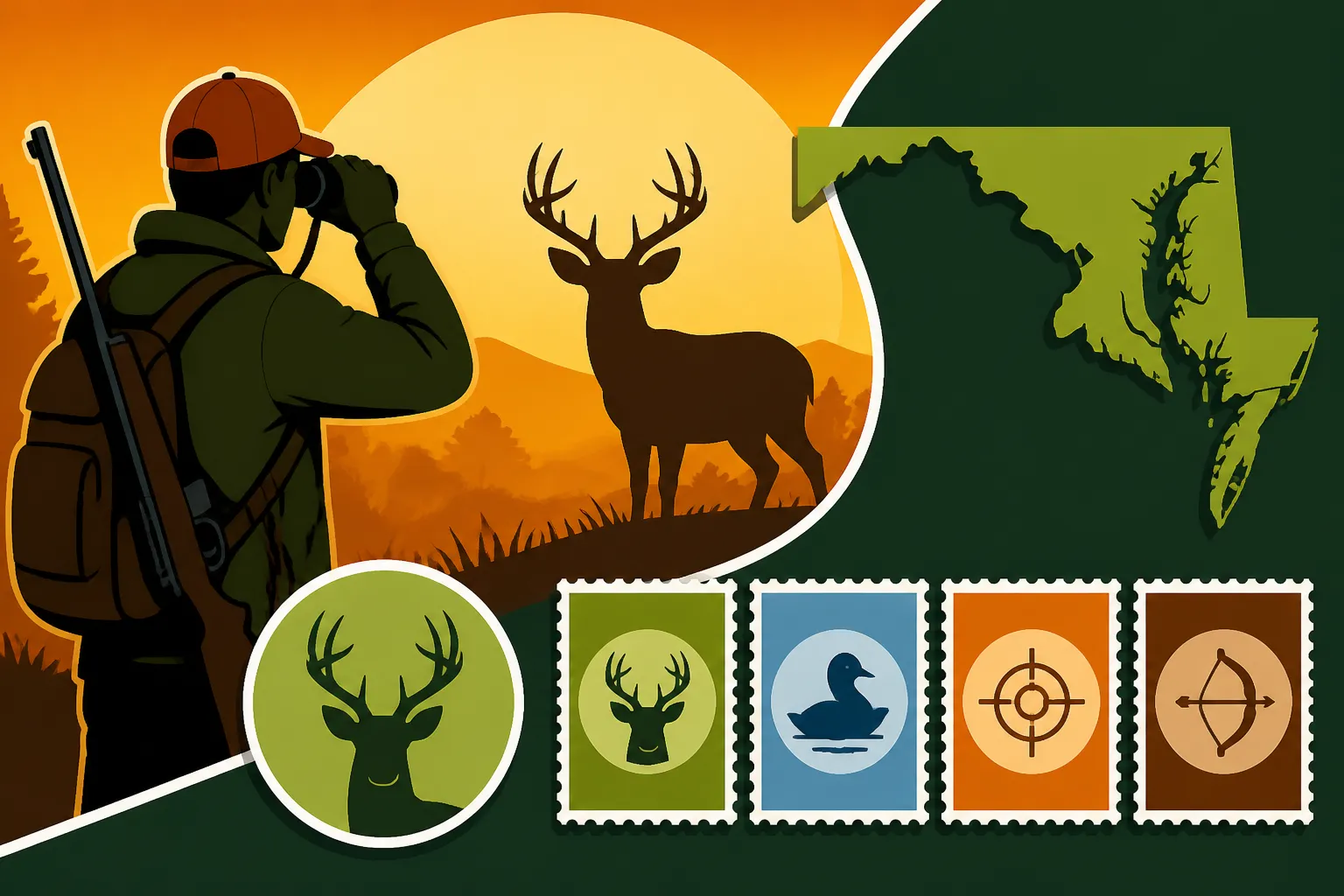
So, what exactly is a "stamp" in the context of Maryland hunting? It’s not always a literal sticky stamp like you'd put on an envelope anymore, although they used to be. Today, these are typically endorsements or privileges added to your base hunting license, purchased digitally through the COMPASS system. They signify that you've paid the additional fee and are authorized to use a certain weapon type (like a bow or muzzleloader) or hunt a specific game animal (like Sika deer) that requires extra regulation or funding.
The system might seem a bit convoluted initially. Why not just one all-encompassing deer license? Well, Maryland, like many states, uses these stamps to finely tune its wildlife management and revenue collection. For example, revenue from Archery Stamps might specifically support bowhunter access programs or initiatives related to deer management in areas predominantly hunted with archery equipment. It's a way to ensure that the hunters participating in specific activities are contributing directly to the management of those activities. Moreover, these stamps help the DNR track participation rates for different hunting methods, providing valuable data for future season setting and resource allocation. Understanding this helps demystify what often feels like just another fee.
Essential Stamps for Any Maryland Deer Hunter
Once you have your general hunting license sorted, your next step is to consider how you plan to hunt deer. Maryland offers diverse seasons, each with its own specific weapon requirements, and with those come specific stamps. For deer hunters, two stamps stand out as absolutely essential depending on your preferred method: the Archery Stamp and the Muzzleloader Stamp.
The Maryland Archery Stamp: Your Bowhunting Key
If you plan on heading into the Maryland woods with a bow and arrow to chase whitetails or sika, the Maryland Archery Stamp is non-negotiable. This stamp grants you the legal right to hunt deer during the state's archery seasons, which are notoriously long and offer incredible opportunities, especially during the early season and the peak of the rut. You can learn more about specific regulations in the article, When Maryland's Archery Season Opens in September.
Even if you primarily hunt with a firearm during the firearms season, but you want to take advantage of those fantastic bowhunting opportunities in October or November, you'll need this stamp. It's not automatically included with your general hunting license. It's a distinct privilege that ensures bowhunting regulations, safety courses, and specific conservation efforts for archery seasons are properly funded and managed. Without this stamp, any deer taken with archery equipment, no matter how perfectly executed the shot, would be considered an illegal harvest, leading to significant penalties. So, before you string your bow and practice your draw, make sure that Archery Stamp is securely added to your COMPASS profile.
The Maryland Muzzleloader Stamp: Blackpowder Prowess
For those who appreciate the challenge and tradition of hunting with a blackpowder firearm, the Maryland Muzzleloader Stamp is a must-have. This stamp specifically authorizes you to participate in Maryland's muzzleloader deer seasons, which are distinct periods set aside for these traditional firearms. These seasons often fall between the archery and firearms seasons, or as late-season opportunities, providing unique hunting windows when deer behavior might be different. For example, Maryland Muzzleloader Season Dates often occur when bucks are still active after the rut, or during cold weather when deer are focused on late-season food sources.
Just like the Archery Stamp, the Muzzleloader Stamp is a separate purchase from your general hunting license. It's important not to confuse it with a general firearms license, which isn't a specific "stamp" in Maryland's system but rather part of the overall hunting regulations for modern firearms. If you hunt with both a modern rifle (where legal) and a muzzleloader, you’ll need the muzzleloader stamp for those dedicated blackpowder seasons. This ensures that the specific management and safety protocols associated with muzzleloader hunting are adequately supported, contributing to a well-managed and safe hunting environment for everyone choosing this method.
Strategic Stamps for Maximizing Your Deer Harvest
Beyond the basic weapon-specific stamps, Maryland offers additional stamps that can significantly expand your hunting opportunities, particularly if you're looking to harvest more deer or pursue specialized game like Sika. These aren't always mandatory for every deer hunter, but they can be incredibly valuable additions depending on your goals.
The Bonus Antlered Deer Stamp: Beyond Your First Buck
Maryland's deer bag limits can be quite generous, especially for antlerless deer, but when it comes to antlered deer (bucks), regulations are often stricter. This is where the Bonus Antlered Deer Stamp comes into play. Typically, most hunters are allowed one antlered deer per license year as part of their base privilege. However, for those keen to pursue another buck, particularly in certain regions, this stamp opens that door.
The Bonus Antlered Deer Stamp is primarily relevant for hunters in Region B, which encompasses most of the state's counties, generally characterized by more agricultural and suburban landscapes where deer populations are robust. Region A, primarily Garrett and Allegany counties in Western Maryland, has different rules due to lower deer densities. If you plan on taking a second antlered deer in Region B during a single season, you absolutely need this stamp. It’s a strategic purchase for dedicated buck hunters who want to maximize their chances or simply enjoy more time pursuing trophy animals. Always double-check the current year's regulations for Maryland's Statewide Antlered Deer Bag Limit and specific county rules before relying on this stamp, as regulations can occasionally shift. This stamp is a clear indication that the state is managing its antlered deer harvest carefully, using it as a tool to control herd numbers while providing additional recreational opportunities for hunters.
The Sika Deer Stamp: A Niche Pursuit
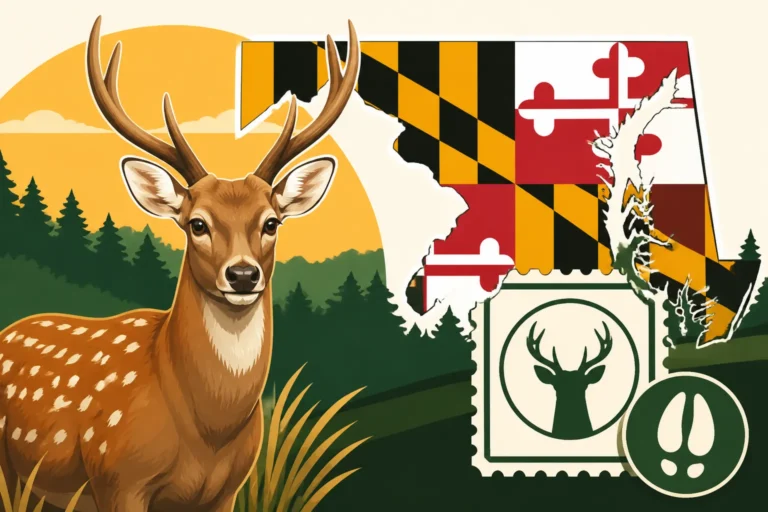
Maryland is unique for being home to a thriving population of Sika deer, an exotic species introduced decades ago that has become a challenging and sought-after quarry on the Eastern Shore, particularly in the tidal marshes of Dorchester County. If hunting these "Japanese Elk" is on your bucket list, you'll need the Maryland Sika Deer Stamp. This stamp is specifically dedicated to hunting Sika deer, regardless of whether you're using archery, muzzleloader, or firearms.
Even if you already have your Archery or Muzzleloader Stamp, if your intention is to pursue Sika deer, this additional stamp is required. The revenue generated from the Maryland Sika Deer Stamp Rules directly supports the management, research, and conservation efforts focused on this particular species. These funds might go towards habitat preservation in the marshlands where Sika thrive, or towards studies to understand their population dynamics and impact on native ecosystems. Hunting Sika deer offers a truly distinct experience, often involving wading through challenging marsh terrain, and the Sika Deer Stamp is your official acknowledgment of participating in this specialized hunt.
Important Considerations Beyond the Stamps
While securing the correct stamps is a critical step, there are other vital aspects of Maryland deer hunting regulations that every hunter must understand to stay legal and ethical in the field. Ignoring these details can lead to fines, loss of hunting privileges, or worse.
Understanding Maryland's Deer Bag Limits and Antler Rule
Maryland has specific bag limits for both antlered and antlerless deer, and these can vary significantly between the state's two deer management regions: Region A (western mountains) and Region B (the rest of the state). For example, How Many Antlerless Deer Region B Allows can be quite high, encouraging hunters to take does to manage population growth, while Region A limits are generally more conservative.
Beyond bag limits, Maryland also implements an "antler rule" to protect younger bucks and promote a more mature deer herd. In most areas, an antlered deer must have at least three points on one antler to be legally harvested, or be a specific width across the main beams. This rule has exceptions, often allowing a hunter to take one "junior" buck that doesn't meet the three-point requirement, but understanding when and how this exception applies is crucial. It’s not about just counting points in the field; it's about understanding the nuances of Maryland's Three-Point Antler Restriction and making an informed decision before you pull the trigger or release an arrow. Consulting the official Maryland DNR hunting guide each year is paramount, as these rules can have slight modifications.
Where and When to Purchase Your Stamps
Maryland's hunting licenses and stamps are primarily purchased online through the DNR's COMPASS system. This digital portal makes it convenient to buy your permits from anywhere, at any time, as long as you have an internet connection. Many sporting goods stores and bait shops across the state also serve as vendors, allowing you to purchase licenses and stamps in person if you prefer or need assistance. However, the COMPASS system is the most direct and reliable method.
It's highly recommended to purchase all necessary licenses and stamps well in advance of your planned hunt. Don't wait until opening morning! While the system is generally robust, technical glitches, internet issues, or simply forgetting a password can cause unnecessary stress and delay your hunt. The season dates, like Maryland Archery Season Opening Day or Maryland Muzzleloader Season Dates, are published months in advance, giving you ample time to prepare. Using a platform like GoHunt can help you keep track of these dates and ensure you're aware of any upcoming deadlines for stamp purchases.
Carrying Your License and Stamps in the Field
Even though most licenses and stamps are now digital, you are still legally required to have proof of them while hunting. This means either carrying a physical printout of your license and stamps or having them readily accessible on a mobile device. The Maryland DNR's COMPASS system typically allows you to view your license and stamps on your smartphone. Carrying Your License on Your Phone is a popular and convenient option, but always ensure your device is charged and protected from the elements.
It's a good practice to carry a physical copy in your hunting pack as a backup, especially in areas with spotty cell service. A conservation officer needs to be able to verify your legal hunting status quickly and efficiently. Not being able to produce proof of your required licenses and stamps upon request can result in a citation, even if you genuinely purchased them. This seemingly small detail is critical for compliance and ensures a smooth interaction should you encounter a game warden in the field.
Exemptions and Special Circumstances
Maryland's hunting regulations, while comprehensive, also account for certain exemptions and special circumstances that can impact who needs which stamps. It's important to understand these specific scenarios, as they can save you money or provide opportunities under different rules.
Landowner Exemptions and Deer Management Permits
If you're a bona fide landowner in Maryland, actively farming your land, or certain family members, you might be exempt from needing a hunting license and associated stamps when hunting your own property. However, this exemption comes with specific criteria. The land must meet certain acreage requirements, and you must be hunting on your own land, not just any property you own. For a complete breakdown, you can check out Maryland Landowner Hunting Exemptions. This exemption is designed to allow landowners to manage wildlife on their property without the additional financial burden of licenses, often assisting in crop damage control or local herd management.
Beyond the general landowner exemption, Maryland also offers specific Deer Management Permits (DMPs) to landowners experiencing significant deer damage to crops or property. These permits allow for the harvest of additional antlerless deer outside of regular seasons and bag limits, specifically to mitigate damage. While not a "stamp" in the traditional sense, a DMP acts as an authorization for specific individuals to conduct deer reduction activities, and those hunting under a DMP would not typically need the standard stamps for that specific permit activity. These permits are crucial tools in localized deer population control and are a testament to the DNR's adaptive management strategies.
Youth and Apprentice Hunter Provisions
Maryland strongly encourages the next generation of hunters through its youth and apprentice hunter programs. These programs offer simplified entry points and reduced costs for aspiring hunters, which also affect stamp requirements. For instance, junior hunters (typically under 16) often pay significantly less for their base licenses and may have certain stamps included or waived, especially when hunting under the direct supervision of a licensed adult mentor. The Youth Hunting License Cost and Age Limits details these specifics.
The Apprentice Hunter License program is another excellent pathway. It allows individuals (of any age, resident or nonresident) to try hunting for two years under the mentorship of a fully licensed hunter without first completing a hunter education course. While they still need to purchase an Apprentice Hunting License, the requirements for additional stamps might be modified when hunting with a mentor. Maryland Apprentice Hunting License Rules will provide the nuances here. These provisions are designed to lower barriers to entry, making it easier for new participants to gain experience and learn the ropes in a controlled environment, ensuring the future of Maryland's hunting heritage. Using resources like GoHunt can help new hunters navigate these options effectively.
Maryland Deer Hunting Stamps at a Glance
To simplify things, here's a quick overview of the common stamps Maryland deer hunters need:
| Stamp Name | Required For | Typically Needed By | Purpose |
|---|---|---|---|
| Base Hunting License | Any hunting in Maryland | All hunters (with few landowner exceptions) | Fundamental legal right to hunt. |
| Maryland Archery Stamp | Hunting deer with a bow and arrow | All bowhunters | Authorizes hunting during archery deer seasons. |
| Maryland Muzzleloader Stamp | Hunting deer with a muzzleloading firearm | All muzzleloader hunters | Authorizes hunting during muzzleloader deer seasons. |
| Bonus Antlered Deer Stamp | Taking a second antlered deer in Region B | Hunters seeking an additional buck | Allows harvest of one additional antlered deer in Region B. |
| Maryland Sika Deer Stamp | Hunting Sika deer | All Sika deer hunters | Authorizes hunting specifically for Sika deer. |
Disclaimer
Please remember that hunting regulations, license fees, and stamp requirements can change from year to year. While this guide aims to be comprehensive and up-to-date, it is your responsibility as a hunter to consult the official Maryland Department of Natural Resources (DNR) hunting guide or website for the most current and accurate information before heading afield. This guide is for informational purposes only and should not be considered legal advice.