Maryland Duck Season Dates
Trying to pin down Maryland's duck season dates can often feel like you're trying to hit a moving target – it's complicated by different zones, split seasons, and a whole host of federal regulations that change slightly year after year. It's frustrating to plan a hunt only to realize you've misread a critical date. This guide will help you decipher the Maryland duck hunting calendar, ensuring you understand the various zones, key season splits, and other essential details to confidently pursue waterfowl across the Free State.
Understanding Maryland's Waterfowl Zones and How They Affect Duck Season Dates
Maryland's geography is unique, ranging from the vast Chesapeake Bay to the Atlantic Ocean, and this diversity means that not all duck hunting seasons are created equal across the state. The U.S. Fish and Wildlife Service, in conjunction with the Maryland Department of Natural Resources (DNR), establishes zones to manage migratory bird populations effectively. These zones reflect distinct migratory patterns and habitat types, directly influencing when and where you can hunt specific species.
The Importance of Migratory Bird Flyways
Ducks, geese, and other migratory birds don't adhere to state lines; they follow ancient flyways that stretch across continents. Maryland sits squarely within the Atlantic Flyway, a critical corridor for millions of waterfowl traveling between their northern breeding grounds and southern wintering areas. Because of these broad migratory patterns, waterfowl seasons are set through a complex federal framework that then allows states to set their specific dates within those federal guidelines. This is why you'll see different opening and closing dates, as well as varying bag limits, for different zones within Maryland. These zones are designed to maximize hunting opportunities while simultaneously protecting the overall health of the waterfowl population moving through our state.
Deciphering Maryland's Duck Zones
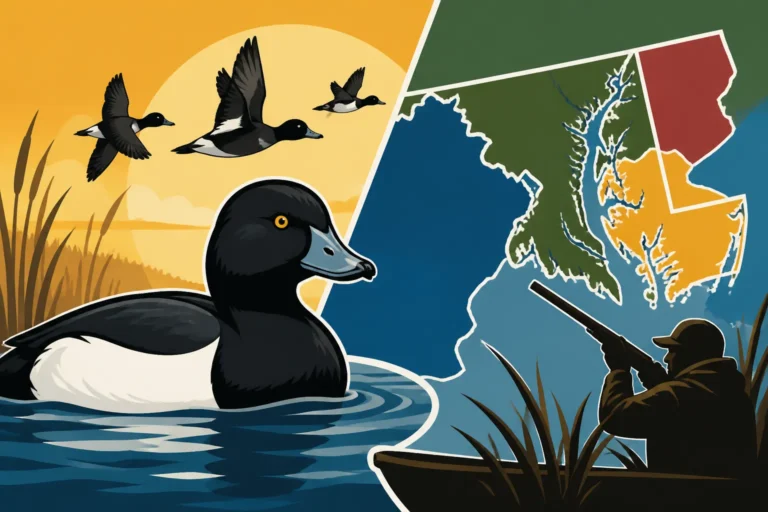
When you look at the Maryland Hunting and Trapping Guide, you'll immediately notice the distinction between the "Bayside" and "Atlantic Population" waterfowl zones. The Bayside Zone generally encompasses the Chesapeake Bay and its tributaries, as well as all other inland waters. This is where most of the state's duck hunting occurs, targeting everything from dabblers like mallards and black ducks to divers like canvasbacks and scaup. The Atlantic Population Zone, on the other hand, is specifically for the smaller areas along the Atlantic Ocean, including the coastal bays and offshore waters. It's crucial to know which zone you're hunting in, as the season dates and sometimes even the species-specific bag limits can differ significantly. Failing to check this can lead to a citation faster than a diver can disappear beneath a wave. For broader context on how these regional differences impact your pursuit, you might want to read more about Maryland's Waterfowl Zones and Season Dates.
Maryland's General Duck Season Dates: Puddle Ducks and Diving Ducks
Once you understand the zones, the next step is to navigate the specific season dates. Maryland’s duck seasons are typically broken into several "splits" – shorter periods of open hunting separated by brief closures. This structure is designed to allow hunters to target birds during different phases of their migration and to provide periods of respite for waterfowl. It’s a dance between offering opportunity and ensuring sustainability.
Puddle Duck Season Splits
Puddle ducks, also known as dabbling ducks, are typically found in shallower waters, tipping forward to feed rather than fully submerging. This group includes popular species like mallards, black ducks, wood ducks, green-winged teal, and gadwall, which are staples for many Maryland waterfowlers. Their seasons in Maryland usually begin with an early split, often in late September or early October, that focuses heavily on local birds and early migrants like teal and wood ducks. This early season is often short, a chance to knock the rust off the shotgun before the main migration hits.
The primary season then kicks in, usually starting in mid-November, coinciding with cooler weather and the arrival of larger numbers of migratory birds. This main split runs for an extended period, often through late December, offering consistent hunting as new birds push into the region. After a brief closure, a late split often reopens in January, lasting until the end of the month. This late season can be fantastic, especially if winter weather has concentrated birds, but it also means dealing with colder conditions and often warier ducks. Always confirm these dates with the official Maryland DNR hunting guide, or use a reliable resource like GoHunt, which often updates its platform with the latest regulatory information as soon as it's released. If you're specifically targeting these agile birds, understanding their habits is key, and you can learn more about Puddle Ducks of the Maryland Marshes.
Diving Duck Season Splits
Diving ducks, like canvasbacks, redheads, scaup (bluebills), goldeneyes, and buffleheads, prefer the deeper, open waters of the Chesapeake Bay and its larger tributaries. Their seasons generally follow a similar split structure to puddle ducks, but the specific dates might differ slightly to align with their unique migratory patterns. Canvasbacks, in particular, are iconic symbols of Chesapeake Bay hunting, drawing enthusiasts from far and wide.
The diving duck season also usually has an early split, but the core of the season really gets going when the main migration of these birds arrives in the colder months. This typically means a strong opening in mid-to-late November, extending through December, and then a final split in January. Hunters pursuing divers often face different challenges than puddle duck hunters, requiring specialized boats, larger decoy spreads, and a keen understanding of the open water environment. It's a completely different rhythm, and the weather on the open Bay can be unforgiving. If you're considering a trip for these hardy birds, a deep dive into Diving Ducks of the Chesapeake would be highly beneficial to prepare yourself.
| Maryland Duck Season Zone | Typical Early Split | Typical Main Split | Typical Late Split | Primary Target Species |
|---|---|---|---|---|
| Bayside Zone | Late Sep – Early Oct | Mid Nov – Late Dec | Early – Late Jan | Mallards, Teal, Wood Ducks, Canvasbacks, Redheads |
| Atlantic Population Zone | Late Sep – Early Oct | Mid Nov – Late Dec | Early – Late Jan | Black Ducks, Mallards, Scoters, Brant |
Note: These are general ranges. Always consult the current year's official Maryland Hunting and Trapping Guide for exact dates. Season dates are subject to change annually based on federal frameworks and state regulations.
Special Duck Seasons and Considerations
Beyond the general season dates for puddle and diving ducks, Maryland offers specific opportunities for youth, veterans, and even certain species like sea ducks that fall under slightly different regulations. These special seasons are often designed to encourage participation or manage specific populations.
Youth Waterfowl Days
Maryland is dedicated to fostering the next generation of hunters, and the Youth Waterfowl Hunting Days are a shining example of this commitment. These special days are typically held outside the regular season, often in early February after the general duck season has concluded, or sometimes in a split format with an earlier date in the fall. During these designated periods, eligible young hunters (usually under 16 years of age) can hunt ducks, geese, and coots, provided they are accompanied by a properly licensed adult mentor. The adult cannot hunt but can call, retrieve birds, and provide instruction.
These days are invaluable for introducing newcomers to the sport in a less pressured environment. It allows for focused teaching on safe firearm handling, ethics, waterfowl identification, and the sheer joy of watching a sunrise over the marsh. It’s an unforgettable experience for many young hunters, and it emphasizes mentorship and responsibility. To understand the specific age requirements and rules, check out the information on Youth Waterfowl Hunt Days and Ages.
Veteran and Military Waterfowl Days
In recognition of their service, Maryland also designates specific Veteran and Military Waterfowl Hunting Days. These days usually run concurrently with the Youth Waterfowl Days, often in February. They provide a unique opportunity for veterans and active-duty military personnel to enjoy a day afield hunting migratory birds. Like the youth days, these are structured to be low-pressure opportunities, sometimes offering a chance for camaraderie among service members. It’s a small way the state acknowledges the sacrifices made by those who serve. Eligibility typically requires proof of service, so make sure to check the specific requirements in the annual hunting guide.
Specific Species Seasons: Sea Ducks and Brant
While most duck species fall under the general puddle or diving duck seasons, some have their own distinct regulations. Sea ducks—like scoters, long-tailed ducks (formerly oldsquaws), and eiders—are often hunted in specific offshore zones with different dates and bag limits. These are hardy birds that thrive in the rough, open waters of the Atlantic, and hunting them requires specialized boats and gear. Their season might open earlier or close later than the general duck seasons, reflecting their unique life cycles and migration patterns.
Similarly, Brant, a small goose species that often travels with sea ducks, also has its own distinct season and bag limit. It's easy to mistake a Brant for a small Canada Goose, but they are a separate species with different federal management parameters. Hunters need to be particularly vigilant with waterfowl identification to avoid violating species-specific regulations. While a full deep dive into these unique hunts might be found in a resource like Sea Duck Hunting Maryland's Offshore Zone, it's important to be aware that these seasons exist and have their own distinct rules.
Navigating the Nuances: Bag Limits, Licenses, and Local Conditions
Understanding the season dates is just one piece of the puzzle. To be a truly prepared and responsible waterfowl hunter in Maryland, you need to consider bag limits, licensing requirements, and how local conditions can impact your hunt.
Daily Bag Limits and Species Restrictions
Maryland’s daily bag limits for ducks are set by the U.S. Fish and Wildlife Service, with states implementing them. These limits are not simply a blanket number for "ducks"; they are often species-specific, with restrictions on the number of certain species you can harvest within your total bag. For example, while the general duck bag might be six birds, there could be sub-limits for species like mallard hens, pintails, canvasbacks, black ducks, and wood ducks. Some species, like the harlequin duck, are fully protected and cannot be harvested at all.
It's absolutely critical to be able to identify your birds in flight and on the water before you shoot. Misidentifying a bird can not only lead to exceeding a species-specific limit but could also result in shooting a protected species, both of which carry significant penalties. Always study your waterfowl identification guides before the season and consider hunting with an experienced partner who can help confirm species in the field. This detailed approach extends to all migratory birds, so it's a good practice to review the Duck Daily Bag Limit by Species each year.
Essential Licensing Requirements
Before you even think about setting decoys, you need to ensure all your paperwork is in order. Hunting migratory birds in Maryland requires more than just a basic hunting license. You'll need:
- Maryland Hunting License: The foundational license for all hunting activities in the state.
- Maryland Migratory Game Bird Stamp: This state stamp supports waterfowl conservation efforts within Maryland. You can find information about the Maryland Migratory Game Bird Stamp Cost in the annual guide.
- Federal Duck Stamp: This stamp is a federal requirement for all waterfowl hunters 16 years of age or older. Funds generated from its sale go directly into acquiring and protecting wetland habitats across the country. Make sure you understand all the Federal Duck Stamp Rules for Bird Hunters.
- Harvest Information Program (HIP) Registration: This is a mandatory federal program that collects harvest information for migratory bird species. You register annually through the Maryland COMPASS system, and it's free. This helps wildlife managers monitor migratory bird populations. Don't forget to complete your HIP Registration for Migratory Bird Hunters.
Missing any one of these can turn a successful hunt into an illegal one. It's a good habit to purchase all your licenses and stamps well in advance of the season, and many hunters use online platforms like GoHunt to keep track of their license status and relevant regulations, ensuring they don't overlook any crucial steps.
The Impact of Weather and Tides on Your Hunt
Maryland's waterfowl hunting is heavily influenced by the weather and the Bay's tides, especially on the Eastern Shore. A sharp cold front pushing down from the north can bring in new flights of ducks and geese, revitalizing hunting opportunities. Conversely, prolonged mild weather can delay migration, leading to slower hunting, especially during early season splits.
Tides are an equally critical factor, particularly for marsh hunting for species like black ducks or sika deer, which often share the same habitat. A high tide might allow you to access certain areas by boat that are unreachable at low tide, while a falling tide can concentrate birds in gut channels and potholes. Paying attention to tide charts and weather forecasts isn't just about comfort; it's about strategizing your hunt for maximum success. For instance, successfully Hunting a Chesapeake Bay Blind at First Light often hinges on timing the tide perfectly. Whether you're Decoying Divers on Maryland's Open Bay or Jump-Shooting Ducks on an Eastern Shore Gut, the environmental conditions are always a dominant factor.
Preparing for a Successful Maryland Duck Season
With the season dates in hand and your licenses purchased, the next step is preparation. This isn't just about gear; it's about scouting, understanding bird behavior, and being ready for anything Mother Nature throws your way. Maryland offers some truly world-class waterfowl hunting, but it rewards those who put in the effort.
Scouting and Understanding Duck Behavior
Effective scouting is paramount. Ducks are creatures of habit, using consistent flight paths between roosting, feeding, and resting areas. Observing these patterns before the season opens, or even during the early splits, can dramatically increase your chances of success. Look for fresh sign, identify preferred food sources like submerged aquatic vegetation (SAV) or waste grain in agricultural fields, and note how birds react to pressure. Many hunters use mapping tools, like those offered by GoHunt, to mark potential hotspots, access routes, and public land boundaries, which is invaluable for pre-season planning.
Understanding the behavior of different species is also key. Mallards might prefer flooded timber or cornfields, while canvasbacks will raft up in large groups on open water, only moving to feed at specific times. Black ducks are notoriously wary and often prefer secluded marsh guts. Tailoring your decoy spread, calling techniques, and concealment to the specific birds you're targeting in their specific habitat will make a huge difference.
Essential Gear and Safety Considerations
Your gear list will vary depending on whether you're hunting open water or a shallow marsh, but some items are universally critical. Reliable waders, waterproof and warm clothing layers, a well-maintained shotgun, and appropriate ammunition are non-negotiable. For open water hunting, a safe and reliable boat is essential, complete with all necessary safety equipment like PFDs, lights, and communication devices.
Safety should always be your top priority. Hypothermia is a real danger in Maryland's cold waterfowl season, so never skimp on proper layering and waterproof gear. Always let someone know where you're hunting and when you expect to return, especially if you're venturing out alone. Being proficient with your firearm and understanding ethical shot distances will also ensure clean kills and minimize wounded birds. Hunting on the water also means understanding boat safety, especially when navigating the unpredictable Chesapeake Bay.
Final Thoughts on Maryland Duck Season
Maryland duck hunting is more than just a sport; it's a cherished tradition deeply intertwined with the state's natural heritage. From the crisp mornings on the Eastern Shore to the vast expanse of the Chesapeake, each hunt offers a unique challenge and a chance to connect with the wild. While the regulations can seem daunting at first glance, taking the time to understand the zones, season splits, and licensing requirements will empower you to enjoy these opportunities responsibly and successfully. Remember, the true reward isn't just the birds in hand, but the experience, the camaraderie, and the beauty of the Maryland outdoors.
Disclaimer
Please remember that hunting regulations, season dates, and bag limits can change annually. This guide provides general information and historical context. Always consult the most current official Maryland Department of Natural Resources (DNR) Hunting and Trapping Guide or visit their official website before planning and executing any hunt to ensure compliance with all state and federal laws.