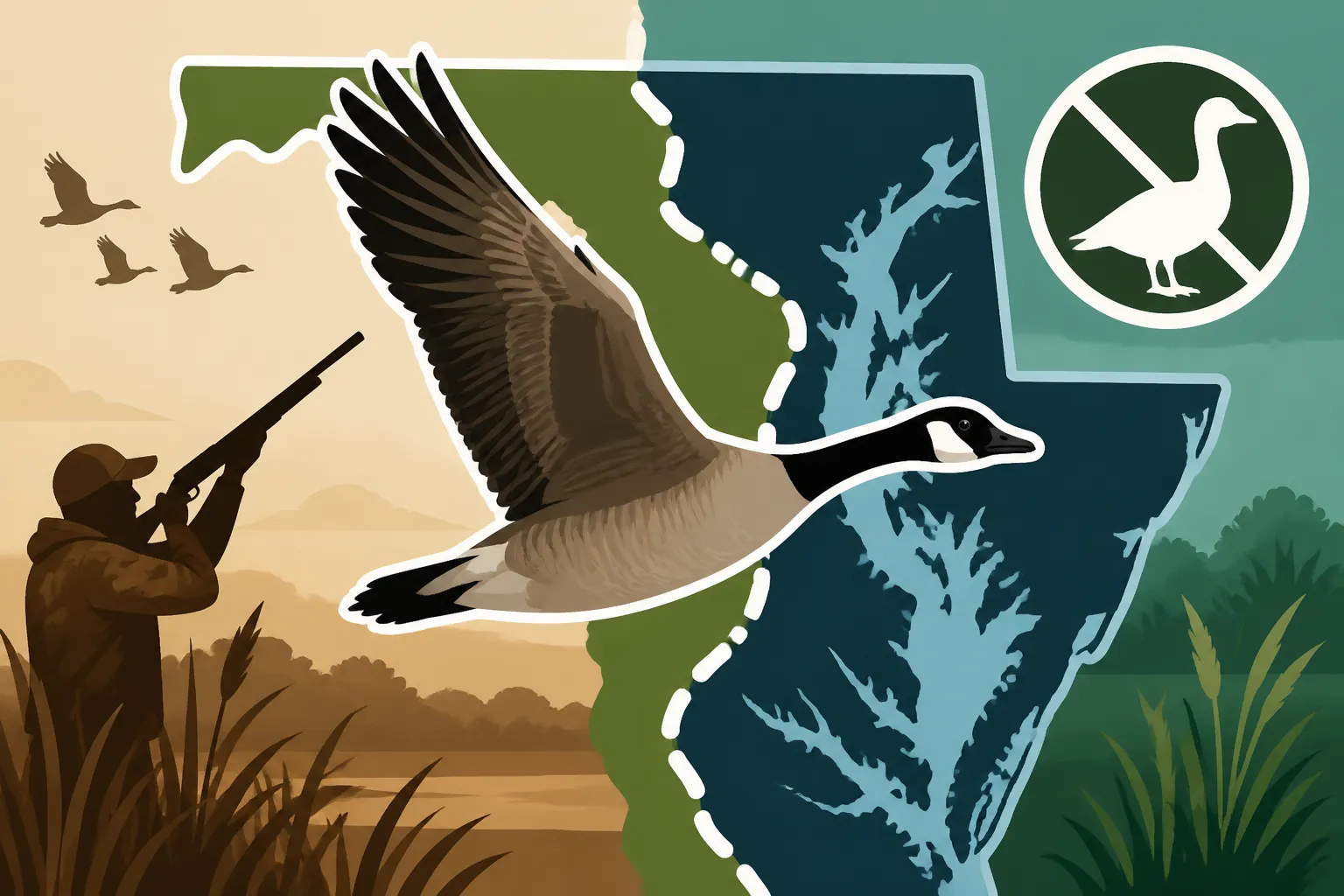
Where the Resident Goose Zone Boundary Runs
It’s a common frustration for Maryland hunters trying to decipher the patchwork of regulations and zones that govern our diverse hunting opportunities. Trying to figure out exactly where one hunting zone ends and another begins can feel like navigating a maze, especially when it comes to something as specific as goose hunting. This guide aims to clear up that confusion by precisely detailing where the Resident Goose Zone boundary runs in Maryland, ensuring you know exactly where you stand when you head out after those prolific local birds.
Understanding Maryland's Distinct Goose Populations and Zones
Maryland is a unique state for waterfowl hunters, primarily because we host two very different populations of Canada Geese: the migratory Atlantic Population (AP) geese and our burgeoning Resident Population (RP) geese. These two groups behave differently, use different habitats, and, critically, are managed under separate harvest strategies due to their distinct biological needs and population health. This distinction is the very reason we have different hunting zones and seasons.
Historically, the focus was heavily on the migratory Atlantic Population, which breeds in northern Canada and winters along the Atlantic Flyway, including large numbers right here in Maryland. As the years went on, a separate, non-migratory population of Canada Geese began to establish itself, nesting and living year-round in Maryland. These "resident" geese thrive in our agricultural areas, suburban parks, and industrial ponds, often becoming quite numerous. Because these birds don't migrate, they aren't subject to the same pressures as their northern counterparts, allowing for more generous harvest opportunities in certain areas to help manage their local numbers, which can sometimes lead to nuisance issues. Understanding these two populations is the first step to making sense of our Maryland's Canada Geese and Their Two Populations and why their management is divided by specific geographical lines.
Pinpointing the Resident Goose Zone Boundary
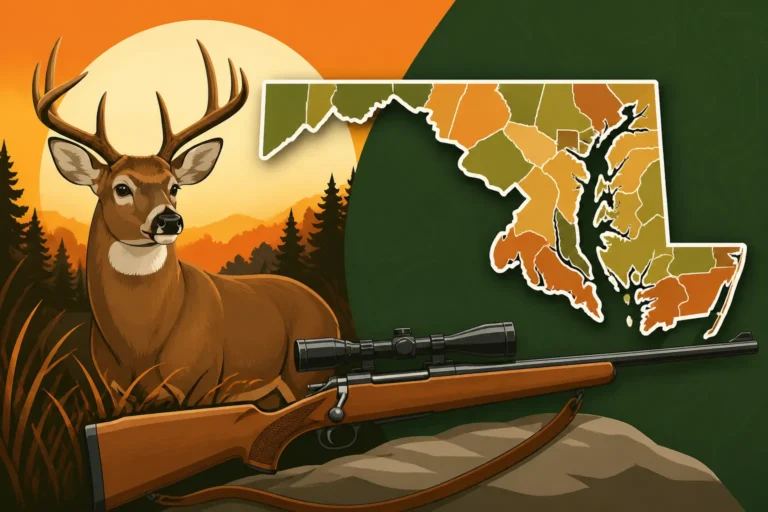
The core of understanding where you can hunt resident geese lies in knowing exactly where the Atlantic Population Zone (AP Zone) ends and the Resident Population Zone (RP Zone) begins. Rather than defining the Resident Goose Zone directly, Maryland's hunting regulations define the Atlantic Population Zone, and the entire remainder of the state then falls under the Resident Population Zone. This can be a bit counter-intuitive, but it's crucial to grasp.
Let’s get specific. The Atlantic Population Zone encompasses:
- All of the following Eastern Shore counties: Cecil, Kent, Queen Anne’s, Talbot, Caroline, Dorchester, Wicomico, Somerset, and Worcester counties.
- A specific portion of the Western Shore counties: That part of Anne Arundel, Calvert, and St. Mary’s counties east of U.S. Route 301.
Therefore, the Resident Population Zone includes:
- All counties west of the Chesapeake Bay and west of U.S. Route 301 (in Anne Arundel, Calvert, and St. Mary's). This includes counties like Allegany, Garrett, Washington, Frederick, Carroll, Baltimore, Harford, Montgomery, Howard, Prince George's, Charles, and parts of Anne Arundel, Calvert, and St. Mary's west of Route 301.
- Essentially, if you are not in one of those full Eastern Shore counties or east of Route 301 in the specified Western Shore counties, you are in the Resident Population Zone.
This boundary can feel like a jagged, almost arbitrary line on a map, especially along that Route 301 stretch on the Western Shore. For instance, if you're hunting in Prince George's County west of Route 301, you're in the Resident Zone. Cross Route 301 into parts of Anne Arundel, and you could suddenly be in the AP Zone. It’s absolutely vital to confirm your location before heading afield. Tools like the GoHunt app, with its property line and hunting zone overlays, can be an absolute lifesaver for clarifying these tricky boundaries in real-time. Before you even set foot on public or private land, using a mapping system to verify the precise zone you're in is non-negotiable.
Here’s a simplified breakdown of how the zones divide Maryland's counties:
| Zone Type | Counties Entirely Within Zone | Counties Partially Within Zone (Boundary Notes) |
|---|---|---|
| Atlantic Population | Cecil, Kent, Queen Anne’s, Talbot, Caroline, Dorchester, Wicomico, Somerset, Worcester | Anne Arundel, Calvert, St. Mary’s (Portion east of U.S. Route 301) |
| Resident Population | Allegany, Garrett, Washington, Frederick, Carroll, Baltimore, Harford, Montgomery, Howard, Prince George’s, Charles | Anne Arundel, Calvert, St. Mary’s (Portion west of U.S. Route 301); all other counties |
Navigating Atlantic Population Versus Resident Goose Zones is a rite of passage for Maryland waterfowlers. Pay close attention to road signs, county lines, and always double-check your position on a detailed map, perhaps one from the Maryland Department of Natural Resources (DNR) or a reliable hunting app.
Hunting Strategies Within the Resident Zone
Hunting resident geese often involves a different approach than pursuing their migratory cousins. Resident geese are typically less wary of human activity, more accustomed to local landscapes, and often found in smaller, more predictable patterns. This doesn't mean they're pushovers, but their habits allow for specific hunting strategies that capitalize on their localized nature.
Field Hunting Resident Geese
Many resident geese spend their days foraging in agricultural fields – cut corn, winter wheat, and even soybean stubble are prime attractions. Unlike large migratory flocks that might move hundreds of miles, resident geese often have established feeding and roosting patterns within a few miles radius. This makes scouting incredibly important and rewarding. You might find a local flock consistently using the same field every morning or evening. When you're Hunting a Funnel Between Two Grain Fields or Setting Up on a Maryland Grain Field Edge, understanding these daily routines is key. Setting up a realistic spread of full-body decoys, often 2-3 dozen, can be highly effective. Resident geese respond well to aggressive calling, especially early in the season before they get too much pressure. Blending into the field with a layout blind or a well-brushed pit blind is paramount for success. Don't underestimate the power of careful concealment; these birds might be "resident," but they're not dumb.
Pond and Water Hunting for Local Birds
Beyond crop fields, resident geese are also found congregating on various bodies of water – farm ponds, retention ponds, reservoirs, and even larger rivers and creeks. These spots serve as safe roosting areas, particularly at night. Hunting these water sources can be tricky due to access and local ordinances, but if you secure permission on private land, they can be phenomenal. Jump-Shooting Ducks on an Eastern Shore Gut is a similar concept, though for geese, you'll often be setting up near their loafing or roosting water. A floating decoy spread, combined with strategic hide placement along the bank, can entice birds to land. Keep an eye on the wind, as geese always prefer to land into it. Early morning or late evening shoots, when birds are flying to or from their roost, are often the most productive. Remember, even on private land, safety is paramount, and knowing your backstop is crucial, especially around water.
Key Considerations and Licensing for Resident Zone Hunters
Beyond understanding the boundary itself, there are several vital considerations for anyone planning to hunt Canada Geese in Maryland's Resident Zone. These range from licensing requirements to specific season dates and general best practices to ensure a successful and legal hunt.
Licensing and Stamps
Just like any other waterfowl hunting, you'll need the right paperwork. This includes a valid Maryland Hunting License. Additionally, all waterfowl hunters 16 years or older must possess a Federal Migratory Bird Hunting and Conservation Stamp (often called a Federal Duck Stamp) and a Maryland Migratory Game Bird Stamp. Hunters also need to register with the Harvest Information Program (HIP). This program helps the U.S. Fish and Wildlife Service gather critical data on migratory bird harvests. Don't forget, these are federal requirements, so they apply universally, regardless of whether you're chasing resident or migratory birds. You can handle most of your licensing and registration through the Maryland DNR's COMPASS system, and some of the more in-depth details can be found in a guide like Maryland Hunting Licenses and What They Cost.
Season Dates and Bag Limits
While this guide focuses on the boundary, it’s important to remember that Maryland Canada Goose Season Dates and Maryland Waterfowl Zones and Season Dates will vary significantly between the Resident Population Zone and the Atlantic Population Zone. The Resident Zone typically offers a much more liberal season, often opening earlier and extending later, with higher daily bag limits to help manage the larger local population. This is a key advantage for resident goose hunters. Always consult the current Maryland Guide to Hunting & Trapping or the DNR website for the precise, up-to-date season dates and bag limits before every hunt. These regulations are subject to change annually, and staying informed is your responsibility as a hunter.
Ethical Hunting and Safety
Hunting resident geese, especially in more populated areas that might still fall within the zone, comes with a heightened responsibility for safety and ethical behavior. Always be aware of your surroundings, ensuring you have a safe shooting lane and a clear understanding of what lies beyond your target. Respect private property, even if you have permission to hunt. Knocking on Doors in Maryland Farm Country is often how you gain access to these areas, and maintaining a good relationship with landowners is essential for future opportunities. Furthermore, practice your calling and shooting. Responsible hunting means making clean kills and minimizing cripples. Utilizing a reliable mapping system, such as GoHunt, not only helps with boundaries but also aids in Scouting Maryland Public Land With Aerial Photos, identifying safe shooting zones, and understanding terrain features.
The opportunity to hunt resident geese in Maryland is a fantastic one, offering extended seasons and often abundant birds. By understanding where the Resident Goose Zone boundary runs, obtaining the correct licenses, and practicing responsible hunting techniques, you can enjoy many successful days afield pursuing these local birds.
Disclaimer
Please remember that hunting regulations, season dates, and zone boundaries can change. Always consult the latest official Maryland Department of Natural Resources (DNR) hunting guide and regulations before planning any hunt. This article provides general information and should not be used as a substitute for official state publications.