Sea Duck Season Dates and Zone Limits
The lure of a crisp winter morning on the open water, the distant splash of waves, and the sight of a strong-flying sea duck is a dream for many Maryland hunters. However, navigating the specific regulations for these unique birds, especially the distinct season dates and designated zone limits, can feel like trying to untangle a fishing net in the dark. This comprehensive guide aims to shed light on Maryland's sea duck hunting rules, helping you understand where, when, and how you can pursue scoters, long-tailed ducks, and eiders.
Understanding Maryland's Sea Duck Hunting Zones
Maryland's approach to waterfowl hunting zones is designed to manage diverse populations across various habitats. For sea ducks, this means a very specific focus on the waters where these ocean-dwelling birds spend their winters. Unlike puddle ducks or even diving ducks that might frequent inland ponds or the shallower parts of the Chesapeake, sea ducks are largely creatures of the vast open ocean and the deeper, saltier reaches of the bay.
Defining the Atlantic Ocean Sea Duck Zone
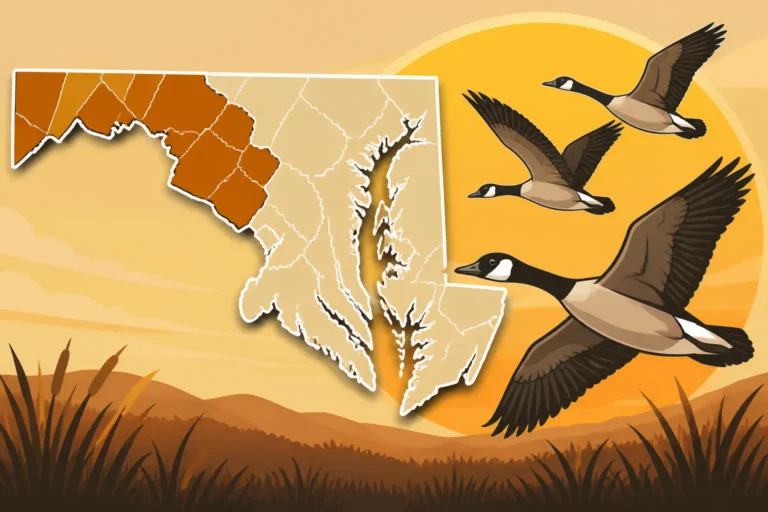
When we talk about the official "Sea Duck Zone" in Maryland, we are primarily referring to the expansive waters of the Atlantic Ocean. This isn't just a general coastline area; it extends from the barrier islands, like Assateague and Fenwick Island, seaward. Specifically, this zone encompasses the Atlantic Ocean, including any tidal waters directly connected to it, out to the three-mile limit of state waters. Beyond that, you're in federal waters, and while sea ducks might be there, the regulations are still governed by federal frameworks that align with state rules.
Hunting in this zone presents a whole different set of challenges and experiences compared to hunting a marsh or a farm field. The boats are bigger, the waves are often rougher, and the conditions demand a higher level of preparedness and seamanship. It's truly an offshore adventure, attracting hunters who relish the solitude and raw power of the ocean. If you’re planning a trip, be sure to consult the official Maryland DNR website or reliable hunting apps like GoHunt for the most precise zone boundaries and any recent updates, as these things can occasionally be refined. For a broader view of all state waterfowl areas, check out our guide on Maryland Waterfowl Zones and Season Dates.
Navigating Chesapeake Bay and Inland Waters for Sea Ducks
It’s important to clarify that while the Chesapeake Bay is teeming with diverse waterfowl, the primary "Sea Duck Zone" is the Atlantic Ocean. This means that if you're hunting in the Chesapeake Bay or its tidal tributaries, you're generally not hunting in the designated sea duck zone. However, that doesn't mean you'll never see a scoter or a long-tailed duck in the bay. In fact, large numbers of diving ducks, including species like Greater and Lesser Scaup, Canvasbacks, and Redheads, frequently utilize the deeper, saltier sections of the Chesapeake. Sometimes, sea ducks will venture into these areas, particularly during migration or severe weather events that push them further inland for shelter or food.
The crucial distinction here is regulation. Any sea ducks harvested within the Chesapeake Bay or its tributaries fall under the general duck bag limits for those zones, not the specific sea duck limits. This is a critical detail that many hunters overlook, and it can lead to unintentional violations. For instance, if you're targeting other diver ducks in the bay and happen to shoot a scoter, it will count against your general duck bag limit, not the more generous sea duck-specific limit that applies in the Atlantic Ocean Sea Duck Zone. Always be vigilant about identifying your birds before you shoot, and understand which zone's regulations apply to your current hunting location. This helps ensure you're compliant and respectful of the resource.
Key Sea Duck Species and Their Season Dates
Maryland's Atlantic Ocean Sea Duck Zone is home to several distinct species of sea ducks, each with its own characteristics and often, slightly different season dates and bag limits. Understanding these differences is key to a successful and legal hunt.
Scoters Black, Surf, and White-winged
Scoters are perhaps the most commonly targeted sea ducks in Maryland, and all three North American species – the Black Scoter, Surf Scoter, and White-winged Scoter – can be found in our waters. These birds are renowned for their robust build, strong flight, and tendency to raft in large groups far offshore.
- Black Scoters: These are the smallest and darkest of the scoters, with the males having a distinct knob on their bill. They are fast flyers and often raft in fairly tight groups.
- Surf Scoters: Easily identifiable by the striking patches of white on the nape and forehead of the males, and their colorful, oversized bills. Surfs are often found closer to shore than the other scoters, feeding on mussels and clams in shallower waters.
- White-winged Scoters: The largest of the scoters, distinguished by a prominent white patch on their secondary wing feathers, which is visible in flight and even on the water. They are known for their deep dives and powerful flight.
The season dates for scoters in Maryland generally open earlier than the main duck season in the Atlantic Ocean Sea Duck Zone and typically run for an extended period, allowing ample opportunity to target them. However, it's vital to check the Maryland DNR website for the precise dates each year, as they are subject to federal frameworks and can see minor adjustments. Historically, the daily bag limit for scoters, as part of the overall sea duck limit, has been relatively generous compared to other duck species, but this is an area where specific changes can occur, so confirm before you head out.
Long-tailed Ducks Oldsquaw
The Long-tailed Duck, affectionately known to many as the "Oldsquaw," is another charismatic sea duck found in Maryland's offshore waters. These ducks are truly beautiful, with intricate plumage patterns and, for the males, exceptionally long tail feathers from which they derive their common name. They are incredibly agile divers, feeding on small crustaceans and mollusks, and are known for their distinctive, yodeling calls that carry across the water.
Long-tailed ducks are often found further offshore than scoters, preferring deeper, colder waters. They are strong flyers and offer a challenging target, often approaching decoys with caution. Like scoters, the season dates for Long-tailed Ducks fall within the broader sea duck season in the Atlantic Ocean Sea Duck Zone. It's worth noting that their numbers can fluctuate, and conservation efforts often dictate bag limits. Always confirm the current daily bag and possession limits for Long-tailed Ducks before your hunt. Successfully decoying these birds requires specific techniques, which you can learn more about by exploring tactics like Decoying Divers on Maryland's Open Bay.
Eiders and Other Less Common Sea Ducks
While scoters and long-tailed ducks are the primary sea duck species targeted in Maryland, it's not entirely unheard of to encounter eiders, particularly Common Eiders, in the offshore zone. Common Eiders are large, robust sea ducks, easily recognizable by the males' striking black and white plumage and green nape patch. King Eiders are far rarer visitors, typically found much further north.
It’s crucial to understand that eiders are less common in Maryland than in northern states, and their presence here is often incidental. While they are included in the overall "sea duck" category federally, hunters must exercise extreme caution and be absolutely certain of their identification before shooting an eider. In many regions, eider populations are carefully monitored, and misidentification could lead to an unintended harvest of a protected or less numerous species. The daily bag limit for eiders, if permitted, is often much more restrictive than for scoters or long-tailed ducks, frequently limited to one bird per day within the sea duck aggregate. When using a resource like GoHunt to plan your hunt, make sure to cross-reference their general regulations with the very latest Maryland DNR publications for specific eider rules.
Essential Permits and Regulations for Sea Duck Hunters
Just like any other form of hunting in Maryland, pursuing sea ducks requires adherence to specific licensing, stamp, and methodological regulations. The unique nature of offshore hunting also adds a layer of safety and vessel requirements that are paramount.
Federal and State Stamp Requirements
Before you even think about setting foot on a boat or handling a shotgun for sea ducks, you need to ensure all your paperwork is in order. First and foremost, you must possess a valid Maryland hunting license. This is your foundational permit for any hunting activity in the state. Beyond that, because sea ducks are migratory game birds, several additional stamps and registrations are mandatory:
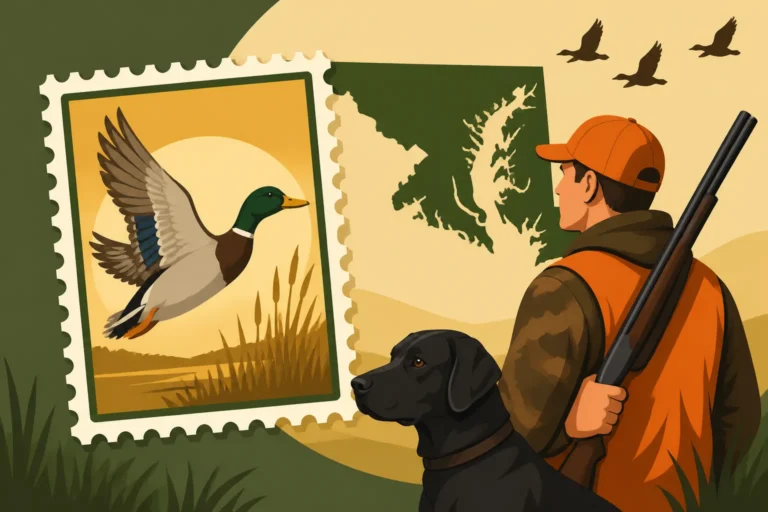
- Maryland Migratory Bird Stamp: This state-specific stamp is required for anyone 16 years of age or older who hunts migratory game birds in Maryland. The funds generated from this stamp often go towards habitat conservation and management efforts within the state. You can find more details in our post on Maryland Migratory Bird Stamp Requirements.
- Federal Duck Stamp: Also known as the Migratory Bird Hunting and Conservation Stamp, this federal stamp is a must-have for all migratory waterfowl hunters aged 16 and over. It's a significant contributor to the National Wildlife Refuge System, with 98 cents of every dollar going directly to conserve vital wetlands and associated habitats. Learn more about it in Federal Duck Stamp Rules for Bird Hunters.
- Harvest Information Program (HIP) Registration: This isn't a physical stamp, but a mandatory registration. All migratory bird hunters in Maryland must register with the Harvest Information Program annually. This program collects data on migratory bird harvests, which is crucial for setting future season lengths and bag limits. It's usually a quick process that can be completed when you purchase your license.
Failing to have any of these required documents can result in fines and the loss of hunting privileges. It’s always a good idea to double-check your licensing status before each season, even if you’ve hunted for years.
Legal Hunting Methods and Vessel Use
Sea duck hunting is almost exclusively done from a boat, and specific rules apply to how you can hunt from these vessels. You cannot chase down birds under power; instead, you must be stationary or drifting with the motor off. Layout boats are a popular choice for sea duck hunting, allowing hunters to lie flat, concealed just above the water's surface, creating a very low profile. Our guide on Running a Layout Boat for Sea Ducks offers an in-depth look at this specialized technique.
Beyond the hunting methods themselves, the vessel you use for offshore sea duck hunting must meet stringent safety requirements. The U.S. Coast Guard sets rules for recreational boats, and these are amplified by the inherent dangers of the open ocean. Your boat needs to be seaworthy, adequately sized for the conditions, and equipped with all required safety gear, including:
- Life Jackets (PFDs): One for every person on board, and they should be readily accessible.
- VHF Radio: Essential for communication in areas where cell service is unreliable, which is common offshore.
- Emergency Position Indicating Radio Beacon (EPIRB) or Personal Locator Beacon (PLB): Highly recommended for offshore trips to signal for help in an emergency.
- Navigation Lights, Sound-producing Devices, and Fire Extinguishers: Standard requirements for most vessels.
Operating a boat offshore demands skill and experience. The weather can change rapidly, and even a calm morning can turn into a treacherous afternoon. Many seasoned sea duck hunters emphasize that safety is not just a recommendation, it's a lifeline. For broader advice on maritime safety, especially in challenging conditions, refer to our article on Boat Safety on the Chesapeake in December.
Daily Bag and Possession Limits
The specific daily bag and possession limits for sea ducks are set annually by the Maryland Department of Natural Resources (DNR) in coordination with federal guidelines. These limits are designed to ensure sustainable harvest while accounting for population trends. While general trends exist, these numbers can change, so always verify the current year's regulations directly from the Maryland DNR or through trusted hunting applications like GoHunt.
Here's a general overview of typical limits, but remember to confirm current regulations before hunting:
| Species Group | Daily Bag Limit (Atlantic Ocean Sea Duck Zone) | Possession Limit (Atlantic Ocean Sea Duck Zone) | Notes |
|---|---|---|---|
| Scoters | 4 (may include up to 4 of any one species) | 12 | Black, Surf, and White-winged Scoters combined. |
| Long-tailed Ducks | 4 | 12 | |
| Eiders | 1 | 3 | Requires positive identification; less common in MD. |
| Total Sea Ducks | 5 (aggregate) | 15 | Total sea ducks per day, not to exceed specified species limits. |
This table is illustrative of common regulations but is not a substitute for checking the official Maryland DNR Waterfowl Seasons and Bag Limits each year. For example, the total daily bag limit for sea ducks is often capped at five, regardless of individual species limits, with specific restrictions on how many of that five can be certain species, like eiders. Possession limits are typically three times the daily bag limit. This system allows for diverse harvest while protecting species that might be less numerous. Always be sure you know what the Maryland Duck Season Dates are for the areas you plan to hunt, as well.
Strategies for a Successful Maryland Sea Duck Hunt
Successfully hunting sea ducks in Maryland requires more than just knowing the regulations; it demands specialized gear, a keen understanding of the birds' habits, and often, the wisdom to seek help from experienced guides. This isn't your typical marsh hunt, and preparation is paramount.
Gear, Decoys, and Safety Considerations
When you're heading out into the Atlantic Ocean for sea ducks, the phrase "prepare for the worst, hope for the best" isn't just a cliché—it's a survival mantra. The gear you bring needs to be robust, reliable, and designed for extreme conditions.
- Vessel: As mentioned earlier, a sturdy, seaworthy boat designed for offshore use is non-negotiable. Think 20+ foot center consoles, duck boats custom-built for rough water, or specialized layout boats with a mother ship.
- Decoys: Sea ducks respond to large, bold decoy spreads. Unlike puddle ducks, you'll need many more decoys, often 50-100+, to create a visual draw on the vast expanse of the ocean. These decoys are usually larger than typical duck decoys, heavy-keeled to ride rough waves, and painted in high-contrast patterns to be seen from a distance. Companies like Tanglefree and Avery specialize in robust sea duck decoys. You can also glean decoy strategies from articles like Decoying Divers on Maryland's Open Bay.
- Clothing: Layers, layers, layers! Waterproof, windproof, and insulated clothing is essential. Think high-quality bibs, parkas, and flotation suits from brands like Mustang Survival or Grundéns. Neoprene waders are common, but dry suits offer superior protection in truly frigid conditions.
- Safety Equipment: Beyond the mandatory items, consider a satellite phone, extra fuel, a comprehensive first-aid kit, a ditch bag with emergency supplies, and a well-practiced emergency plan. Always let someone know your float plan and expected return time. This is where a hunting app like GoHunt can also be useful for tracking your location and communicating with your shore contact.
- Firearms: A reliable 12-gauge shotgun capable of handling larger steel shot (typically BB, BBB, or T size) is standard. Pattern your gun with the loads you plan to use to ensure effective range.
- Dog: While optional, a well-trained retriever is invaluable for quickly recovering downed birds in rough seas, minimizing cripples, and preventing lost game.
Remember, the ocean is unforgiving. A slight oversight in preparation can quickly escalate into a dangerous situation. Think of our article on What to Pack for a Maryland Marsh Hunt and then multiply the robustness of everything by ten!
Finding Productive Offshore Hunting Grounds
Finding sea ducks isn't like looking for deer trails in the woods. It requires understanding ocean currents, food sources, and migratory patterns. Sea ducks often feed in specific areas where mussels, clams, or small crustaceans are abundant, often associated with underwater structure or shoals.
- Scouting: While not always possible to scout the open ocean visually, talking to commercial fishermen, crabbers, and local watermen can provide invaluable insights into where birds have been seen. Paying attention to weather patterns, especially strong winds that can push birds around, is also key.
- Mapping Tools: Marine charts and sophisticated mapping apps (like GoHunt, which has excellent overlay features) can help identify underwater structures, depths, and current breaks where sea ducks might congregate. Look for areas with depths ranging from 15 to 60 feet, as these are often productive.
- Historical Data: Many veteran sea duck hunters keep detailed logs of successful spots over the years. These birds often return to the same general areas season after season. Remember that the best areas might be miles from shore, requiring a significant boat ride.
Working with a Licensed Sea Duck Guide
For many hunters, especially those new to offshore waterfowl hunting or those who don't own a suitable boat and equipment, booking a trip with a licensed Maryland sea duck outfitter is an excellent option. Guides provide not only their expertise in finding birds but also the necessary specialized equipment, from large, safe boats to extensive decoy spreads.
A reputable guide will:
- Ensure Safety: They are experienced in navigating offshore conditions and prioritize the safety of their clients. They understand Boat Safety on the Chesapeake in December implications in the offshore environment.
- Provide Gear: You typically won't need your own large decoy spread or layout boat; the guide provides all the necessary equipment.
- Have Local Knowledge: Guides spend countless hours on the water, understanding the birds' movements, feeding areas, and how to set up for success in varying conditions.
- Handle Logistics: From launching the boat to retrieving birds and knowing the exact regulations, a guide streamlines the entire experience.
When choosing a guide, make sure they are properly licensed by the state and federally (if operating in federal waters). It's always a good idea to check references and ask about their experience specifically with sea ducks. You can find more information about what to look for in our guide on Why Offshore Guides Need a Captain's License and general advice on Chesapeake Bay Sea Duck Charters in Maryland. A guided trip is often the safest and most effective way to experience the thrill of sea duck hunting in Maryland's challenging offshore environment.
Disclaimer
Please note that hunting regulations, season dates, and bag limits are subject to change annually by the Maryland Department of Natural Resources and federal agencies. This article provides general information and historical context. It is the hunter's responsibility to consult the most current Maryland hunting guide and federal regulations before participating in any hunting activity. Always prioritize safety and ethical hunting practices.