Snow Goose Conservation Order Rules
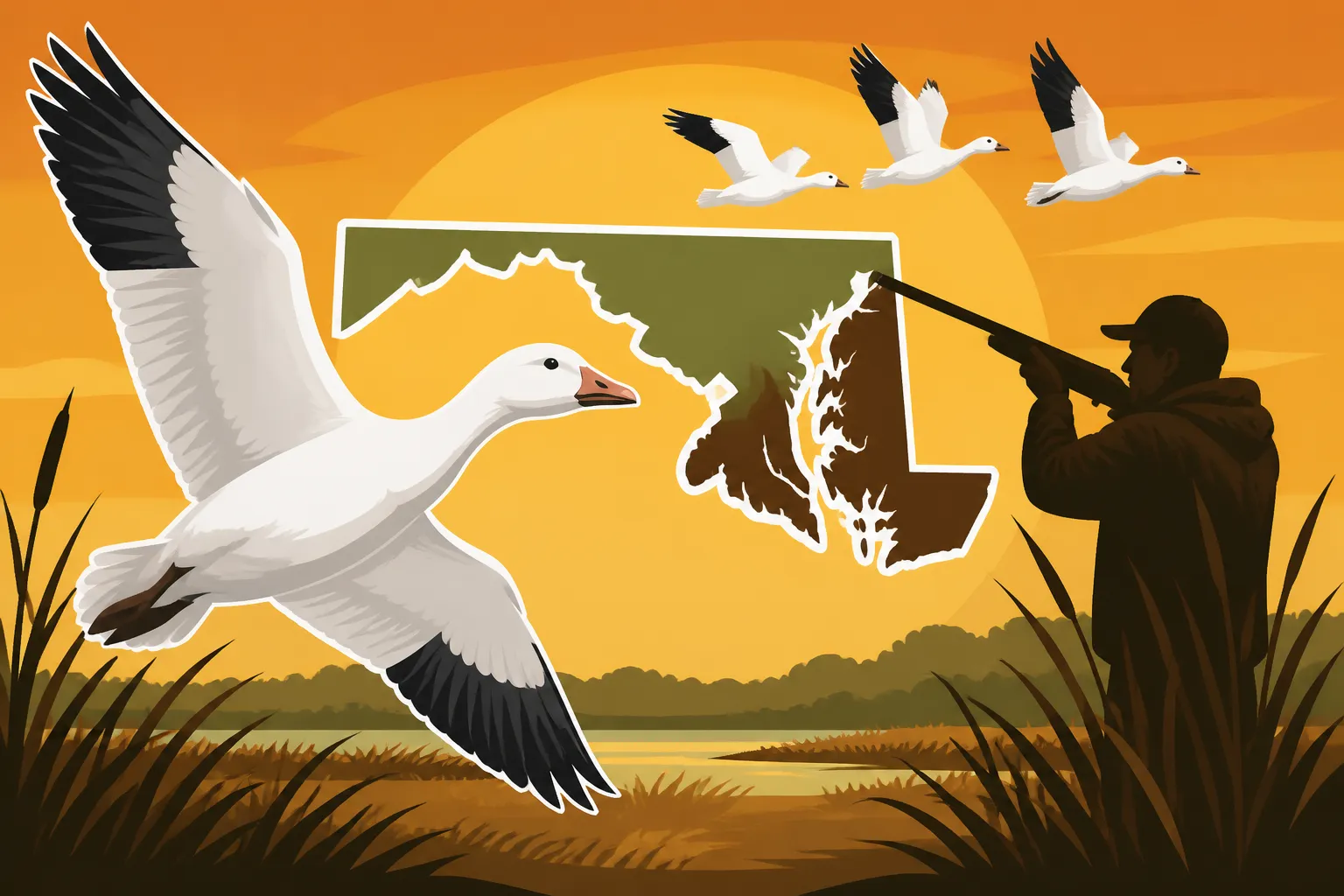
Many hunters in Maryland find themselves frustrated by the sheer difficulty of impacting the massive numbers of migrating snow geese, despite their incredible abundance. It often feels like you're just a tiny drop in an ocean, especially with the strict rules around regular waterfowl seasons. But what if there was a special season designed specifically to tackle this challenge head-on, offering relaxed regulations to truly make a difference? This guide will dive deep into Maryland's Snow Goose Conservation Order rules, breaking down what makes this unique hunting opportunity so effective, what gear you'll need, and how you can get in on the action to help manage these prolific birds.
The Urgent Need for Maryland's Snow Goose Conservation Order
It’s easy to look out over a field covered in thousands of snow geese and think, "Wow, that's a lot of birds!" But the reality behind those stunning numbers is far more complex, and frankly, quite troubling for the ecosystems they impact. Maryland, particularly its Eastern Shore, sees an incredible influx of these birds each winter, and managing their population has become a critical conservation effort.
Why Snow Goose Populations Became a Problem
For decades, the Lesser Snow Goose population, specifically the Mid-continent and Eastern Arctic populations, exploded to unsustainable levels. These aren't just a few extra birds; we're talking about millions of snow geese that have exceeded the carrying capacity of their Arctic breeding grounds. Their feeding habits, particularly their tendency to "grub" (pulling up entire plants by their roots), devastate fragile tundra vegetation. This isn't just a minor inconvenience; it's habitat destruction on an epic scale, impacting other species that rely on those same delicate ecosystems, from smaller shorebirds to caribou.
Here in Maryland, while they aren't destroying the tundra, their sheer numbers in agricultural areas can lead to significant crop damage. Imagine a farmer's freshly planted winter wheat field being descended upon by thousands of hungry snow geese, methodically stripping it bare. This isn't just about hunter opportunity; it's about ecological balance and mitigating widespread damage across multiple biomes. The scientific community recognized this impending crisis, leading to the establishment of the Conservation Order to try and bring these populations back into a healthier balance.
How the Conservation Order Differs from Regular Seasons
When you compare the Snow Goose Conservation Order to your typical waterfowl season for ducks or Canada geese, it's almost like a different sport entirely. The rules are dramatically relaxed, specifically to encourage hunters to take as many birds as possible and make a measurable impact on the population. During a regular season, you're usually limited to a 3-shot capacity in your shotgun, specific shooting hours, and a relatively small daily bag limit.
Under the Conservation Order, these restrictions are largely lifted. The most significant changes include:
- No Daily Bag Limit: That's right, there's no limit to how many snow geese you can harvest in a day. The goal is volume.
- Unplugged Shotguns: You can use a shotgun with an extended magazine tube, allowing for more than three shells. This means less reloading and more shooting opportunity when the birds are working.
- Electronic Calls: Live calling is an art, but for sheer pulling power on massive flocks, nothing beats a loud, realistic electronic call. These are strictly forbidden in regular migratory bird hunting but are perfectly legal and highly effective for snow geese during the Conservation Order.
- Extended Shooting Hours: While exact times can vary slightly, the Conservation Order often allows for shooting from a half-hour before sunrise to a half-hour after sunset, giving hunters a longer window to be in the field compared to the typical "sunrise to sunset" or "half-hour before sunrise to sunset" for other species.
These changes are not about making hunting easier for the sake of it; they are deliberate tools provided to hunters to help address an urgent wildlife management challenge. It allows a different, more aggressive style of hunting that wouldn't be appropriate or necessary for species with stable or declining populations.
Understanding Maryland's Specific Conservation Order Dates
Maryland's Snow Goose Conservation Order typically kicks off right after the regular waterfowl seasons for other species wind down. This is usually in late January or early February and can run through early April. These dates are strategically chosen to coincide with the major northward migration of snow geese through the state, ensuring that hunters are targeting birds that are still moving and congregating in large numbers.
For instance, you might see the season open around January 29th and close on April 15th, but it's vital to check the Maryland Department of Natural Resources (DNR) website each year, as dates can shift slightly based on federal guidelines and state specific needs. There aren't usually different "zones" for the Conservation Order within Maryland in the same way there are for Canada geese (like the Atlantic Population Zone or Resident Goose Zone), as the Conservation Order applies broadly to the snow goose migration across the state, with the Eastern Shore being a primary hotbed of activity. Knowing these dates is step one to planning your hunt, because outside this window, regular migratory bird rules, including strict bag limits and call restrictions, apply. You need to be sure you're hunting within the correct time frame to avoid any violations. If you're planning your waterfowl season, always cross-reference these dates with the general Maryland Waterfowl Zones and Season Dates to ensure you're compliant.
Assembling Your Arsenal for a Successful Snow Goose Hunt
Hunting snow geese during the Conservation Order is a gear-intensive endeavor, often requiring a completely different setup than a typical duck or Canada goose hunt. The goal isn't just to harvest a few birds; it's to create an overwhelming illusion and soundscape that can fool thousands of geese into landing right in your spread. This means investing in specialized equipment and understanding how to deploy it effectively.
The Power of Decoys: Creating a Whiteout
When snow geese migrate, they do so in immense flocks, sometimes numbering in the tens of thousands. To stand out to these birds, you need to replicate that scale on the ground. This is where the "whiteout" decoy spread comes into play. You’re not just putting out a dozen decoys; you're putting out hundreds, if not thousands, to create a massive, undeniable visual magnet.
Types of Decoys:
- Sillosocks: These are lightweight, wind-activated decoys made of ripstop nylon, designed to flutter and move with even a slight breeze. They pack down incredibly small, making it possible to deploy hundreds quickly. They're often the backbone of a large spread due to their affordability and portability.
- Full-bodies: While more expensive and bulkier, a strategic smattering of full-body snow goose decoys adds realism, particularly around your shooting blinds. They provide crucial 3D depth that can draw in wary birds.
- Texas Rags: Similar to Sillosocks but often even simpler, these are often just white plastic bags on stakes, designed for maximum visibility at minimum cost and weight.
- Rotary Machines: These are motorized devices that spin white flags or wings, mimicking the flashing of landing birds. They add vital motion that can be irresistible to high-flying snow geese.
The key to deployment is to create a landing zone within your spread, often downwind of your blinds. Think of a large "J" shape or a U-shape, with the open end facing into the wind where the birds will ideally try to land. The sheer volume is what makes the difference; you want the incoming birds to see what looks like an entire field of their brethren feasting. If you've ever tried Setting a Goose Spread in Cut Corn for Canada geese, you'll find the principles are similar, just magnified by a factor of 100 or more!
Amplifying Your Efforts with Electronic Calls
Electronic calls are a game-changer for snow goose hunting, and their legality during the Conservation Order is a huge advantage. Snow geese are incredibly vocal, and a realistic, high-volume soundscape is essential to pull them in. You're not just calling; you're creating an auditory illusion of a massive, contented flock on the ground.
Choosing Your System: Look for high-quality electronic call systems with multiple speakers and powerful amplifiers. You want to project sound across vast distances, especially on windy days. Many reputable brands offer specific "snow goose" sound files that mimic the various chatter, honks, and feeding calls of a large flock.
Deployment and Strategy: Place your speakers strategically within your decoy spread, often near your landing zone or even slightly upwind to help carry the sound. You'll want to experiment with different call sequences – sometimes a constant, loud feed chuckle is best, other times a mix of excited calling and interspersed feeding sounds. The goal is to make the birds believe there's a huge party happening on the ground, and they're missing out! This amplified sound, combined with the visual of hundreds of decoys, creates an irresistible draw that can pull birds from miles away.
Unrestricted Firepower: Shotguns and Ammunition
One of the most exciting aspects of the Conservation Order is the ability to use unplugged shotguns. This means you can remove the magazine plug, allowing your shotgun to hold its full capacity of shells – often 4, 5, or even 6 rounds in the magazine, plus one in the chamber. When hundreds or thousands of snow geese are swirling over your head, having those extra shells on tap can make a significant difference in your success and efficiency.
Shotgun Recommendations: Any reliable 12-gauge or 10-gauge shotgun will work, but semi-automatics are generally preferred for their quick follow-up shots. Make sure your shotgun is cleaned and well-maintained, as you'll likely be putting a lot of rounds through it in a single day.
Ammunition Choices:
- Non-Toxic Shot: Remember, all waterfowl hunting in Maryland, including snow geese, requires the use of non-toxic shot. Steel shot is the most common and affordable option.
- Shot Size: For snow geese, you'll want larger shot sizes to ensure good penetration and knockdown power on these tough birds. Common choices include BB, BBB, and T shot. Some hunters even go for F shot. Experiment to see what performs best in your shotgun.
- Volume: Come prepared with plenty of ammunition. It’s not uncommon for a group of hunters to go through several flats of shells (a flat contains 10 boxes of 25 shells, so 250 rounds) in a day if the hunting is hot. This is truly a volume game, and having extra shells means you won't miss out on opportunities.
Understanding Maryland Shooting Hours and Legal Light is still crucial, even with the relaxed rules, to ensure you're only shooting during the designated times.
Navigating the Rules and Finding the Right Spots
While the Snow Goose Conservation Order offers relaxed hunting methods, it’s not a free-for-all. Hunters still need to adhere to specific licensing requirements, scout effectively, and always operate with respect for the land and the law. Maryland has specific regulations, and understanding them is paramount for a legal and ethical hunt.
Essential Licenses and Registrations You'll Need
Just because you're hunting during a special conservation season doesn't mean you can skip the basics. You absolutely need to be properly licensed and registered before heading out for snow geese.
Here's what you'll typically need:
- Maryland Hunting License: This is your foundational license, required for all hunting activities in the state. The cost can vary depending on whether you're a resident or non-resident, and your age. You can find detailed information on Maryland Hunting Licenses and What They Cost on the DNR website.
- Maryland Migratory Game Bird Stamp: This state stamp is specific to migratory bird hunting and helps fund waterfowl conservation efforts within Maryland.
- Federal Duck Stamp: Often called the "Migratory Bird Hunting and Conservation Stamp," this federal stamp is required for all waterfowl hunters 16 years of age or older. Funds from this stamp directly support the acquisition and management of wetland habitats across the National Wildlife Refuge System. Get all the details on Federal Duck Stamp Rules for Bird Hunters.
- HIP Registration: The Harvest Information Program (HIP) is a federal program that collects data from migratory bird hunters. You need to register annually, even if you don't think you'll harvest any birds. It's a quick, free process usually done when you purchase your license. Learn more about HIP Registration for Migratory Bird Hunters.
Without all these in place, you risk fines and penalties, and frankly, you're not contributing your fair share to the conservation efforts that make these hunting opportunities possible. It’s a small price to pay to be part of the solution.
Scouting for Success and Gaining Access
Snow geese are creatures of habit, often following consistent flight paths between large roosting areas (like the Chesapeake Bay, large impoundments, or secluded marshes) and their feeding grounds. Finding these patterns is the key to success.
Effective Scouting:
- Look for the "White Carpet": The easiest way to find snow geese is to drive around agricultural areas, particularly on the Eastern Shore. Look for vast white patches in cut corn, winter wheat, or soybean fields. These are often the feeding birds.
- Observe Flight Paths: Once you spot feeding birds, pay attention to the direction they're coming from and going to. This can help you locate their roosts and intercept their flight corridors.
- Use Mapping Tools: Modern mapping applications like GoHunt can be invaluable here. They allow you to overlay public and private land boundaries, identify potential roosting waters, and mark observed feeding areas. You can use GoHunt to scout from home, narrowing down promising spots before you ever hit the road.
- Timing: Snow geese are early risers and late afternoon feeders. Observing their movements at dawn and dusk will give you the most accurate picture of their daily routine.
Gaining Access:
The vast majority of prime snow goose hunting occurs on private agricultural lands. This means you'll need to gain permission from landowners.
- Knock on Doors: The most direct, and often most effective, method is simply knocking on doors and politely asking for permission. Be prepared, be respectful, and understand that "no" is always an option.
- Offer to Help: Sometimes, offering to help with light chores, or even offering to share some cleaned goose meat, can go a long way in building rapport with a landowner.
- Consider a Guide: If knocking on doors isn't your thing, or you're short on time, consider booking a guided hunt. Many outfitters on the Eastern Shore specialize in snow goose hunts and have established access to prime farms.
Remember that Hunting Maryland's Upper Eastern Shore Farm Country is a fantastic way to find these birds, but without access, all the scouting in the world won't help you.
Respecting the Law and the Land
Even with the relaxed rules of the Conservation Order, there are fundamental ethical and legal principles every hunter must uphold.
- Trespass Laws: Always respect private property boundaries. Never hunt on land without explicit permission. Using tools like GoHunt to verify property lines before you even step out of your truck is a smart practice.
- Retrieving Birds: While the bag limit is open, you still have a responsibility to make every reasonable effort to retrieve every bird you shoot. This might mean having a good retriever dog, or coordinating with your hunting partners to ensure all downed birds are collected.
- Safety First: With multiple hunters, potentially high volumes of shooting, and large decoy spreads, safety is paramount. Always know where your hunting partners are, adhere to safe shooting lanes, and follow all basic firearm safety rules.
- Leave No Trace: Pack out everything you pack in, and then some. Leave the field cleaner than you found it. This builds good relationships with landowners and preserves hunting opportunities for the future.
- Fair Chase: While the Conservation Order encourages high volume, avoid unethical practices like "sky-busting" (shooting at birds that are too high to be cleanly killed). Focus on drawing birds into your spread for effective, ethical shots.
Maryland's snow goose hunters are a critical part of a larger conservation solution. By following these rules and showing respect, you ensure the program continues to thrive.
Making the Most of Your Snow Goose Conservation Experience
There's nothing quite like a snow goose hunt during the Conservation Order. It's an experience that can be exhilarating, challenging, and deeply satisfying, not just for the harvest, but for the part you play in a broader ecological mission.
The Unforgettable Thrill of a Snow Goose Invasion
Imagine setting out hundreds, perhaps thousands, of decoys before first light. The air is still, and then, as the sun begins to peek over the horizon, you hear it – a faint, distant murmur. It grows into a roar as speck after speck appears on the horizon, morphing into massive V-formations. Suddenly, your electronic callers are doing their job, and birds begin to peel off, circling, gaining altitude, then dropping their feet, funneling into your spread.
The cacophony is incredible – the continuous, high-pitched "whistle" and "chatter" of thousands of snow geese, the thunder of wings beating the air, and then the inevitable shouts of "Take 'em!" followed by a flurry of shots. It's organized chaos, a sensory overload that truly earns the moniker "snow goose invasion." The sheer volume of birds, the challenge of getting them to commit, and the incredible spectacle of their migration make for an unforgettable experience. It's a hunt that demands teamwork, patience, and a bit of grit, especially when they aren't quite cooperating. For many, it's the thrill of seeing hundreds of birds cupped and locked, working your spread, that keeps them coming back. If you've enjoyed Layout Hunting Canada Geese on the Upper Shore and the excitement of decoying birds, multiply that by a hundred for snow geese.
Field Care and Culinary Delights from Your Harvest
Given the potential for high harvest numbers, processing your birds efficiently is a key part of the Conservation Order hunt. You might end up with dozens of birds, so a plan is essential.
Field Dressing and Transport:
- Cooling Down: Snow geese are large birds, and in warmer late-season conditions, it's crucial to cool them down quickly. Many hunters will breast out birds in the field to reduce bulk and allow meat to chill faster.
- Storage: Have plenty of coolers with ice ready. A large number of birds can quickly fill up your truck bed. Make sure to keep your birds properly tagged if required by law during transport, though for the Conservation Order, individual tagging might be less stringent than regular seasons.
Culinary Preparation:
Snow goose meat can have a strong, somewhat gamey flavor, and the breast meat can be tough if not prepared correctly. However, with the right approach, it can be absolutely delicious.
- Marinades: Long marinades (12-24 hours) in acidic mixtures (vinegar, citrus juice, buttermilk) or brines can help tenderize the meat and mellow the game flavor.
- Slow Cooking: Roasting whole, braising, or using a slow cooker are excellent methods to break down tough muscle fibers. Consider recipes like goose pastrami, slow-cooked goose stew, or ground goose sausage.
- Grinding: Many hunters grind snow goose meat, often mixing it with fattier pork or beef, to make burgers, chili, or sausage. This is a great way to utilize a large harvest.
Don't let the sheer volume or reputation for "toughness" deter you. Experiment with recipes, and you'll find that snow goose can be a versatile and rewarding wild game meat.
Your Role in the Bigger Conservation Picture
Participating in Maryland's Snow Goose Conservation Order is more than just a hunting trip; it's an active contribution to a vital conservation effort. Each bird harvested helps to alleviate the pressure on their fragile Arctic breeding grounds and mitigate agricultural damage here in Maryland.
By following the rules, purchasing your licenses and stamps, and hunting responsibly, you are directly involved in population management. The data collected through HIP registration, combined with hunter harvest reports, helps wildlife biologists monitor the success of the Conservation Order and make informed decisions about future seasons. It’s a powerful example of how hunters, through regulated activity, play an indispensable role in maintaining healthy wildlife populations and balanced ecosystems. So, when you're out there, surrounded by thousands of white ghosts, remember that you're not just enjoying a thrilling hunt; you're doing your part for conservation.
| Feature | Regular Migratory Bird Season (e.g., Canada Geese) | Snow Goose Conservation Order |
|---|---|---|
| Daily Bag Limit | Specific limit (e.g., 2-3 Canada geese) | No daily bag limit |
| Shotgun Capacity | Plugged, 3-shell maximum | Unplugged, unlimited capacity |
| Electronic Calls | Strictly prohibited | Legal to use |
| Shooting Hours | Typically 1/2 hour before sunrise to sunset | Often extended (e.g., 1/2 hour after sunset) |
| Purpose | Regulated harvest for species management | Population reduction due to overpopulation |
| Required Stamps/Permits | State Hunting License, State Migratory Bird Stamp, Federal Duck Stamp, HIP Registration | Same as above |
Disclaimer
Please note that hunting regulations, season dates, and licensing requirements can change. Always consult the latest official Maryland Department of Natural Resources (DNR) guidelines and federal regulations before planning any hunting trip. This guide is for informational purposes only and should not be considered legal advice.