Reporting a Poacher in Maryland
It’s a frustrating reality for any ethical hunter or outdoors enthusiast in Maryland: you might stumble upon someone actively breaking wildlife laws, knowingly or unknowingly. This kind of illegal activity, often called poaching, doesn't just steal game from the woods; it steals from all of us, undermining conservation efforts and tarnishing the reputation of law-abiding sportsmen and women. This guide is here to walk you through exactly how to report a poacher in Maryland effectively, safely, and with the best chance of making a difference.
Why Reporting Poaching Matters for Maryland's Wildlife
When you spend time in Maryland's forests, fields, or marshes, you quickly realize how precious our wildlife resources are. From the majestic white-tailed deer roaming Western Maryland to the unique sika deer in the lower Eastern Shore marshes, these animals are a shared heritage. Poaching, at its core, is a theft of that heritage, and it has far-reaching consequences that impact every one of us who cares about the outdoors.
Protecting Our Shared Natural Resources
Think about all the money and effort that goes into managing Maryland's wildlife. Every hunting license, stamp, and permit purchased by legal hunters contributes directly to conservation funding through the American System of Conservation Funding. This money pays for wildlife biologists, habitat restoration, law enforcement, and research that ensures healthy game populations for generations to come. When someone poaches, they are effectively stealing from this fund, taking without contributing, and diminishing the resources for everyone else.
Beyond the financial aspect, poaching can severely impact local wildlife populations. Taking animals out of season, exceeding bag limits, or using illegal methods can disrupt breeding cycles, skew age and sex ratios, and even lead to localized declines in game. Imagine the impact if someone consistently takes mature bucks outside the designated seasons, weakening the genetic potential of a herd. It's particularly concerning for species like Maryland's Sika Deer, an Imported Herd, which have a more concentrated population range. These smaller, more localized herds can be especially vulnerable to overharvesting or illegal taking. Every illegal act chip away at the delicate balance we strive to maintain in our natural ecosystems.
Upholding Fair Chase and Ethical Hunting
For those of us who cherish the tradition of hunting, there's a deep-seated code of ethics. We follow the rules, respect the game, and embrace the challenge of fair chase. We spend countless hours Scouting Maryland Public Land Before Season, practicing our shots, learning about animal behavior, and ensuring we're within the bounds of the law. Poaching spits in the face of this dedication. It's not just about breaking a law; it's about breaking an unwritten contract with fellow hunters and with the animals themselves.
When someone poaches, it paints all hunters with the same broad, negative brushstroke. The general public often struggles to differentiate between legal, ethical hunting and illegal poaching. One widely publicized poaching incident can severely damage the public image of hunting, leading to increased scrutiny, stricter regulations, and a harder fight for conservation. We, as ethical hunters, have a responsibility to self-police and ensure that our ranks are free of those who would exploit our resources for selfish gain. Protecting the integrity of hunting is paramount to ensuring its future in Maryland.
What Constitutes Poaching in Maryland?
Before you can report it, you need to understand what actually is poaching. It's not always clear-cut, especially if you're new to the regulations or only get out a few times a year. Poaching essentially refers to any illegal hunting, fishing, or trapping activity. This can range from seemingly minor infractions to serious felonies. Knowing what to look for is the first step in being a responsible steward of our wildlife.
Common Violations You Might Encounter
Maryland has a comprehensive set of hunting regulations designed to manage wildlife populations and ensure fair and safe hunting. Any deviation from these rules can be considered a violation. Some of the most common poaching activities you might encounter include:
- Hunting Out of Season: This is probably the most obvious. If you see someone hunting deer in July, you know something is wrong. Maryland's seasons are very specific, like the Maryland Archery Season Opening Day in early September, far from the heat of summer. Hunting outside these dates, or even outside the legal Maryland Shooting Hours for Deer (which are typically half an hour before sunrise to half an hour after sunset), is a clear violation.
- Hunting Without a License or Permit: Every hunter in Maryland needs to purchase a valid hunting license and any necessary stamps or permits for the game they pursue. If someone is hunting without the proper documentation, they are poaching. This also extends to not having the correct bear permit for Maryland's Black Bear Lottery or the specific stamp for sika deer if they are targeting those animals.
- Exceeding Bag Limits: Maryland sets strict daily and seasonal bag limits for deer, turkey, waterfowl, and small game. For example, deer hunters in Region B have specific limits on antlered and antlerless deer, and exceeding the Maryland's Statewide Antlered Deer Bag Limit is illegal. Taking more ducks than allowed, or harvesting extra turkeys during the spring season, falls under this category.
- Illegal Methods or Weapons: This covers a wide array of violations, such as using prohibited firearms in certain counties (where only shotguns or straight-walled cartridges might be legal for deer), hunting with bait where it's not allowed, or using artificial lights to "spotlight" deer at night. Spotlighting is particularly egregious, as it disorients animals and gives poachers an unfair and illegal advantage.
- Hunting on Posted or Private Land Without Permission: While technically trespassing, hunting on private land without explicit permission often goes hand-in-hand with poaching. What Maryland's Posted Land Rules Require means you must have permission to hunt marked property. If you see someone hunting on land you know is private and they don't appear to have permission, it's worth reporting. This ties into Maryland Trespass and Permission Law, which is designed to protect landowners and prevent unauthorized access.
Recognizing Suspicious Activity
It’s not always about seeing someone pull the trigger illegally. Often, it's about noticing something "off" that raises a red flag. Being observant and understanding what typical legal hunting activity looks like can help you identify suspicious situations. Here are some things to look for:
- Unusual Vehicle Activity: Pay attention to vehicles in remote areas, especially late at night or very early in the morning during closed seasons. Is there a truck driving slowly with a spotlight shining into fields? Is a vehicle parked suspiciously deep down a logging road that's usually closed? Are there fresh tire tracks in an area where hunting isn't allowed or isn't common?
- Shots Fired Out of Season or Hours: Hearing gunshots during the middle of summer or well after dark is a definite red flag. Similarly, if you know a particular season, like the muzzleloader season, has ended, and you still hear shots consistent with hunting, it's suspicious. Always be aware of the current season dates and legal shooting hours for various species.
- Fresh Carcasses or Gut Piles in Odd Locations: While legal hunters field dress their game, finding a gut pile dumped carelessly on a roadside, or a deer carcass that looks like it was shot and abandoned with only prime cuts taken (like just the backstraps), might indicate illegal activity. Especially look for this in areas not typically used for legal deer recovery or processing.
- Overly Aggressive or Unconventional Behavior: If you see individuals exhibiting secretive behavior, trying to hide their activities, or acting suspiciously when approached, it might be a sign they are engaged in illegal acts. Remember, legal hunters generally operate openly and within established norms.
It’s important to trust your gut. If something feels wrong, it probably is. You don't need to be an expert to recognize when something doesn't align with responsible hunting practices.
How to Effectively Report Poaching in Maryland
You've seen something suspicious, and you know it needs to be reported. Great! But how do you do it, and what information is most useful? The key is to provide as much detail as possible, as quickly and safely as possible, to the right authorities.
The Maryland Natural Resources Police (NRP) is Your First Call
For any suspected poaching or wildlife violation in Maryland, the Maryland Natural Resources Police (NRP) is the agency you need to contact. They are the primary law enforcement arm for conservation and recreational safety in the state, and their officers are specifically trained to handle wildlife crimes. Think of them as the state troopers of the natural world.
The most direct way to report an active or recent poaching incident is to call the NRP 24/7 hotline:
Maryland Natural Resources Police Hotline: 1-800-628-9944
This number is staffed around the clock, and it's your best bet for getting officers dispatched quickly, especially if you believe the poachers are still in the area. Don't hesitate to use it. Many people worry about "bothering" law enforcement, but reporting wildlife crime is exactly what they are there for. Your call could be the difference between a poacher getting away with it and being brought to justice.
What Information to Gather Before You Call
The more specific and detailed you can be, the better. NRP officers need actionable intelligence to investigate effectively. Before or during your call, try to gather as much of the following information as possible. Remember, your safety comes first – do not put yourself in harm's way to get these details.
- Specific Location: This is paramount. Don't just say "down by the river." Provide an address if possible, cross streets, mile markers, GPS coordinates, or clear landmarks (e.g., "near the old red barn on Main Street, about a quarter-mile south of the gas station"). If you're on public land, mention the name of the Wildlife Management Area (WMA) or State Forest, and any trail names or numbered gates. For example, pinpointing an incident on a specific section of Hunting Maryland's Savage River State Forest or near Fishing Bay's Marsh Guts by Boat makes a huge difference.
- Date and Time of Observation: When did you see the illegal activity? Was it happening right now, or did it happen yesterday morning? The more precise, the better.
- Description of Suspects:
- Number of individuals: How many people were involved?
- Physical descriptions: Gender, approximate age, height, build, hair color, any distinguishing features (tattoos, scars, glasses, unique gait).
- Clothing: What were they wearing? (e.g., "camo jacket and blue jeans," "bright orange hat").
- Vehicle Information (Crucial!):
- Make, Model, Color: (e.g., "blue Ford F-150," "older white Chevy sedan").
- License Plate Number: This is often the single most valuable piece of information. Try to get the full plate number and the state.
- Distinguishing Features: Any dents, rust spots, bumper stickers, unique equipment (like large mud tires, a dog box in the back, a lift kit, or a specific type of trailer).
- Direction of Travel: Which way did the vehicle go when it left?
- Type of Violation: What exactly did you witness? Be specific. "They were shining a spotlight into the field." "I saw them shoot a deer from the road." "They were picking up geese well after shooting hours." "They appeared to be baiting a deer stand."
- Evidence: Did you manage to take any photos or videos from a safe distance? While not always possible, visual evidence can be incredibly helpful. Do NOT approach the scene to gather evidence if it puts you at risk.
- Weapon Description: If you saw a weapon, what kind was it? (e.g., "shotgun," "rifle," "bow").
- Game Involved: What species of animal was being poached? How many?
Even if you don't have all of this information, report what you have. A partial license plate number or a general vehicle description can still provide valuable leads.
Using the Online Reporting System and Other Avenues
While the 24/7 NRP hotline is always best for immediate or active situations, there are other ways to report violations that are less urgent or if you prefer written communication.
The Maryland Department of Natural Resources (DNR) website does offer general contact information and online forms, which can be suitable for reporting past events or providing tips that don't require immediate officer dispatch. You can usually find a "Contact Us" section on the DNR website with options for email or non-emergency regional office phone numbers during business hours. However, always default to the hotline for pressing matters.
Some states have dedicated mobile apps or specific online portals for reporting, but in Maryland, the NRP hotline remains the most direct and effective channel for wildlife law enforcement. While platforms like GoHunt are fantastic for hunters to scout, plan trips, and learn about regulations, they are not direct reporting tools for poaching incidents in Maryland. Being an informed hunter, however, using resources like GoHunt, can help you better understand normal hunting patterns and therefore more readily recognize suspicious activity.
It's also a good idea to remember the local county sheriff's department or state police non-emergency lines. While they may not have the specialized training of the NRP, they can certainly respond to general suspicious activity calls and coordinate with NRP if necessary, especially if there's a perceived threat to public safety.
| Information Category | Specific Details to Gather (if safe) | Importance |
|---|---|---|
| Location | Address, cross streets, GPS coords, landmarks, WMA/State Forest name, trail name | Critical for rapid response |
| Time/Date | Exact date and time of observation | Establishes timeline |
| Suspects | Number, gender, age, height, build, clothing, distinguishing features | Helps identify individuals |
| Vehicle | Make, model, color, license plate (state & number), unique features, direction of travel | Often the most valuable lead |
| Violation Type | What specifically happened (e.g., "spotlighting," "shooting from road," "taking extra deer") | Guides investigation |
| Evidence | Photos, videos (taken safely and from a distance) | Supports testimony |
| Game | Species, number of animals | Quantifies impact |
| Weapons | Type of weapon seen (e.g., shotgun, rifle, bow) | Aids in officer preparation |
What Happens After You Report a Poacher?
Once you've made the call, you might wonder what happens next. It's natural to want to see immediate action, but law enforcement investigations often take time and are not always visible to the public. Rest assured, your report is taken seriously.
The Investigation Process
When you report a poaching incident to the Maryland NRP hotline, dispatchers will take down all the information you provide. If it's an active situation, they will immediately try to dispatch the closest available NRP officer to the location. If it's a past event, the information will be relayed to the appropriate regional office and assigned to an officer for follow-up.
It's important to understand that an officer may not arrive at the scene within minutes, especially in remote areas. Even if they do, they might not confront the suspects directly. Often, NRP officers will observe, gather additional evidence, or set up surveillance to catch offenders in the act or build a stronger case. They might review game camera footage from the area, interview landowners, or check vehicle registration information. This investigative work can be time-consuming, and it's rarely a quick, dramatic arrest you see on TV. The NRP is methodical because convictions rely on solid evidence.
Confidentiality and Witness Safety
One of the biggest concerns for people reporting poaching is retaliation or fear of being identified. The Maryland Natural Resources Police understands this completely, and they go to great lengths to protect the identity of their informants.
You can make your report anonymously. You do not have to give your name or contact information. If you choose to provide your contact details, NRP will keep your identity confidential. Your name will not be shared with the suspected poachers, nor will it typically be revealed in court proceedings unless you explicitly agree to be a witness. Prioritizing your safety and anonymity is a core part of their protocol, which encourages more people to come forward without fear.
The Role of Evidence in Convictions
While your testimony is valuable, hard evidence significantly strengthens a case. This is why the details you provide are so crucial. A clear license plate number, a detailed description of a unique vehicle, or photos/videos (obtained safely) can be the cornerstone of an NRP investigation.
For a poacher to be convicted, the NRP needs to build a solid case that proves guilt beyond a reasonable doubt. This might involve:
- Eyewitness testimony: Your detailed account.
- Physical evidence: Shell casings, tracks, illegally taken game.
- Confessions: Rarely, but it happens.
- Surveillance: NRP officers observing the illegal activity directly.
- Forensic evidence: Sometimes, laboratory analysis can tie a suspect to a crime.
Remember, even if you don't have perfect evidence, your report can still initiate an investigation that leads to a conviction. Every piece of information helps NRP officers connect the dots. When a poacher is successfully prosecuted, they face significant penalties, including fines, loss of hunting privileges, and potentially even jail time, as outlined in Maryland's Wildlife Violation Penalties and Fines. These consequences serve as a strong deterrent and uphold the law.
Staying Safe While Reporting
Your personal safety should always be your top priority. While reporting poaching is vital, it's never worth putting yourself or others in harm's way. Poachers are breaking the law, and you don't know their temperament or whether they are armed.
Prioritizing Your Personal Safety
Never, under any circumstances, confront suspected poachers directly. Do not approach them, yell at them, or try to intervene in their activities. This can escalate the situation quickly and put you in a dangerous position. Poachers may be under the influence, armed, or desperate to avoid being caught, making them unpredictable.
If you observe suspicious activity:
- Maintain a safe distance: The further away you are, the safer you are.
- Stay concealed: If you can observe from cover, do so. Avoid making eye contact or drawing attention to yourself.
- Do not engage: Do not try to photograph them up close or collect evidence if it means revealing your presence.
- Leave the area if you feel threatened: If the situation feels unsafe, quietly and calmly leave the vicinity as quickly as possible and call the NRP from a secure location.
It's far better for you to be safe and provide less information than to put yourself at risk for a perfect report. NRP officers are trained to handle these situations, and they are equipped to deal with potentially dangerous individuals.
Documenting Without Danger
While direct confrontation is a no-go, there are ways to gather valuable information safely and discreetly:
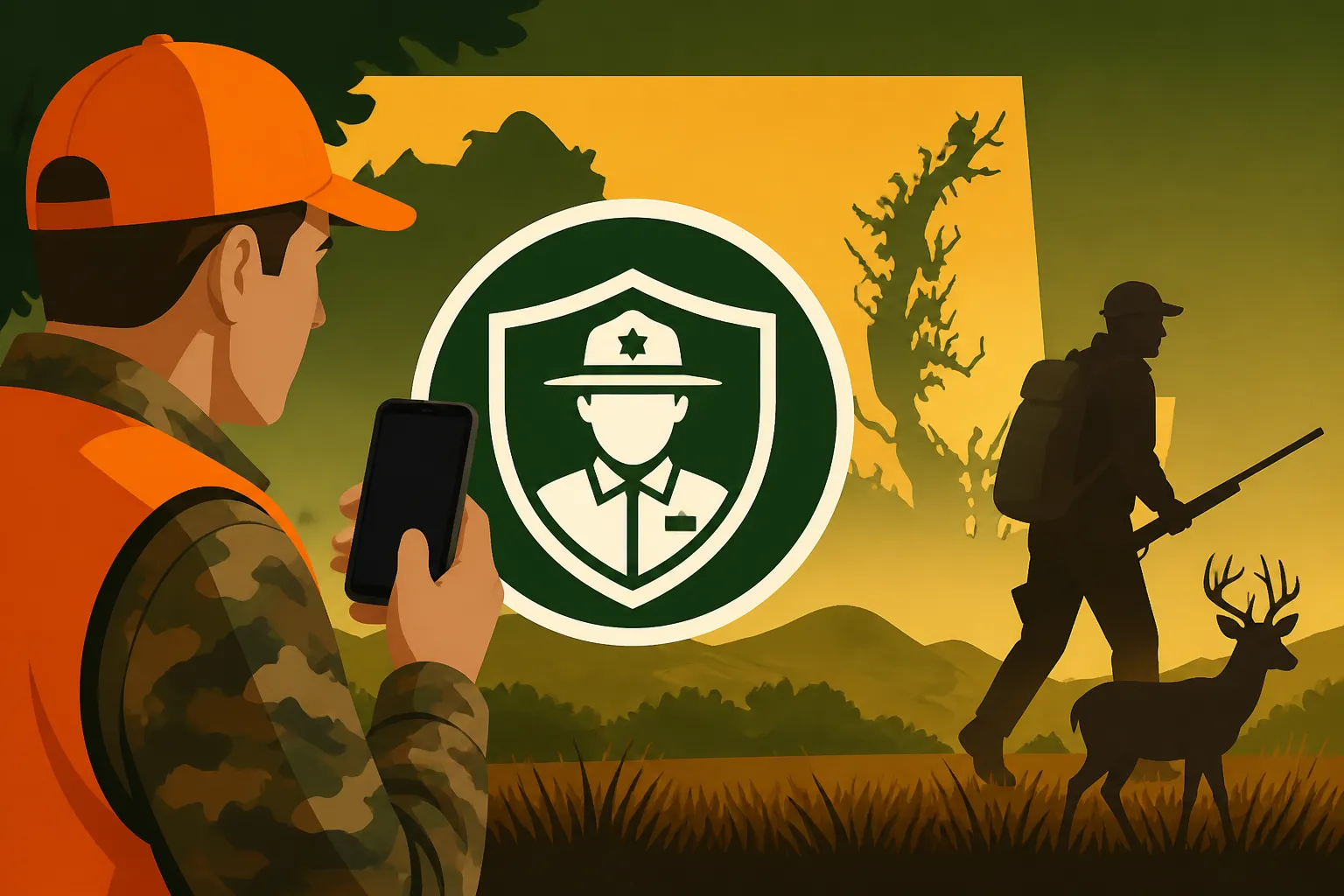
- Use your phone from a distance: Most smartphones have decent zoom capabilities. If you can get a clear photo or video of a vehicle, license plate, or the individuals from a safe, concealed distance, it can be incredibly helpful. Just make sure the flash is off, especially at night.
- Quick mental notes and written details: As soon as it's safe to do so (perhaps when you've moved away from the scene), quickly jot down everything you remember. Details can fade fast. Focus on the make, model, color, and license plate number of any vehicles, and distinguishing features of the people involved.
- Don't follow: Do not attempt to follow a vehicle or individuals. This could lead to a dangerous confrontation or put you in an unfamiliar or isolated area. Get the initial information, and then let the NRP take over.
Even if you're out Hunting a Chesapeake Bay Blind at First Light or Still-Hunting Western Maryland Mountain Timber, having your phone ready for quick, discreet documentation of a vehicle or license plate can be a game-changer. Just ensure you’re always prioritizing your safety above all else.
Protecting Maryland's Hunting Heritage
Reporting poaching isn't just about catching lawbreakers; it's about safeguarding the future of hunting and conserving our natural world for everyone. It’s a collective responsibility that binds the entire outdoor community.
Every Hunter's Responsibility
We all benefit from well-managed wildlife populations and the opportunities to hunt, fish, and trap in Maryland. This privilege comes with a responsibility to uphold the laws and ethics that govern our pursuits. Acquiring your Maryland Hunting Licenses and What They Cost is just the first step; actively participating in conservation, which includes reporting violations, is a continuous commitment.
Think about the next generation of hunters, like the kids participating in Maryland's Junior Turkey Day or Maryland's Youth Waterfowl Days. Their ability to enjoy these traditions depends on the health of our wildlife and the integrity of our hunting community. When we turn a blind eye to poaching, we undermine their future opportunities. Every ethical hunter plays a crucial role in being the eyes and ears for the Natural Resources Police. You are a frontline defender of Maryland's natural heritage.
Educational Outreach and Community Involvement
Beyond reporting individual incidents, another powerful way to combat poaching is through education and community involvement. Many poaching incidents stem from ignorance or a lack of respect for wildlife and the law. Supporting hunter education programs helps instill strong ethical values and ensures that new hunters understand the regulations fully. Maryland's Maryland Hunter Education Requirements are a great start, but continued mentorship and community dialogue are equally important.
Joining local conservation groups, participating in public land cleanups, or simply talking to new hunters about responsible practices can foster a stronger culture of respect for wildlife and its laws. The more informed and engaged our community is, the less likely poaching is to occur. Together, we can ensure that Maryland's abundant wildlife resources remain healthy and accessible for all who appreciate them.
Disclaimer
The information provided in this guide is for general informational purposes only and does not constitute legal advice. While every effort has been made to ensure accuracy, hunting regulations can change, and specific situations may vary. Always consult the official Maryland Department of Natural Resources (DNR) regulations or contact the Maryland Natural Resources Police (NRP) directly for the most current and authoritative information. Your safety is paramount; never confront suspected poachers.